January 2025

Here are ideas for January’s two sessions, but you are very welcome to come along and paint whatever you want to.

After years of bright, dynamic colours worldwide colour company Pantone has chosen a soft, mellow, comforting brown as its colour of the year, called Mocha Mousse. Instead of a whole session on this colour try and add it to your paintings throughout this year.

Click here to learn more about this colour… www.pantone.com/uk/en/color-of-the-year/2025

Wednesday 8th January 7-9pm – Ballpoint pen and a sketchbook

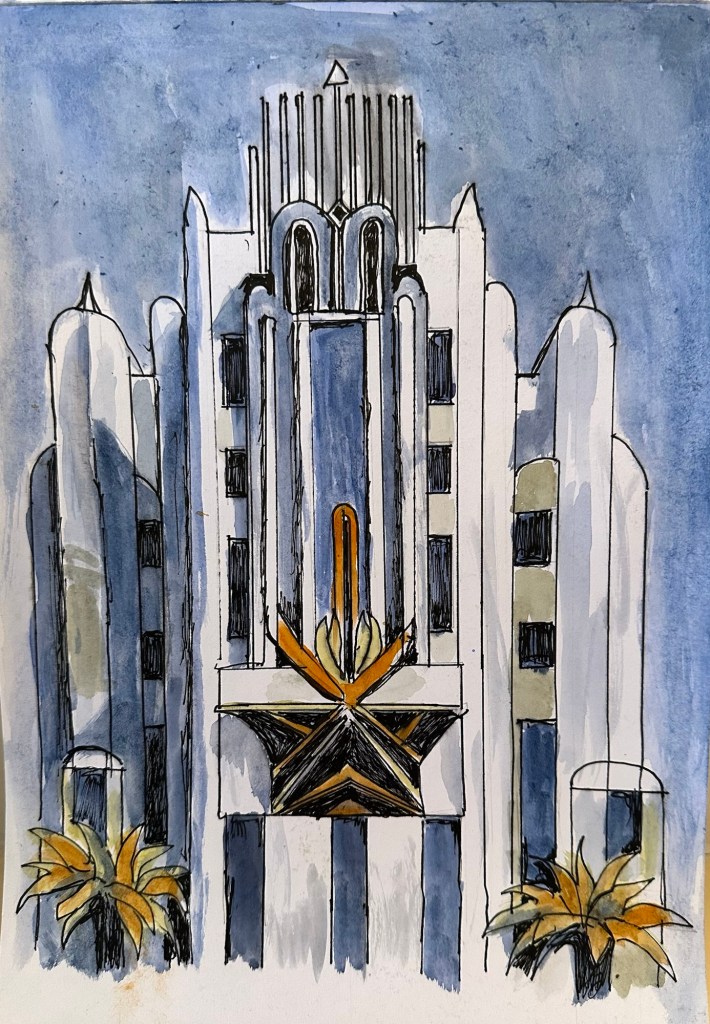
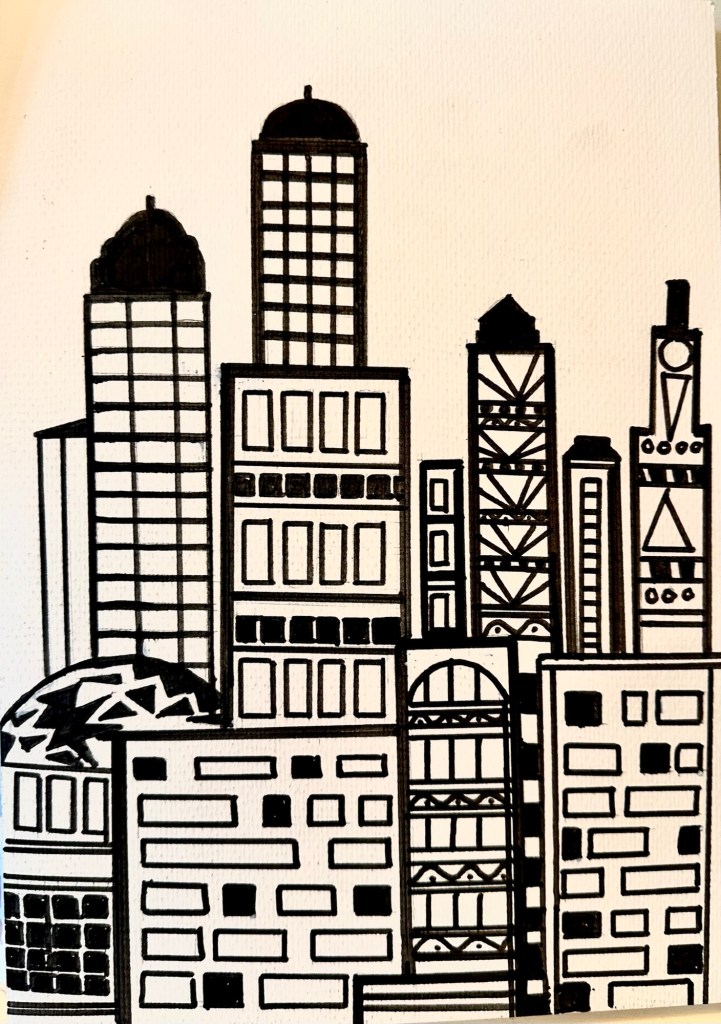
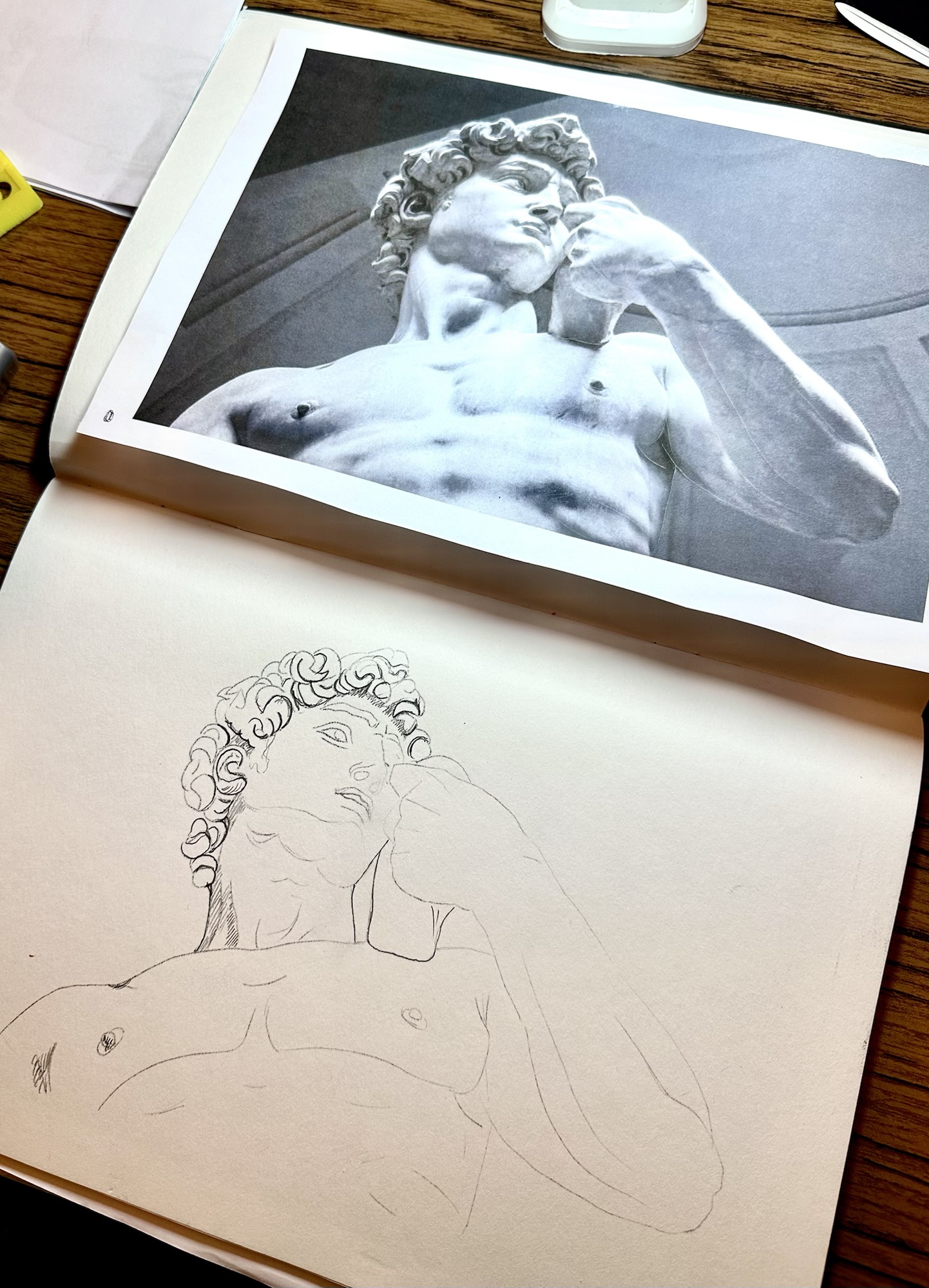
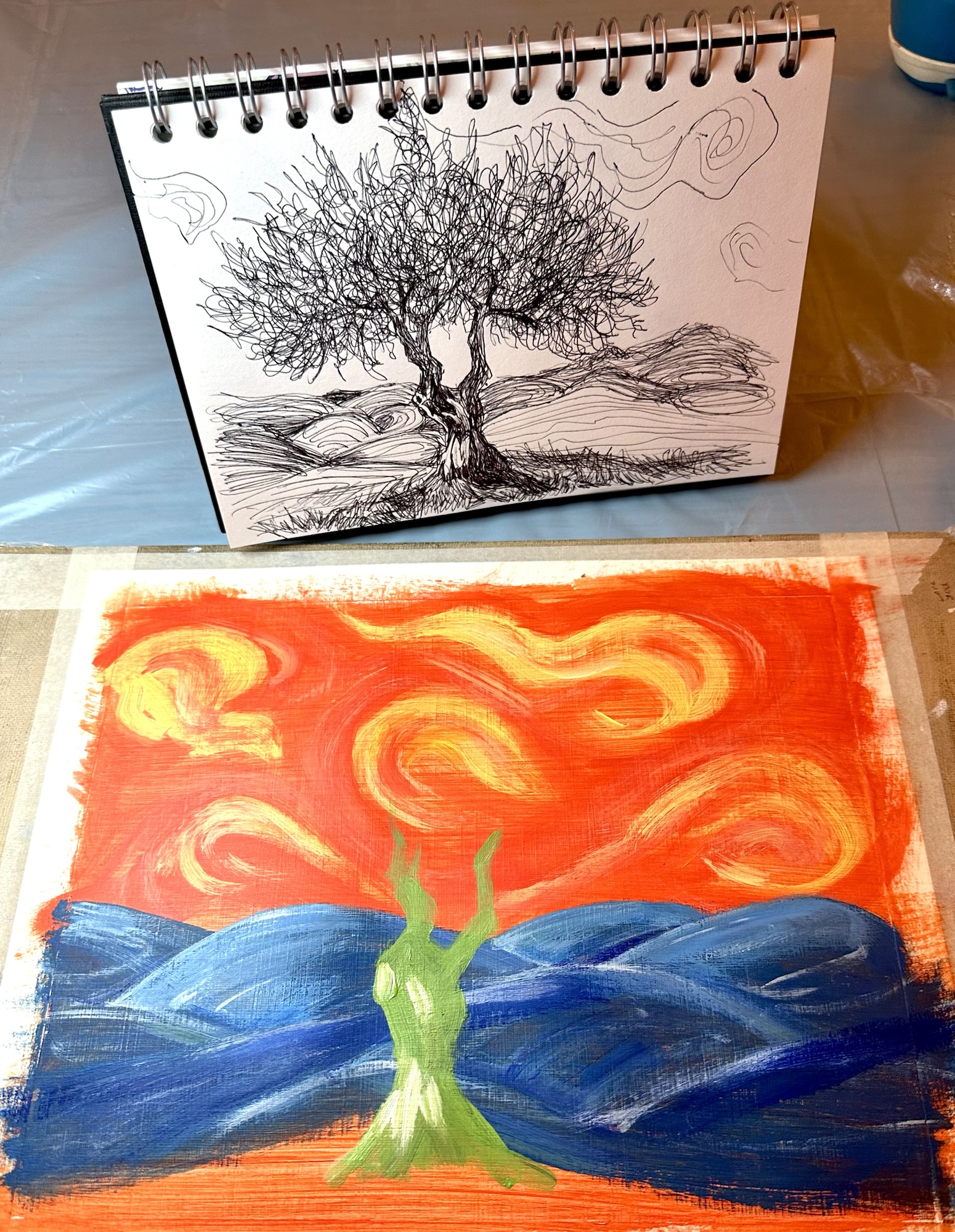
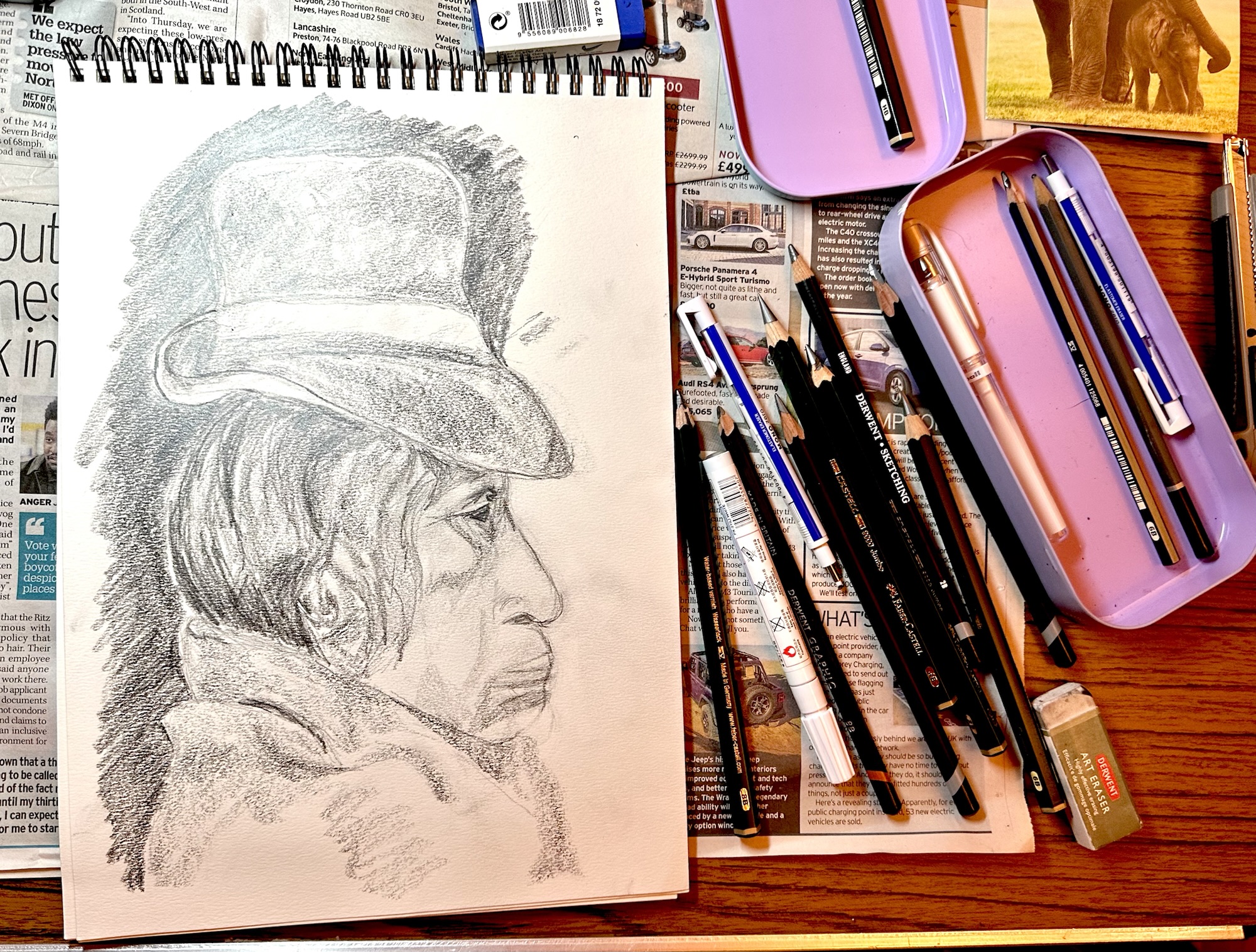
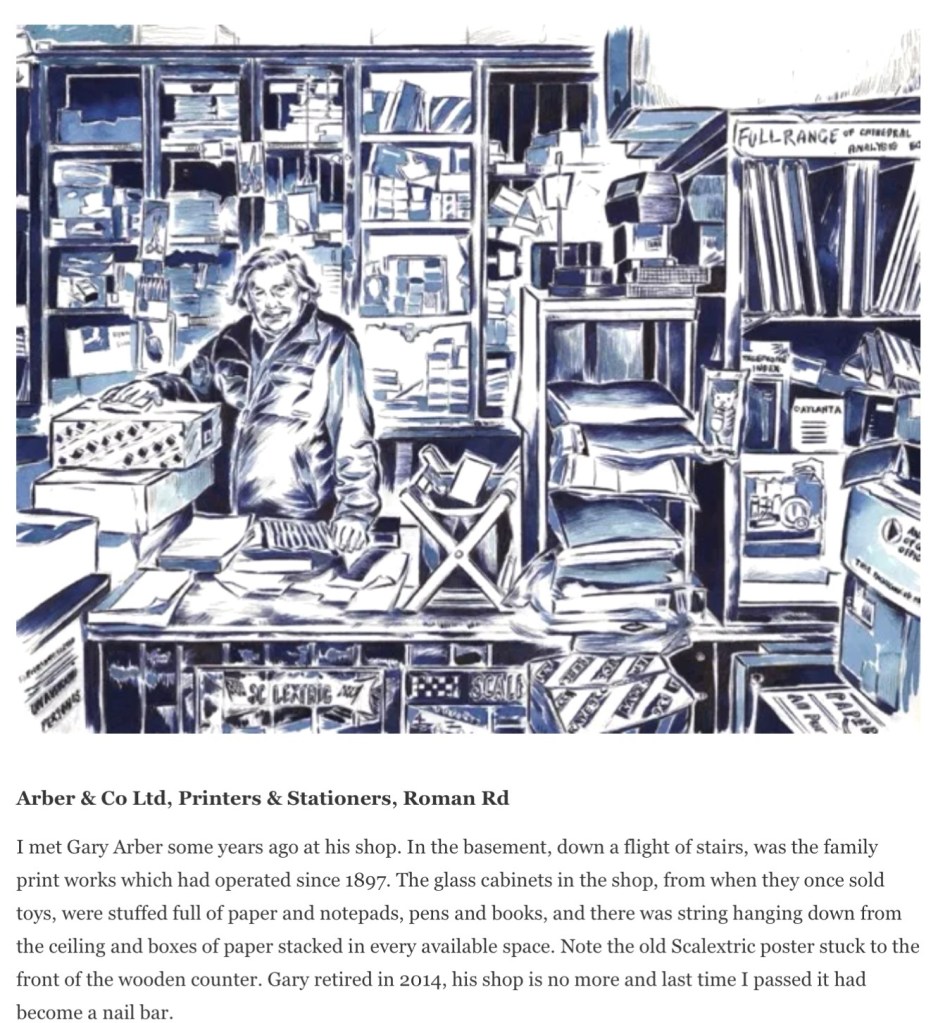
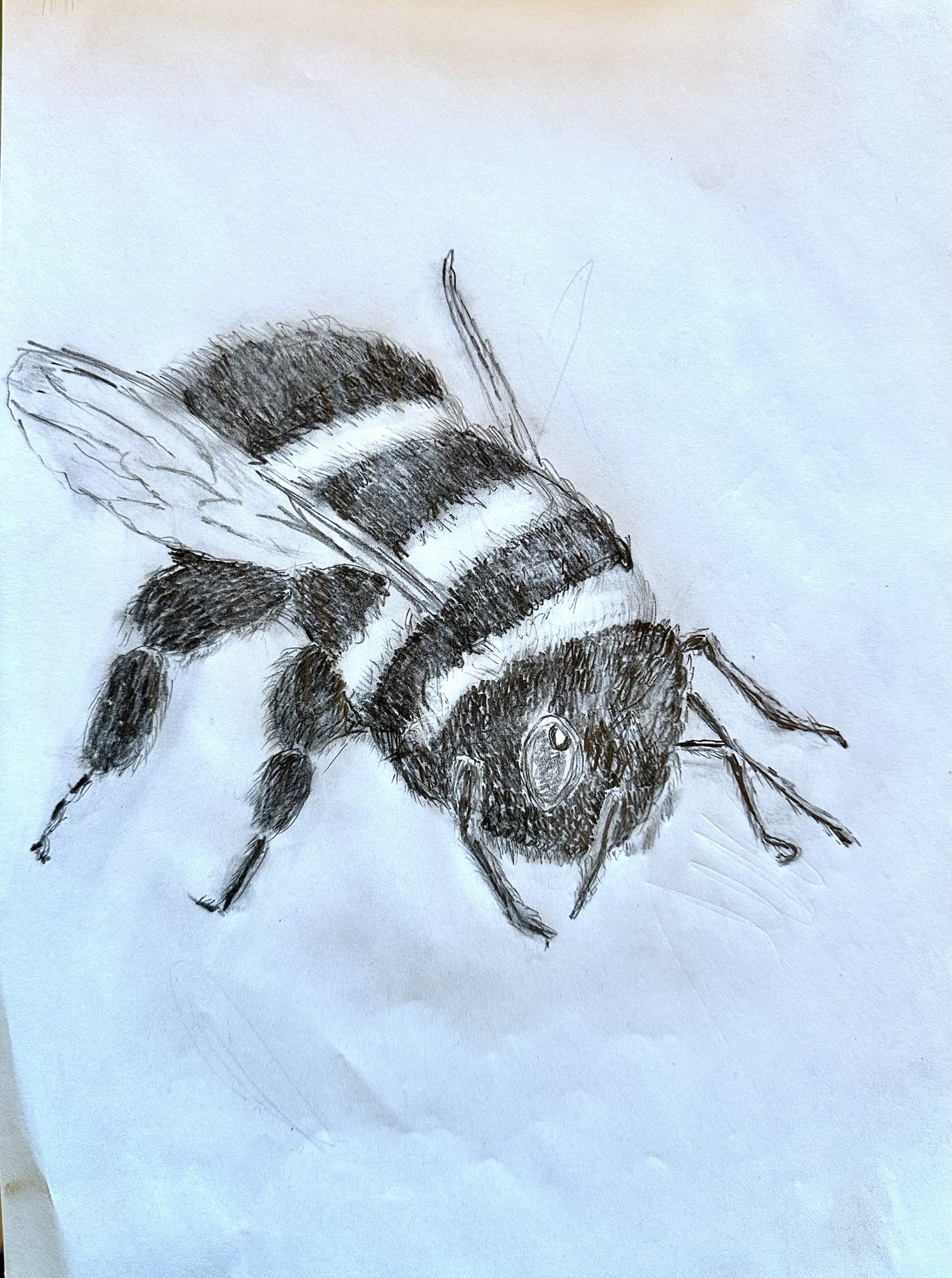
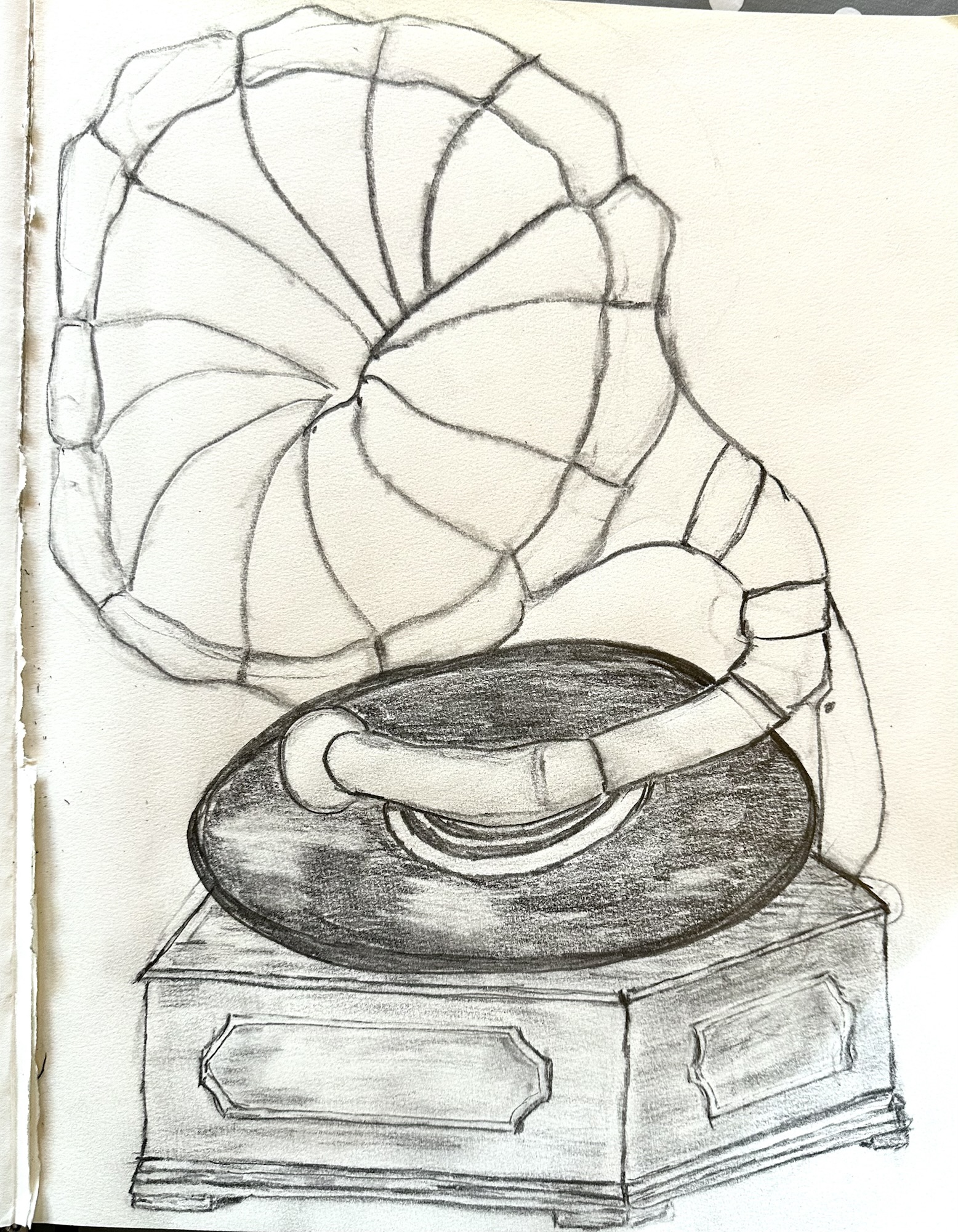
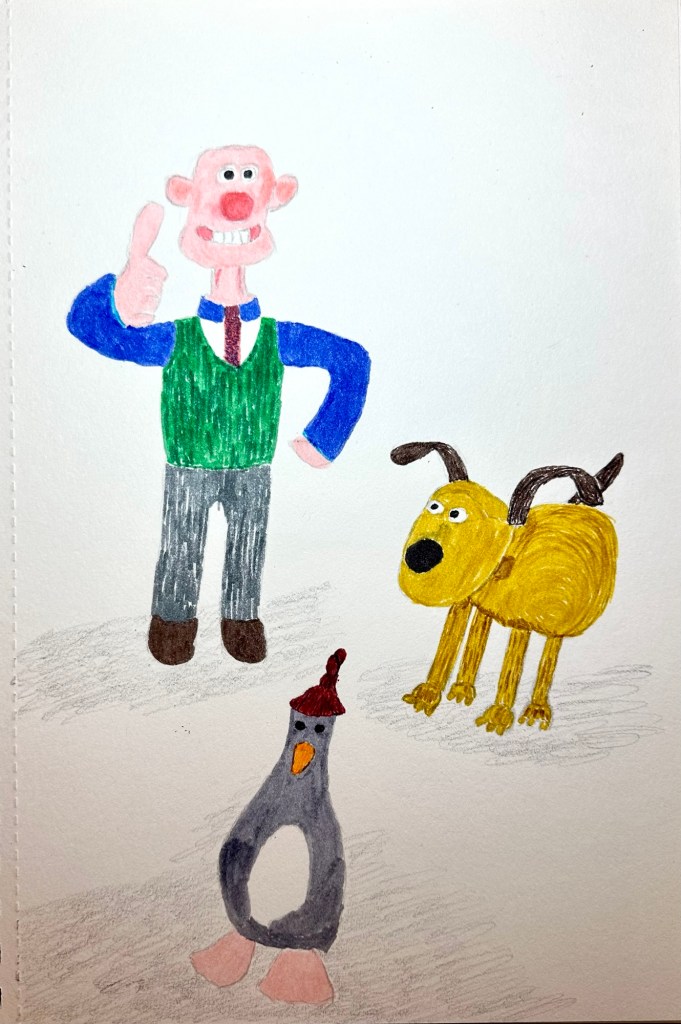
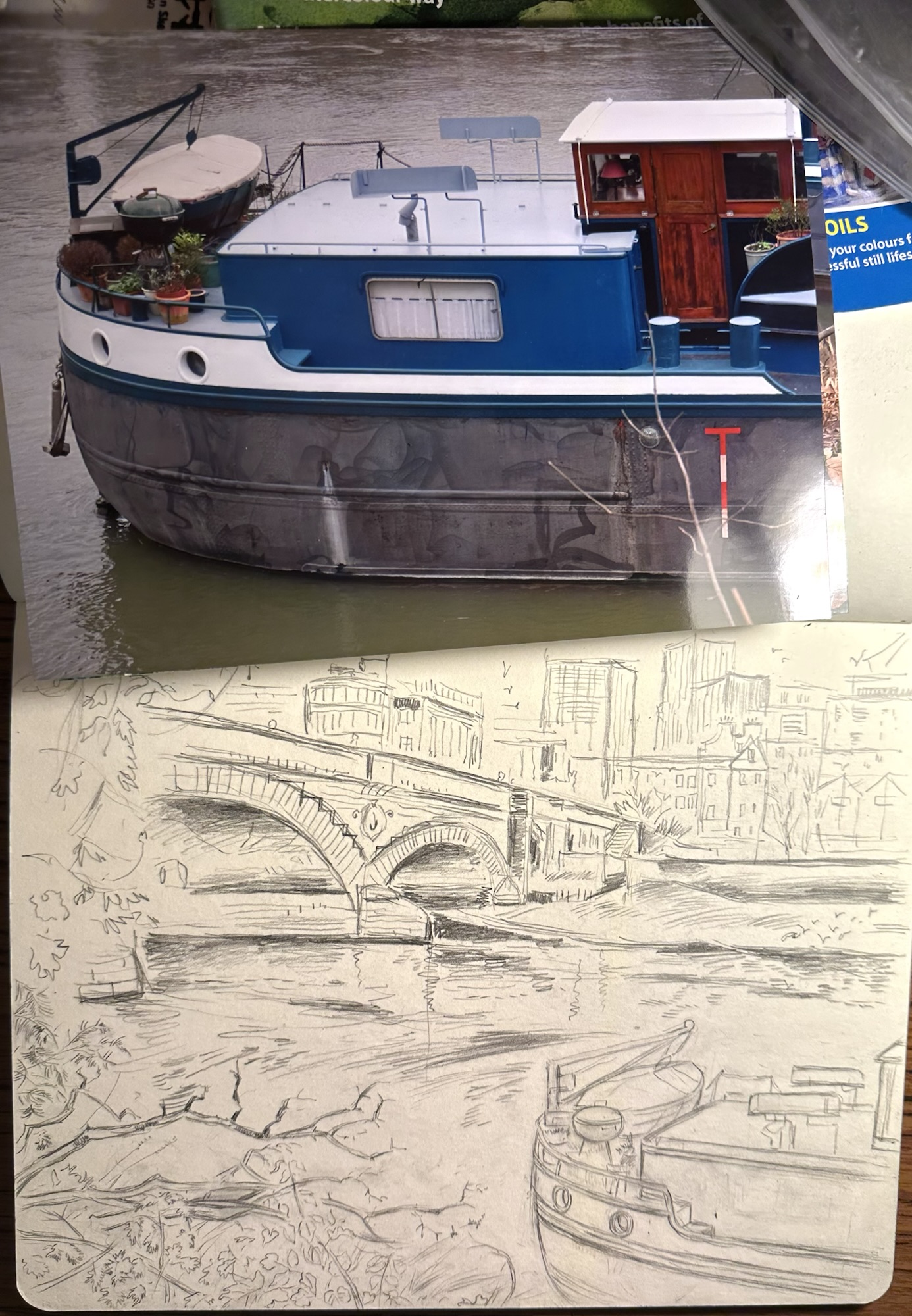
A simple start to the year to bring along a sketchbook and ballpoint pen and sketch some ideas of what you plan to draw and paint in 2025 or bring items from home to sketch. We usually use pencils to sketch but ballpoint pens are often overlooked yet are so versatile. Handy too if you’re going out and just want to pop a pen and small sketchbook in your bag.

Originally patented by John Loud in the USA in 1888 the first ballpoint pens were clumsy and not a success so the patent lapsed. László Bíró developed the idea decades later in Europe and patented his idea in 1938 as Biro pens. A few years later Marcel Bich bought Bíró’s patent and the Bic Cristal ballpoint pen became his first product in 1950. The four-colour ballpoint pen followed in 1969 and both designs remain almost unchanged since then.

Saturday 25th January 10am-3pm – Winter Wonders

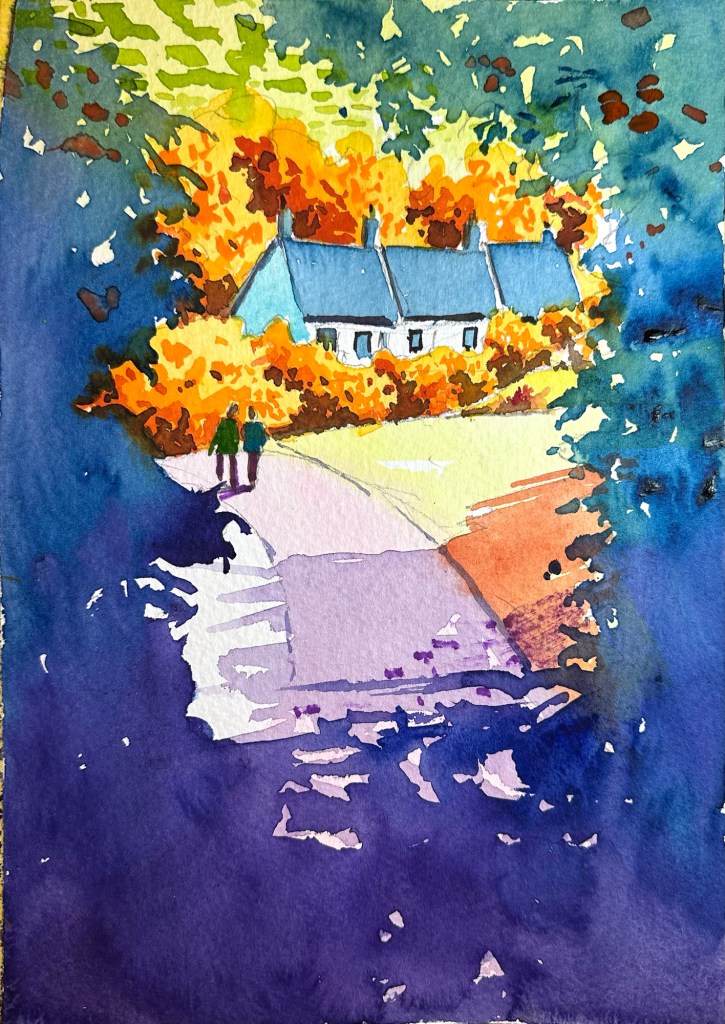
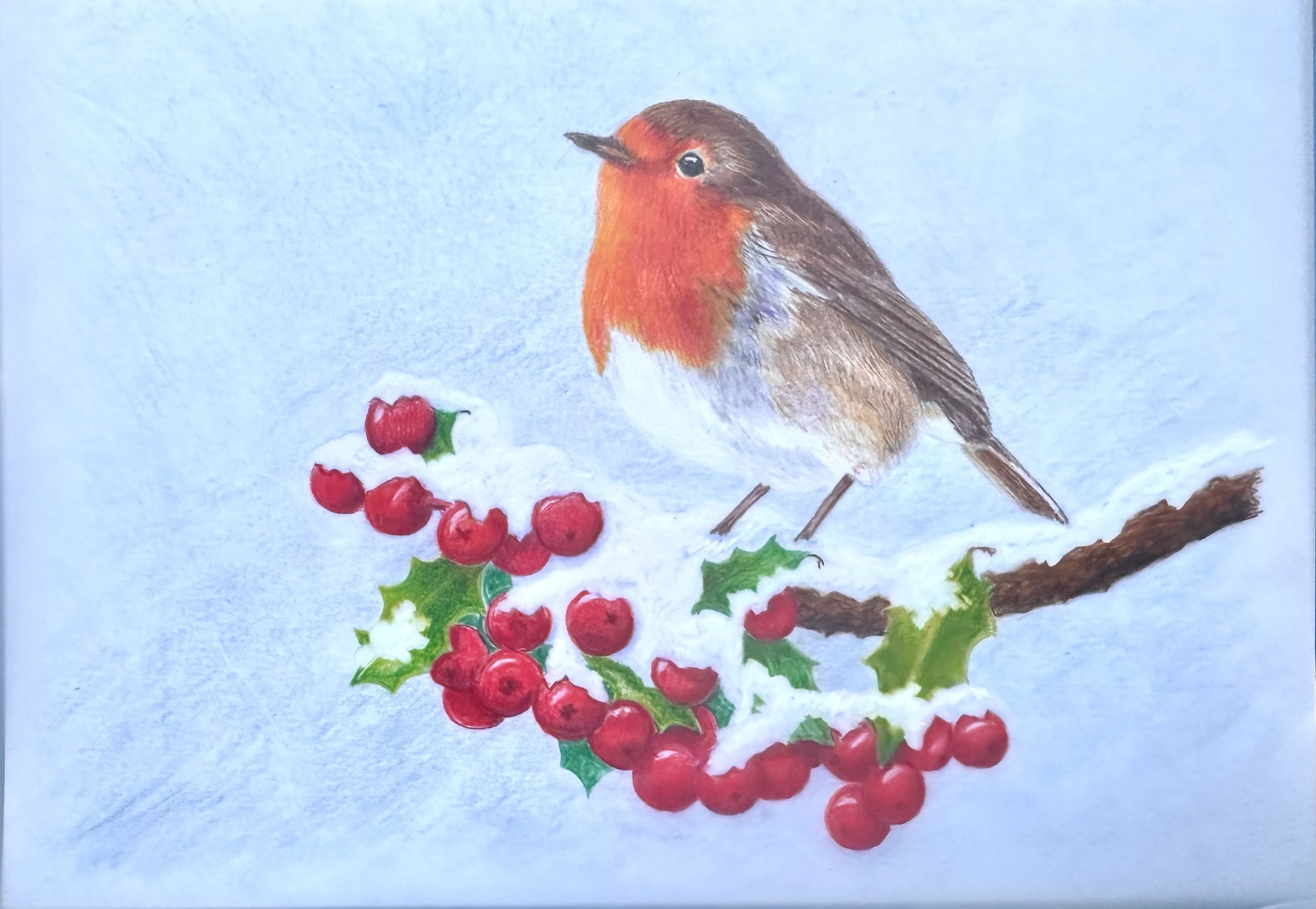
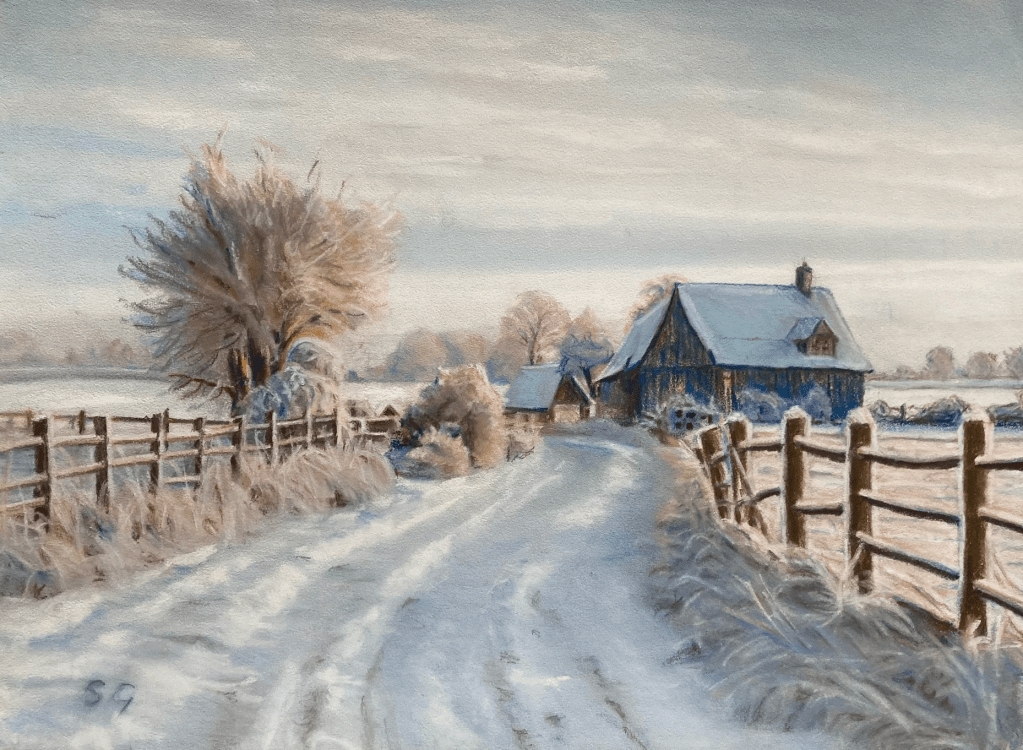
Before recycling your Christmas cards have a look through and see if any will inspire you for this session. A wintry landscape, place, people, domestic or wild animals. With watercolours leave the white paper unpainted to represent snow or with acrylics or oils layer the paint on thickly with a palette knife. Or you might see many colours in snow, it’s not just white with sunlight and shadows. A broad subject in any media, come along and enjoy an arty day with friends.

Welcome to 2025

HAPPY NEW YEAR and THANK YOU to everyone for your continued support for Chalk Art Group during 2024, attending sessions and painting along at home.

Membership

We will finance M&C this year with an annual subscription of £84 to cover the hall hire fees for 2025.

Alternatively, equal payments of £28 will be due 3 times this year in January, May and September. If you choose to pay in instalments you are committing to pay for the whole year. Without this support we will not be able to raise enough funds to hire the hall. Steve emailed everyone on 21st December with details of how to pay by bank transfer, cheque or cash Please look back to his email as there is important info about the art group’s name at the bank. Please pay promptly as this saves members being emailed and phoned to be reminded to pay!

Please pay your membership fee by the end of January to continue to be a member of the art group. Thank you :o)

Sessions

Our sessions will be on the second Wednesday and the fourth Saturday of the month, with session ideas being published on the 1st of that month.

You don’t have to paint the suggested ideasyou’re welcome to come along and paint anything you want to. Or if you come on a Wednesday and want to paint the Saturday idea or vice versa, that’s no problem at all.

Free tea, coffee and biscuits will be provided at all sessions so if you just want to come and chat with your art friends then that’s fine too!

Workshops

If we have any workshops they will have the usual ‘first come, first served’ policy of putting your name down, with an additional amount to pay to cover the tutor’s fee. If more artists wish to attend the session than the tutor has room for, we’ll have a waiting list and you have a chance of getting a place as members do pull out at the last minute. 

Even if you don’t want to attend a workshop you will have already paid for the hall hire in your subs. You are therefore welcome to sit and paint quietly at the kitchen end of the hall whilst the workshop session takes place towards the window end of the hall. 

Here are the session dates for 2025

Please print them out or write them in your diary or calendar. Some months have 5 Saturdays but we meet on the 4th one.

Open Day is on Saturday 22nd November, with hanging the evening before.

  2025 2nd Wednesday    7-9pm4th Saturday   10am-3pm
  January  (subs)     8th      25th
      February       12th       22nd
      March       12th       22nd
      April       9th      26th
      May (subs)     14th       24th
      June       11th       28th
      July       9th       26th    (not at hall)
      August       13th     23rd  (not at hall)
      September (subs)       10th       27th
      October       8th       25th
      November       12thFRI 21st  – Hanging evening
SAT 22nd  – OPEN DAY
      December     10th – Christmas Party  

November & December 2024

Please read everything as there’s lots of info…

Here are the dates of our next meetings-

Wednesday 13th November – 7-9pm – finish paintings or DYOT

Friday 22nd November – 7-9pm – hanging evening

Saturday 23rd November – 10am-3pm – Open Day  (Visitors from 10.30am to 2.30pm)

Wednesday 11th December –  7-9pm – Christmas Party

On Open Day you don’t have to hang your paintings on the walls or in the browsers, it’s not compulsory. We call it an Open Day not an exhibition as a way to open the hall for a day so visitors can see what we paint at our sessions. It’s a good way of showing the group to people who are looking for a local art group to join. So if you have interested friends or family please ask them along. 

If you aren’t showing your paintings please come along and enjoy a day of painting. 

Wednesday 13th – 7-9pm – Finish paintings or DYOT

We all have paintings we started and haven’t got around to finishing. Bring these paintings and finish them off, especially if they’re for Open Day. If you’ve already decided which paintings to show for Open Day bring them and mount or frame them.

If you’ve already mounted and framed your paintings then come along and DYOT – ‘do your own thing’.

Friday 22nd November – 7-9pm   – Hanging Evening

Please email Steve ASAP with how many framed paintings you will be hanging for our Open Day, along with their names and price or NFS (Not For Sale). 

Framed paintings – up to 6 and not too big to hang from the hooks. No clip frames please as they easily break. Use D rings and cord across the back with a label hanging down below the frame or on the front with your name, name of the picture, medium and the price or NFS. 

Mounted pictures – any number for the browsers but they must be for sale, all labelled front or back. There won’t be a list of mounted work, so keep a record yourself of which ones you bring along. 

If you need insurance for your artwork then please make sure it’s in place for today and tomorrow.

From 7pm drop off your paintings or stay and help hang them all up. Please bring scissors to cut the hanging cord.

If you can’t come on hanging evening then please arrange from someone else to bring your artwork. 

Saturday 23rd November – 10am-3pm –   Open Day

*****Visitors welcome 10.30am to 2.30pm*****

We open our doors and invite friends, family and Chalk locals to come and see what we paint. Please don’t be upset if you don’t sell anything. It’s lovely to welcome people into the hall to talk about art and painting. 

There’s no set subject, just bring along something to paint during the day. 

So no one gets stuck in the kitchen for hours please take your turn making teas and coffees for visitors and also wash and dry up the cups and saucers. Please wash up the teaspoons too as they don’t wash themselves :o)

Membership – If any visitors want information about becoming a member please take them to Steve who can tell them about joining the group. 

Sales – If anyone is interested in buying a framed or mounted picture please take them to Tracy for payment. We don’t have a card reader for debit or credit cards, it’s cash only.

Wednesday 11th December –  7-9pm –   Christmas Party

Come along in your Christmas jumpers, sparkly outfits or fancy festive hats and enjoy some quizzes and Pass the Parcel. No painted wood slices this year, we already have several for our Christmas trees!

Bring along a plate of food to share and pop it on the side tables. Also bring your own plates, cups and drinks. 

If your food is for vegans or coeliacs please label accordingly and place on the separate table.

Your partner/family are welcome to come along too. Please email Tracy if you’ll be coming so we know numbers for pass the parcel. Tea, coffee and biscuits will be available as usual.

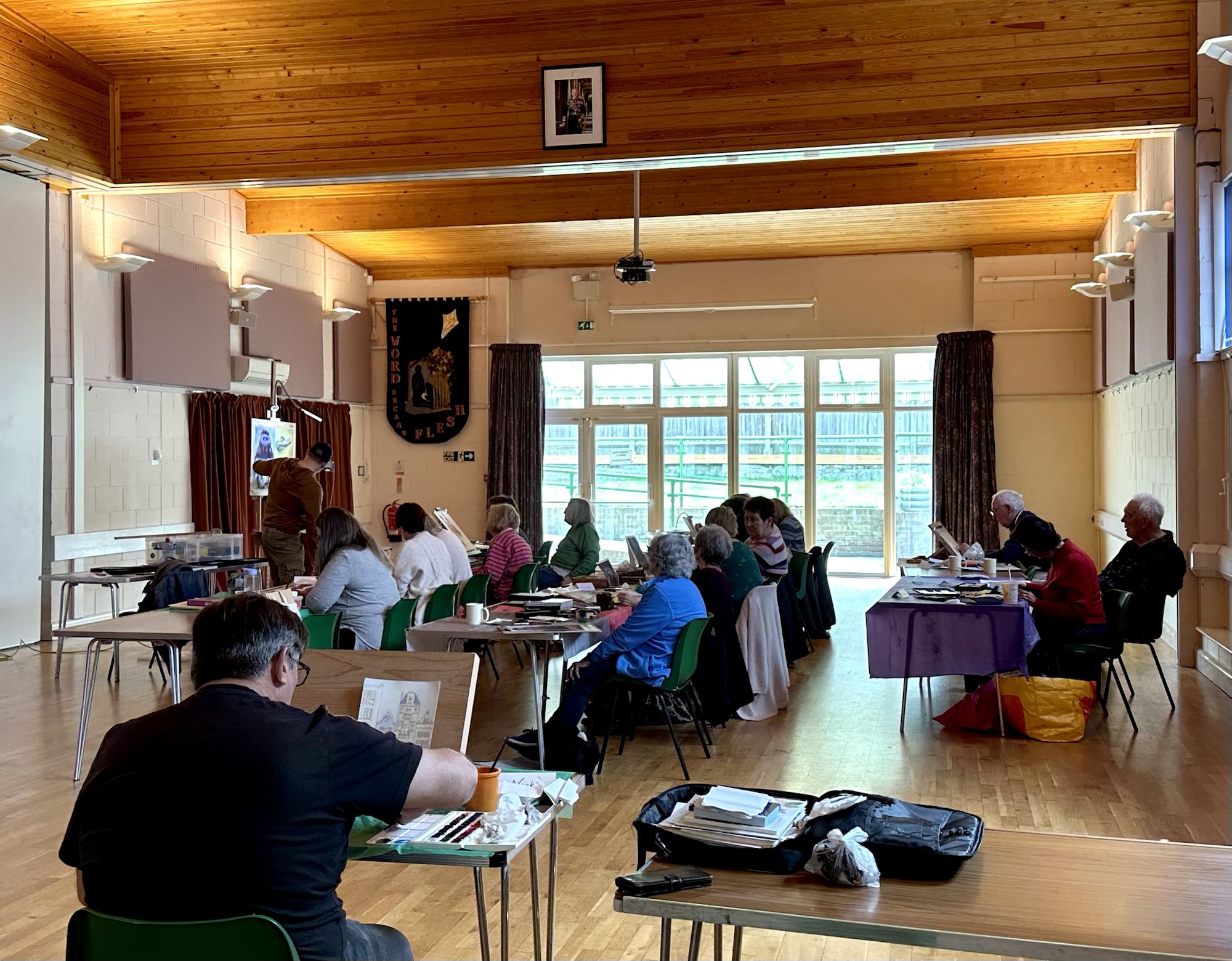
Coloured pencil workshop – October 2024 – Saturday

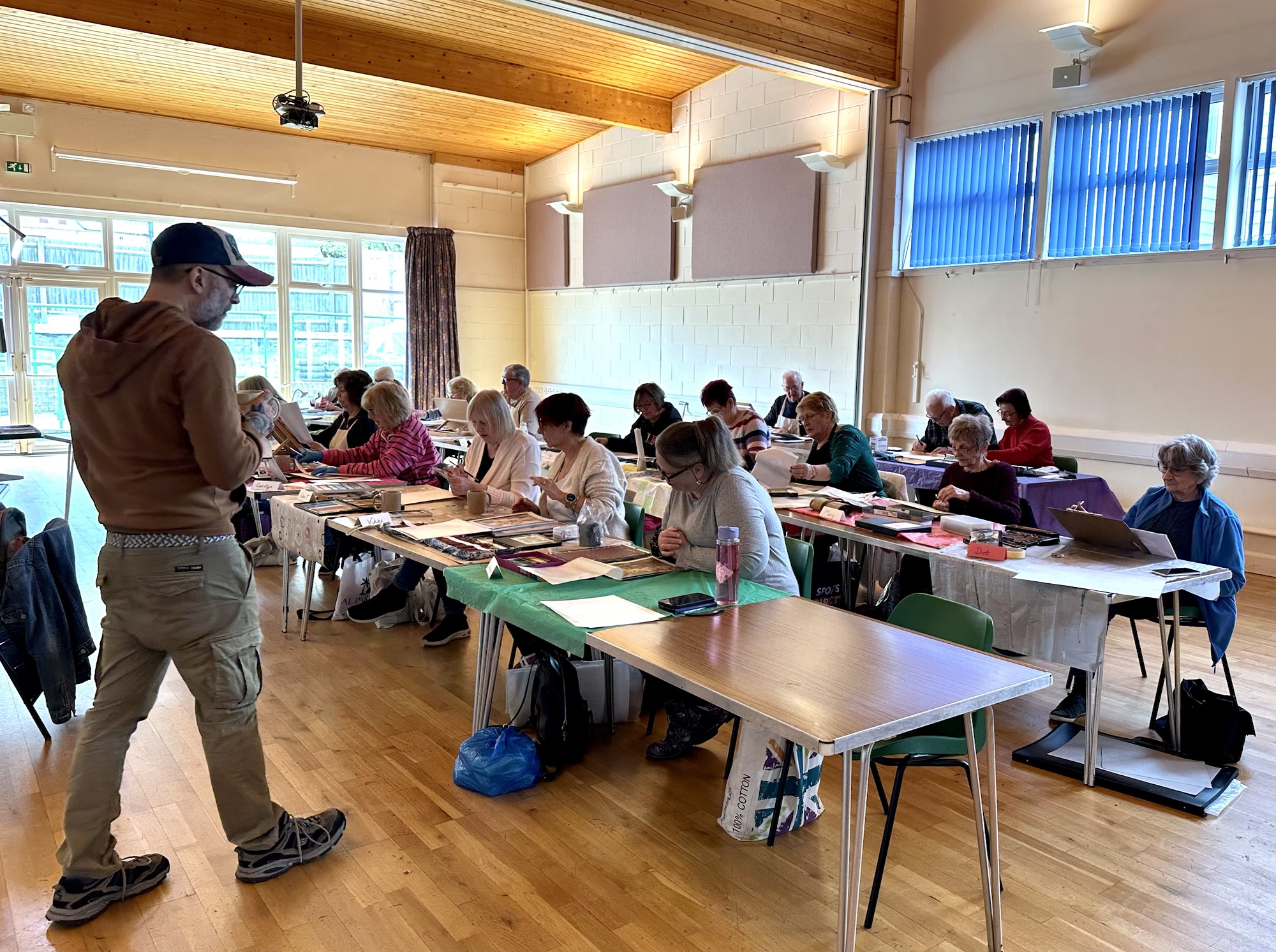
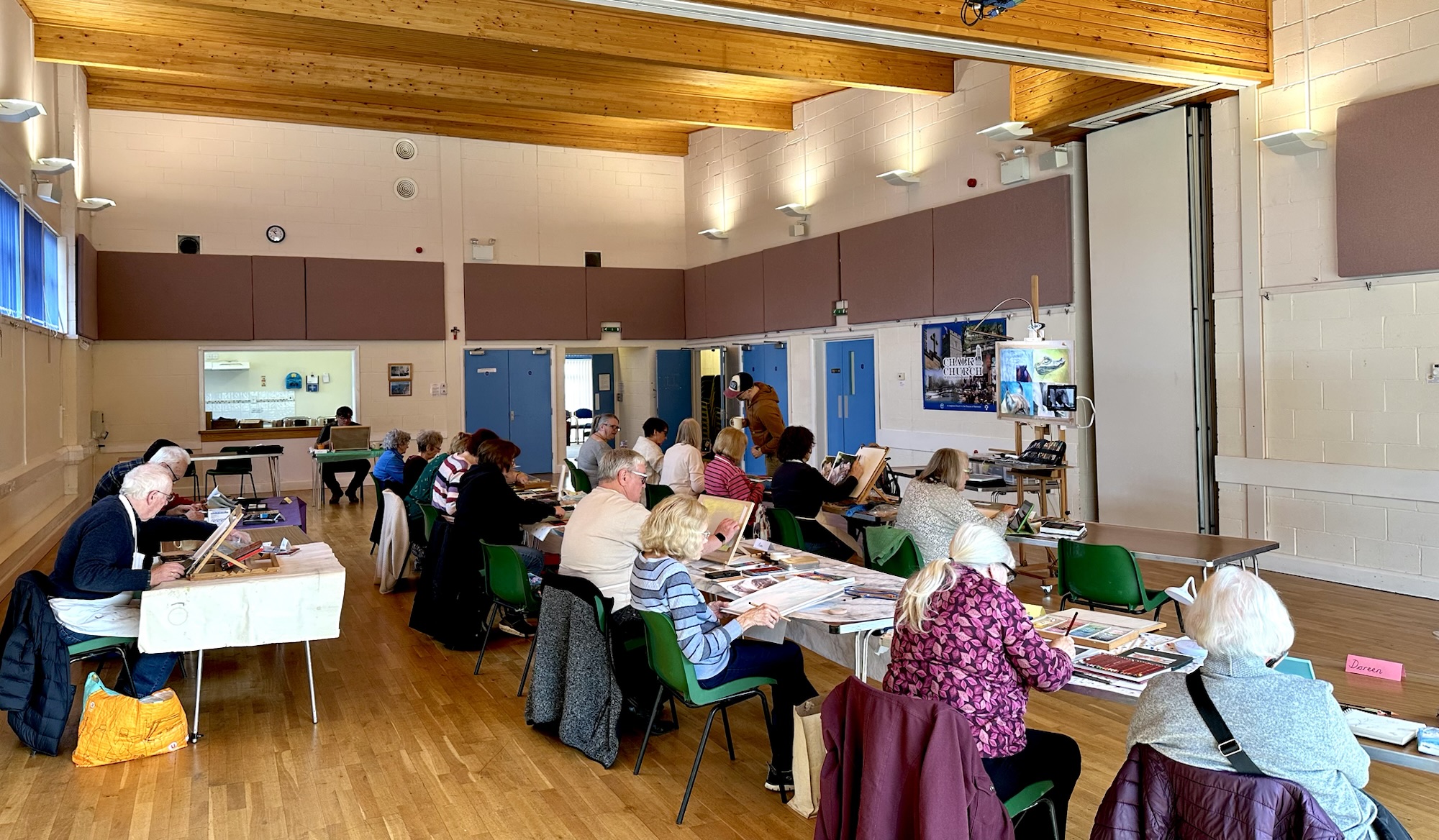
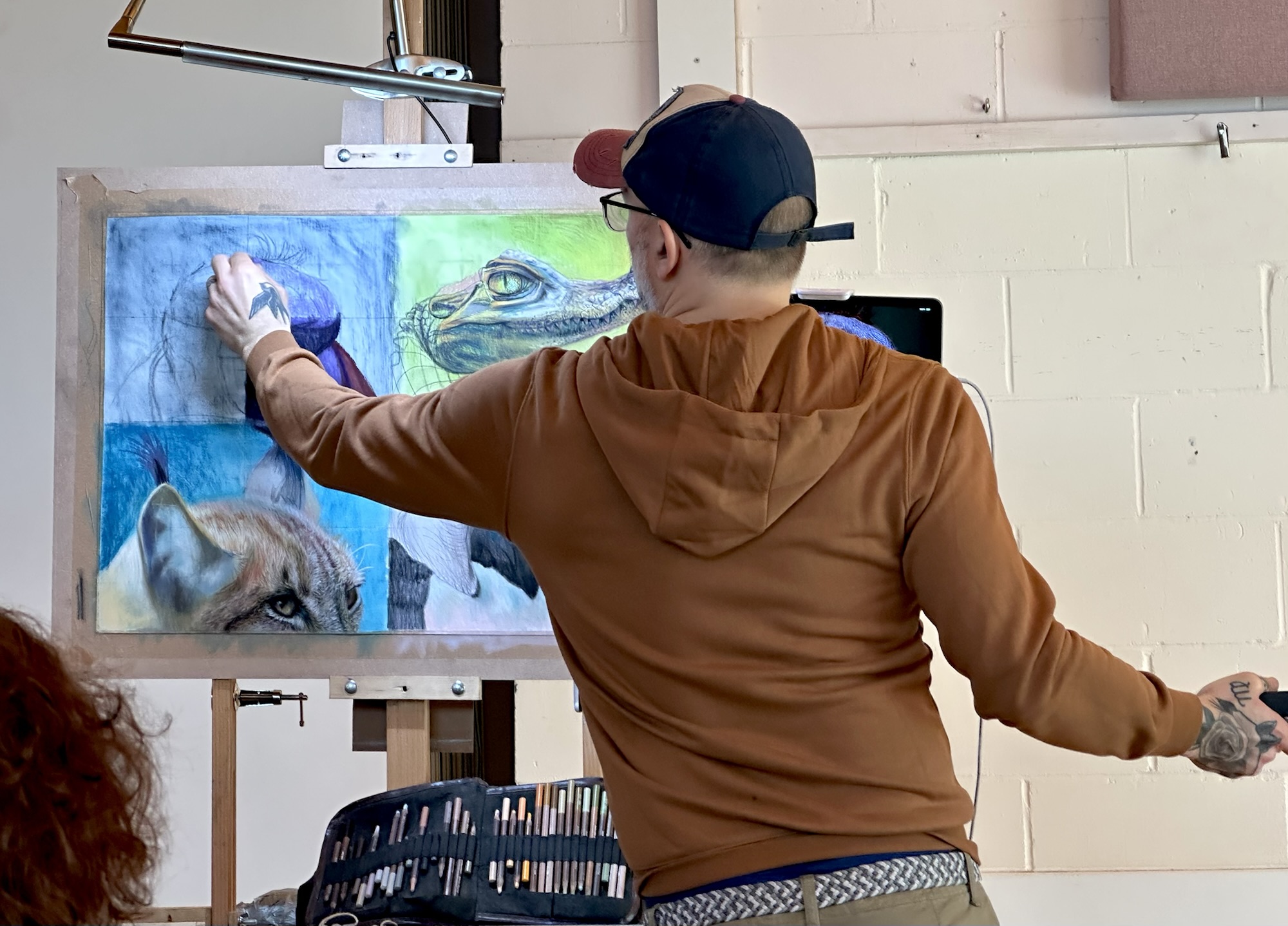
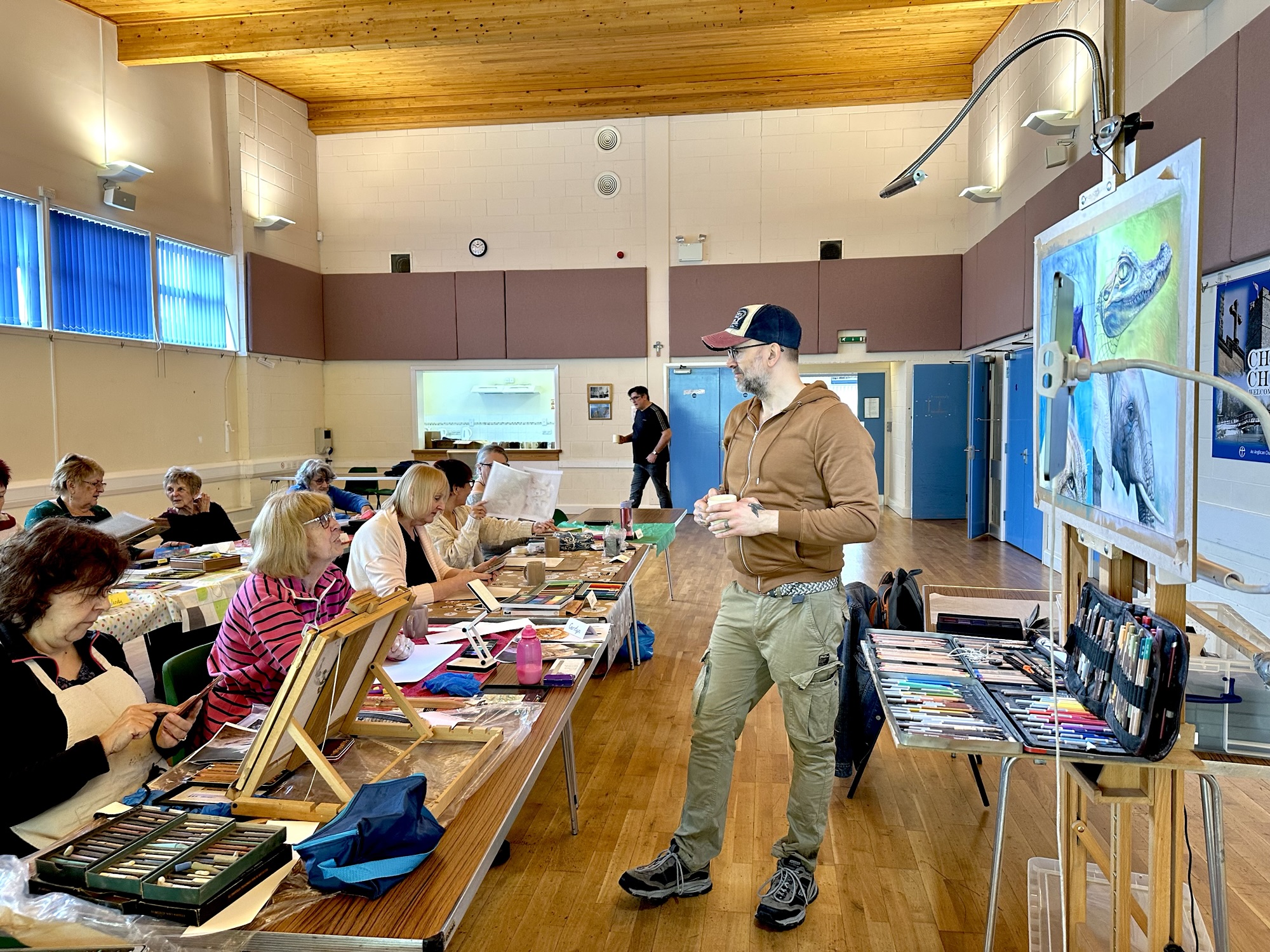
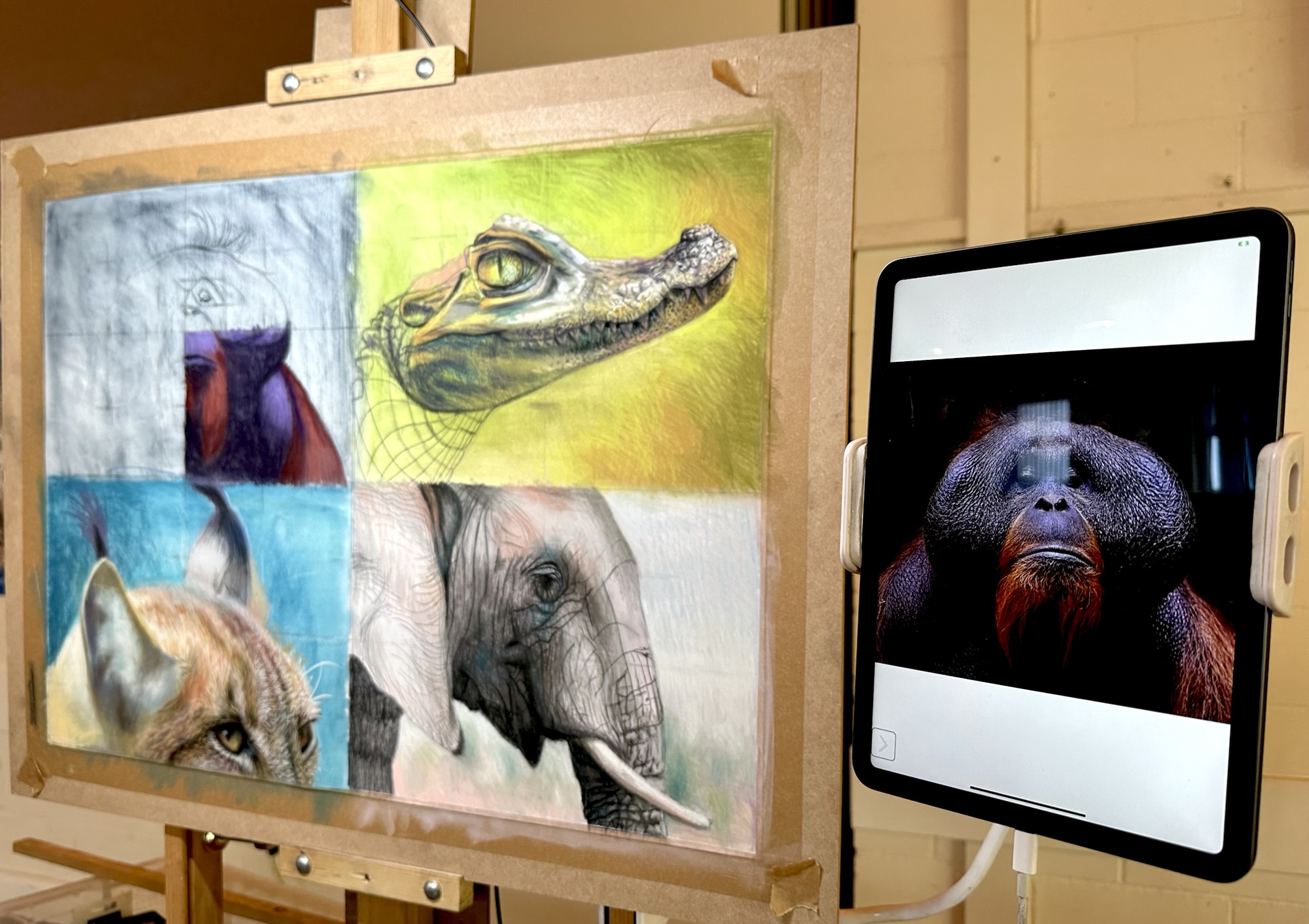
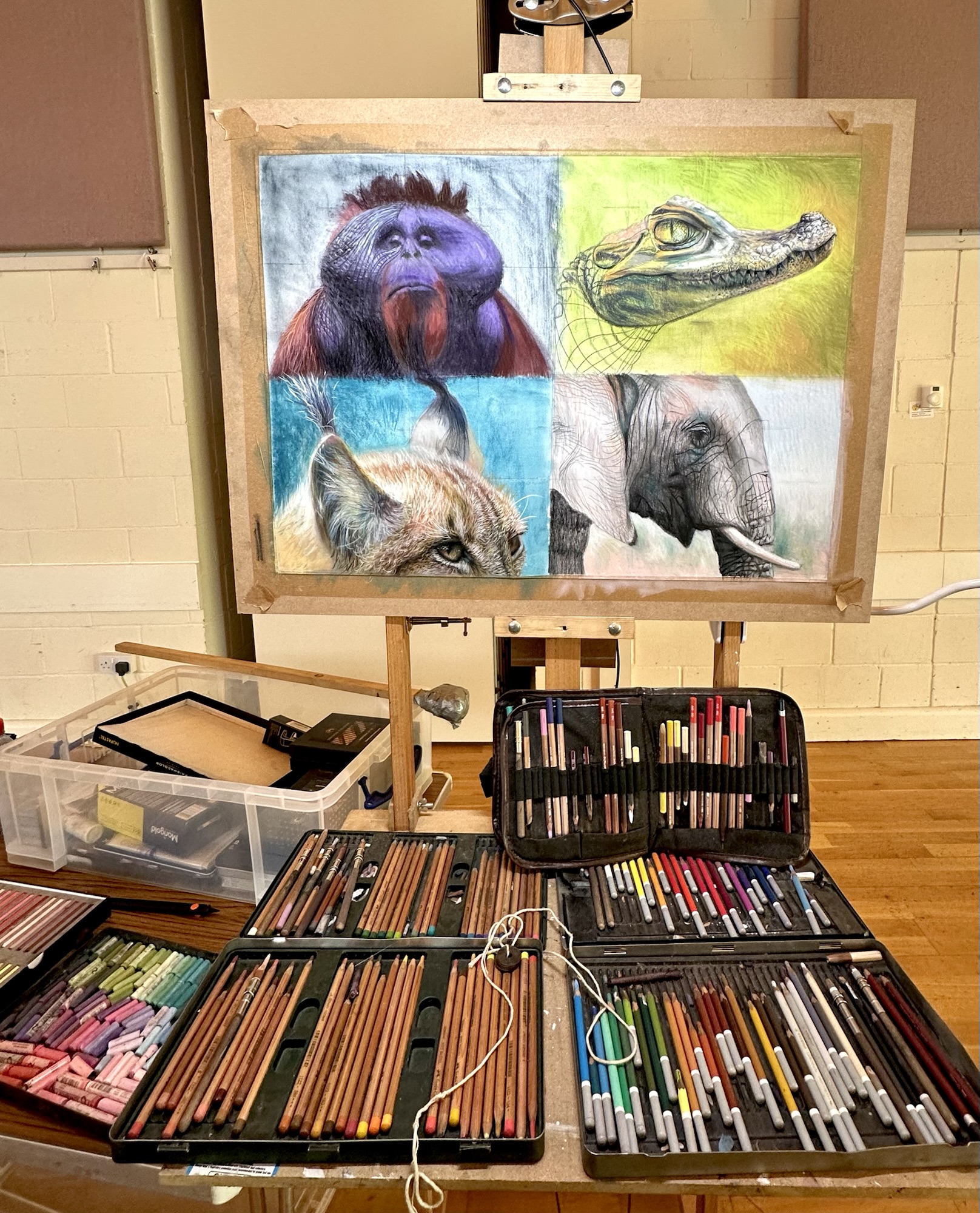
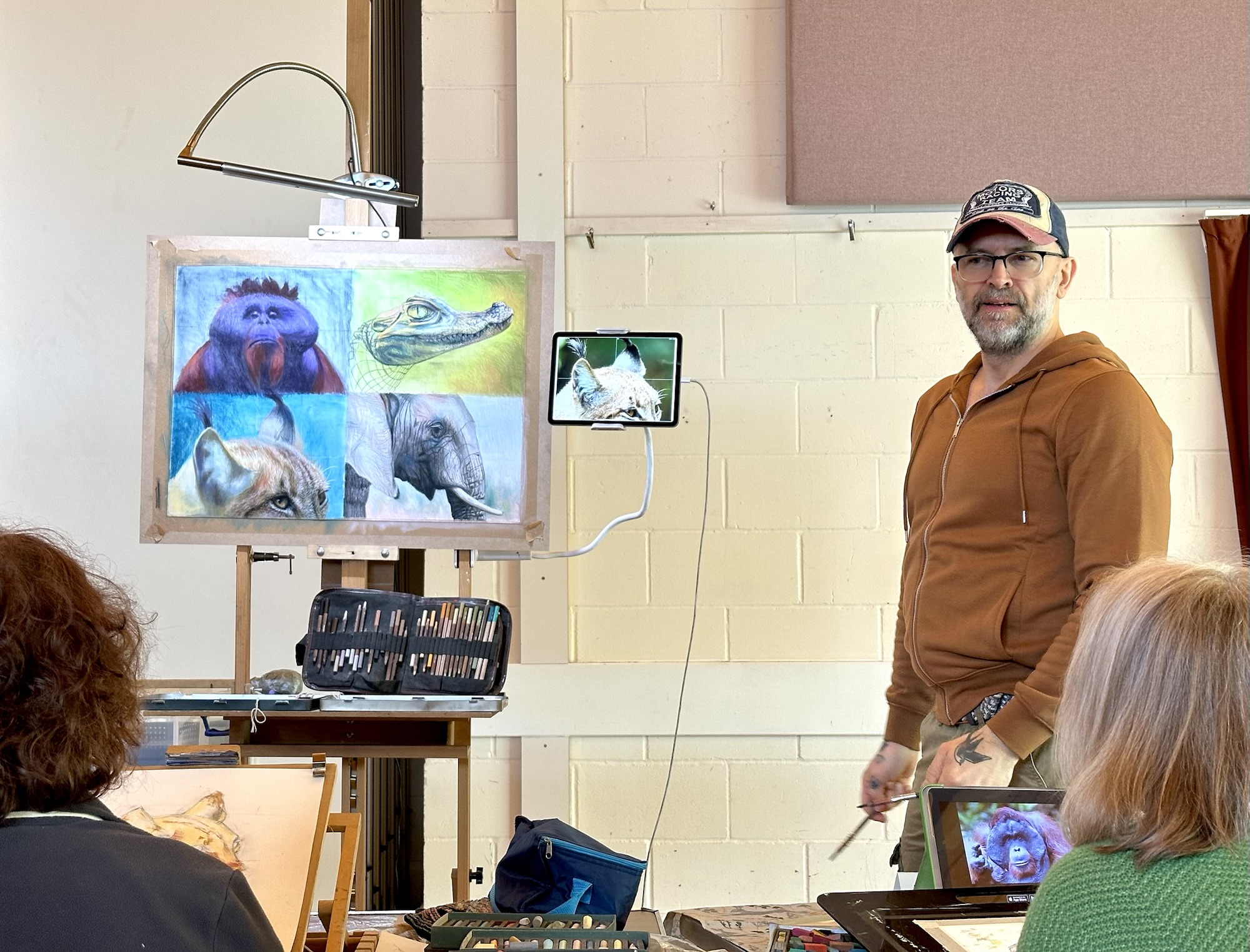
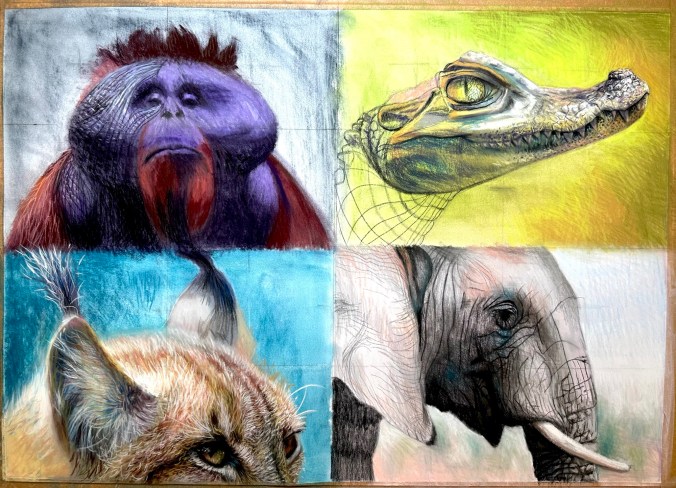
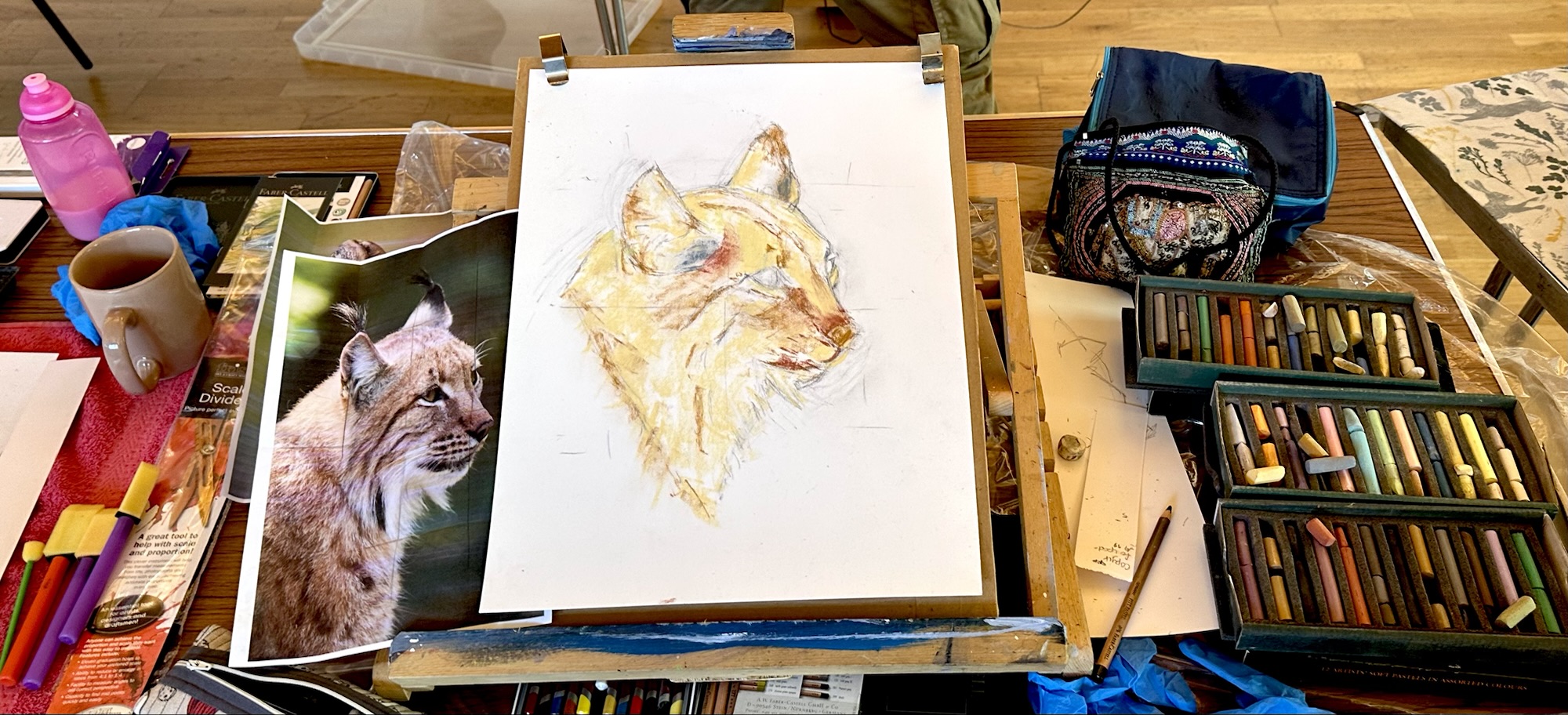
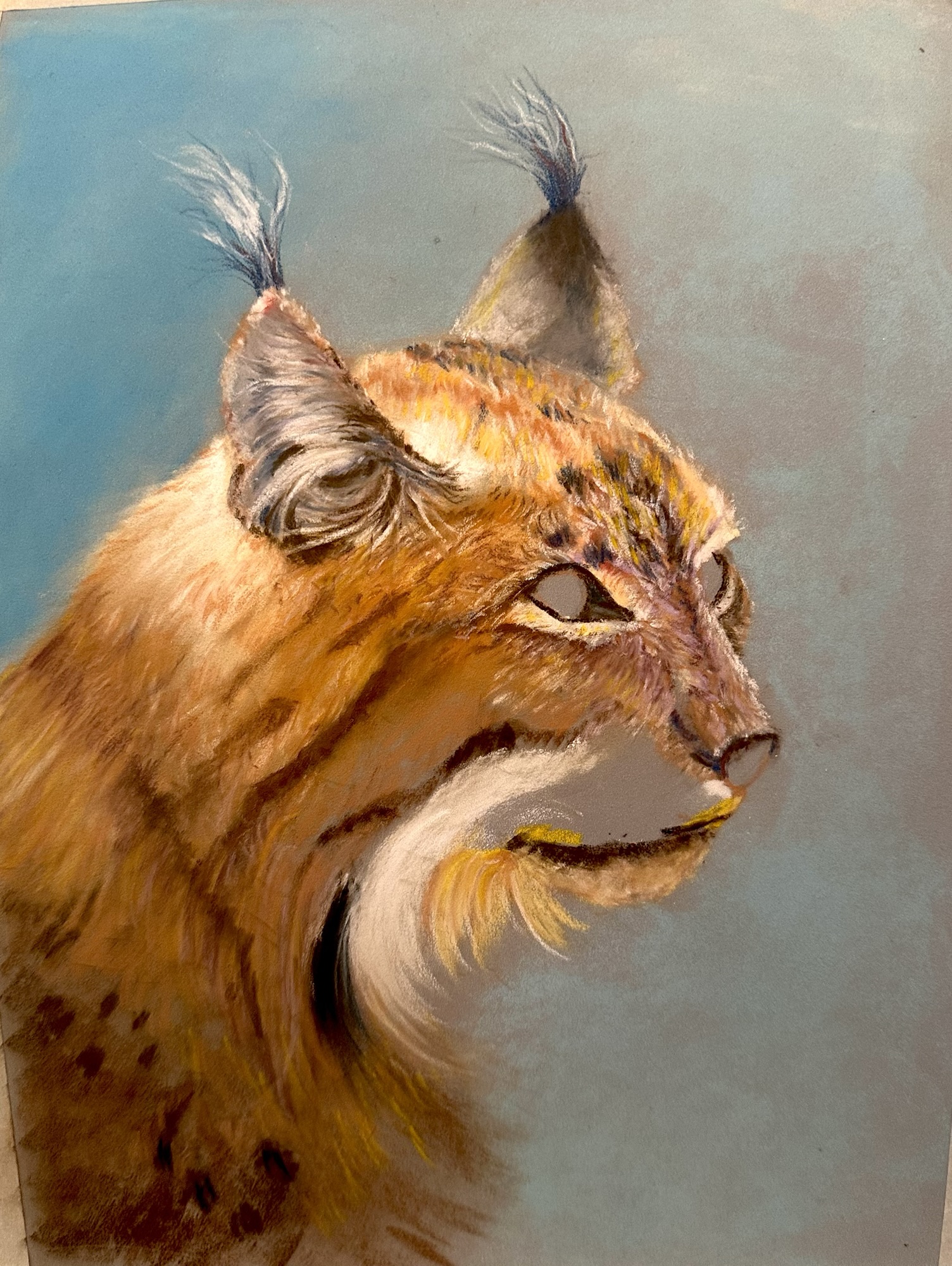
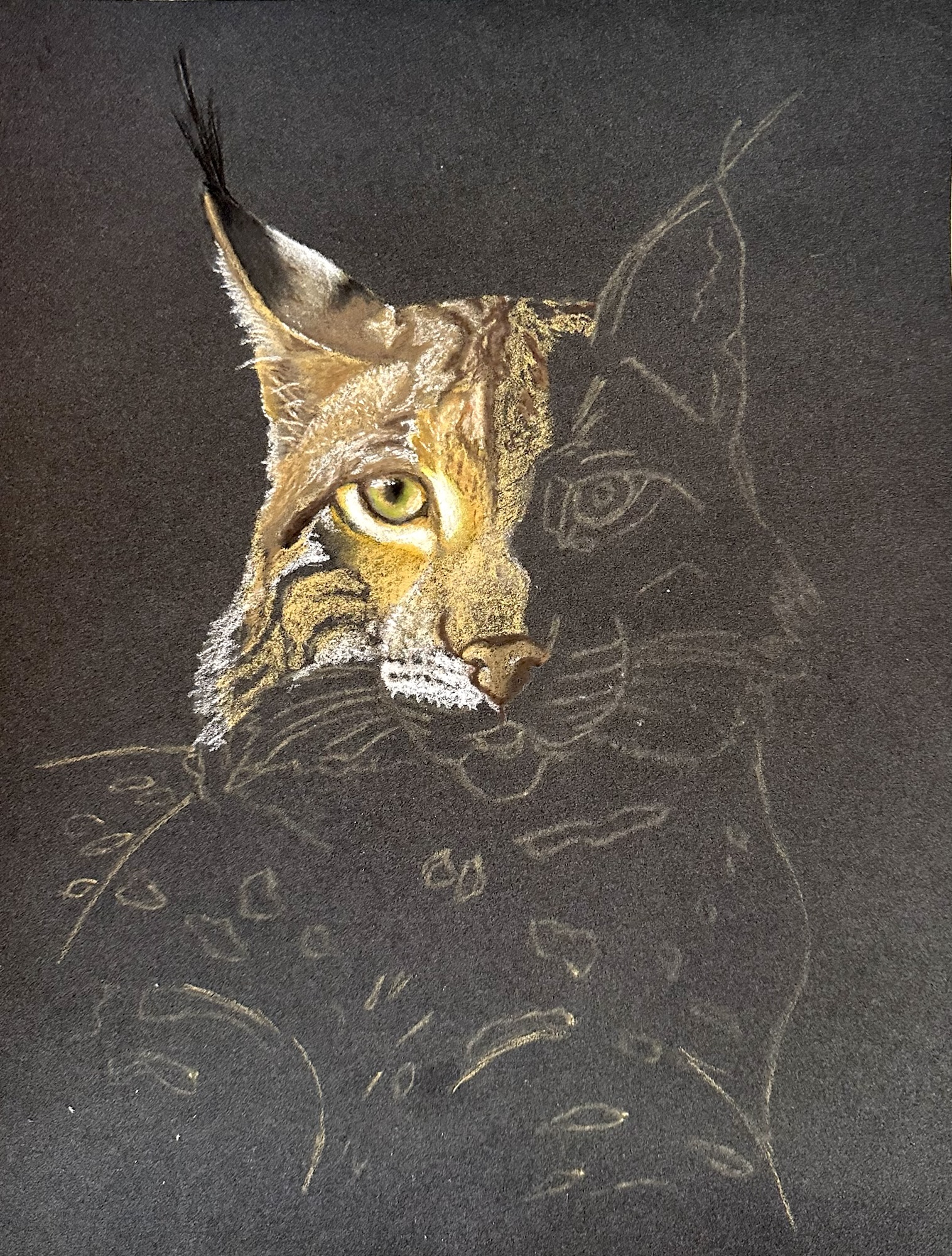
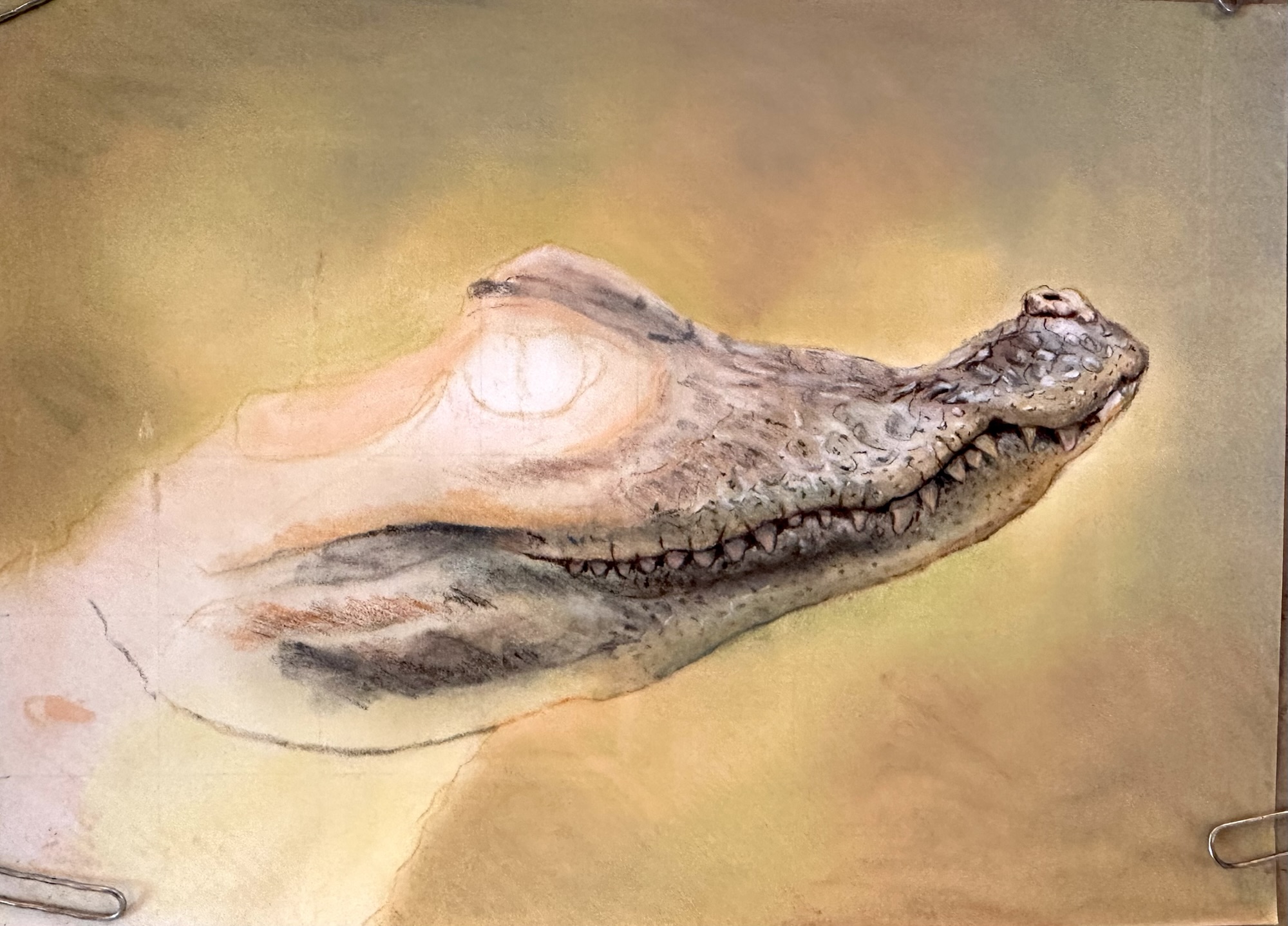
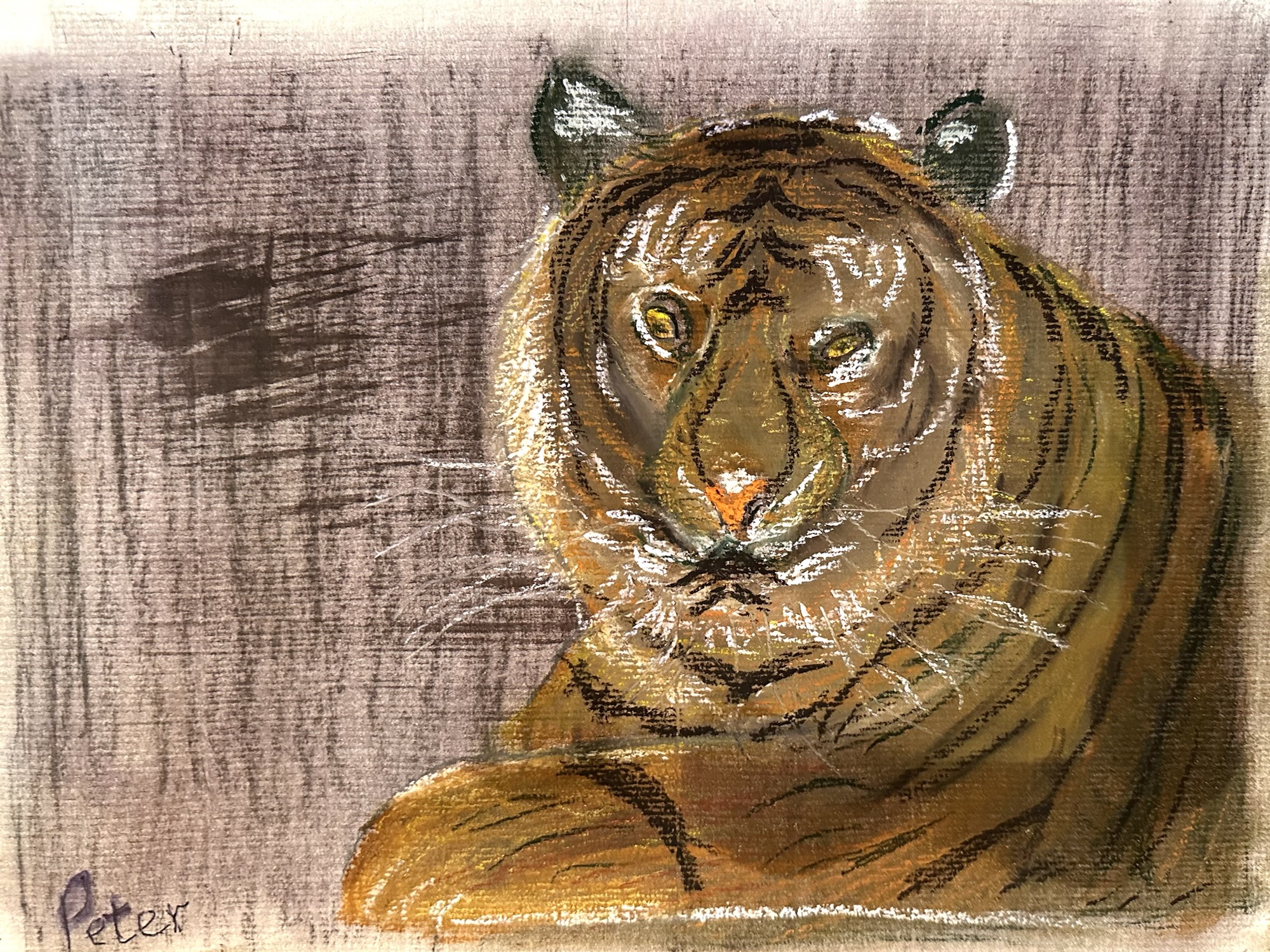
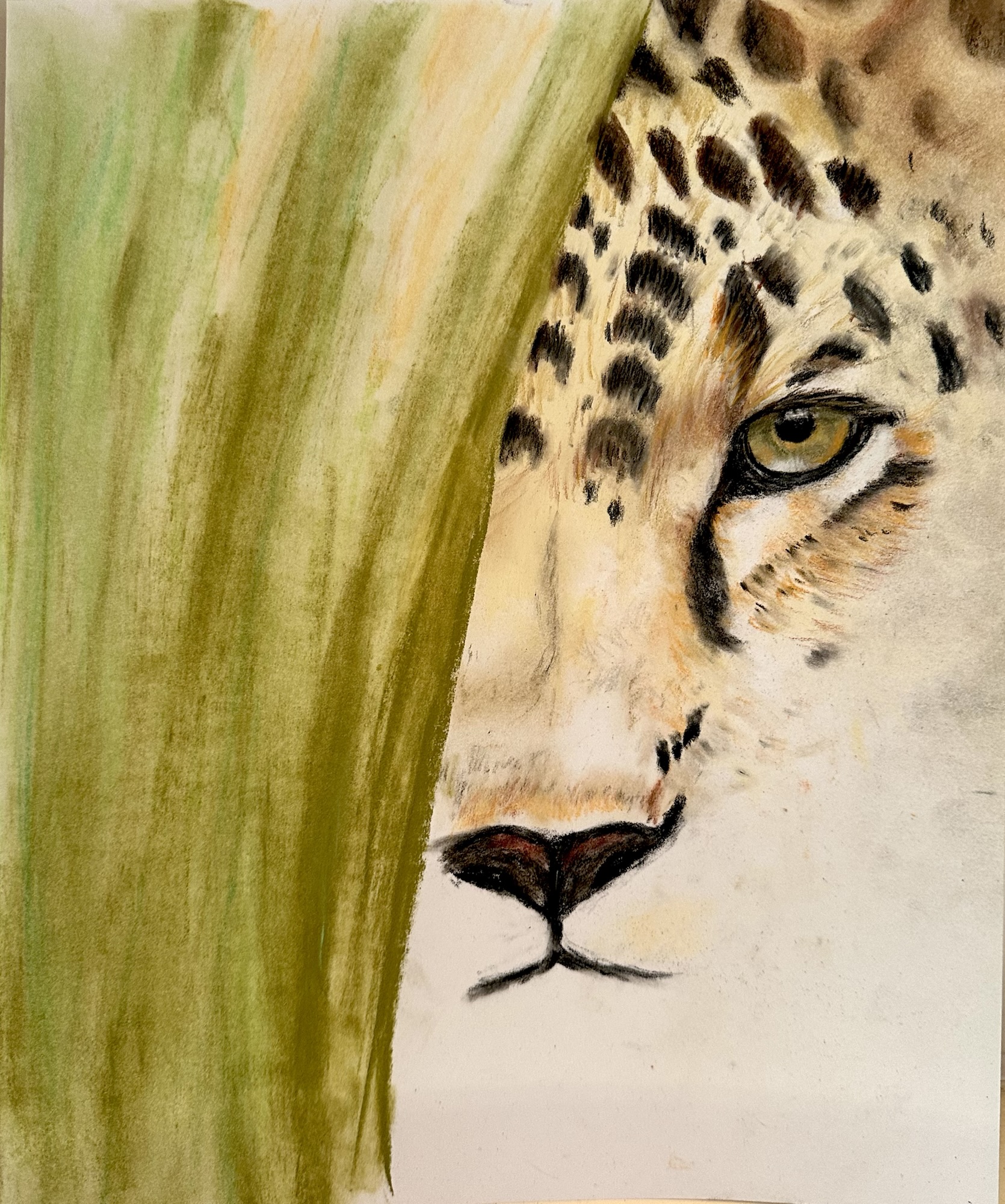
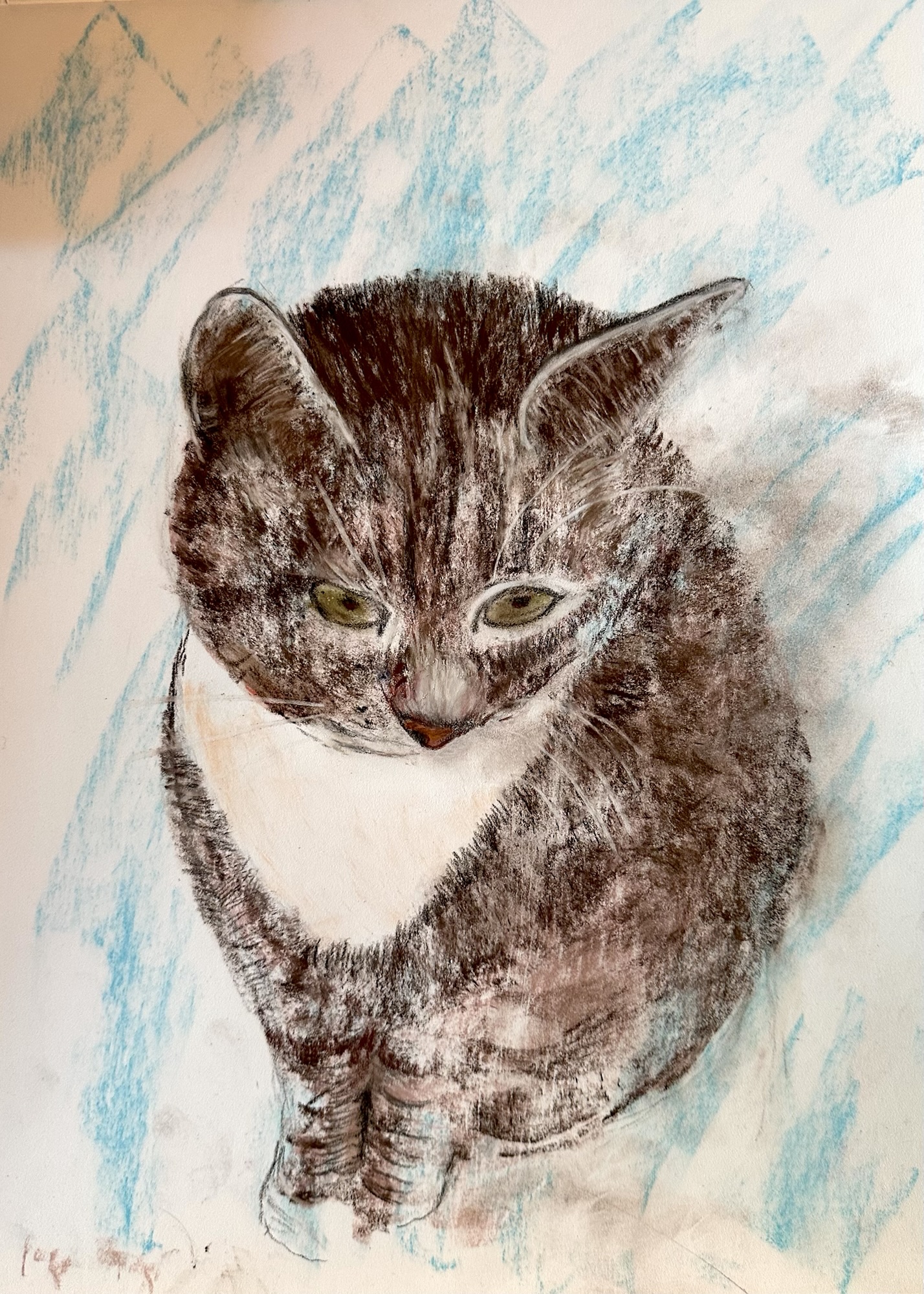
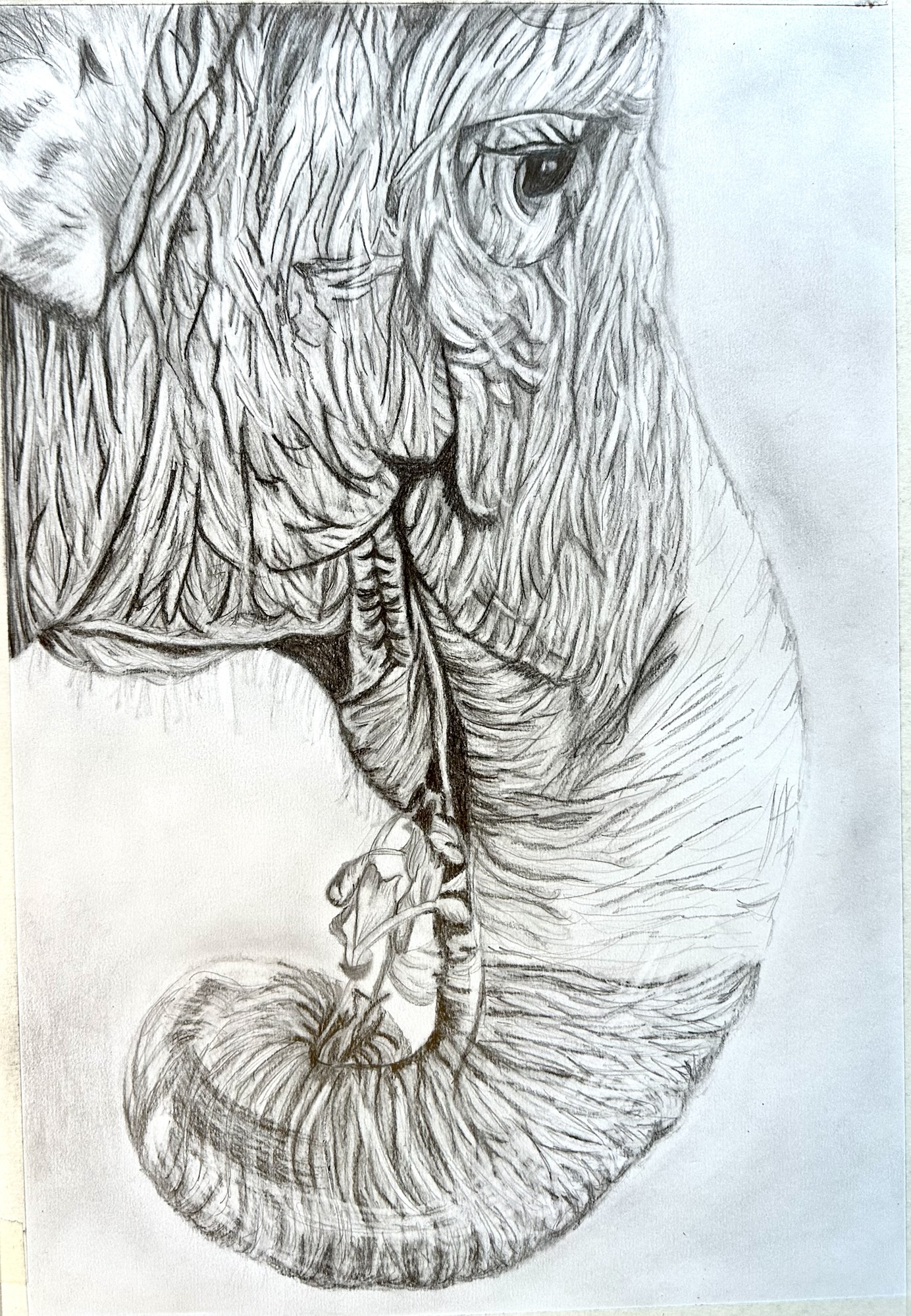
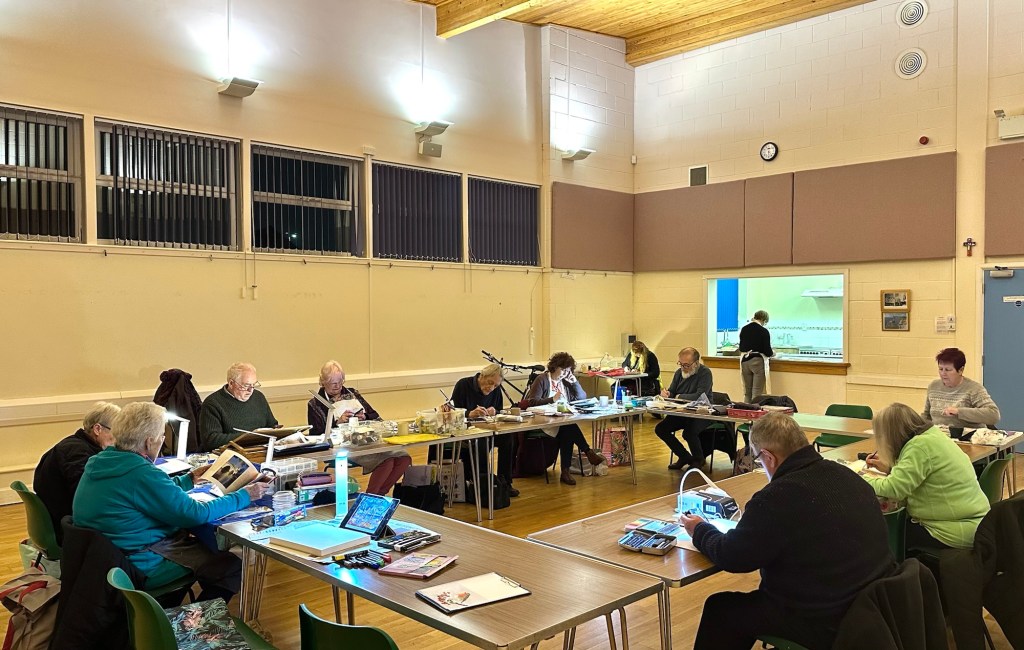
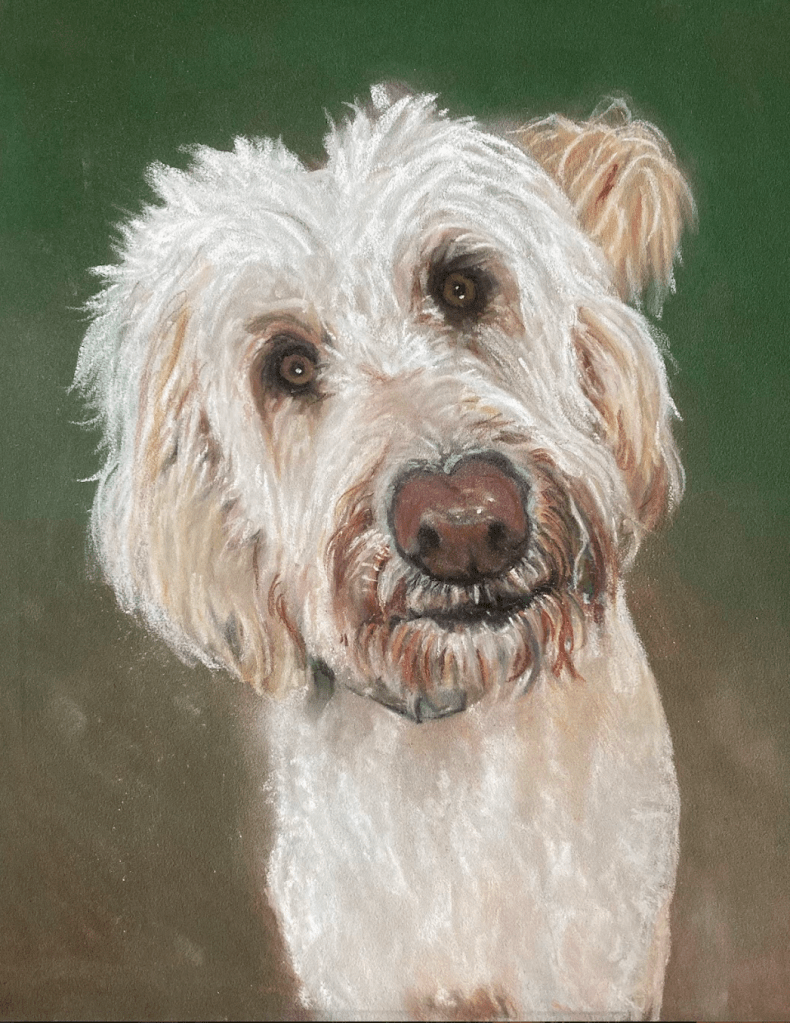
Fourteen members enjoyed an animal coloured pencil workshop run by local artists Liz and Helen. They met at Gravesend Art Group and both love creating pictures of animals using coloured pencil techniques learnt through online courses. Here are examples of their work that they sell at exhibitions and they also take commissions (apologies for the reflections of the hall lights). It’s amazing artwork with so much detail to look at.

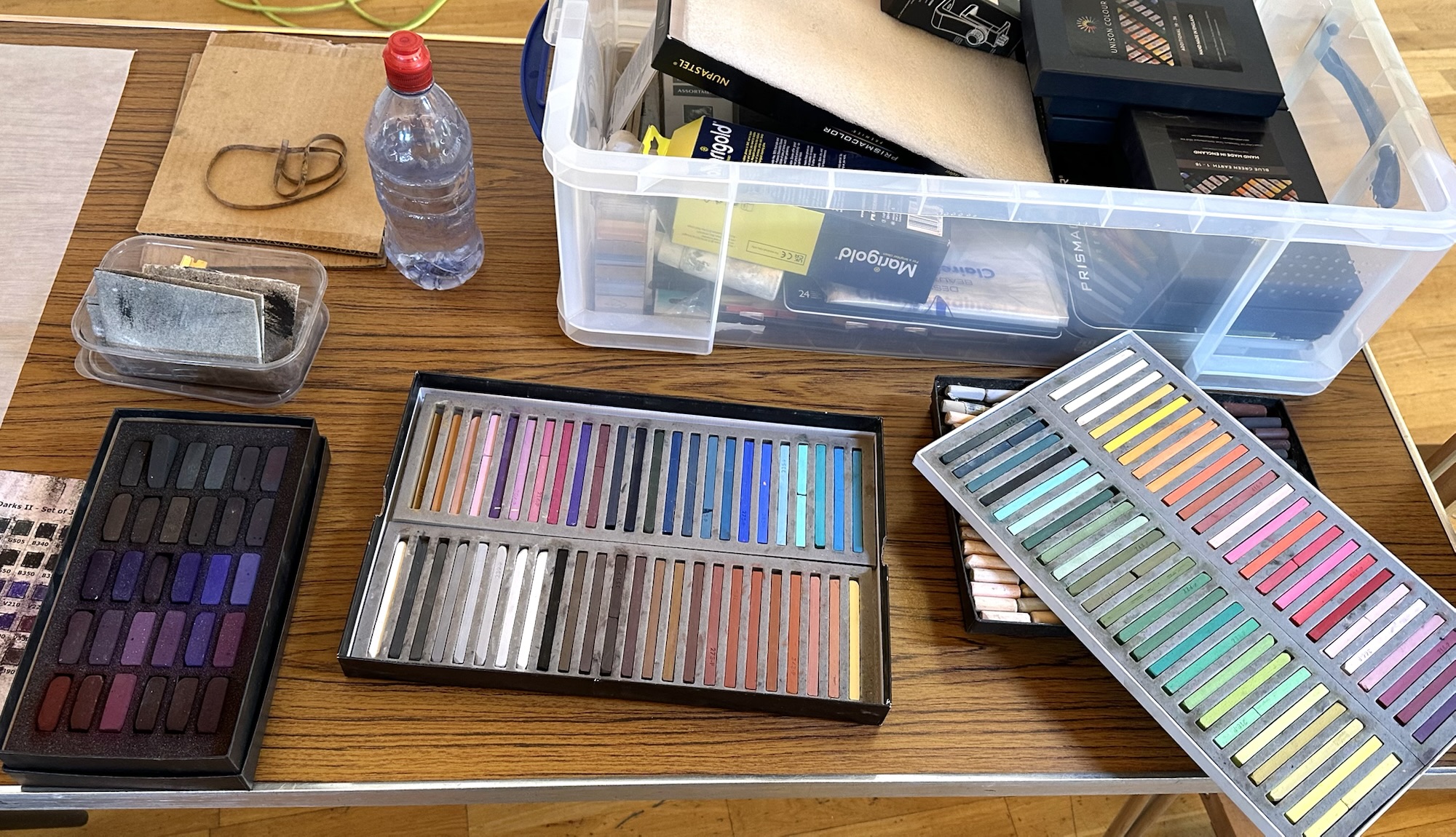
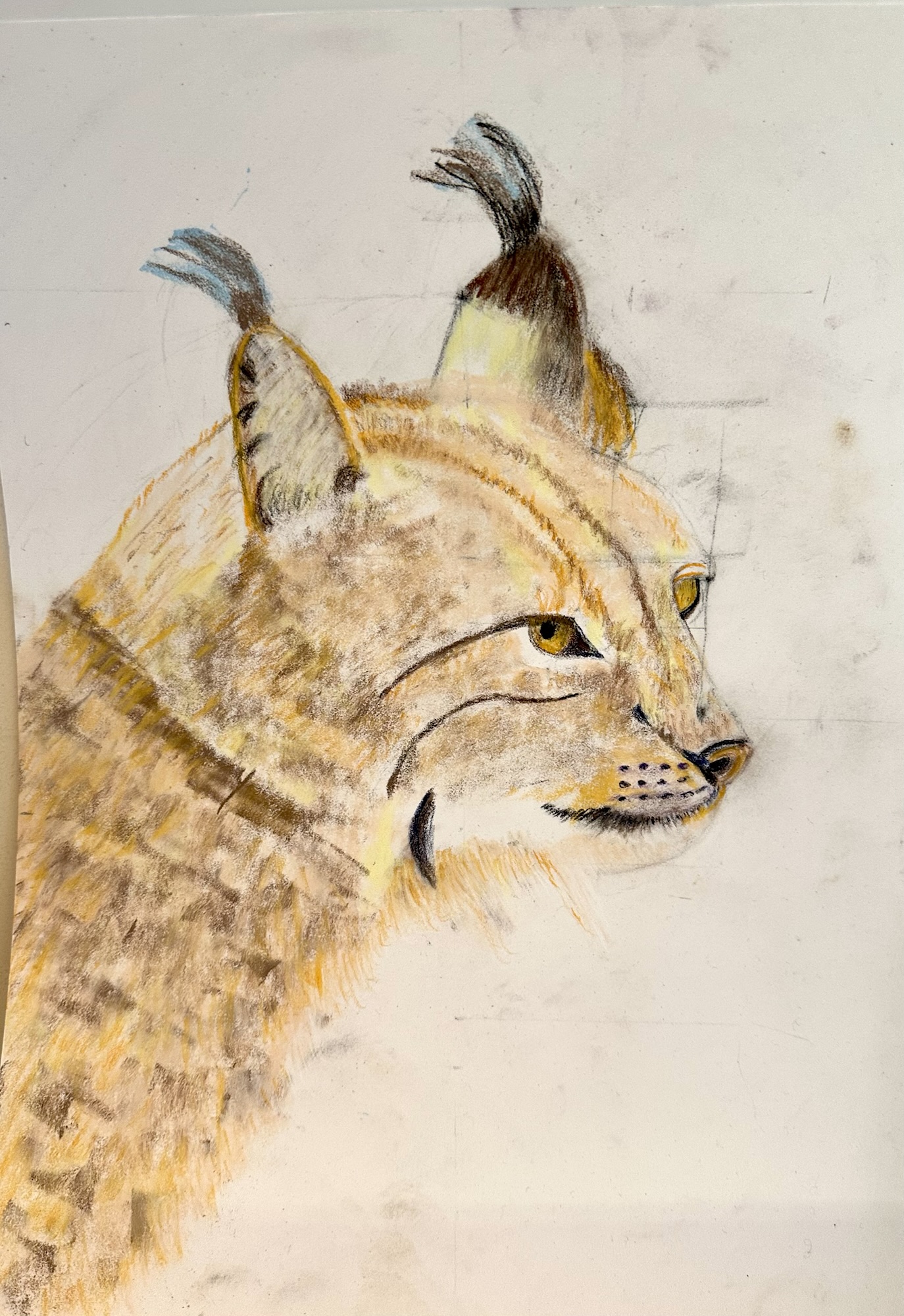
Helen made up packs of sheets of information for us to use and Liz showed us how to colour the eye, nose and fur. By learning these three basics we can go on to create a picture of an animal of our choice. Both ladies walked around all day showing people individually how to lay the colours down and generously loaned their extensive coloured pencil collection for everyone to use, along with their ceramic slices and erasers.

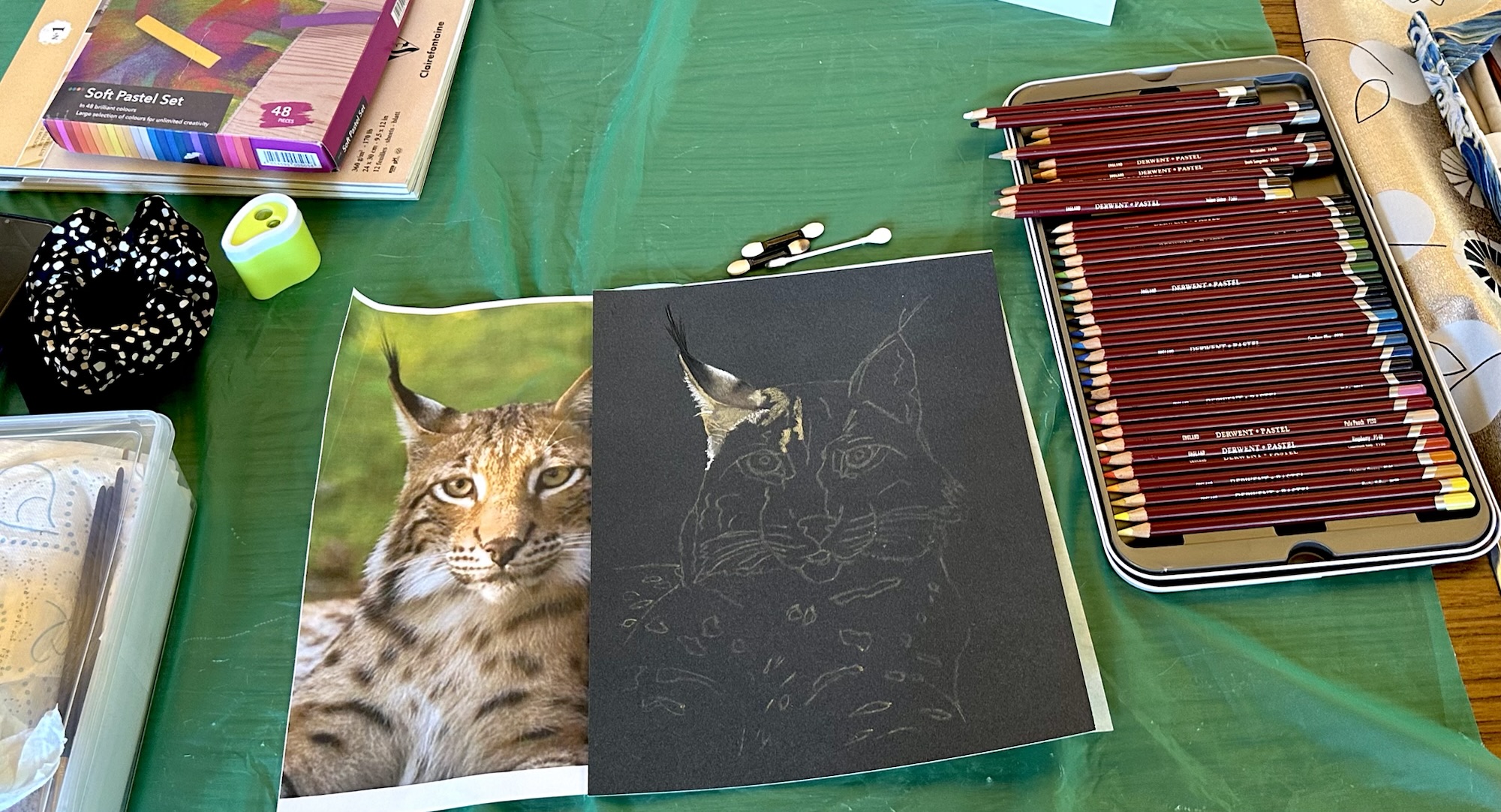
No one had drawn on drafting film before and we were all surprised how well the colour layers could be built up. We put a smooth sheet of hot pressed watercolour paper or cartridge paper underneath the drafting film so the colours could be easily seen. The Tombow Mono erasers were useful for removing tiny areas of colour as the eraser head is so small and the ceramic slices used to remove areas of colour for highlights and individual strands of fur.

We all completed the eye, nose and fur and although we used the same templates the pictures look individual as we used many different coloured pencils in browns, reds, yellows and greys. Everyone was pleased to learn so much throughout the day, especially using the drafting film.

We’re all looking forward to drawing our next animal on the extra drafting film sheets which were given to us. When you finish your picture please email a photo to Tracy to be included in a future blog post.

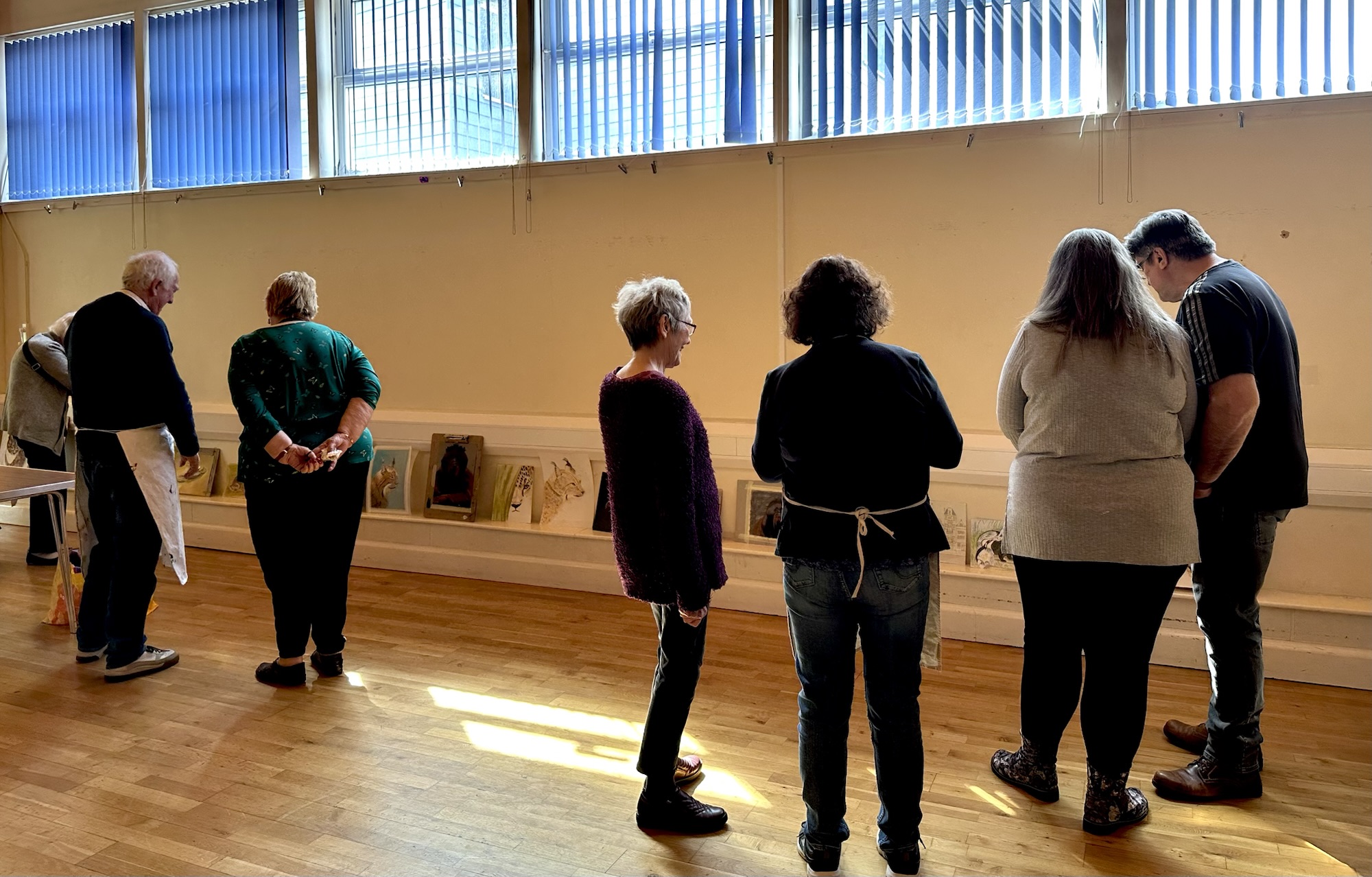
Here are the finished pictures which were on the ledge at the back of the hall. (Apologies not to get the ones left on tables whilst we cleared up.)

Well done everyone you did really well and a huge thank you to Liz and Helen for such an informative workshop!

Our next session is on Wednesday 13th November 7-9pm, then it’s hanging evening on Friday 22nd November from 7pm and Open Day on Saturday 23rd November. On Open Day we meet from 10am with visitors from 10.30am to 2.30pm.
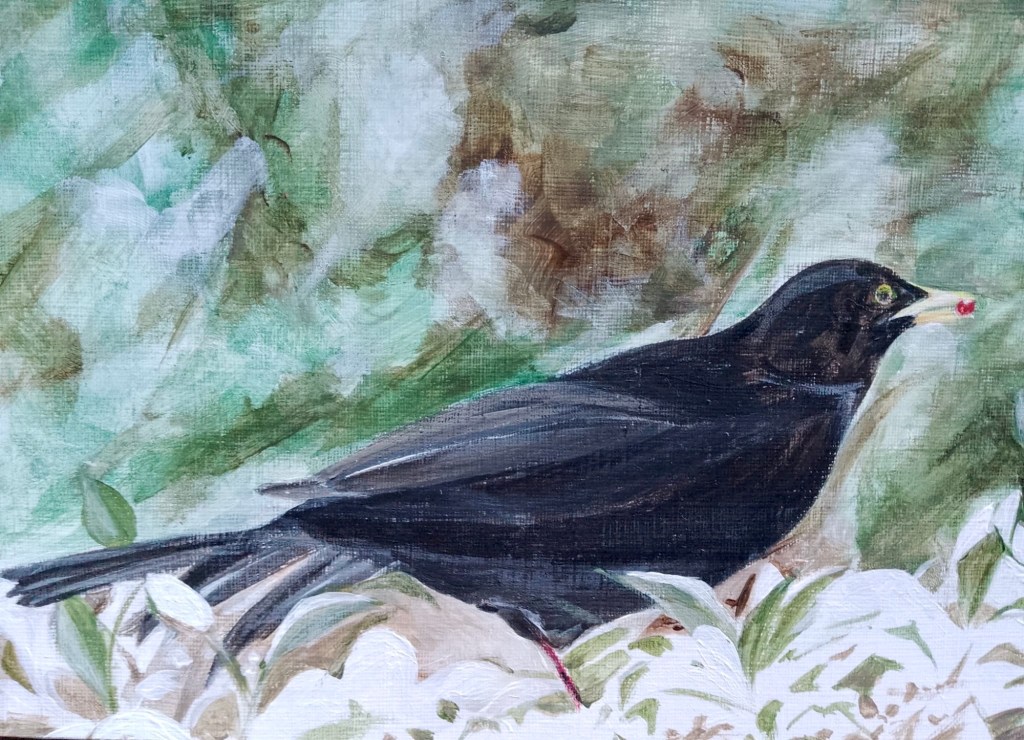
Finished horse pictures

The subject of George Stubbs and his horse paintings was popular last month and several pictures were started. Four have now been finished…

Mary found an adorable photo of a huge shire horse and donkey foal in a newspaper, drew it carefully and painted it in watercolours.

Angela used pastels for her horse picture, using rich browns and tan colours for her bold horse head portrait.

Janet W printed words about Stubbs on to Bockingford watercolour printer paper and painted a picture of Whistlejacket over the top in watercolour. She used the watercolours quite dryly so the words didn’t smudge. The painting is already framed as has just been exhibited in a Gravesend Art Group exhibition in the St.George’s Art Centre.

Tracy chose the Triumphal Quadriga as her subject, otherwise known as the Horses of Saint Mark, in St.Mark’s Basilica in Venice. Believed to have been sculpted in the 2nd or 3rd century CE in Rome or possibly the 5th or 4th century BCE in Greece, they were displayed for centuries at the Hippodrome of Constantinople until the sack and looting of the city by Venetian forces in 1204 during the Fourth Crusade. The four horses were then mounted above the entrance of the basilica in Venice until they were looted by Napoleon in 1797 and taken to Paris, but were returned to Venice in 1815. Copies of the four horses are now outside St. Mark’s Basilica whilst the originals are displayed inside under spotlights which highlight the original mercury gilding that remains.

Tracy started with brown paper and used black, white, yellow, orange and brown coloured pencils to create her picture of the horses.

Well done everyone! It’s always interesting to see finished pictures which were started at previous sessions.

The next session is at the hall on Saturday 28th September from 10am to 3pm.
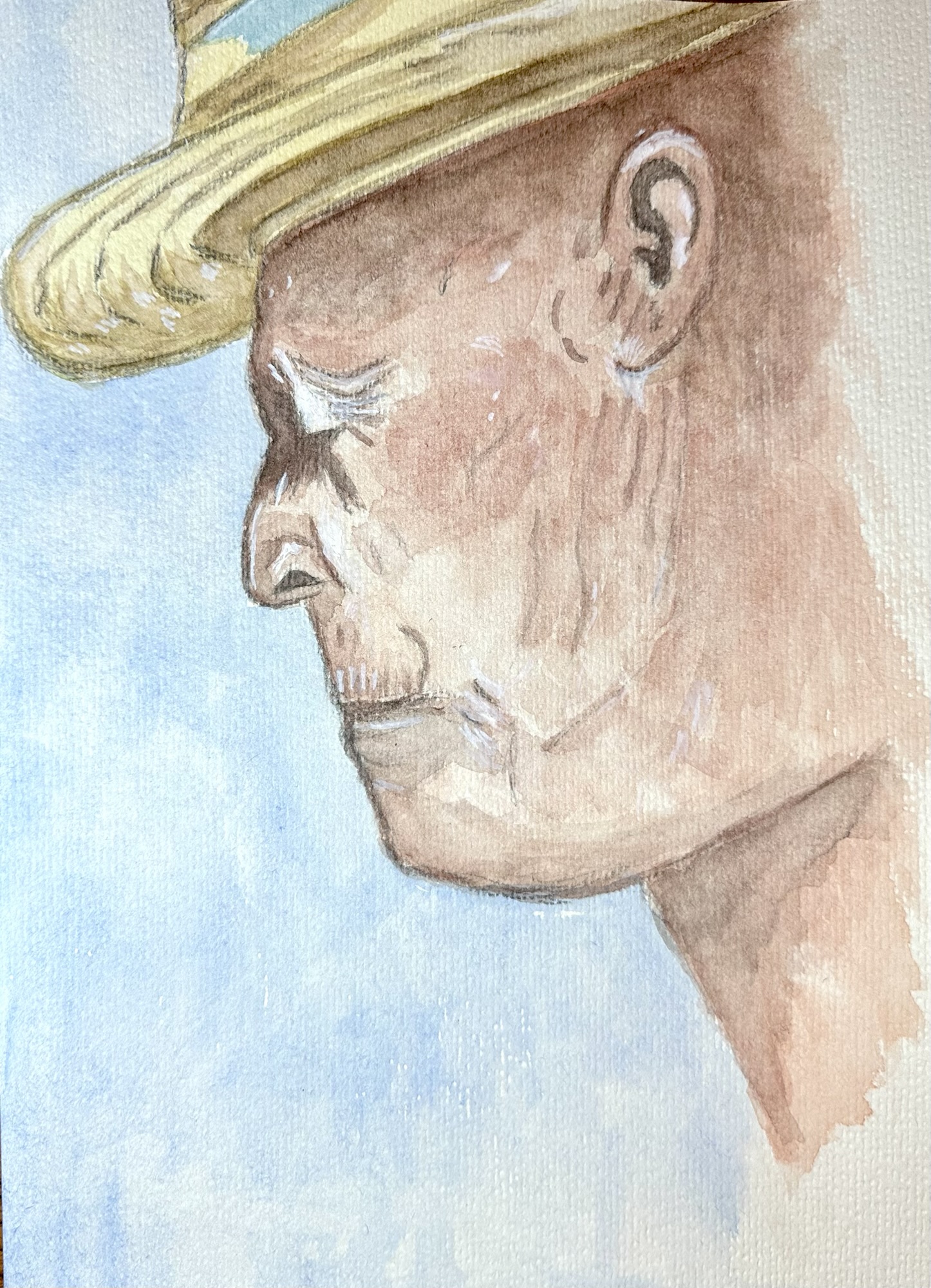
Finished pictures

We have so many different subjects in our sessions that we often start pictures but don’t get around to finishing them.

Here are several pictures that were finished at home from sessions on Frida Kahlo, painting on a book page, Underwater Life, In an English Country Garden, and Chalk Church.

Brenda’s colourful picture of Frida Kahlo is in pastels as are her images of the dragon and the parrot on a dictionary page. The cockerel is painted in watercolours.

Steve’s posterised image of Frida Kahlo was painted in acrylics and the other in black pastel on grey pastel paper with a dramatic pop of lip colour in pink. Chalk Church was created when we visited last month, again in pastel but using many colours for a realistic picture.

Tracy’s images of Frida Kahlo were painted in watercolours, as were the underwater eagle spotted rays. The cottage garden at Sissinghurst is in coloured pencils, lightly pressed on to the paper so the finished effect is delicate.

Well done, it’s great to see all your finished pictures!

Steve’s dictionary pages

Steve’s surname of Goldson isn’t in the dictionary so he used the pages with the words ‘gold’ and ‘son’ on to create images of other words on the pages. He used soft pastels to draw a golden eagle and a man wearing a sombrero.

Very imaginative, Steve. Great colours and details you’ve achieved with the soft pastels, well done!

Frida Kahlo – July 2024 – Wednesday

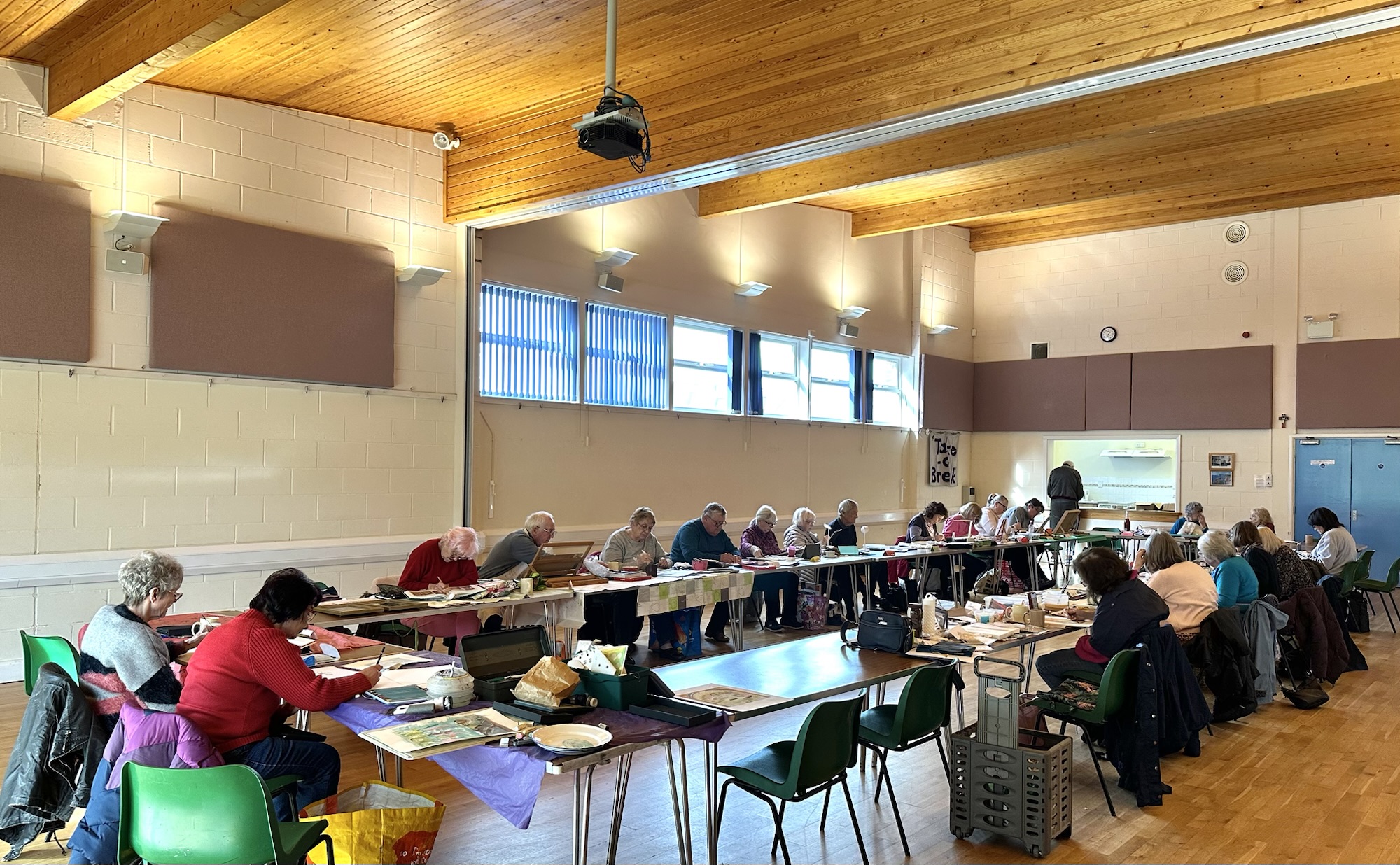
Just 7 members attended the session yesterday evening, with several members away on holiday or others watching England in the Euro football semi finals. We had a good natter and enjoyed creating our pictures to do with the life of artist Frida Kahlo.

Several portraits by Brenda, Steve and Tracy, a flower study of similar blooms Frida wore by Myrna and a picture by Angela of the Casa Azul (the Blue House) Frida’s family home were started and will hopefully be finished at home. Chris couldn’t attend the session but completed a portrait at home, sending a photo for inclusion. If you do draw or paint the suggested subject at home, please send a photo to Tracy or Steve and they’ll be happy to add to it the relevant post.

Here are our pictures, including a photo of Tracy wearing a t-shirt and holding a bag and tin all with Frida Kahlo’s image on.

Patrick drew a picture of the Frog Princess.

Two more dictionary pages have been finished and they will be shown in the next post.

Our next session is at Chalk Church on Saturday 27th July from after 10am to just before 3pm

Graham’s dictionary page experiment

Graham chose several pages from the dictionary to paint on, but before he starts he tried painting on a spare dictionary page to experiment with how much water to use with watercolour and gouache paints and he tried using a pen too. His process is really interesting and is useful to everyone who has painted a dictionary page or who wants to paint one, especially his technique of mounting the page on scrap board to start with. The dictionary will be brought to future sessions in case anyone wants to paint more pages.

In Graham’s own words and photographs…

“I was determined to test the Dictionary Page paper to see how much abuse it would take.  Firstly, I mounted it on some scrap board. This gave it rigidity. Then I drew on it, deliberately doing a fair bit of rubbing out and re-drawing.

For the background watercolour wash I adopted my usual procedure of wetting the paper, then putting in very faint wet washes, and as the paper dried, ever stronger and less wet washes.  The paper stood up to this exceedingly well. It might be interesting to see how the page reacts when fixed to watercolour paper.

When this was all dry, I tried painting the rear figure with equally wet into wet washes. This failed abysmally.  All the washes bled beyond where I had applied them, and they did not mix well.  When dry, to try to redefine the edges of the figure, I applied some white gouache tinted with the background colours.  

For the man with the umbrella I tried applying the watercolour with a 50/50 mix of water and gum arabic.  This thickened the paint and stopped it bleeding but left it looking very streaky and unsightly.

For the man on the bicycle I mixed all the colours in the palette and applied them with a fairly dry brush, often taking most of the wet paint out of the brush with a tissue.

Once all the paint was dry I applied fresh colour to several of the washes on the other two figures.  These were similarly applied fairly dry paint.  The paler colours were again mixed with gouache so that under washes would be covered.

Finally, I did some ink drawing .. I’m not sure how successful that was.

This was all very experimental.  Glueing the paper down was certainly a good idea for me, and I will continue to do so when using a wet medium.  I was surprised how well the paper stood up to the original wet washes and to the number of layers of paint I could apply to the figures.  I used watercolour throughout. 
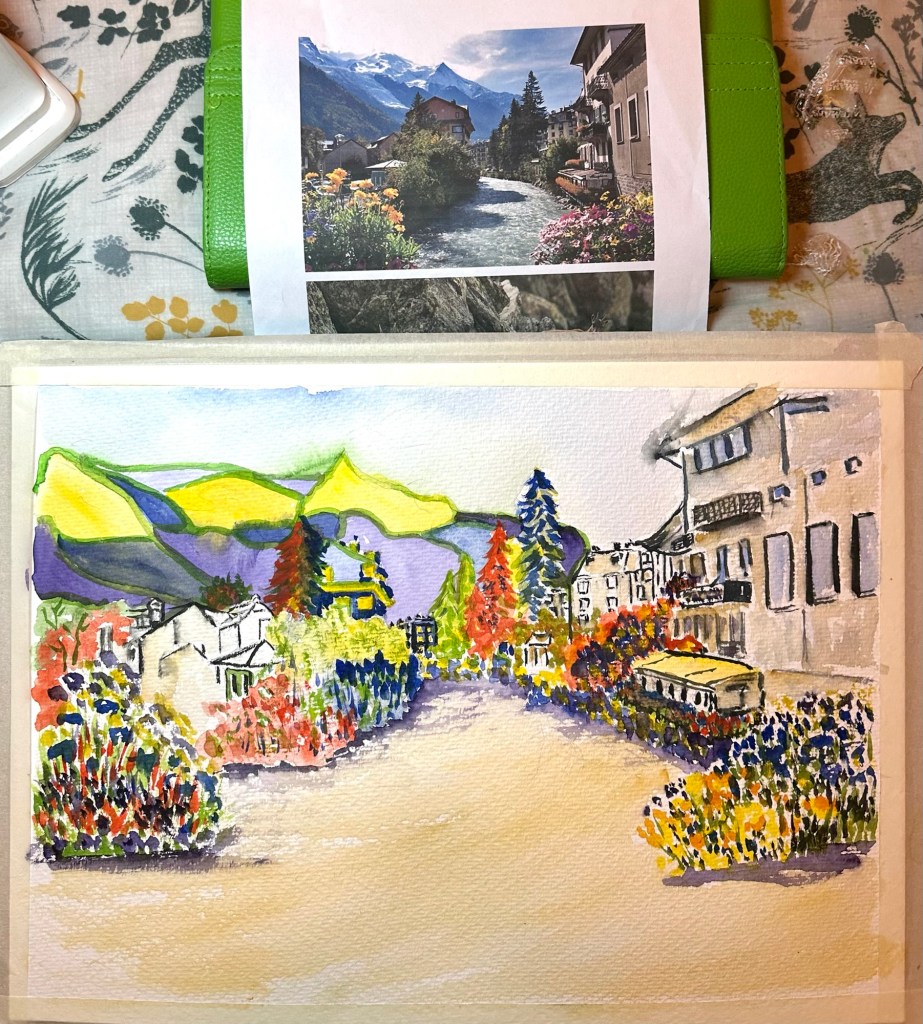
The lesson I learned was to apply it in a “dry brush” fashion.  Although I suspect Gouache and acrylic paints may well work better on this sort of paper I shall continue to experiment using watercolour.

Happy Experimenting and Painting 

Graham”

Thank you very much, Graham. To read your process from start to finish was very helpful and having the photos too made each stage easy to follow. Many of us have found that a dryer application of paint is the way forward and once one page is painted we want to paint several more!

Paint on a book page – June 2024- Wednesday

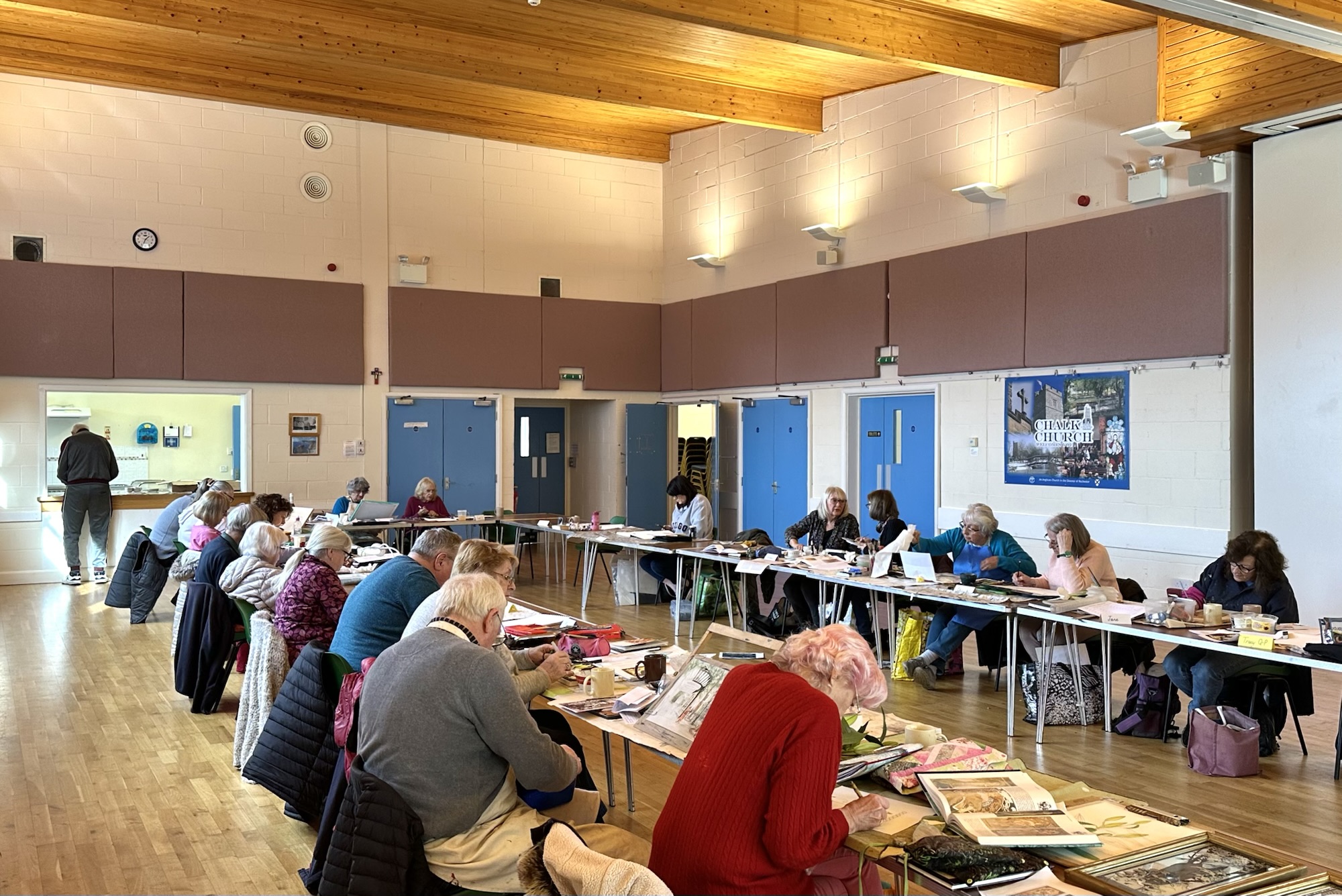
It was a quiet session with only eight members but what we lacked in numbers we made up for in creativity. Painting on a book page proved to be very satisfying with members painting on different types of paper, much thinner than our usual watercolour paper so we had to paint carefully. For those who didn’t bring their own paper there was a choice of books to choose from including a phone book, an RAC guide book, a couple of tatty old novels and a dictionary from eBay costing the huge sum of £1.79 including postage. No new or precious books were harmed during the session!

Removed from the dictionary were pages including the words married, wedding, sunflower and quokka. Words requested to paint another time include hare, lobster, crab, octopus and vulpine, so hopefully these pages can be shown when they’re finished.

Susan suggested this subject and we all agreed it was really interesting. She used a book about opera that had belonged to her late father. Watercolour was used to paint images from an opera on the page where that opera was listed and the paper absorbed the watercolours very well. A very clever idea, Susan.

Christine used an old map to paint a picture of Truro Cathedral on. The third photo shows the painting of Truro Cathedral in acrylics, just above the city’s name. An excellent way to use an old map as many of us have old maps just hanging around that we don’t look at any more.

Kay used the dictionary pages with the words marriage and wedding on to paint pictures of a bride and groom. They will be framed and given as a gift at a wedding she is attending later in the year. What a great idea for a unique present.

Wendy chose the dictionary page with the word sunflower on it and painted a bright and colourful sunflower in acrylics. The page accepted the acrylic paint really well.

Years ago Patrick typed a page about Zoroaster, the ancient Persian prophet. Instead of staying in a file the page has been used to paint an image of Zoroaster. In coloured pencil and pen the page has been repurposed.

Tracy chose the dictionary page with the work quokka on it. Look closely at the first photo for the definition of a quokka. She drew the animal in pencil and painted it in watercolours. Although the dictionary page is very thin, it accepted the watercolour paint well and the colours will be built up layer by layer, allowing drying time in between. There are other dictionary pages Tracy wants to paint but she may paint those in acrylics.

Angela gets a gold star for painting her two pages whilst on holiday in Devon. She had a National Trust magazine with her so used two pages to paint on. One she painted yesterday whilst chilling in the garden, the second today whilst 40mph winds blew outside. Typical British holiday weather! The first picture of a rose ties in nicely with our next session of ‘In an English Country Garden’.

Two members painted to their own theme. Denise repainted a friend’s garden plaque and Peta continued with her painting of a tram.

Well done everyone, there were some super ideas here.

The old books will be brought in to the next session, so if you missed painting on a book page you can cut out some pages to use. If there’s a particular word on the dictionary you want then email Tracy with that word and she’ll reserve the relevant page for you.

The next session is on Saturday 22nd June from 10am to 3pm.