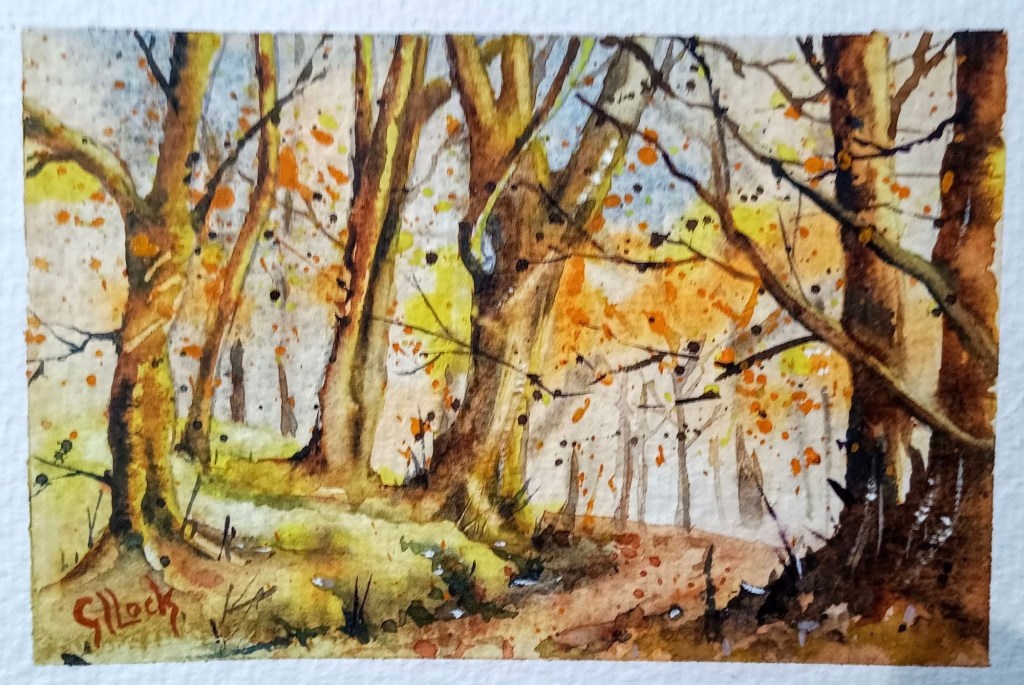
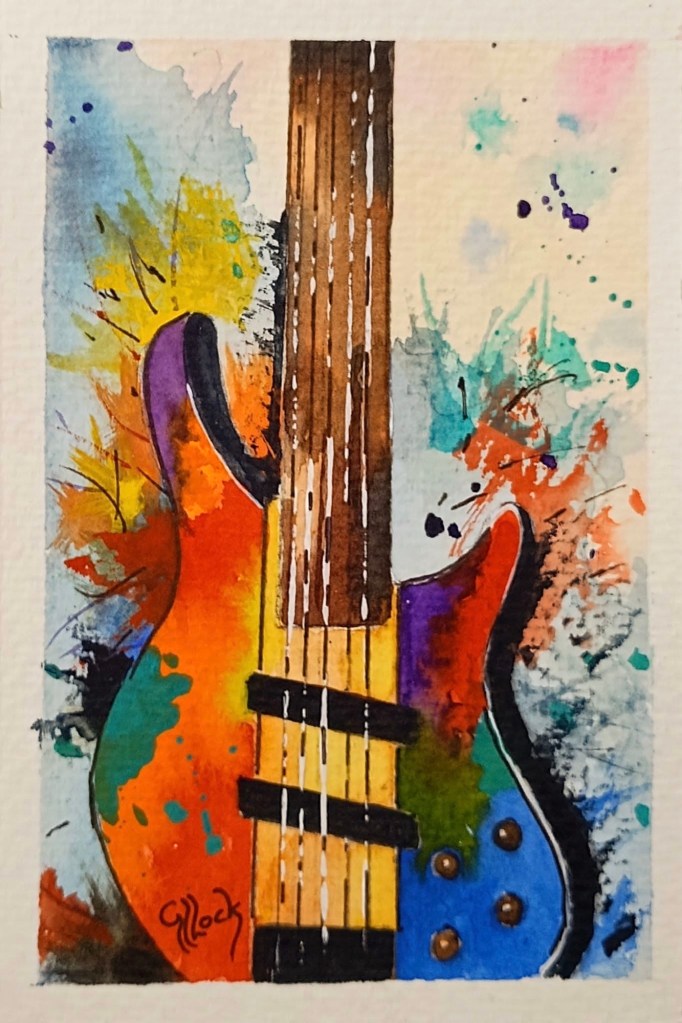
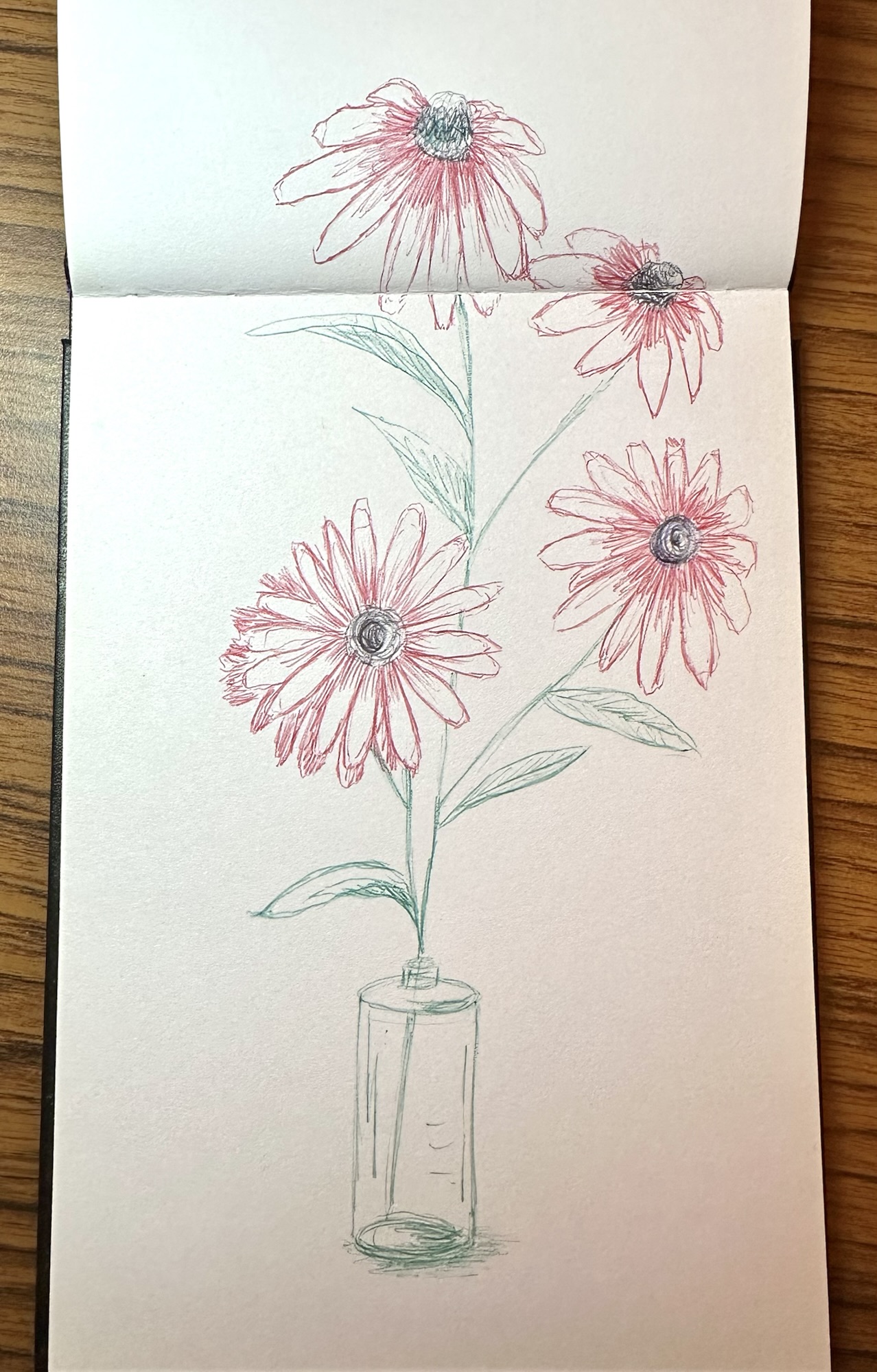
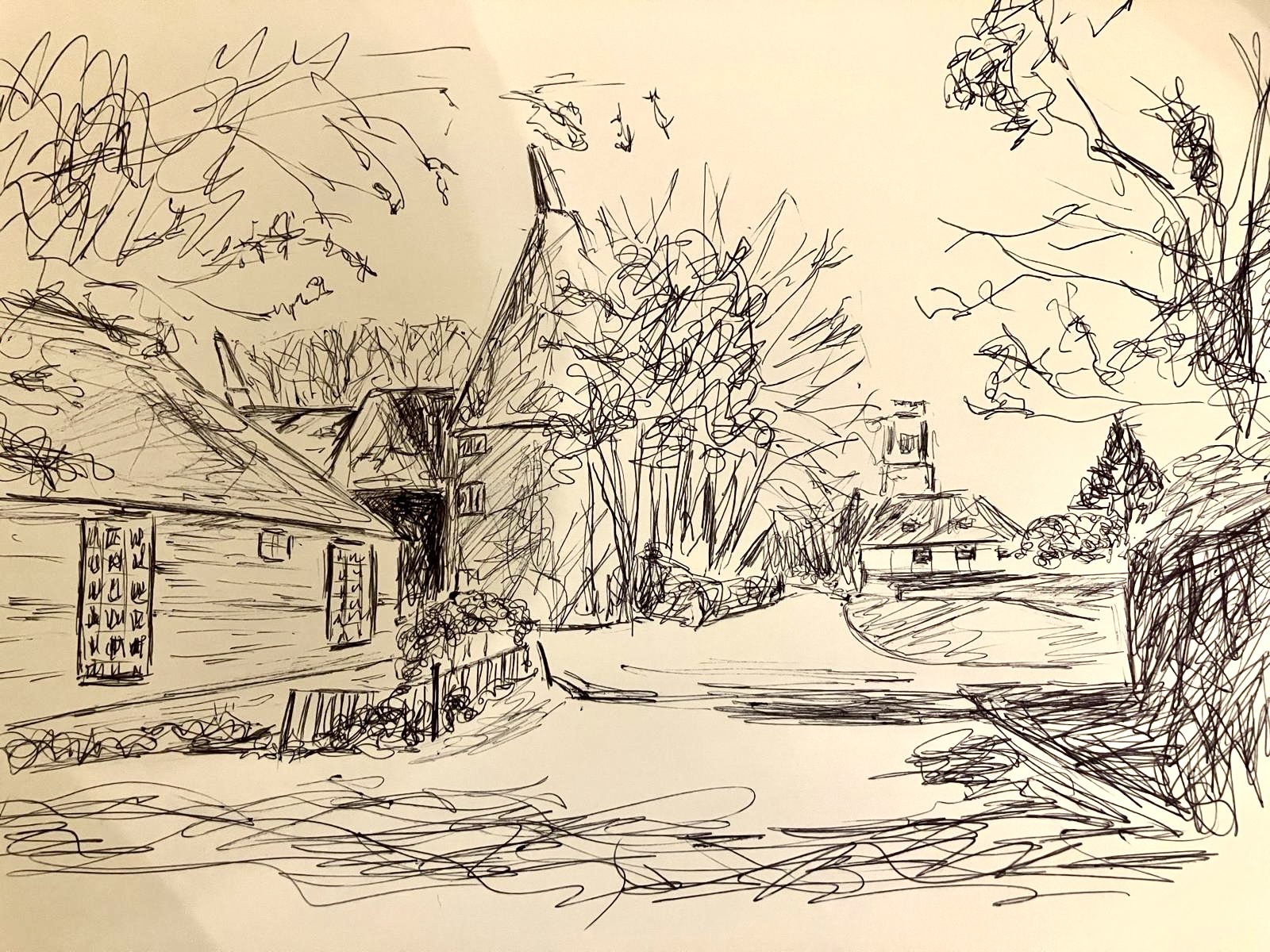
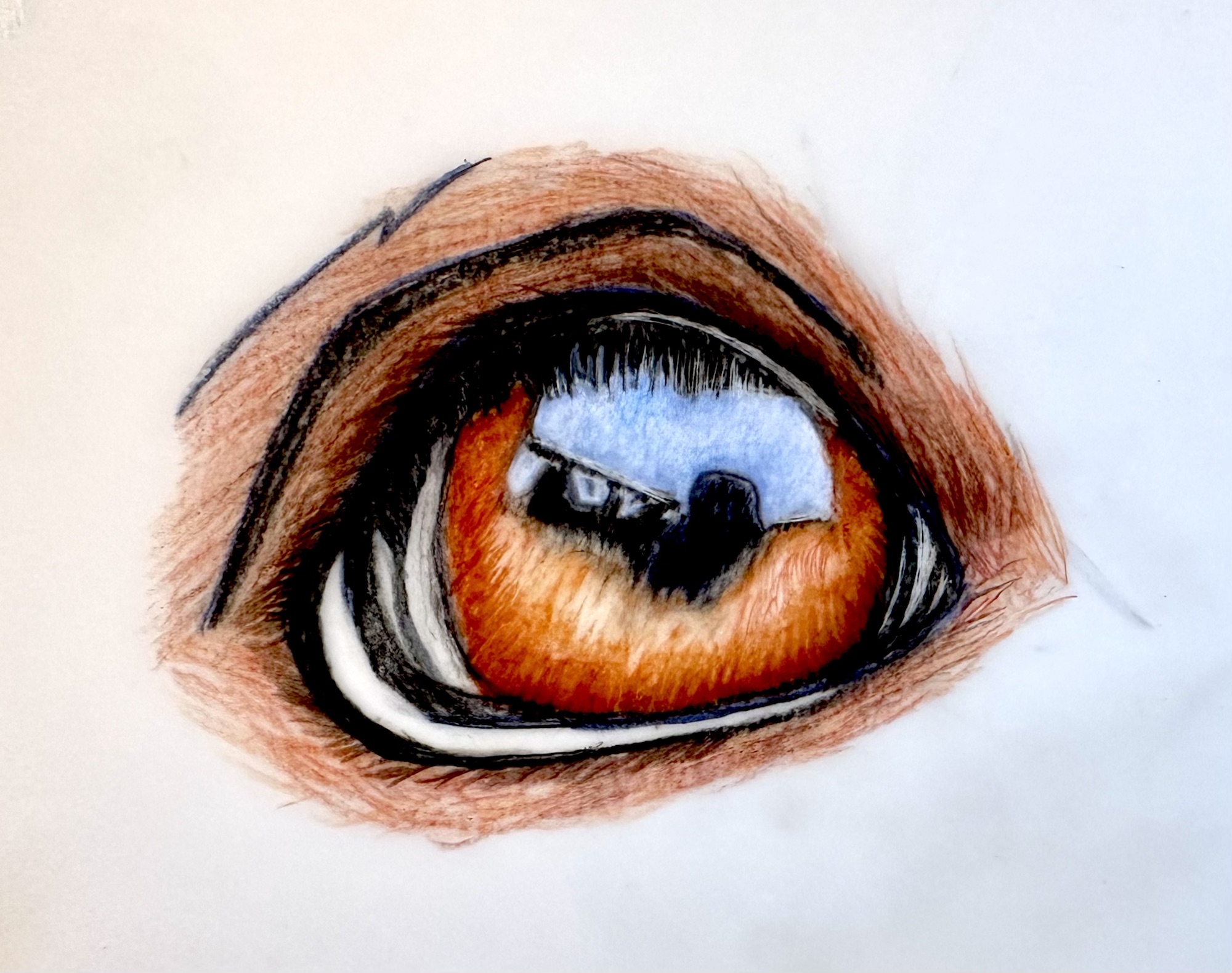
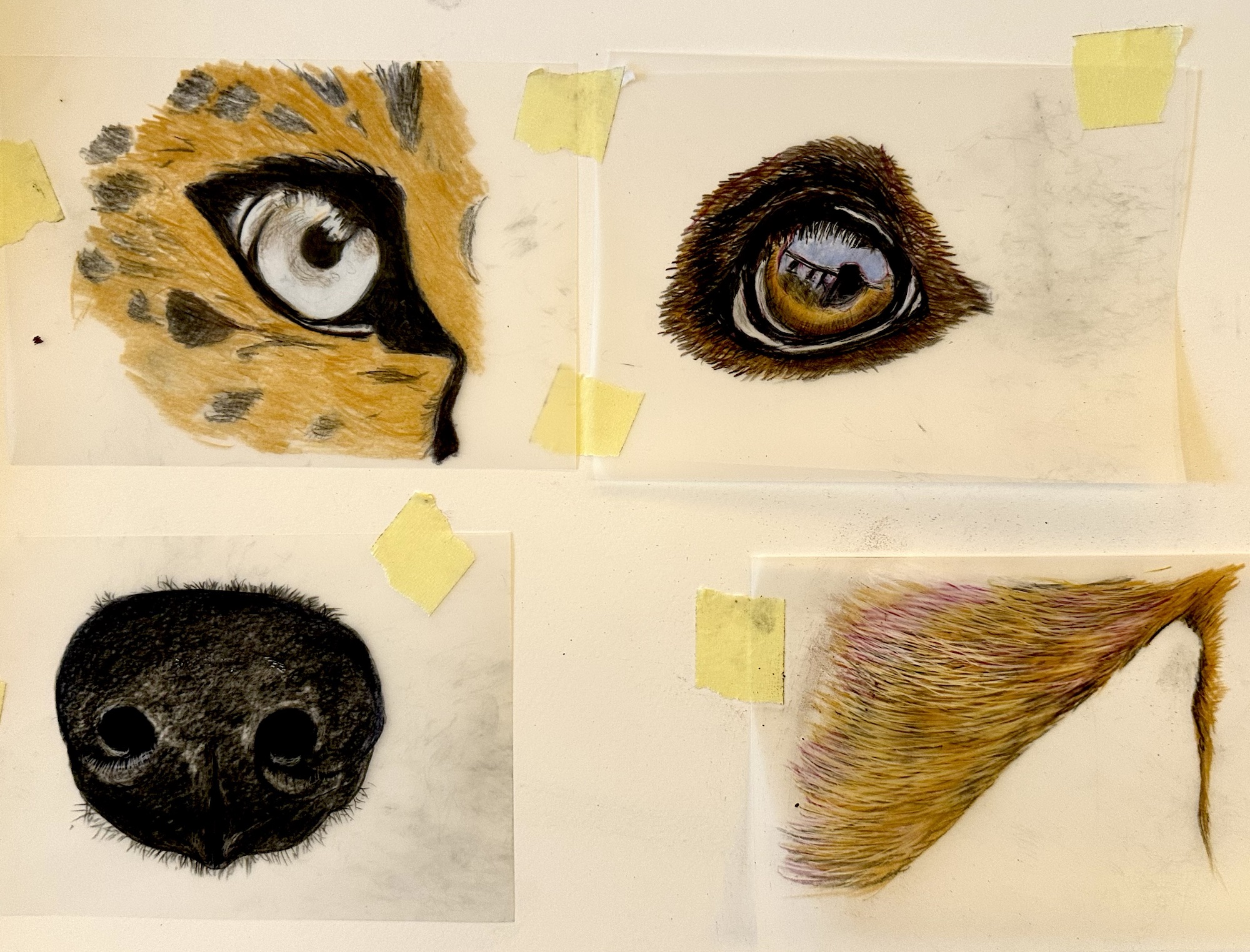
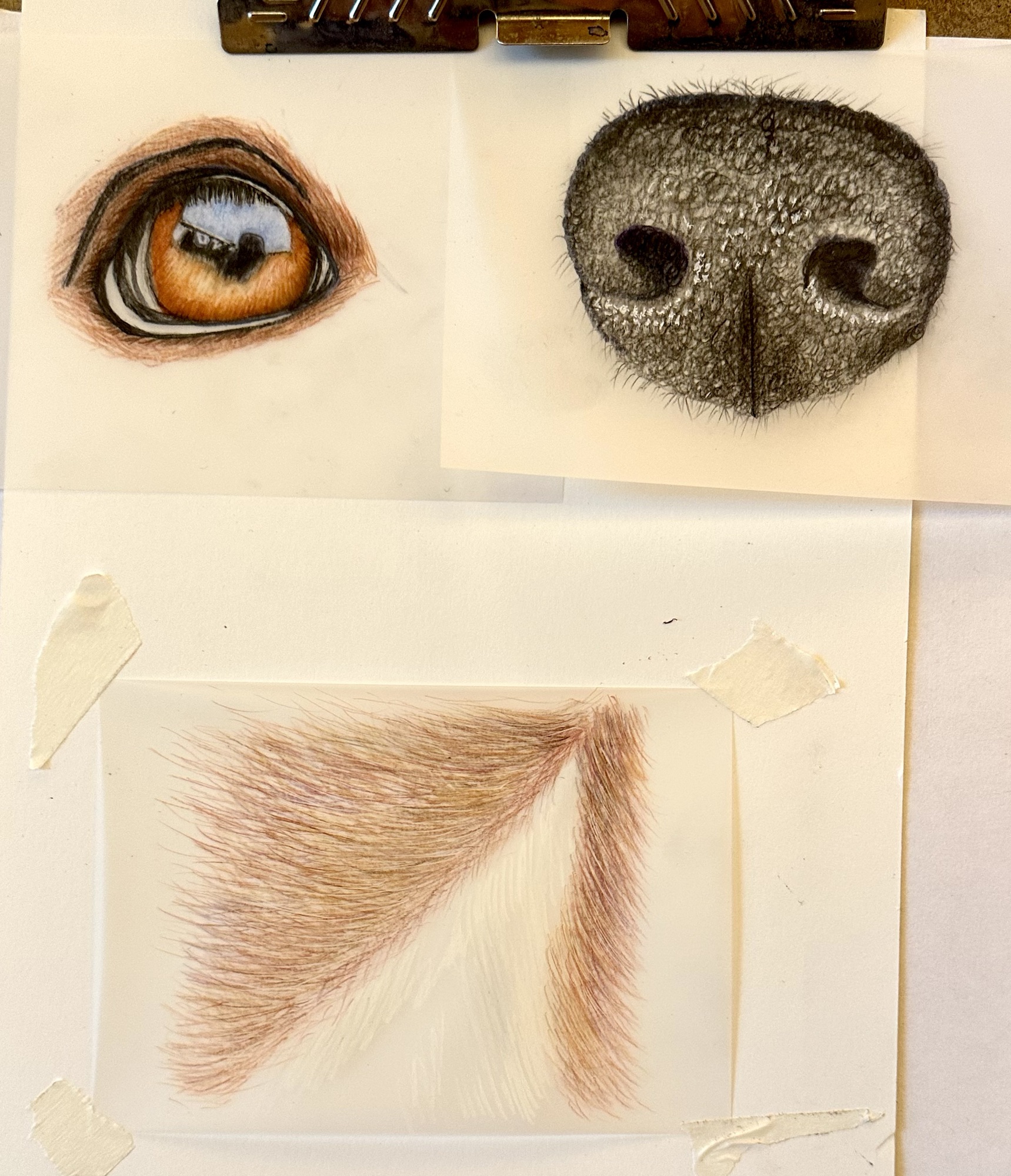
Finished pictures

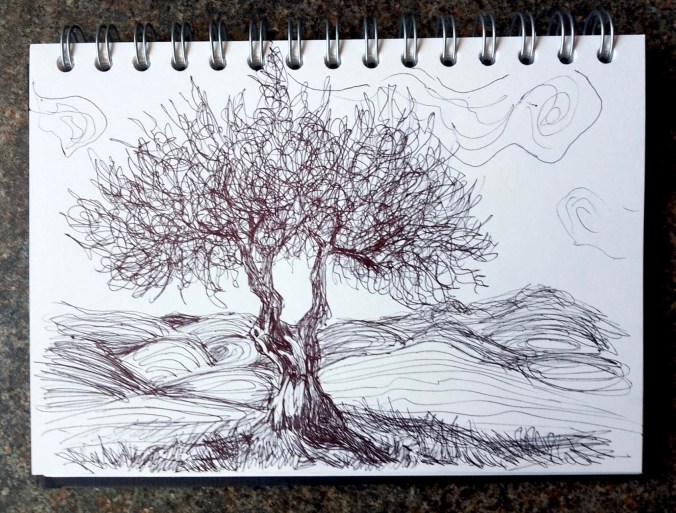
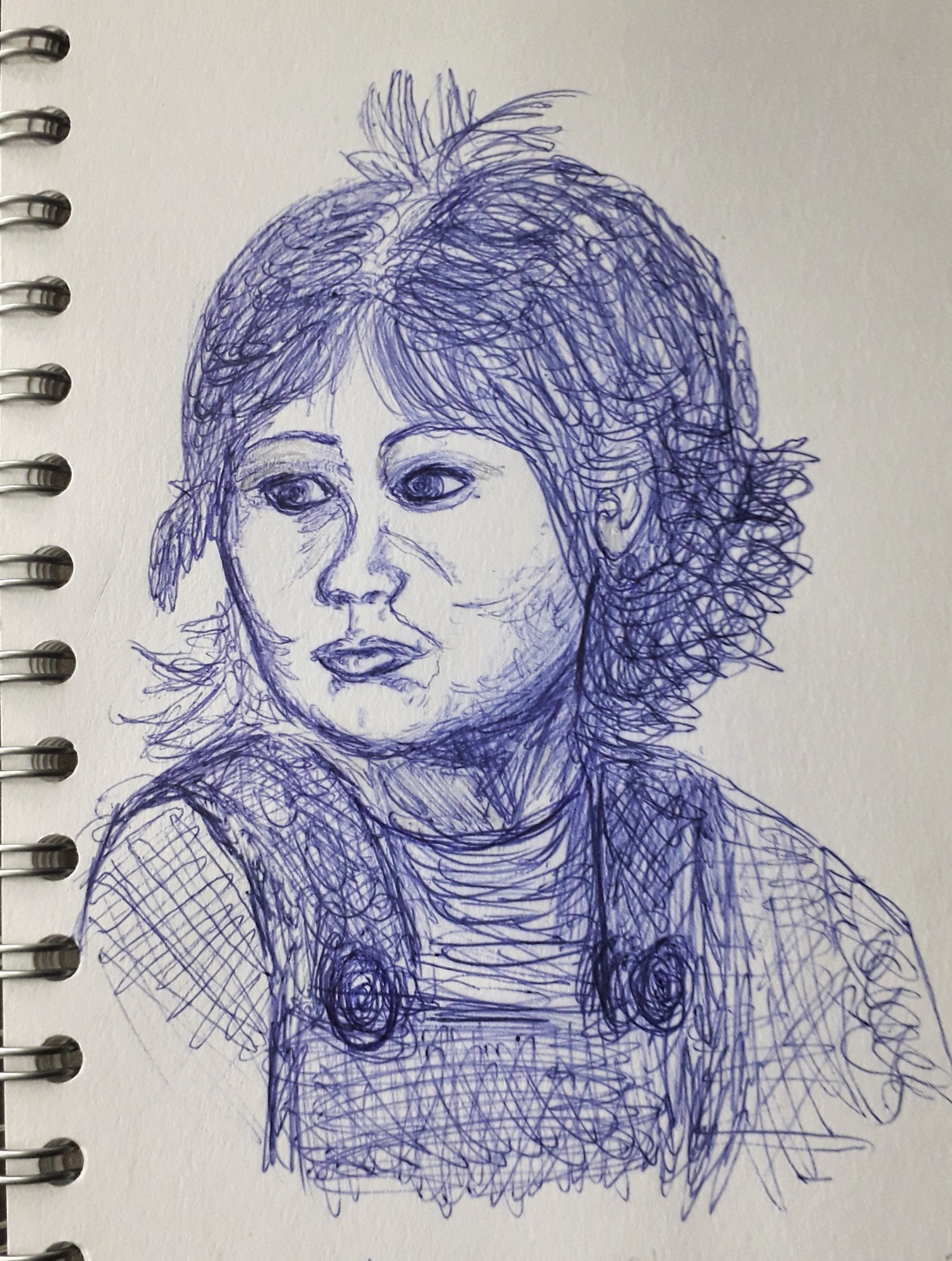
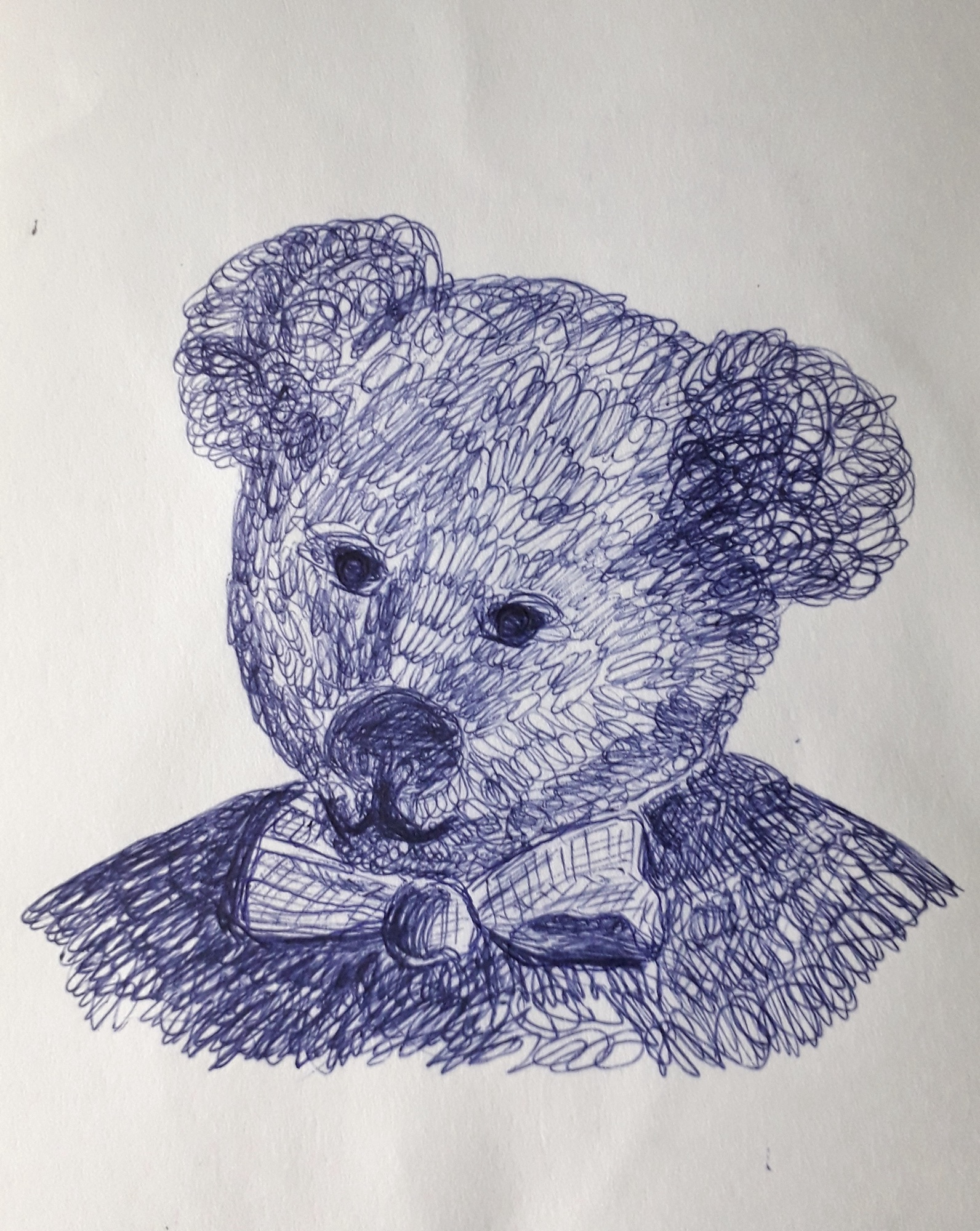
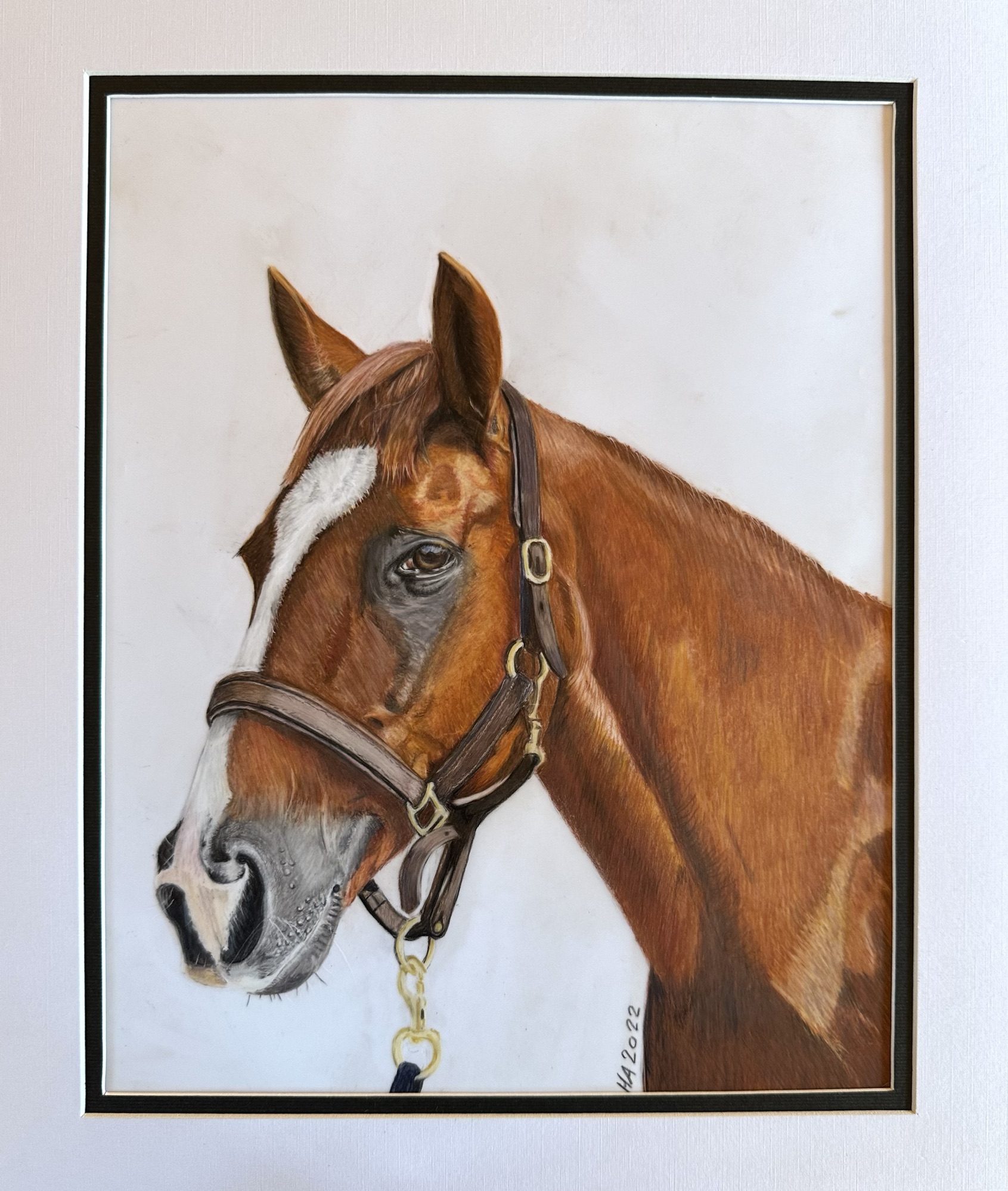
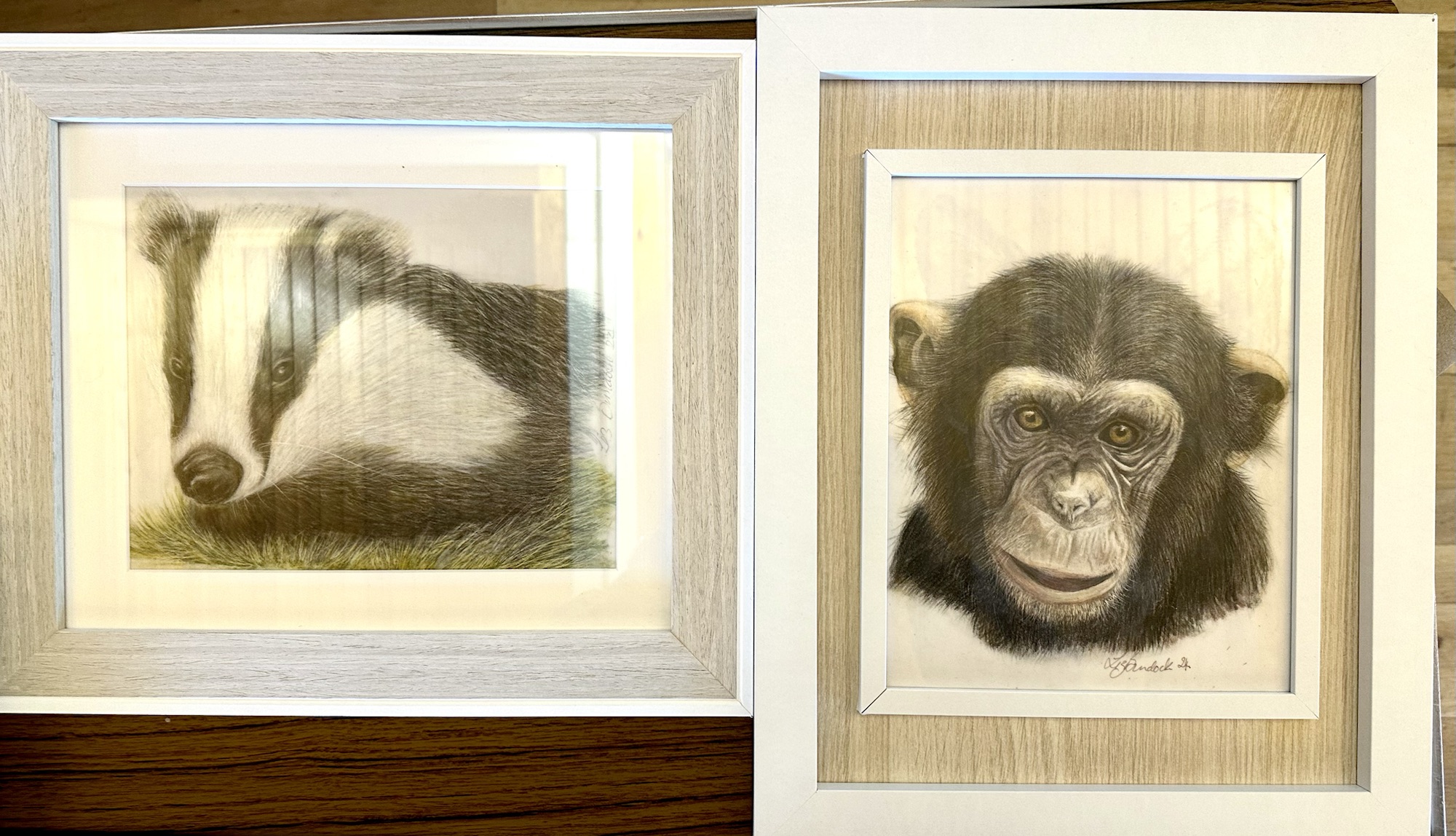
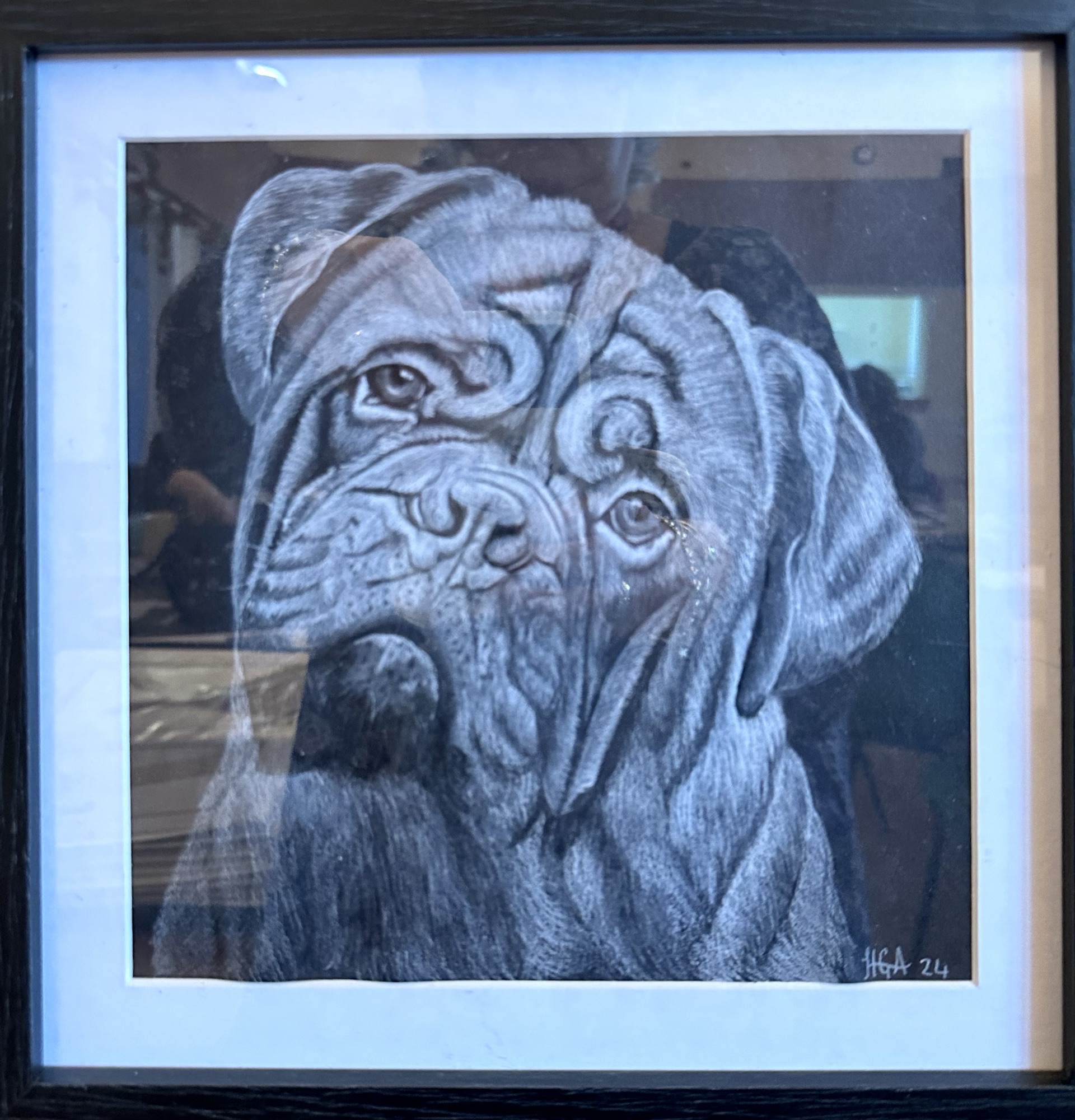
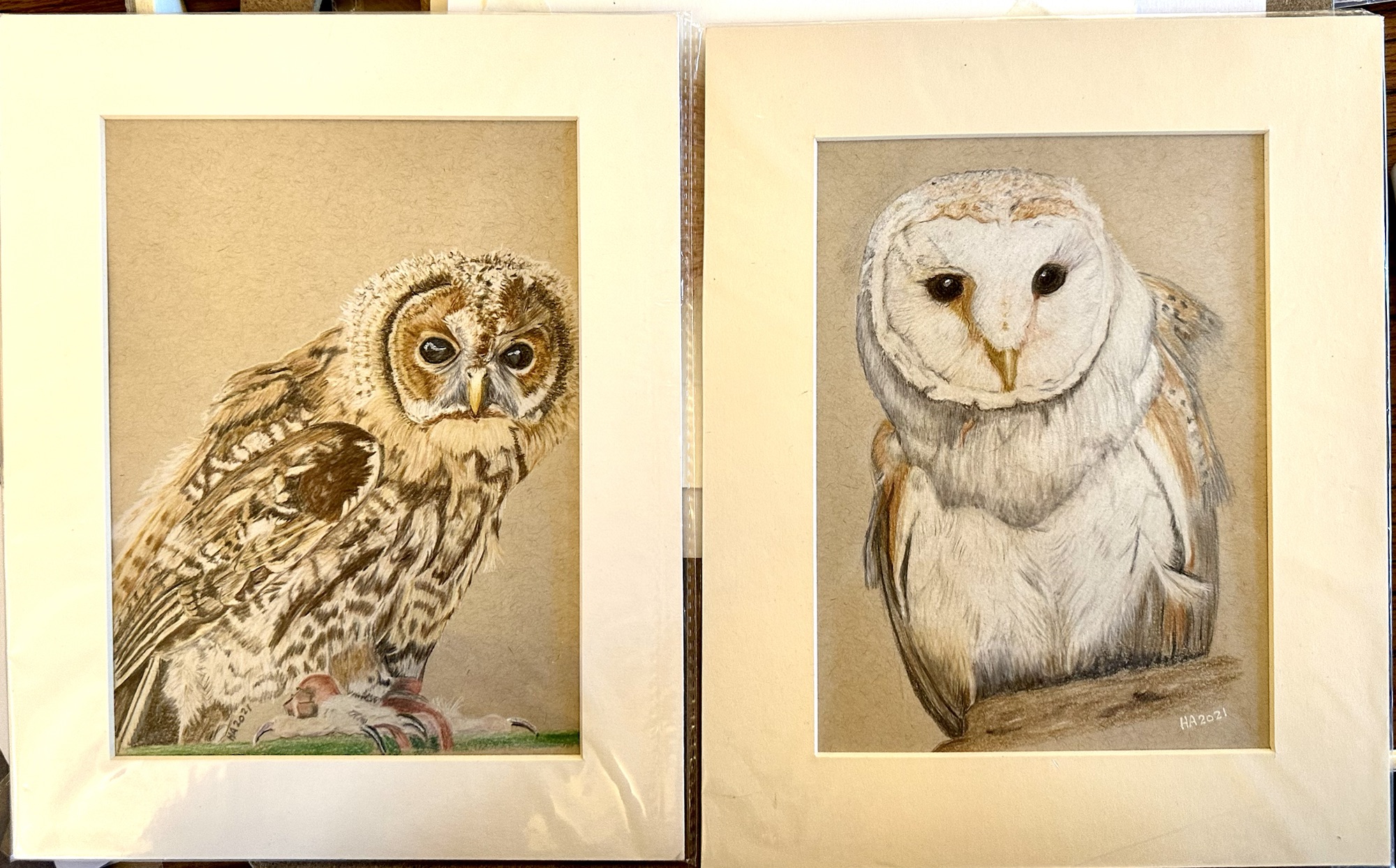
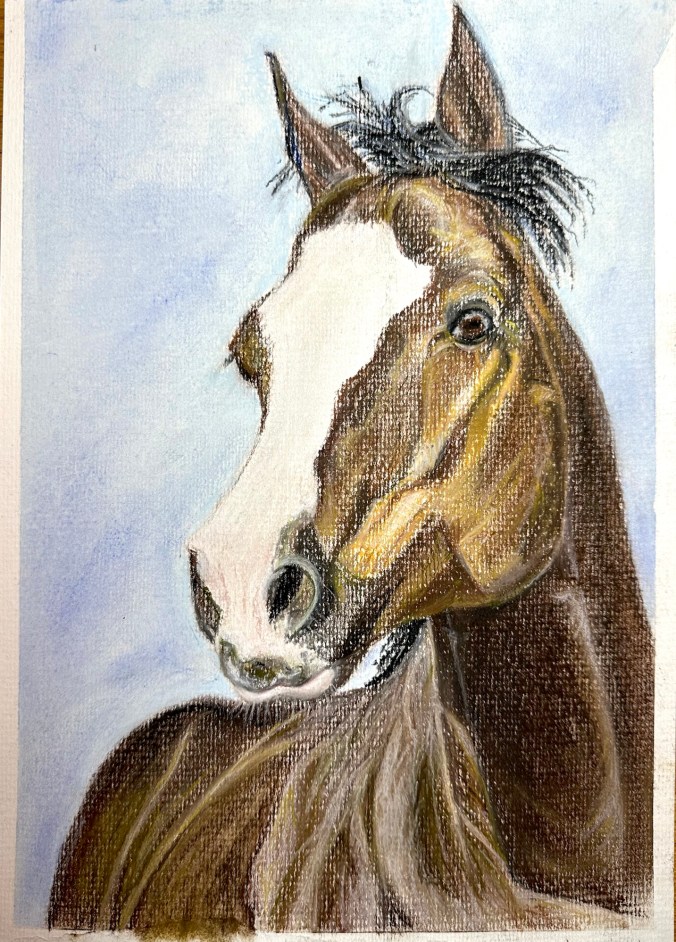
We have so many different subjects in our sessions that we often start pictures but don’t get around to finishing them.

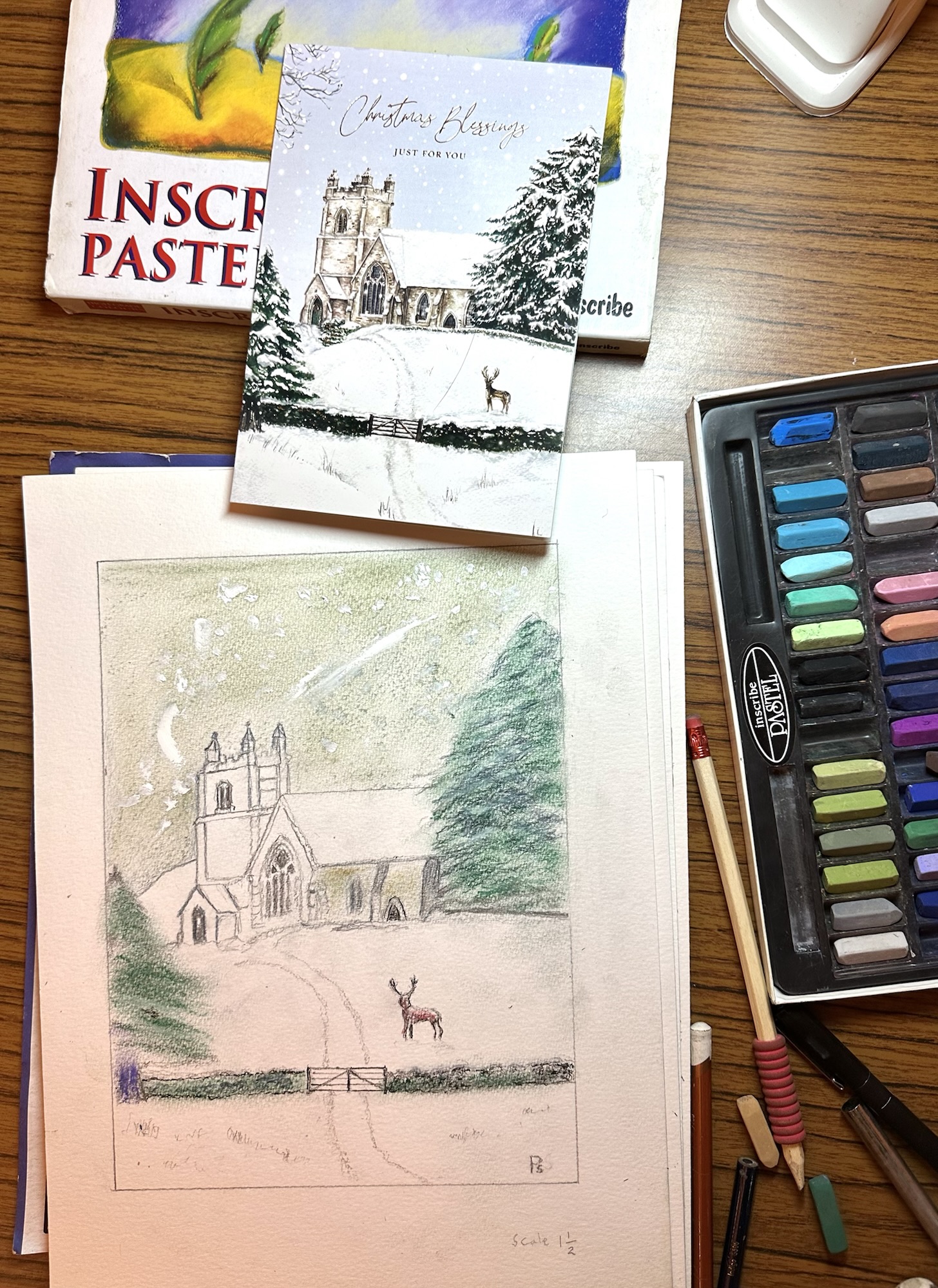
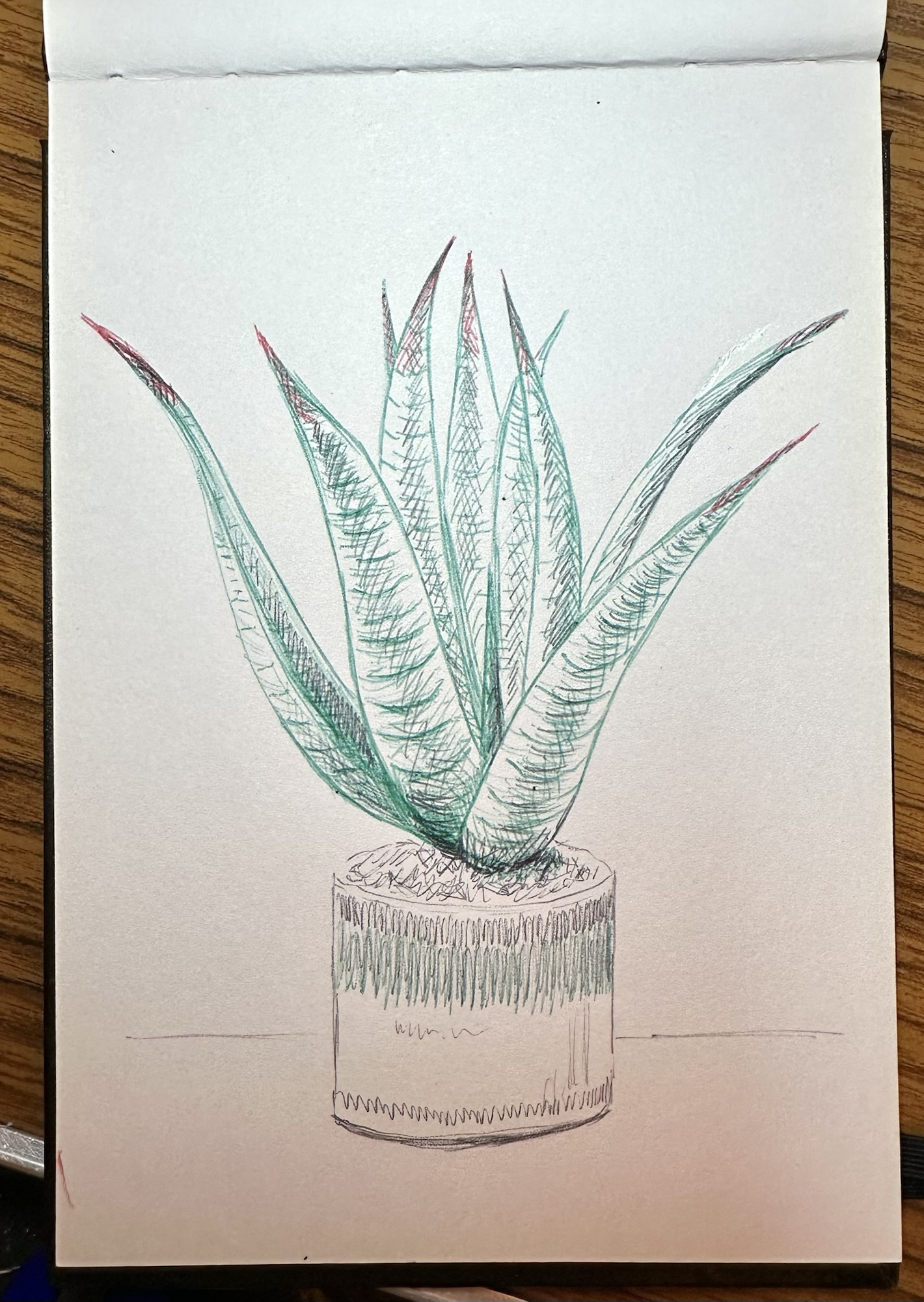
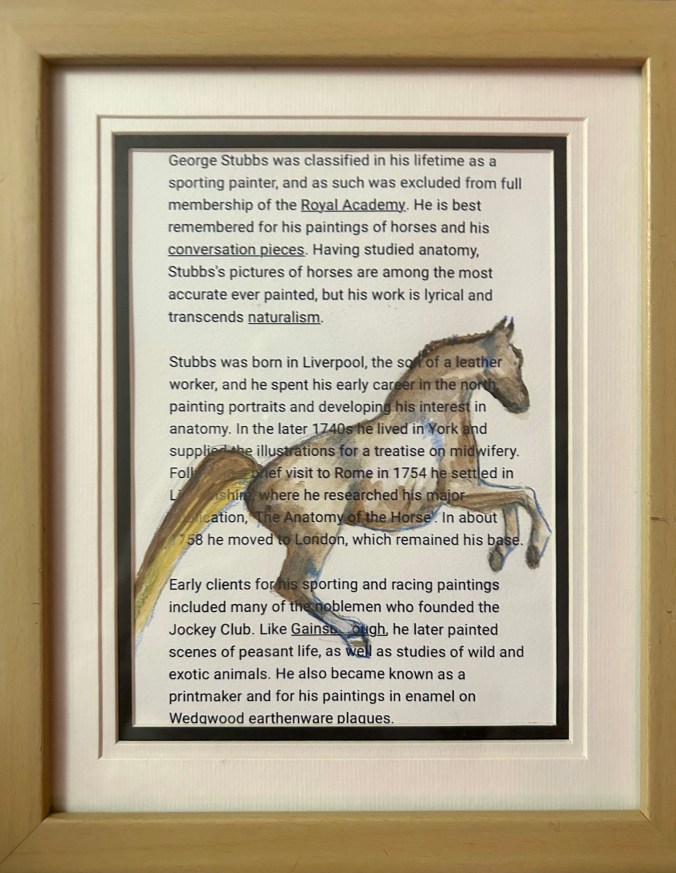
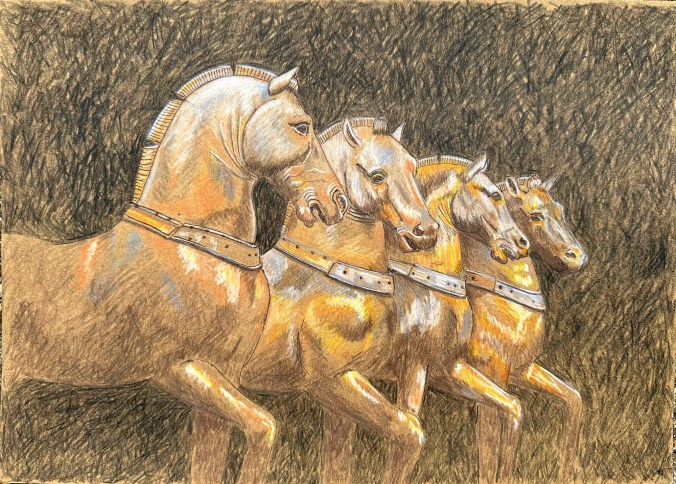
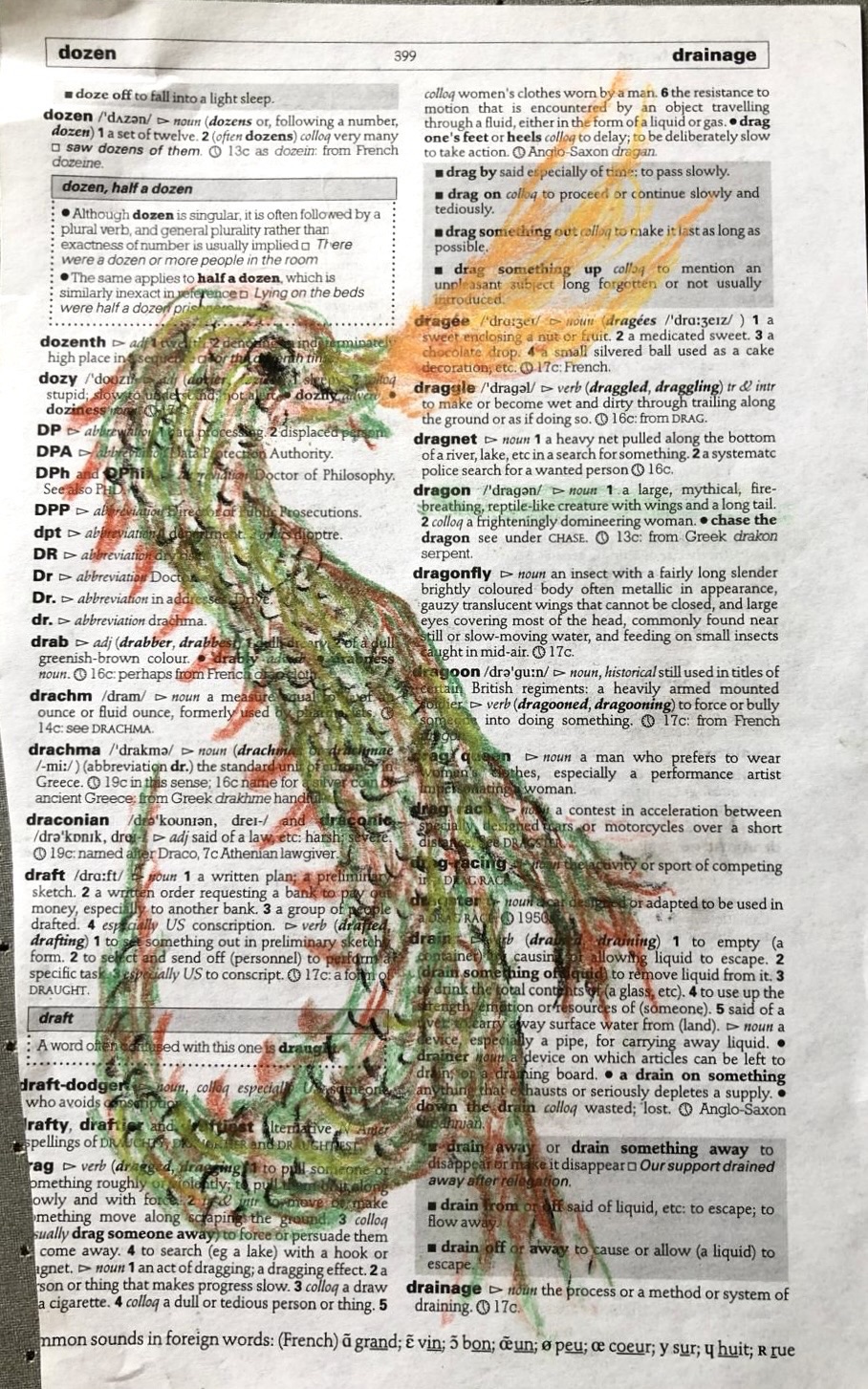
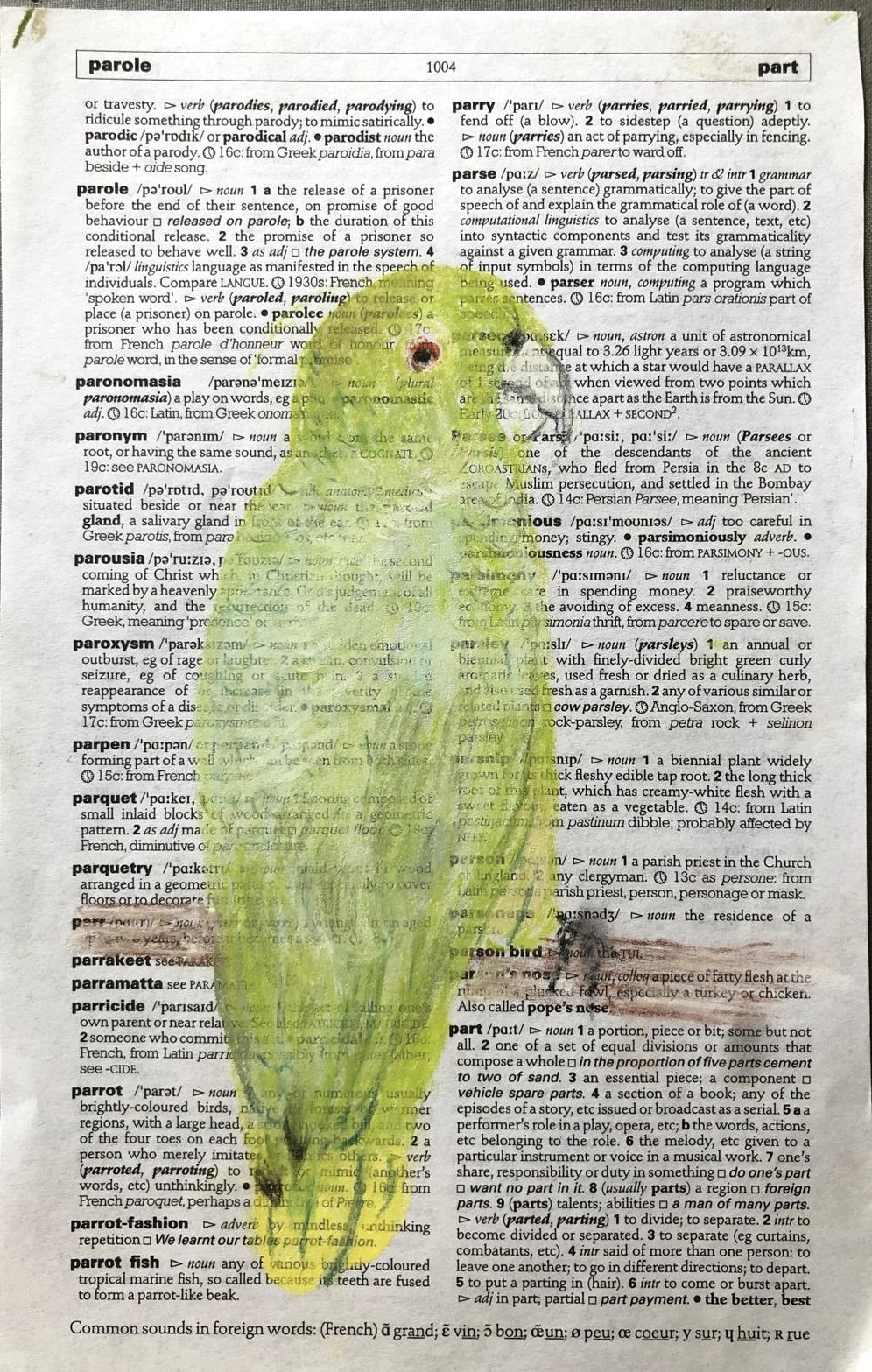
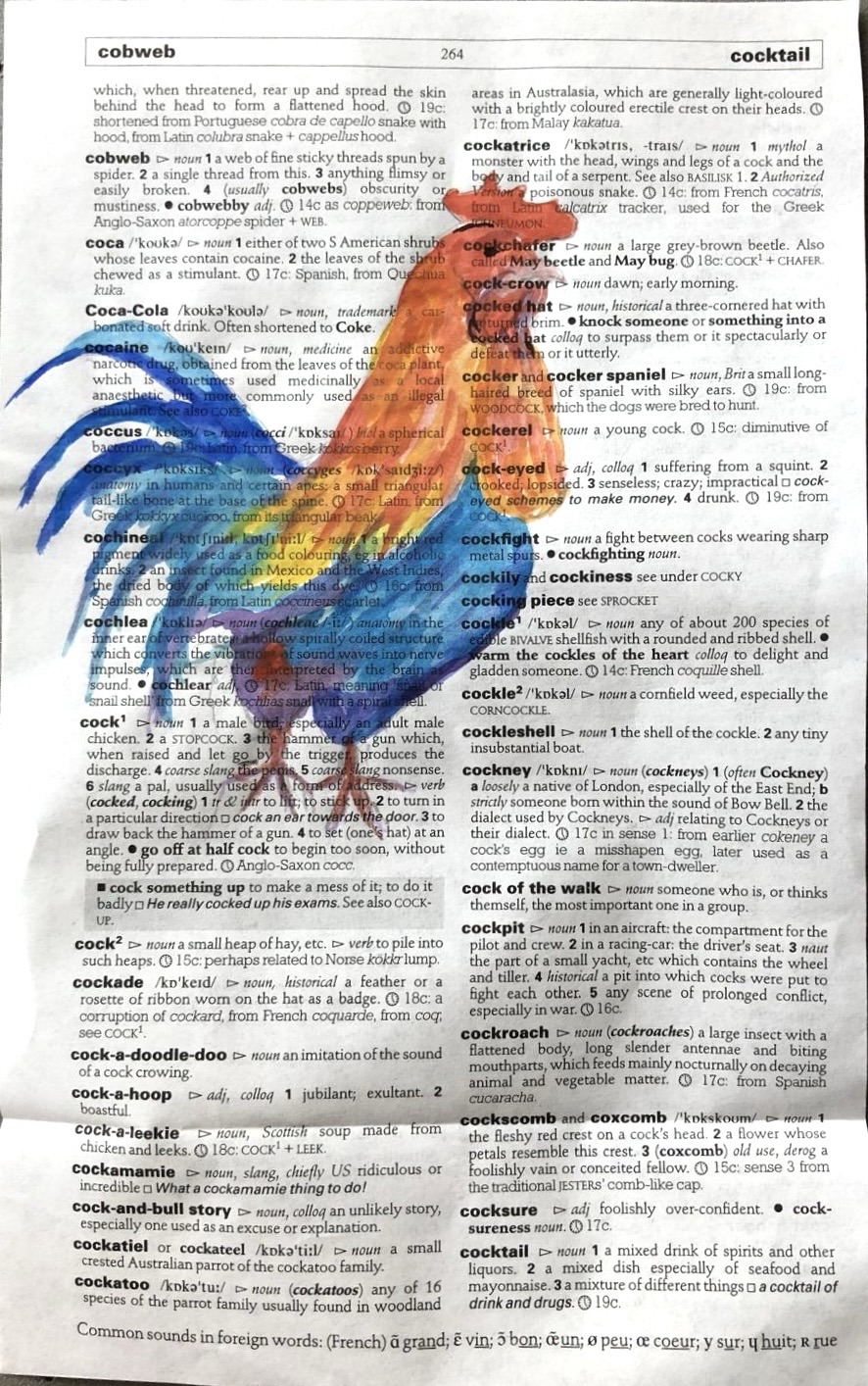
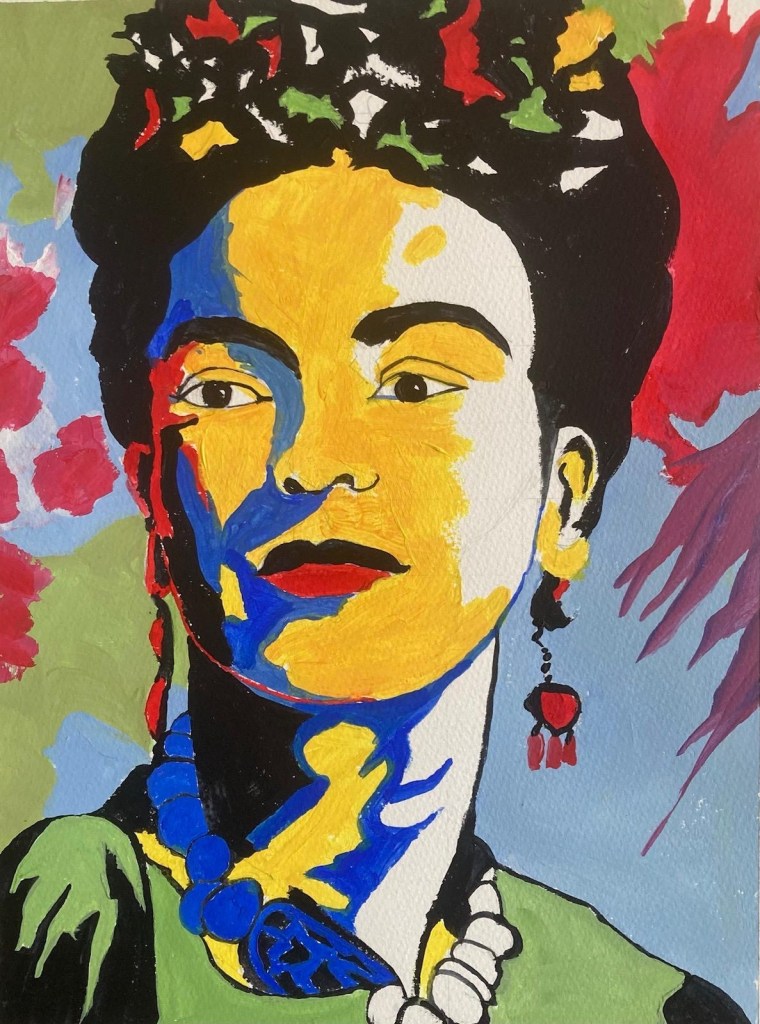
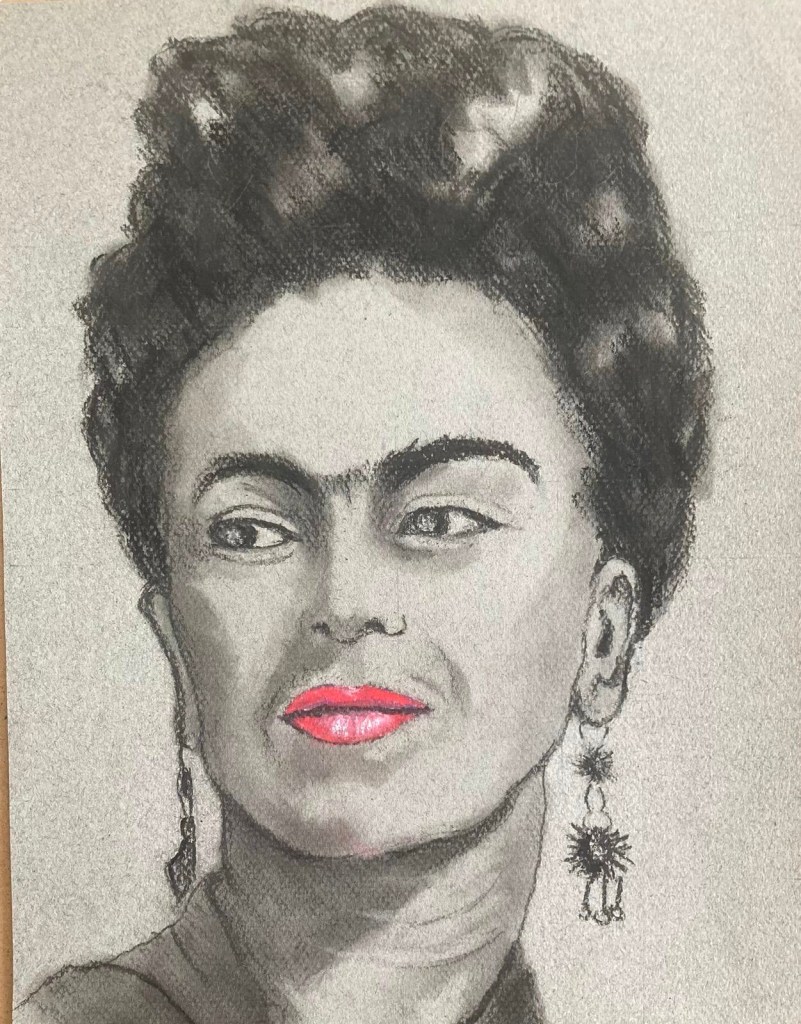
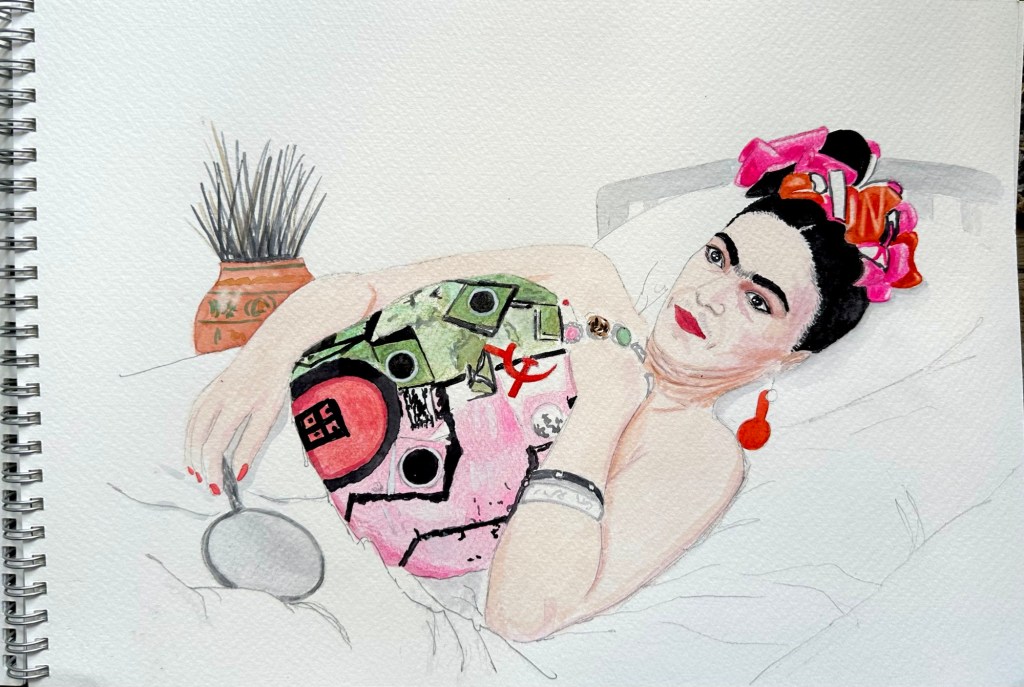
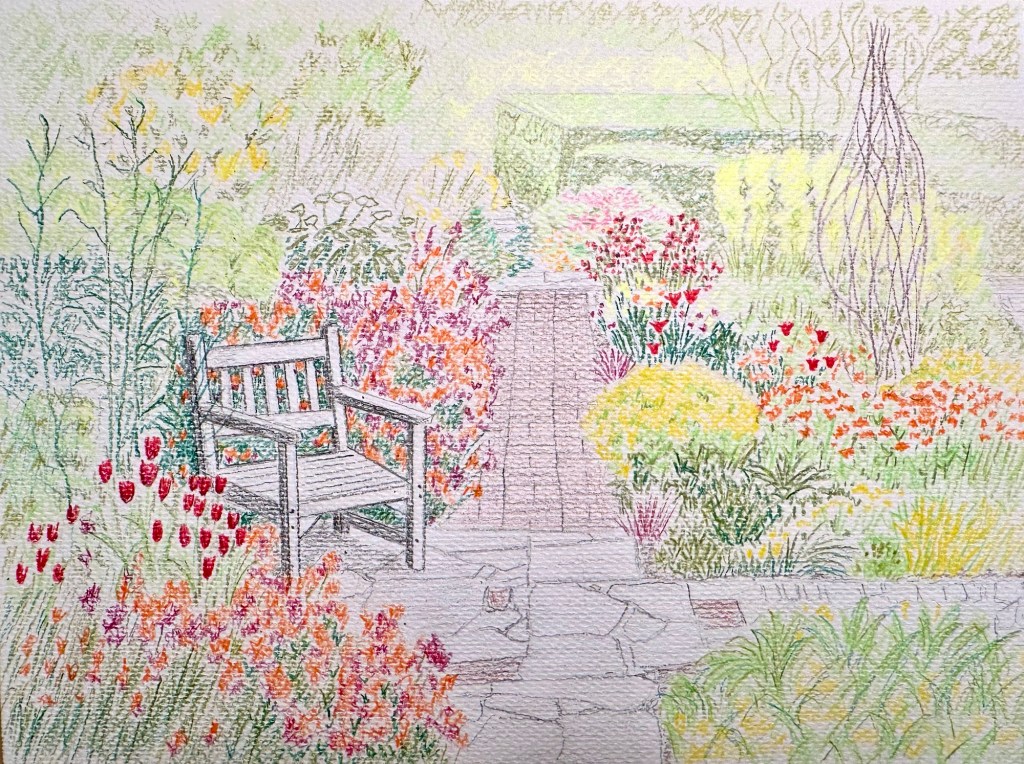
Here are several pictures that were finished at home from sessions on Frida Kahlo, painting on a book page, Underwater Life, In an English Country Garden, and Chalk Church.

Brenda’s colourful picture of Frida Kahlo is in pastels as are her images of the dragon and the parrot on a dictionary page. The cockerel is painted in watercolours.

Steve’s posterised image of Frida Kahlo was painted in acrylics and the other in black pastel on grey pastel paper with a dramatic pop of lip colour in pink. Chalk Church was created when we visited last month, again in pastel but using many colours for a realistic picture.

Tracy’s images of Frida Kahlo were painted in watercolours, as were the underwater eagle spotted rays. The cottage garden at Sissinghurst is in coloured pencils, lightly pressed on to the paper so the finished effect is delicate.

Well done, it’s great to see all your finished pictures!

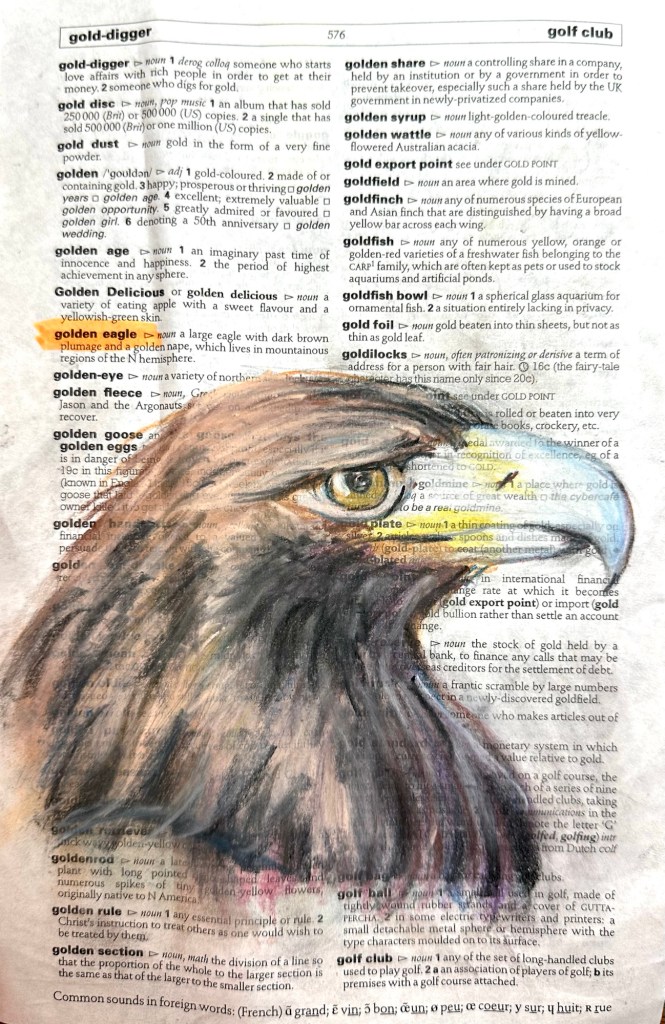
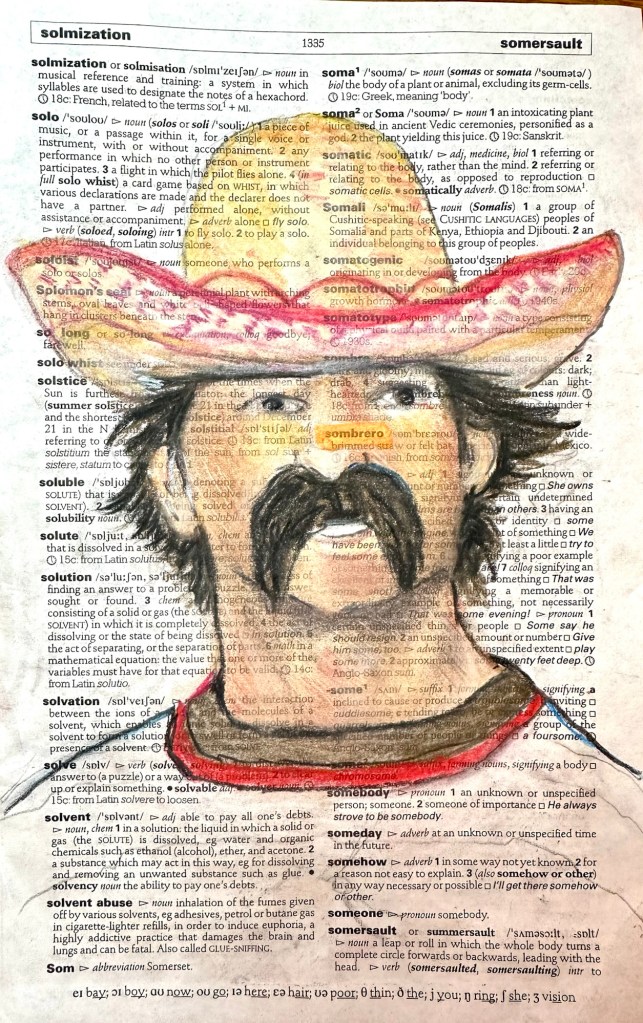
Steve’s dictionary pages

Steve’s surname of Goldson isn’t in the dictionary so he used the pages with the words ‘gold’ and ‘son’ on to create images of other words on the pages. He used soft pastels to draw a golden eagle and a man wearing a sombrero.

Very imaginative, Steve. Great colours and details you’ve achieved with the soft pastels, well done!

Frida Kahlo – July 2024 – Wednesday

Just 7 members attended the session yesterday evening, with several members away on holiday or others watching England in the Euro football semi finals. We had a good natter and enjoyed creating our pictures to do with the life of artist Frida Kahlo.

Several portraits by Brenda, Steve and Tracy, a flower study of similar blooms Frida wore by Myrna and a picture by Angela of the Casa Azul (the Blue House) Frida’s family home were started and will hopefully be finished at home. Chris couldn’t attend the session but completed a portrait at home, sending a photo for inclusion. If you do draw or paint the suggested subject at home, please send a photo to Tracy or Steve and they’ll be happy to add to it the relevant post.
Here are our pictures, including a photo of Tracy wearing a t-shirt and holding a bag and tin all with Frida Kahlo’s image on.
Patrick drew a picture of the Frog Princess.

Two more dictionary pages have been finished and they will be shown in the next post.

Our next session is at Chalk Church on Saturday 27th July from after 10am to just before 3pm

Graham’s dictionary page experiment

Graham chose several pages from the dictionary to paint on, but before he starts he tried painting on a spare dictionary page to experiment with how much water to use with watercolour and gouache paints and he tried using a pen too. His process is really interesting and is useful to everyone who has painted a dictionary page or who wants to paint one, especially his technique of mounting the page on scrap board to start with. The dictionary will be brought to future sessions in case anyone wants to paint more pages.

In Graham’s own words and photographs…

“I was determined to test the Dictionary Page paper to see how much abuse it would take.  Firstly, I mounted it on some scrap board. This gave it rigidity. Then I drew on it, deliberately doing a fair bit of rubbing out and re-drawing.

For the background watercolour wash I adopted my usual procedure of wetting the paper, then putting in very faint wet washes, and as the paper dried, ever stronger and less wet washes.  The paper stood up to this exceedingly well. It might be interesting to see how the page reacts when fixed to watercolour paper.

When this was all dry, I tried painting the rear figure with equally wet into wet washes. This failed abysmally.  All the washes bled beyond where I had applied them, and they did not mix well.  When dry, to try to redefine the edges of the figure, I applied some white gouache tinted with the background colours.  

For the man with the umbrella I tried applying the watercolour with a 50/50 mix of water and gum arabic.  This thickened the paint and stopped it bleeding but left it looking very streaky and unsightly.

For the man on the bicycle I mixed all the colours in the palette and applied them with a fairly dry brush, often taking most of the wet paint out of the brush with a tissue.

Once all the paint was dry I applied fresh colour to several of the washes on the other two figures.  These were similarly applied fairly dry paint.  The paler colours were again mixed with gouache so that under washes would be covered.

Finally, I did some ink drawing .. I’m not sure how successful that was.

This was all very experimental.  Glueing the paper down was certainly a good idea for me, and I will continue to do so when using a wet medium.  I was surprised how well the paper stood up to the original wet washes and to the number of layers of paint I could apply to the figures.  I used watercolour throughout. 

The lesson I learned was to apply it in a “dry brush” fashion.  Although I suspect Gouache and acrylic paints may well work better on this sort of paper I shall continue to experiment using watercolour.
Happy Experimenting and Painting 

Graham”

Thank you very much, Graham. To read your process from start to finish was very helpful and having the photos too made each stage easy to follow. Many of us have found that a dryer application of paint is the way forward and once one page is painted we want to paint several more!

Paint on a book page – June 2024- Wednesday

It was a quiet session with only eight members but what we lacked in numbers we made up for in creativity. Painting on a book page proved to be very satisfying with members painting on different types of paper, much thinner than our usual watercolour paper so we had to paint carefully. For those who didn’t bring their own paper there was a choice of books to choose from including a phone book, an RAC guide book, a couple of tatty old novels and a dictionary from eBay costing the huge sum of £1.79 including postage. No new or precious books were harmed during the session!

Removed from the dictionary were pages including the words married, wedding, sunflower and quokka. Words requested to paint another time include hare, lobster, crab, octopus and vulpine, so hopefully these pages can be shown when they’re finished.

Susan suggested this subject and we all agreed it was really interesting. She used a book about opera that had belonged to her late father. Watercolour was used to paint images from an opera on the page where that opera was listed and the paper absorbed the watercolours very well. A very clever idea, Susan.

Christine used an old map to paint a picture of Truro Cathedral on. The third photo shows the painting of Truro Cathedral in acrylics, just above the city’s name. An excellent way to use an old map as many of us have old maps just hanging around that we don’t look at any more.

Kay used the dictionary pages with the words marriage and wedding on to paint pictures of a bride and groom. They will be framed and given as a gift at a wedding she is attending later in the year. What a great idea for a unique present.

Wendy chose the dictionary page with the word sunflower on it and painted a bright and colourful sunflower in acrylics. The page accepted the acrylic paint really well.

Years ago Patrick typed a page about Zoroaster, the ancient Persian prophet. Instead of staying in a file the page has been used to paint an image of Zoroaster. In coloured pencil and pen the page has been repurposed.

Tracy chose the dictionary page with the work quokka on it. Look closely at the first photo for the definition of a quokka. She drew the animal in pencil and painted it in watercolours. Although the dictionary page is very thin, it accepted the watercolour paint well and the colours will be built up layer by layer, allowing drying time in between. There are other dictionary pages Tracy wants to paint but she may paint those in acrylics.

Angela gets a gold star for painting her two pages whilst on holiday in Devon. She had a National Trust magazine with her so used two pages to paint on. One she painted yesterday whilst chilling in the garden, the second today whilst 40mph winds blew outside. Typical British holiday weather! The first picture of a rose ties in nicely with our next session of ‘In an English Country Garden’.

Two members painted to their own theme. Denise repainted a friend’s garden plaque and Peta continued with her painting of a tram.

Well done everyone, there were some super ideas here.

The old books will be brought in to the next session, so if you missed painting on a book page you can cut out some pages to use. If there’s a particular word on the dictionary you want then email Tracy with that word and she’ll reserve the relevant page for you.

The next session is on Saturday 22nd June from 10am to 3pm.

Painted Whitstable oyster shells

At last Saturday’s session about Underwater Life there were oyster shells to paint, either the traditional teardrop oyster shape or the flatter native oyster shells. Tracy had visited Whitstable beach and helped herself to lots of empty oyster shells which are thrown on the beach behind the Whitstable Oyster Company Restaurant. After a soak in hot water and washing up liquid she scraped off the last of the muscle at the dark muscle scar inside the shells, soaked them with antibacterial spray and left them to dry in the sun. The inside of the oyster shells were all clean to paint with no fishy smell and the outsides were patterned and interesting too.

Everyone who painted a shell came up with a design on the spur of the moment and drew inside the shell with pencil then painted with colourful acrylics. Kay painted with watercolours and the paint did stay on the inside. Her painting of a badger’s head on a flat native oyster shell was much admired and we all agreed it was the highlight of all the shells.

Well done everyone, you painted the shells beautifully and it was fun to try something different!

Underwater Life – May 2024 – Saturday

Eighteen members rose magnificently to the challenge of painting underwater life, using watercolours acrylics, pens and pastels.

Andrea brought along a beautiful, tall and very heavy paperweight of an octopus and Tracy brought in a cup, bowl and Christmas decoration all featuring octopus designs. Tracy’s items were bought from George’s in Whitstable High Street, a shop full of ‘stuff’ that you don’t need but want because it’s handy, nifty or just lovely to look at. George’s have a website with some items on, but they have many more items in the actual shop. The shop is worth a trip to Whitstable :o) www.georgeswhitstable.com

There were oyster shells from Whitstable to paint too and all those photos will be on a separate post, along with finished Salvador Dali paintings.

We were very creative on the day and any works in progress will be finished at home. Several members have supplied photos of artwork they painted at other art groups. There were many different underwater animals and divers painted in glorious colours including turtles, tropical fish, jellyfish, octopuses, sharks, shells, seahorses, rays, crabs, lobsters, a mermaid, a little girl looking at life underwater, and an exotically named axolotl. The first painting is Steve’s slightly disturbing Salvador Dali portrait with sea creatures and a melted clock!

Next month’s ideas will be published on 1st June and the next session will be on Wednesday 12th June 7-9pm.

Peta’s sketches of City of London Churches

Peta has had her sketches of several City of London Churches published on the website ‘Spitalfields Life’. Beautifully and skilfully sketched in pencil and then coloured with soft tones of black, blue and brown inks, she has masterfully captured the atmosphere and tiny details of these churches and related items. Click on this link to see the sketches on the site… https://spitalfieldslife.com/2024/04/29/peta-bridles-city-churches/

Peta would be really interested in your comments, so please scroll to the end of the article on Spitalfields Life and submit a comment for her to see. You write your comment, add your name and email address, submit your comment and it appears on the site when approved.

The pictures from the site have been screenshot and are below, but the higher quality images are on Spitalfields Life. Look for where the last image was drawn. You will know the place because Peta started the drawing on our Saturday session in July 2023.

Click on the first picture then scroll through to see the pictures enlarged and with words that explain about each image.

Well done Peta, your sketches and use of the coloured inks are awesome!

William Morris – February 2024 – Saturday

What a busy session we had with 23 members creating drawings and paintings inspired by William Morris. It was great to see so many members as the day was filled with chatter and laughter as well as creativity. Several dragon pictures were finished too and those photos will be published on another post.

Portraits of William Morris and a couple of his wife Jane, a Pre-Raphaelite model, were done in pencil, charcoal, pastels and acrylic paints. Black and white photographs were used and his leonine hair and bushy beard all added to his interesting face. The first photo is a very apt quote from Morris himself, taken from a book brought in on the day.

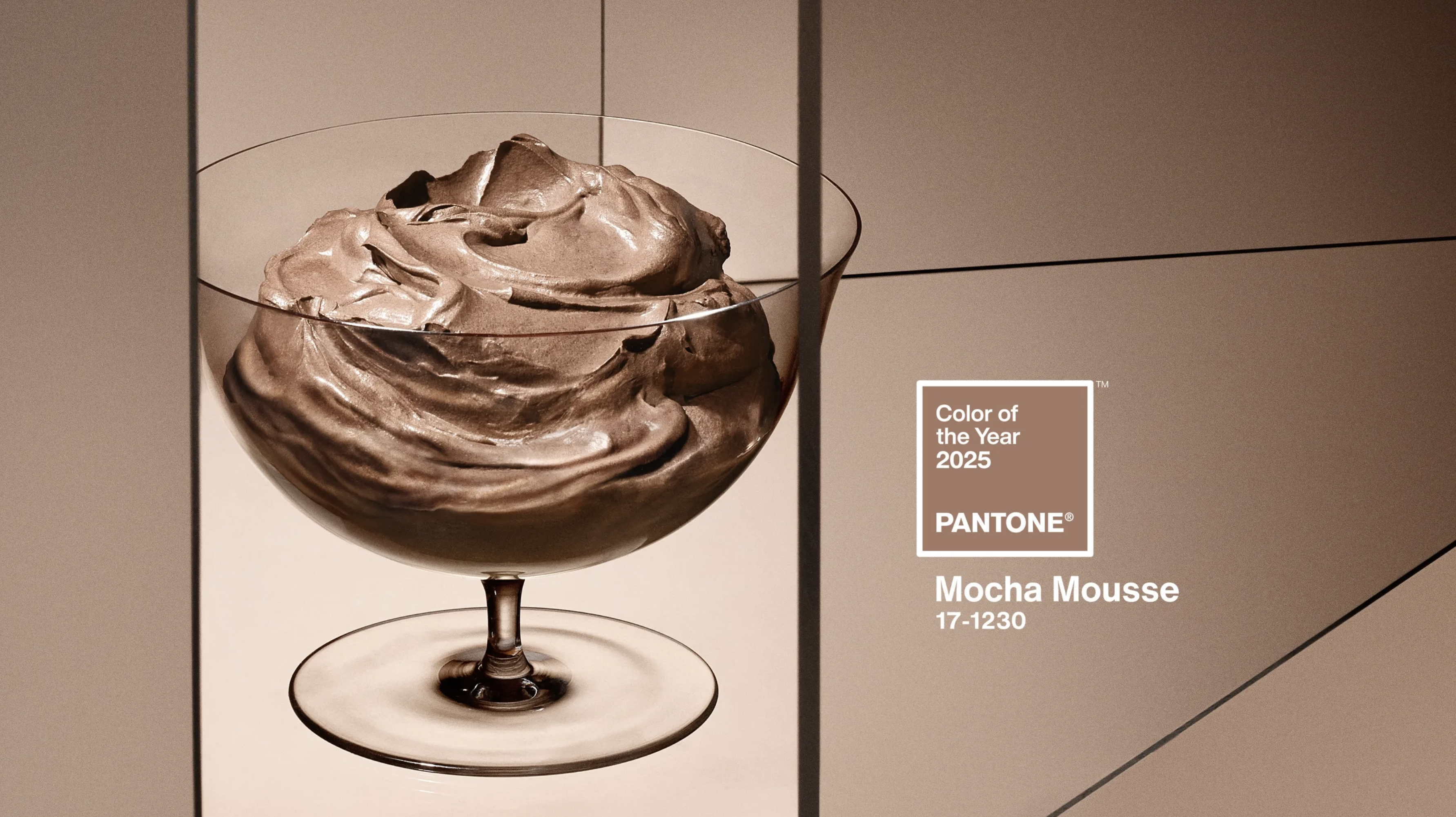
Many members chose to draw or paint images of designs for wallpaper and fabric made by Morris & Co, which are still printed today by Sanderson & Co. Lots of pictures have in them the Pantone Colour of the Year Peach Fuzz, so well done for including the colour. Gold stars go to Janet W whose table covering was the Strawberry Thief design and Janet T who brought in her Morris design tea towel :o)

Two pictures were of houses linked to William Morris. The Red House in Bexeyheath was designed, built and furnished by Morris and Standen House in East Grinstead, West Sussex, is furnished throughout with Morris designs. Susan created her picture of Standen House in watercolour and collage and all the tiny pieces were cut from prints of Morris designs. Can you find the 3 birds in the garden?

Some members chose their own subjects…

Lesley designed and made this stained glass panel of an angel at Adult Eduction classes. We’ve previously seen the design drawings so it’s super to see the finished item, well done!

Details of next month’s sessions will be posted on 1st March and our next session at the hall will be on Wednesday 13th March 7-9pm.