Dot has almost finished the painted she started at the Art Nouveau session, and what a super painting it is. An elegant lady surrounded by sinuous and natural floral images painted in acrylics. Well done, Dot, she’s beautifully painted!

Dot has almost finished the painted she started at the Art Nouveau session, and what a super painting it is. An elegant lady surrounded by sinuous and natural floral images painted in acrylics. Well done, Dot, she’s beautifully painted!
This session’s subject on Fauvism was well attended with 13 artists and most painted like Les Fauves, the Wild Beasts, using bright colours and bold strokes.
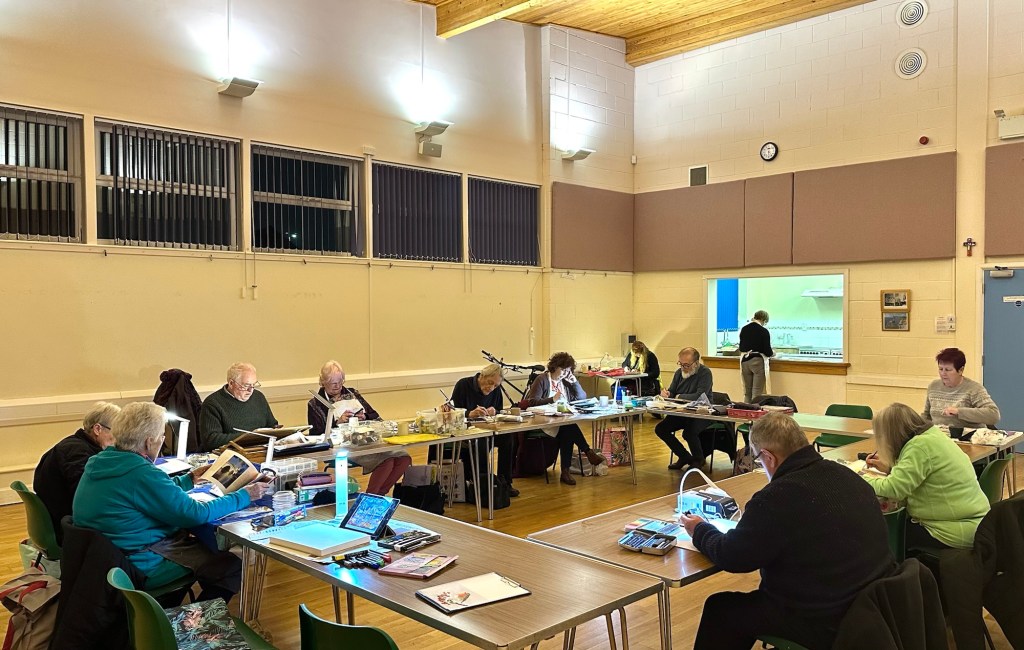
Using original artworks or other paintings or photographs as inspiration, the mediums used were acrylic paints, watercolours, acrylic pens and felt tip pens. Some paintings are finished and others are works in progress and will be completed at home.
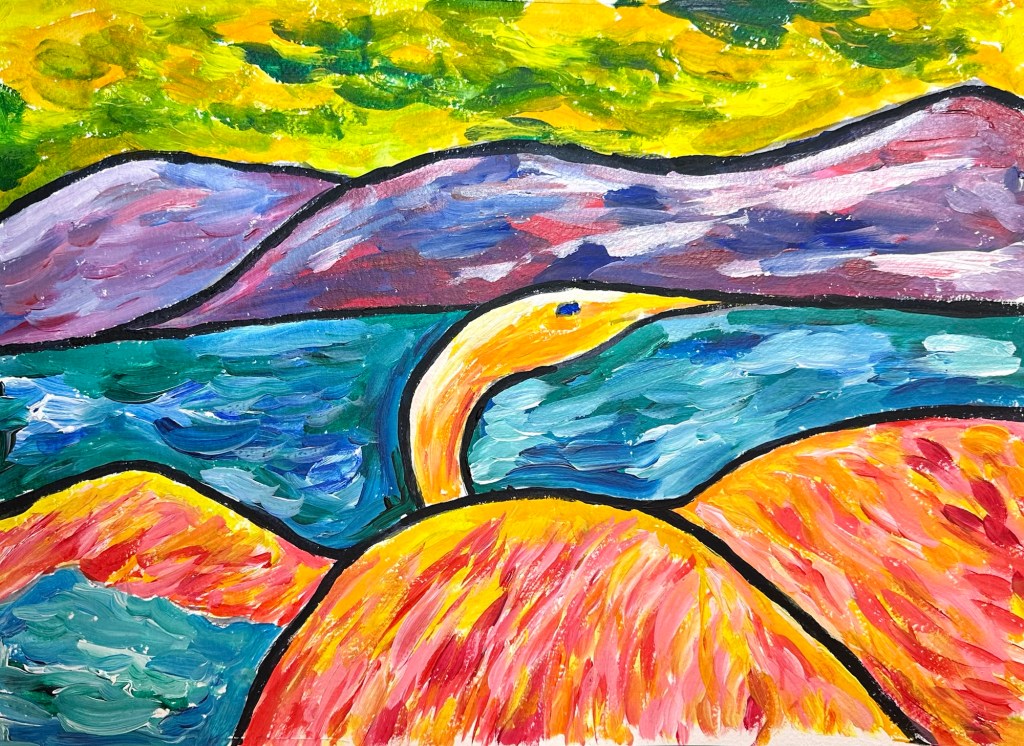
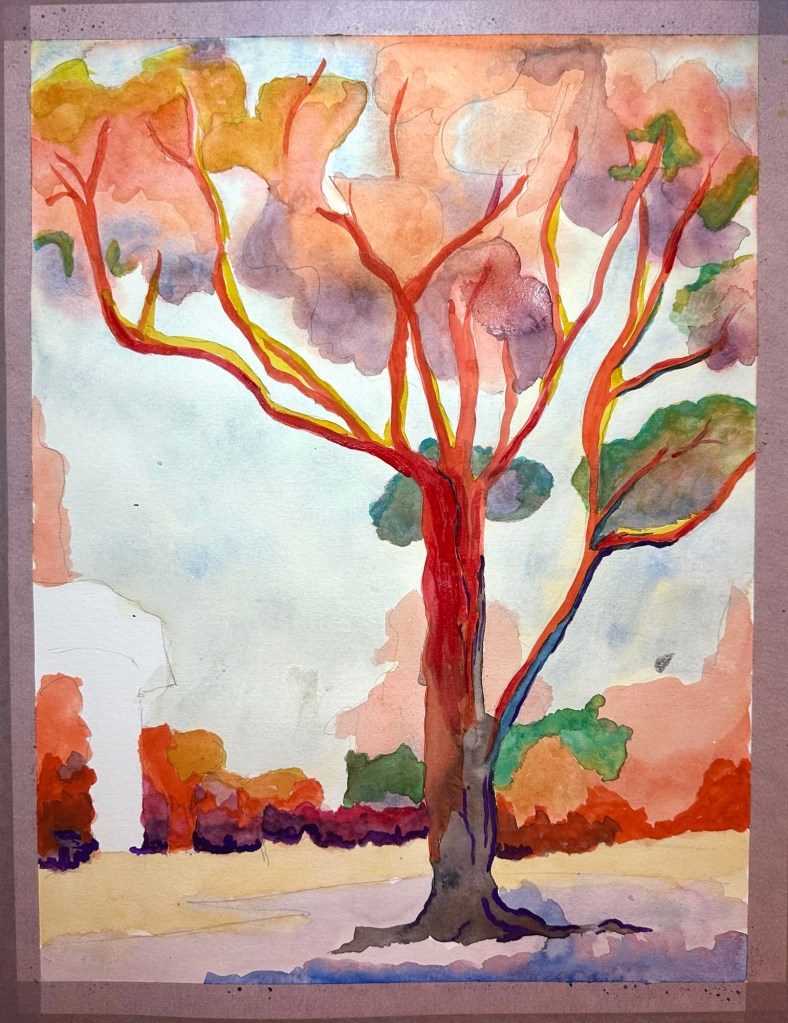
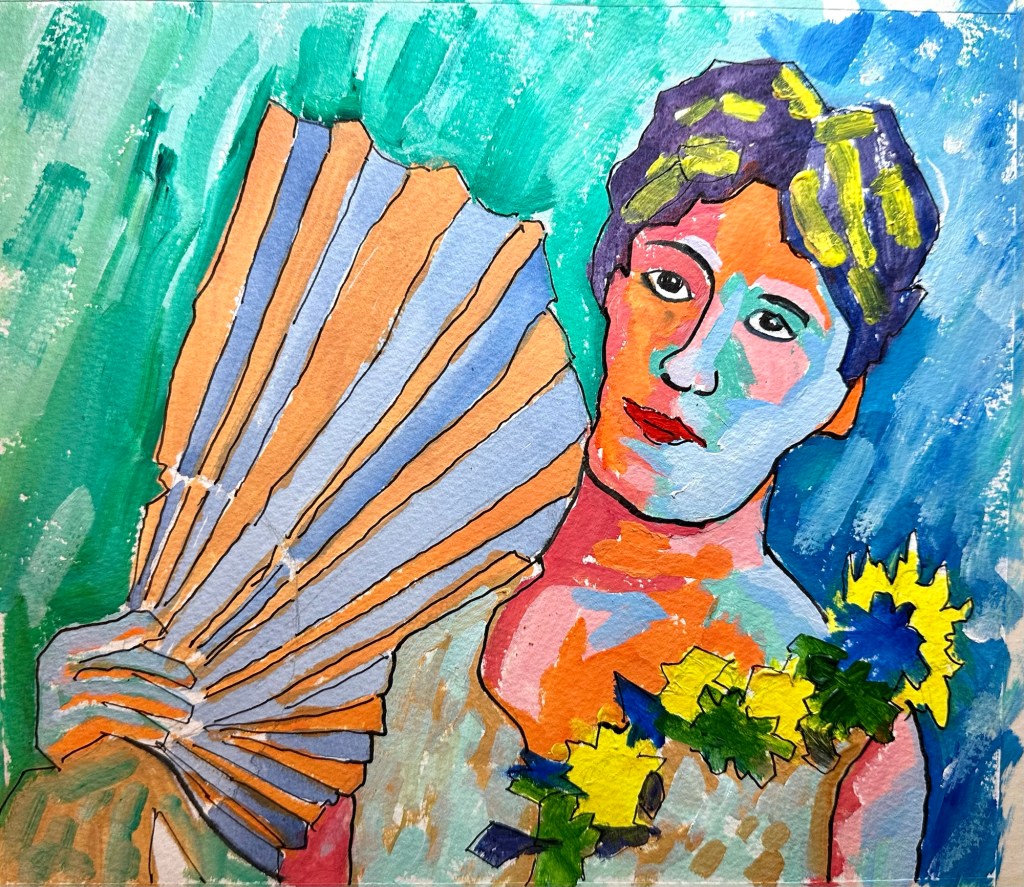

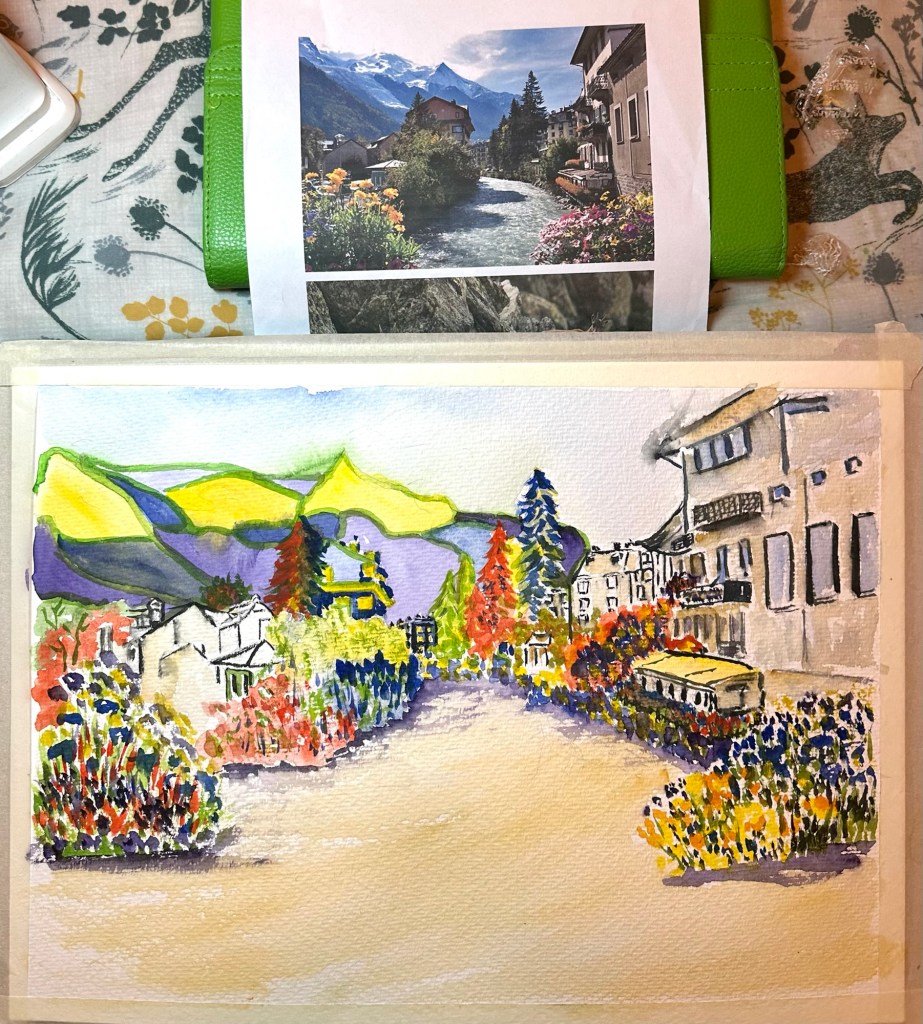

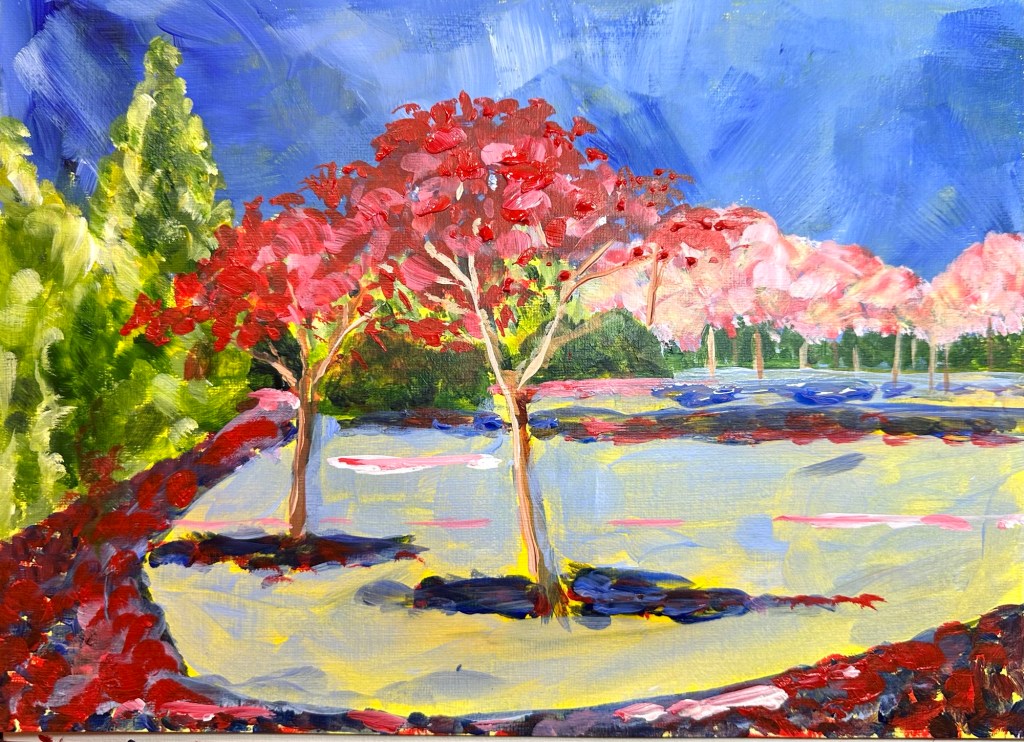
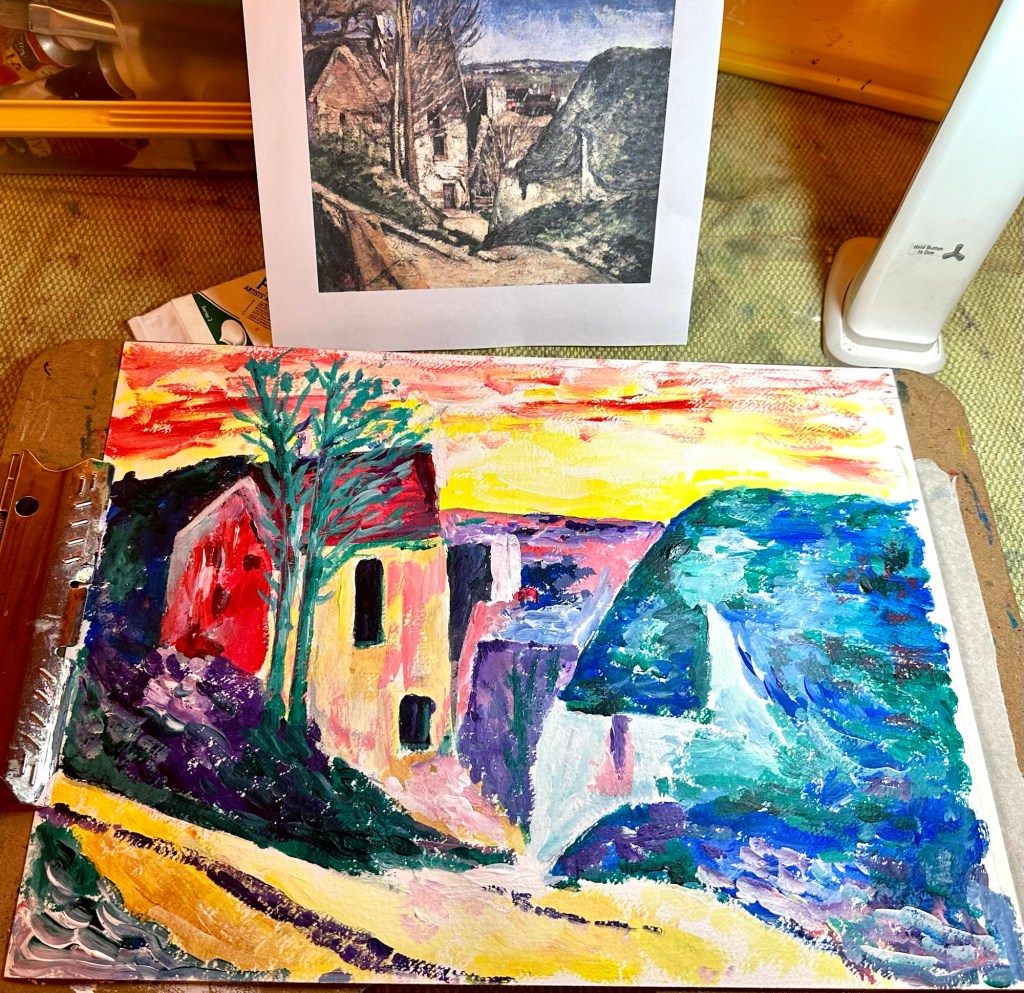
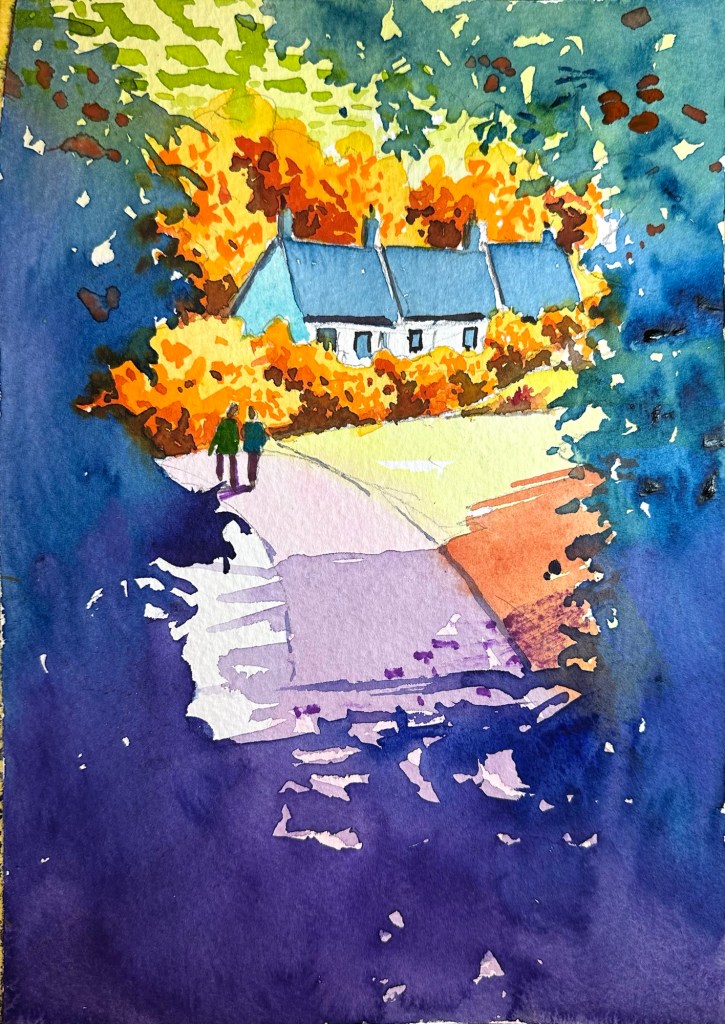
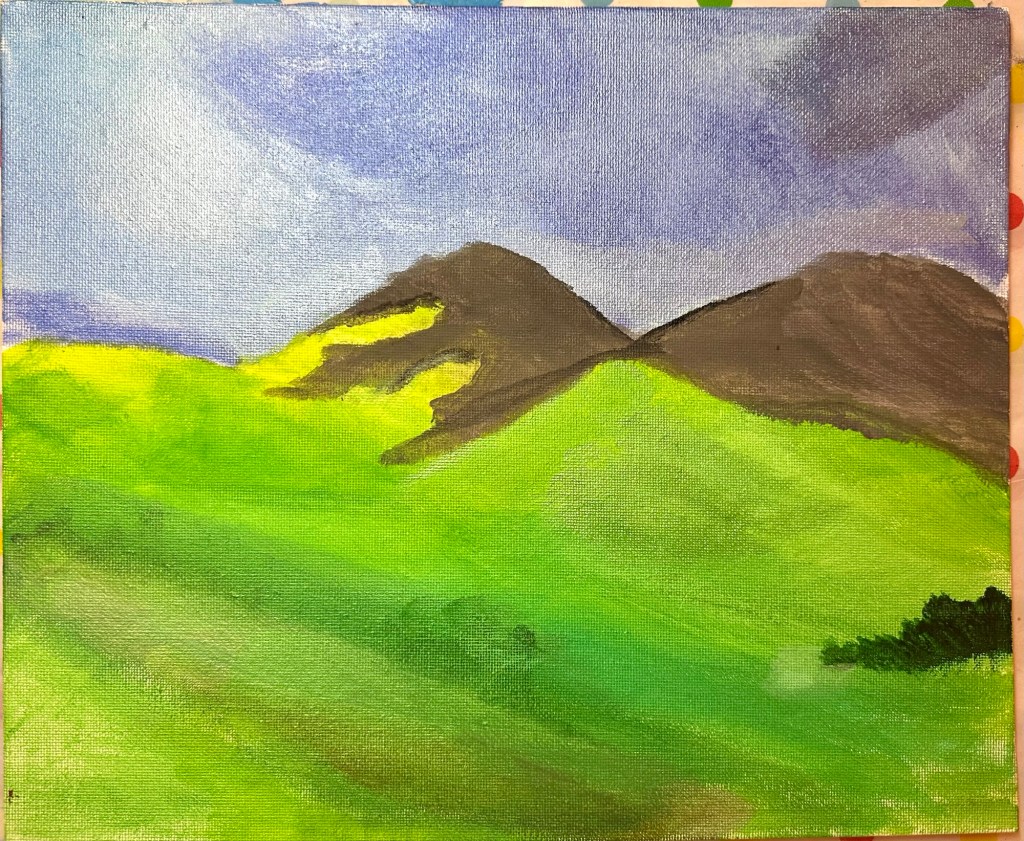

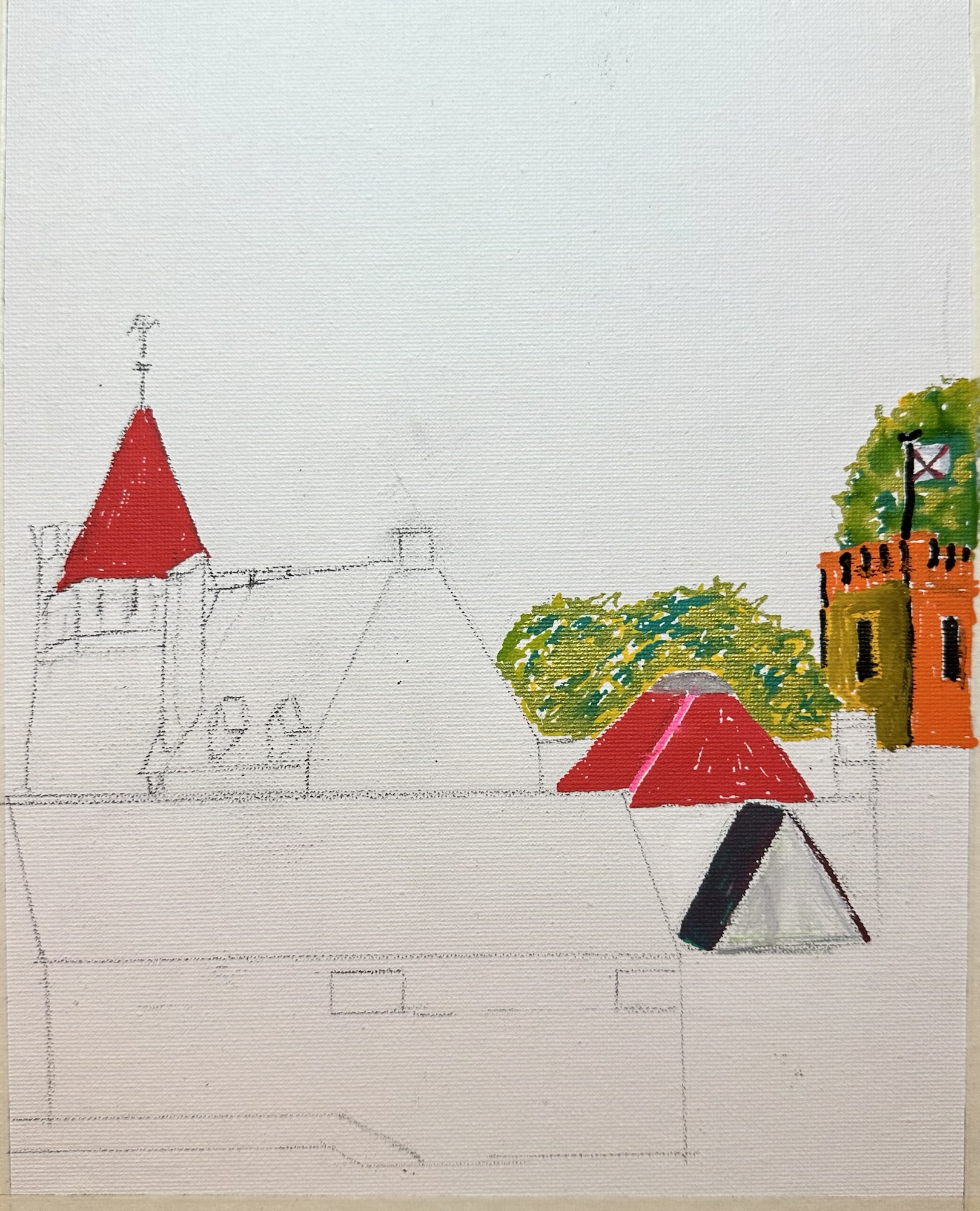
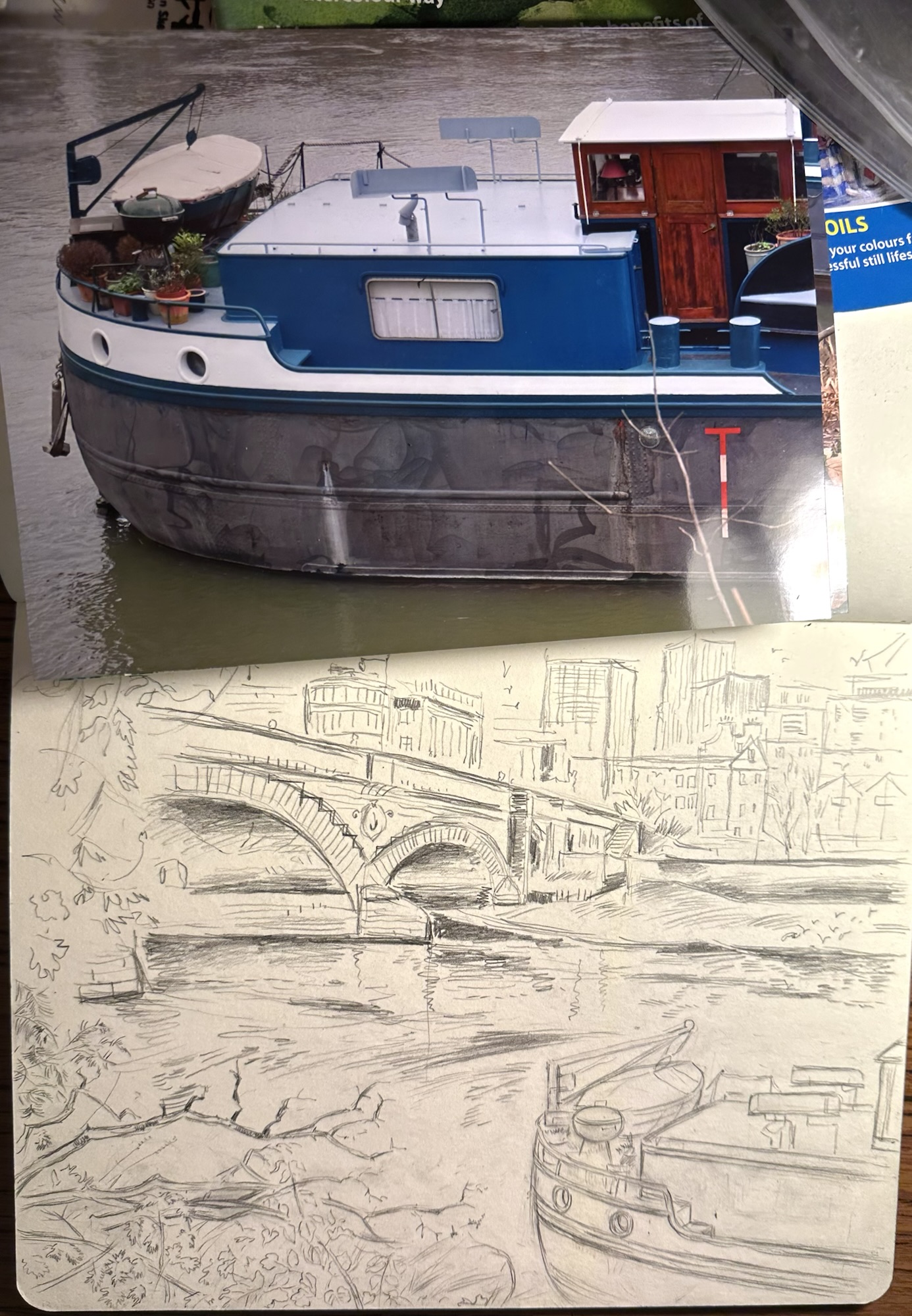
Some members came along and created pictures to their own subjects and there’s one coloured pencil drawing inspired by the last Saturday session on winter.

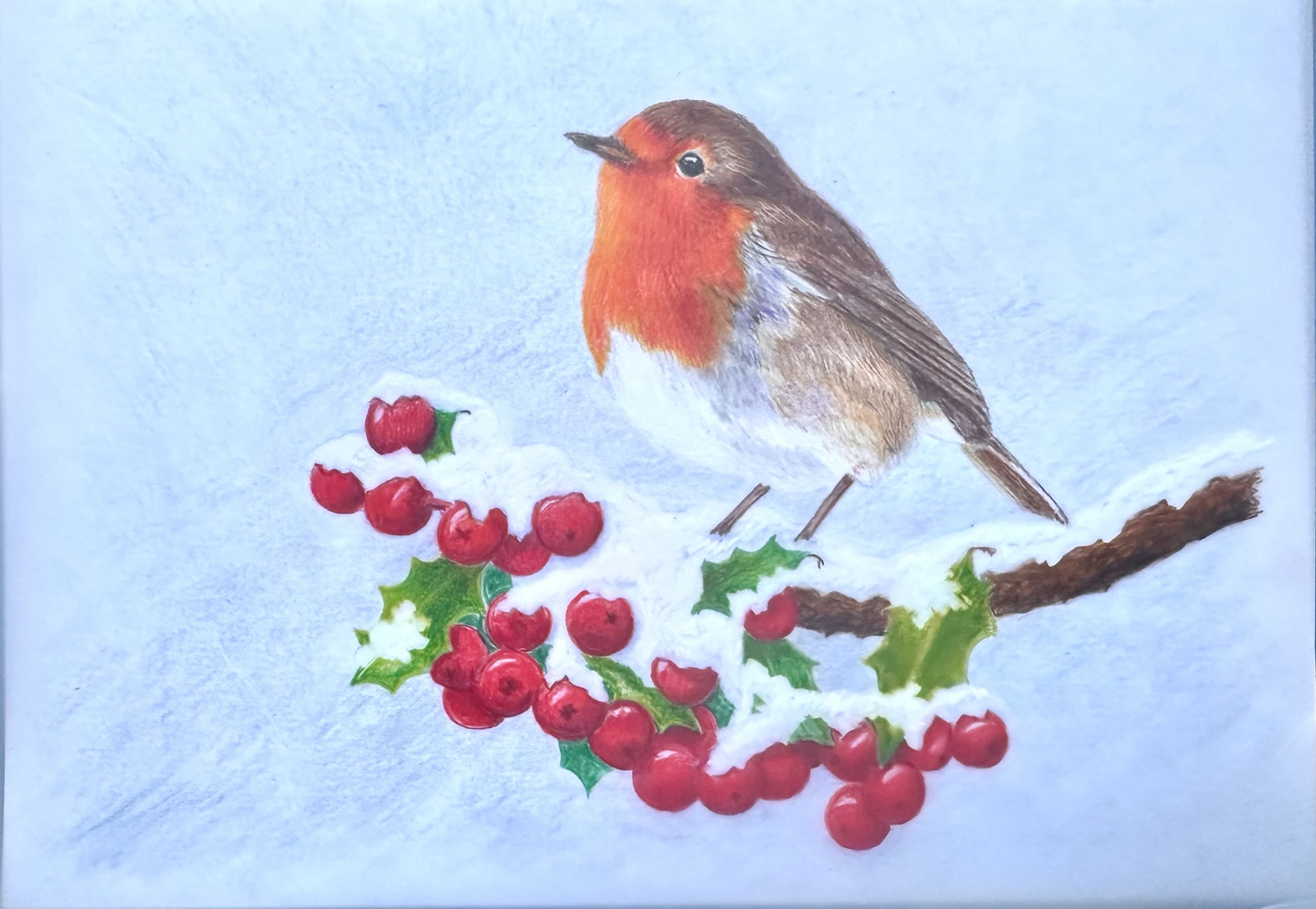
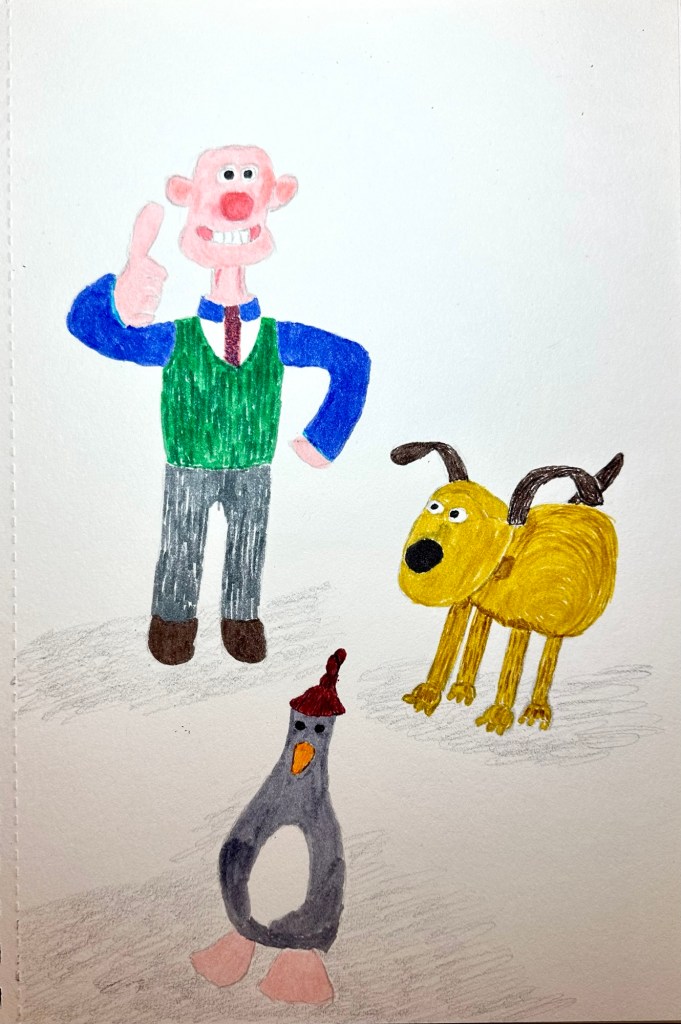
Lovely work everyone, well done for being so bold and colourful with your paints and pens!
The next session is on Saturday 22nd February from 10am to 3pm and the suggested subject is Art Nouveau.
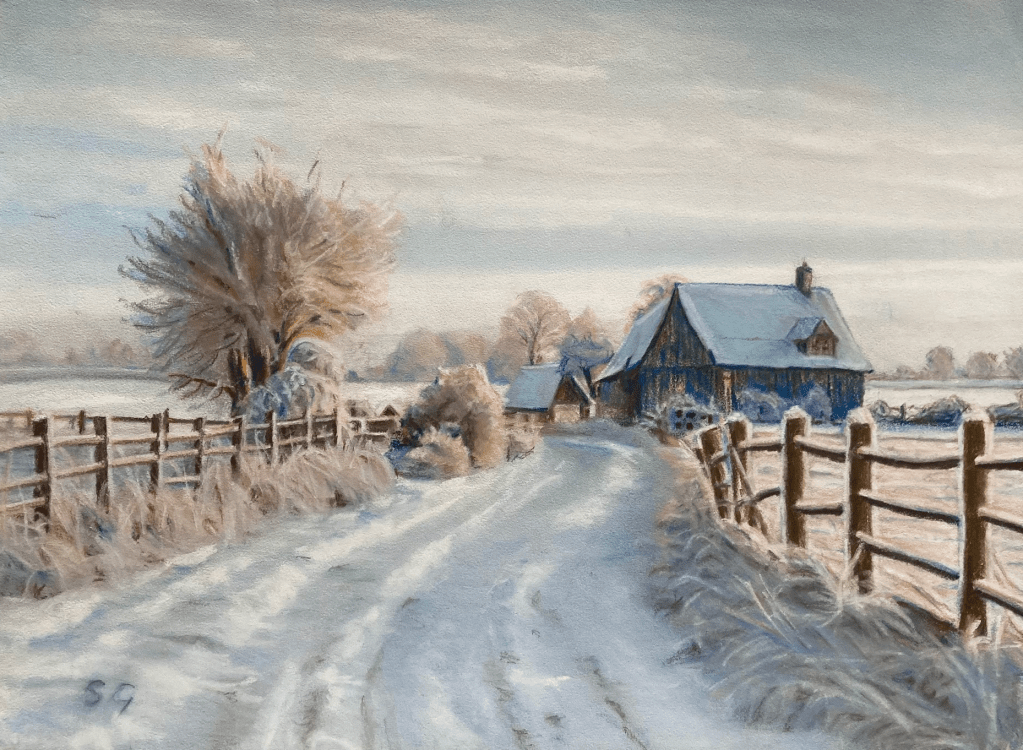
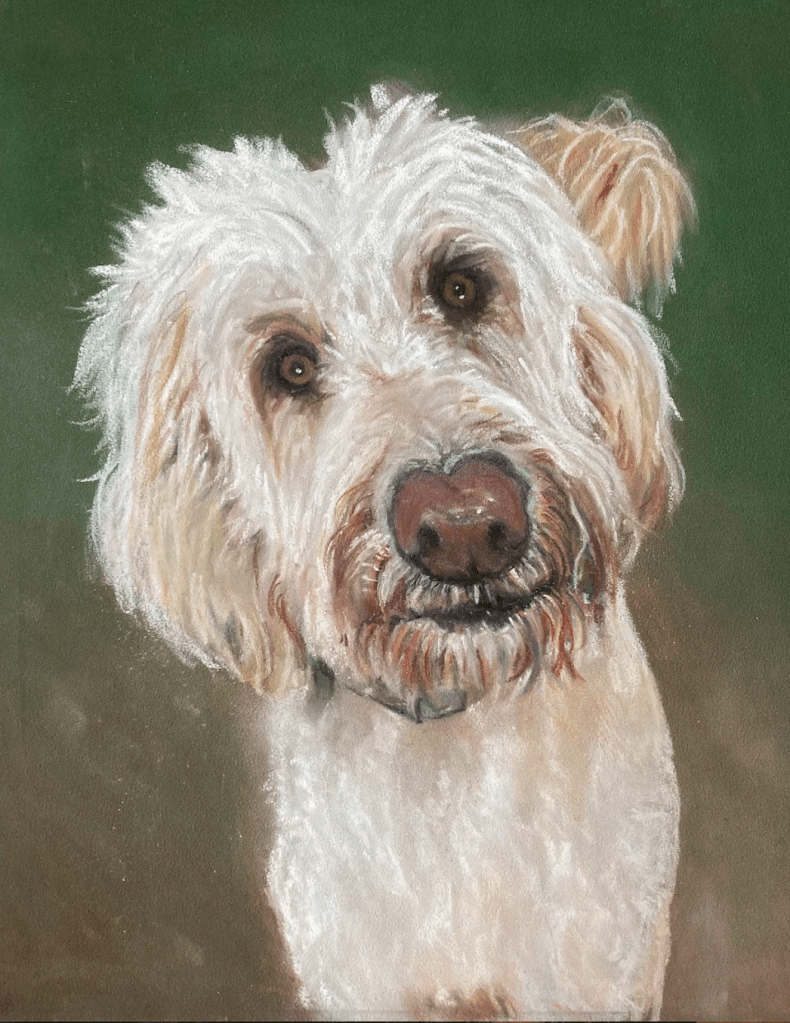
Both artists have completed the pictures they started at the last Saturday session on ‘Winter Wonders’ and Steve has also finished a canine portrait.
Steve’s pictures were made using soft pastels and pastel pencils on Pastelmat paper. The winter picture feels so cold that you can imagine the snow crunching under your feet as you walk along the lane to the house.
The dog picture works so well in pastels as they make it’s fluffy fur look soft and strokeable.
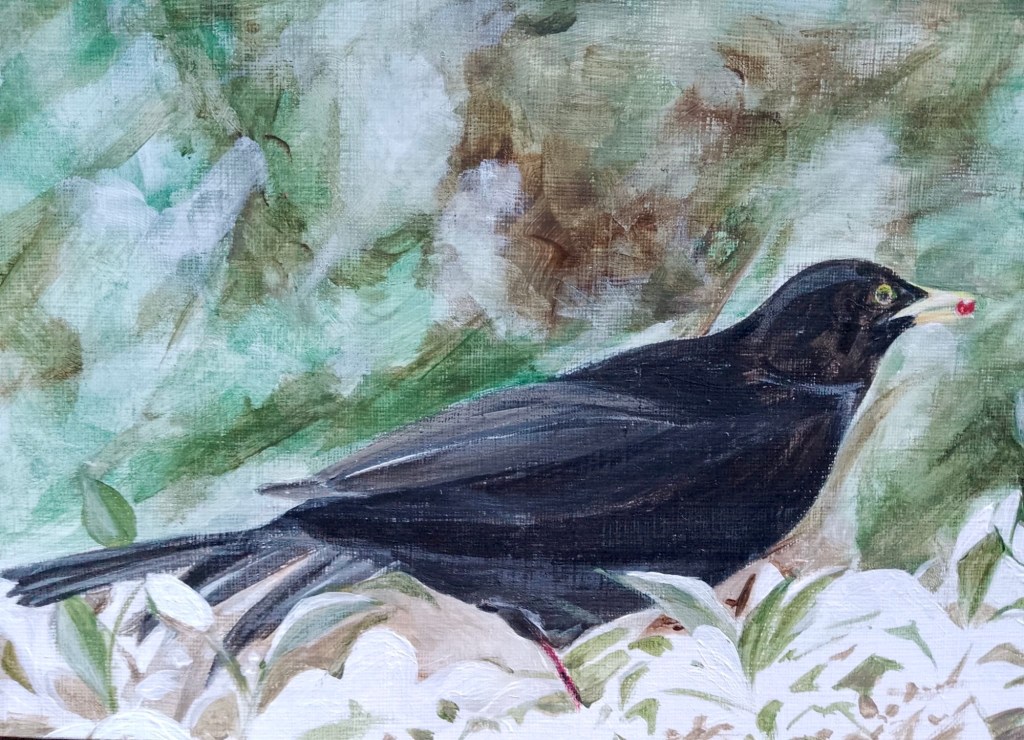
Angela’s picture of a blackbird was painted in acrylics. Lovely use of paint with the blackbird in focus in the foreground and the background out of focus using larger brushstrokes.
Well done Steve and Angela for completing your super pictures and thank you for sharing them with us.
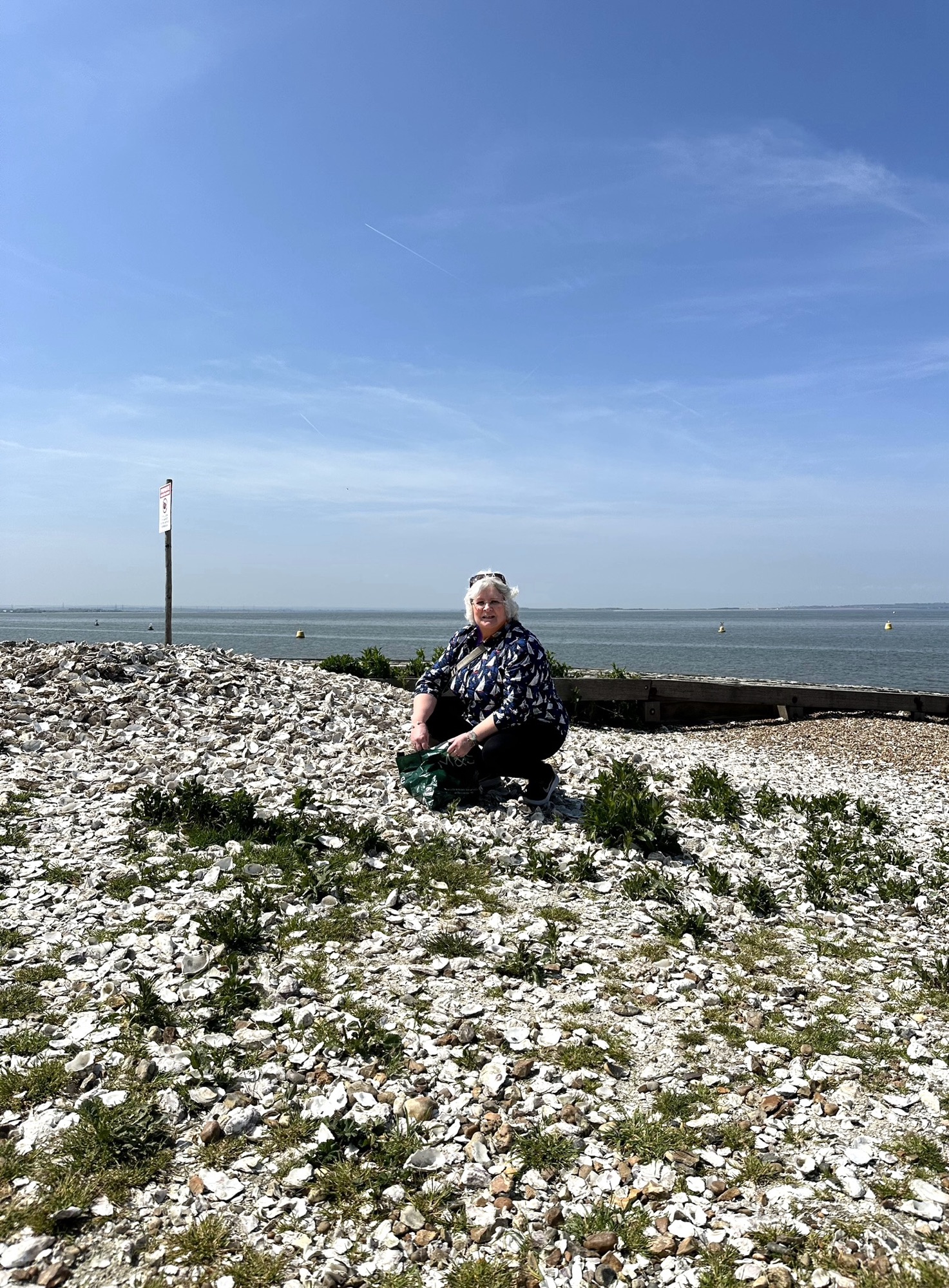
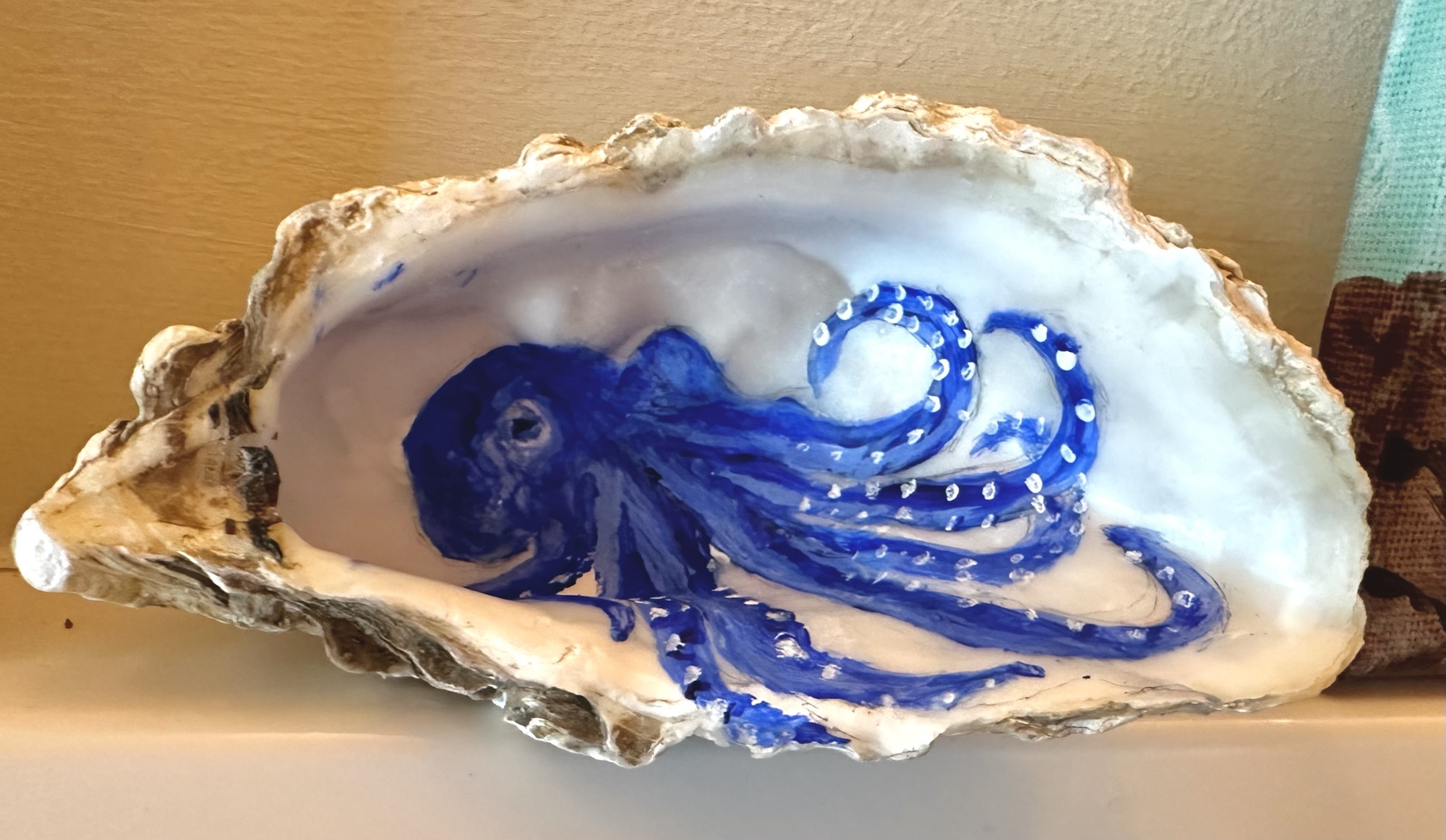
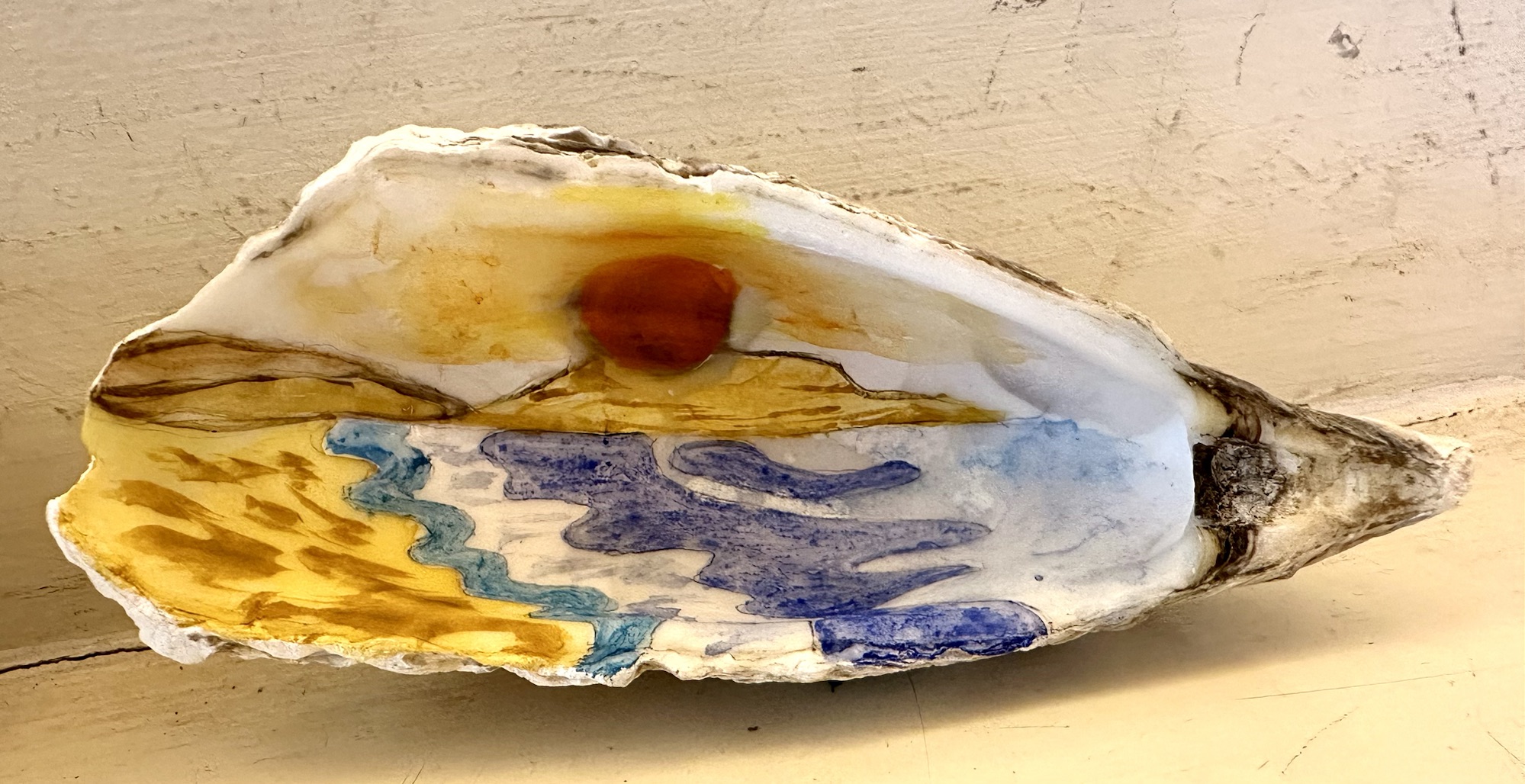
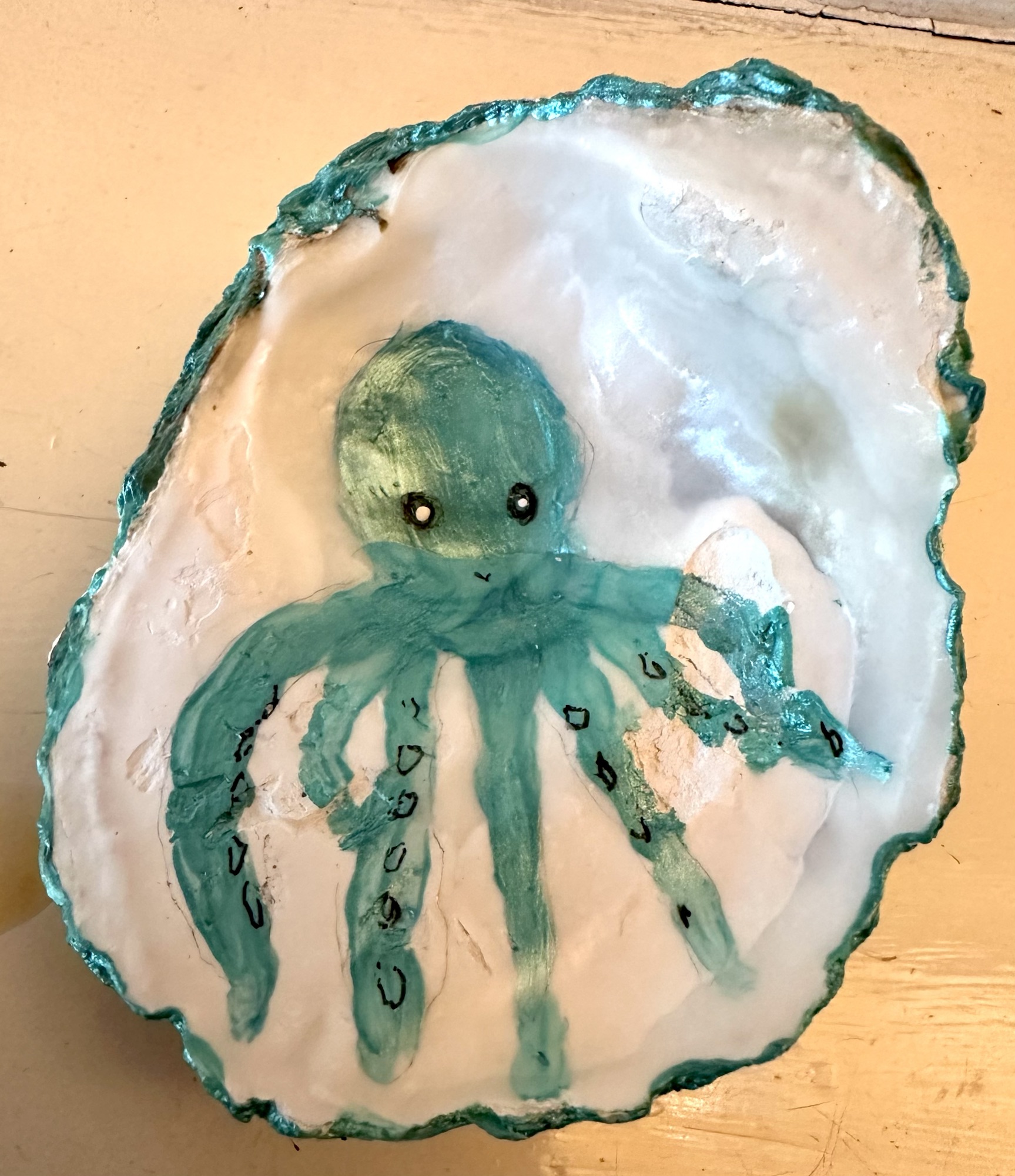
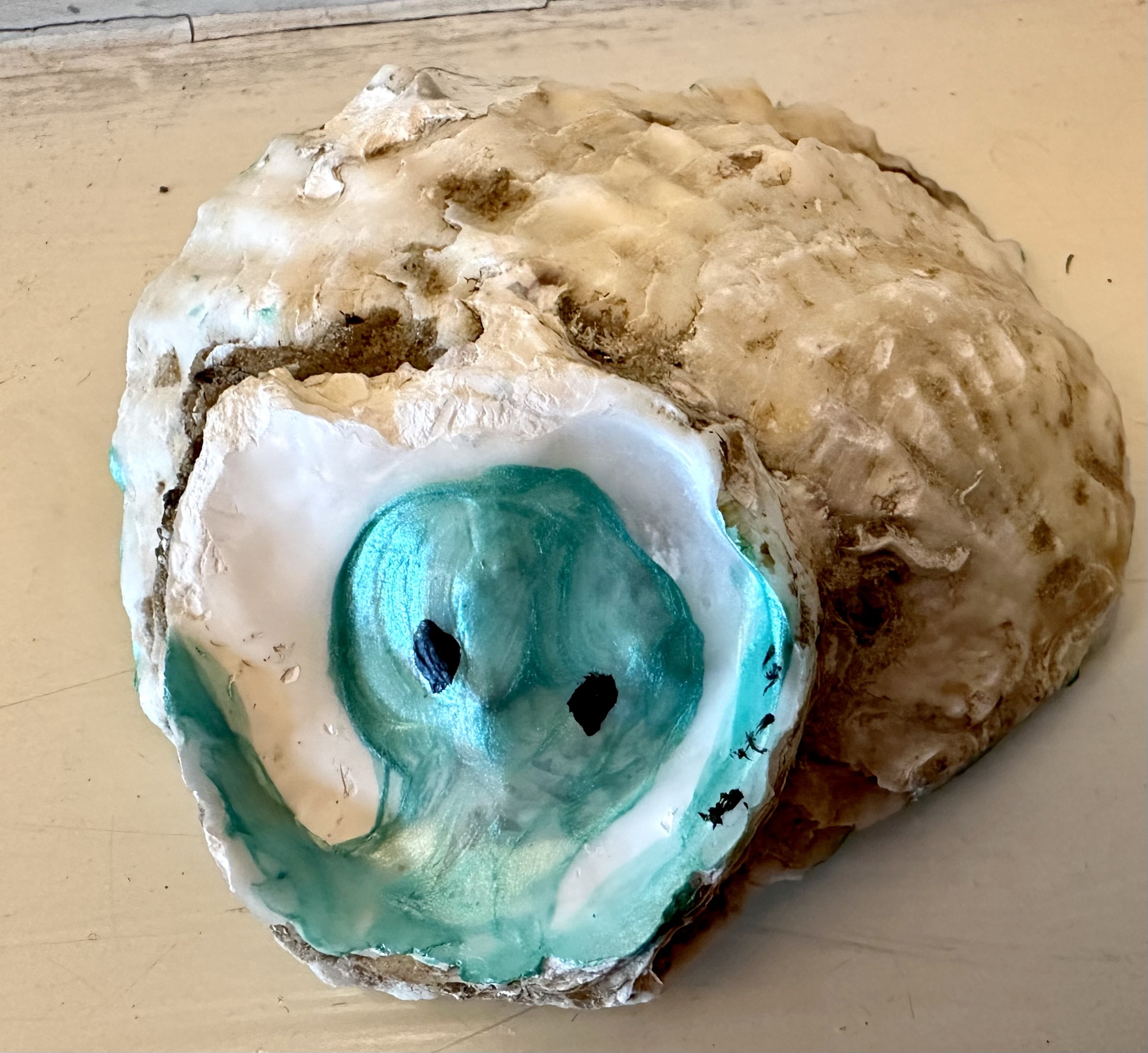
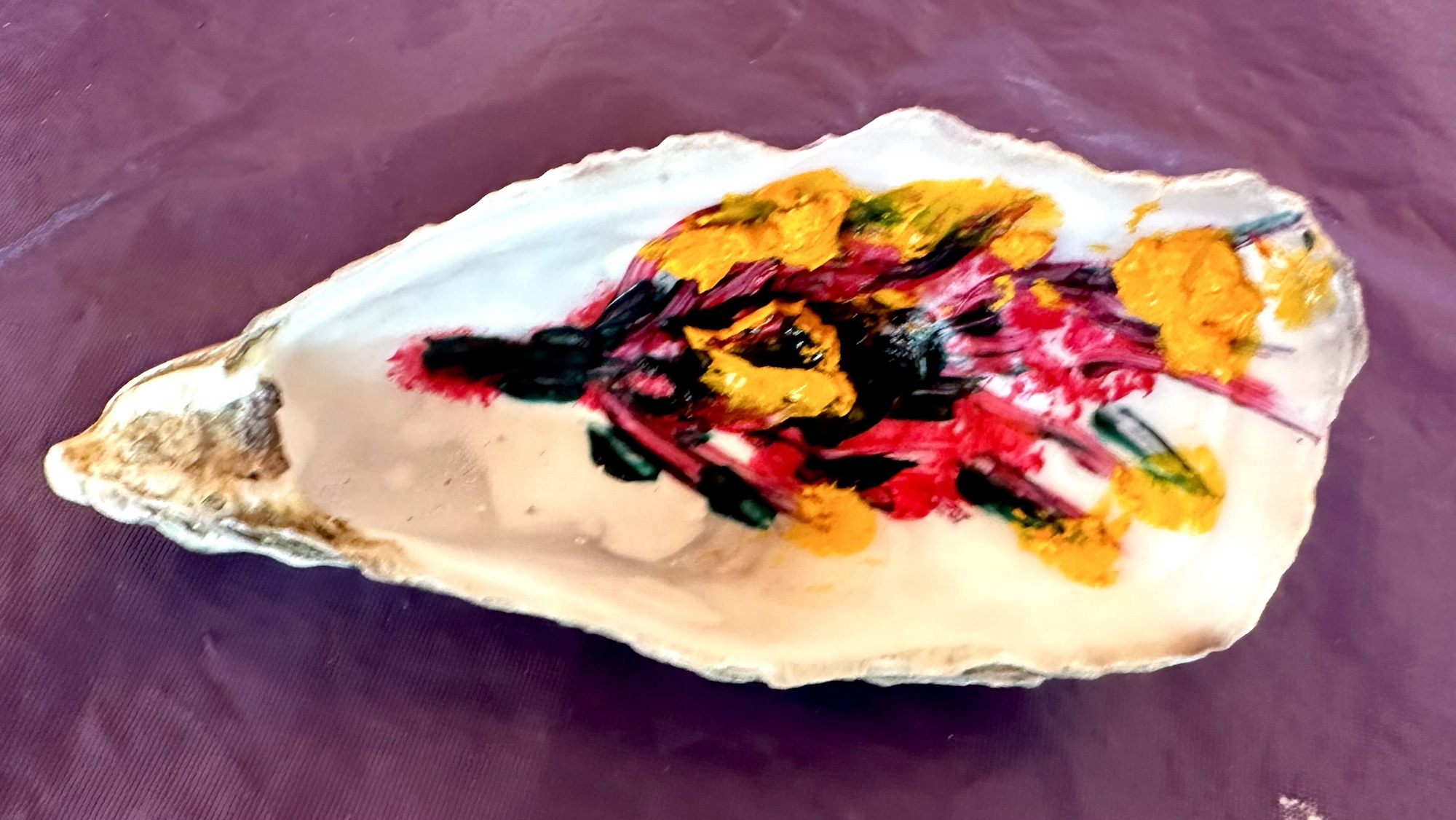
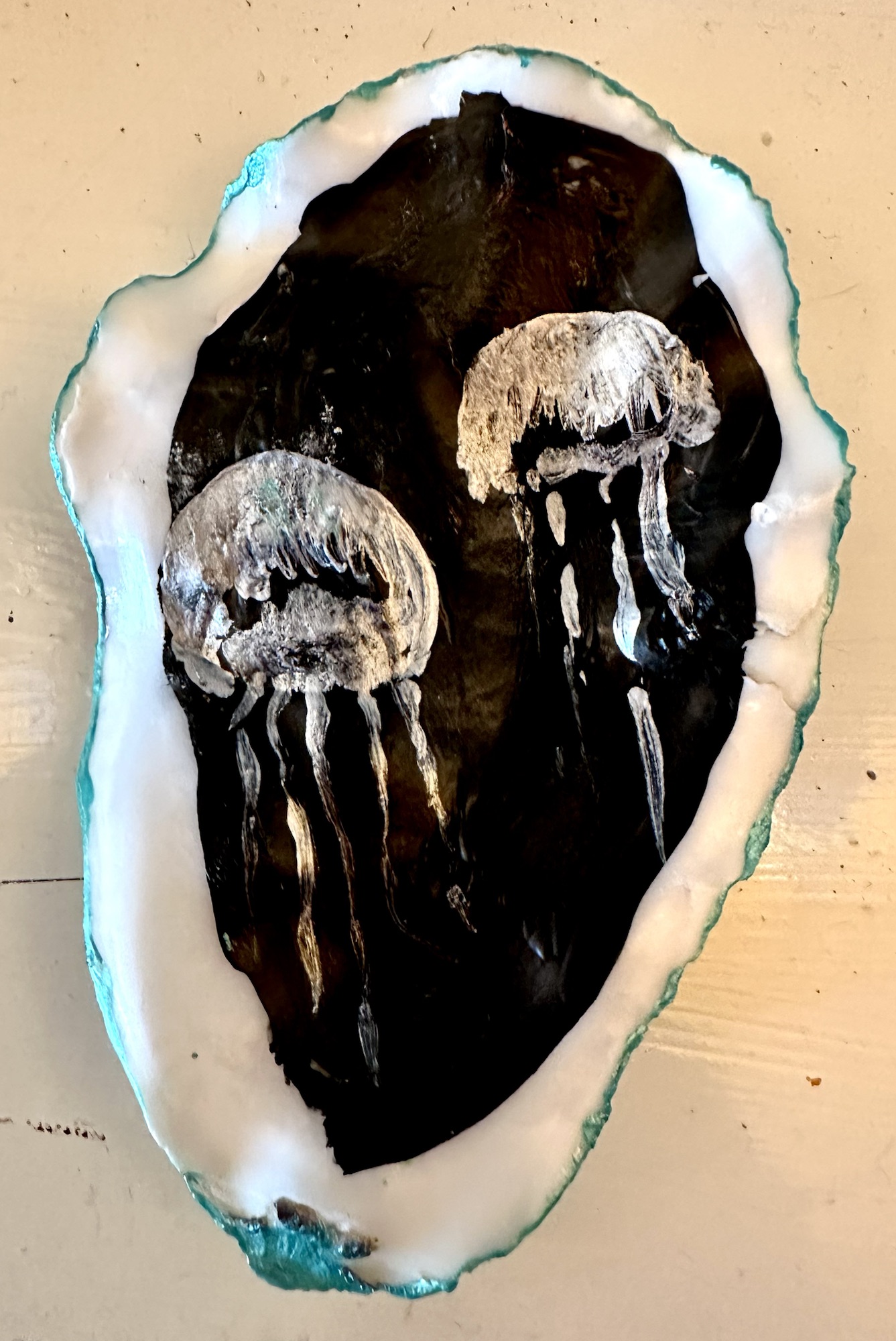
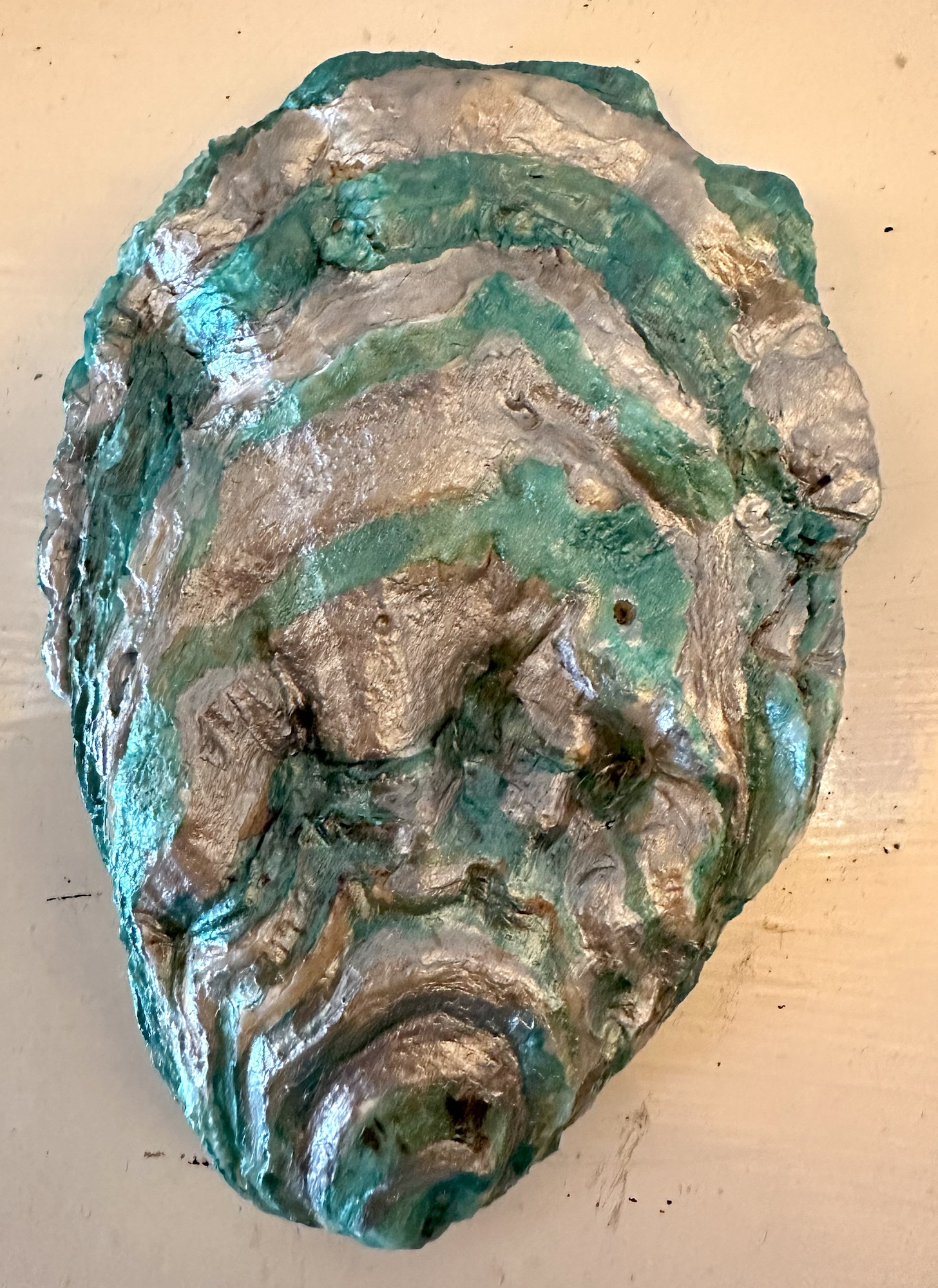
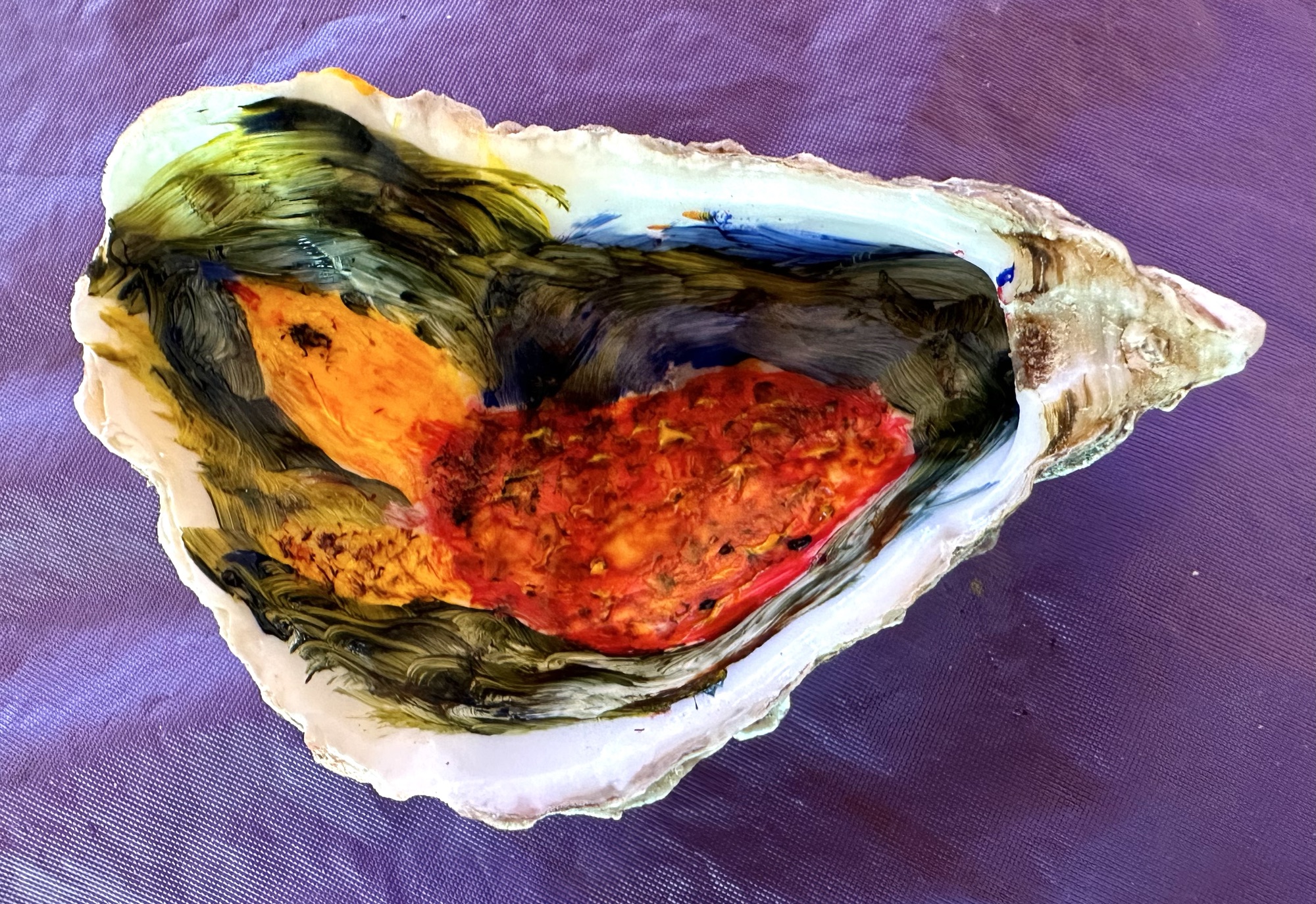
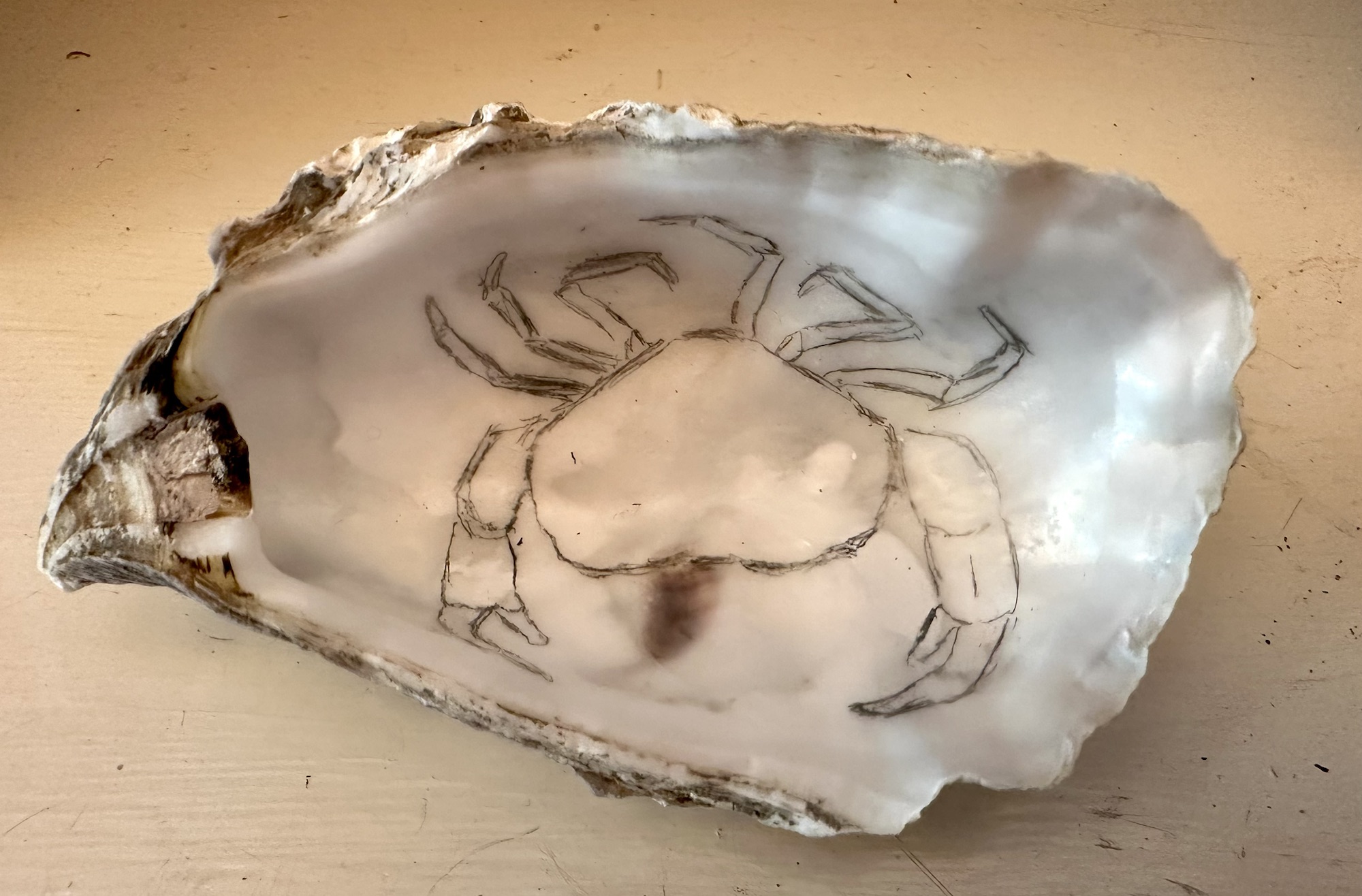
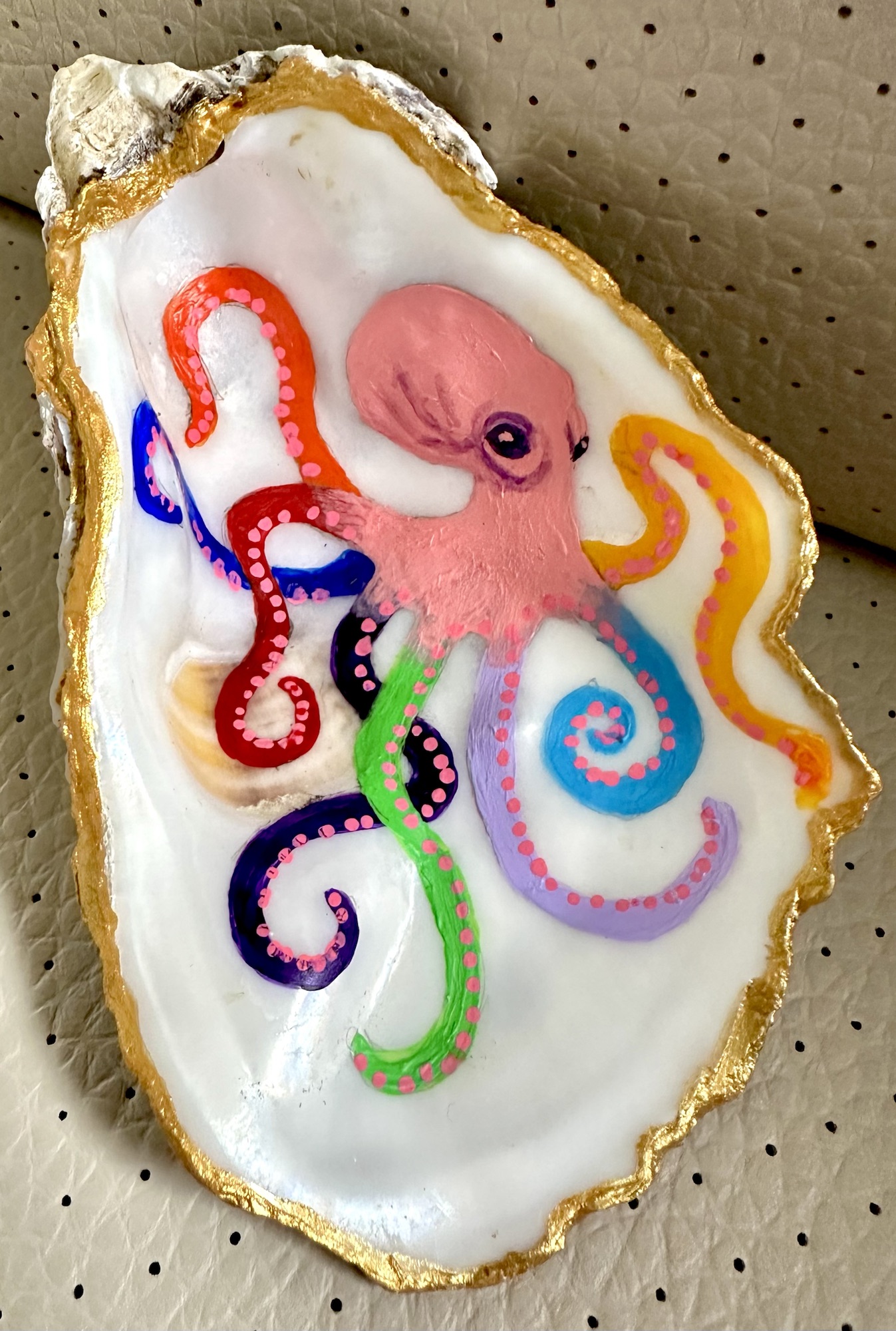
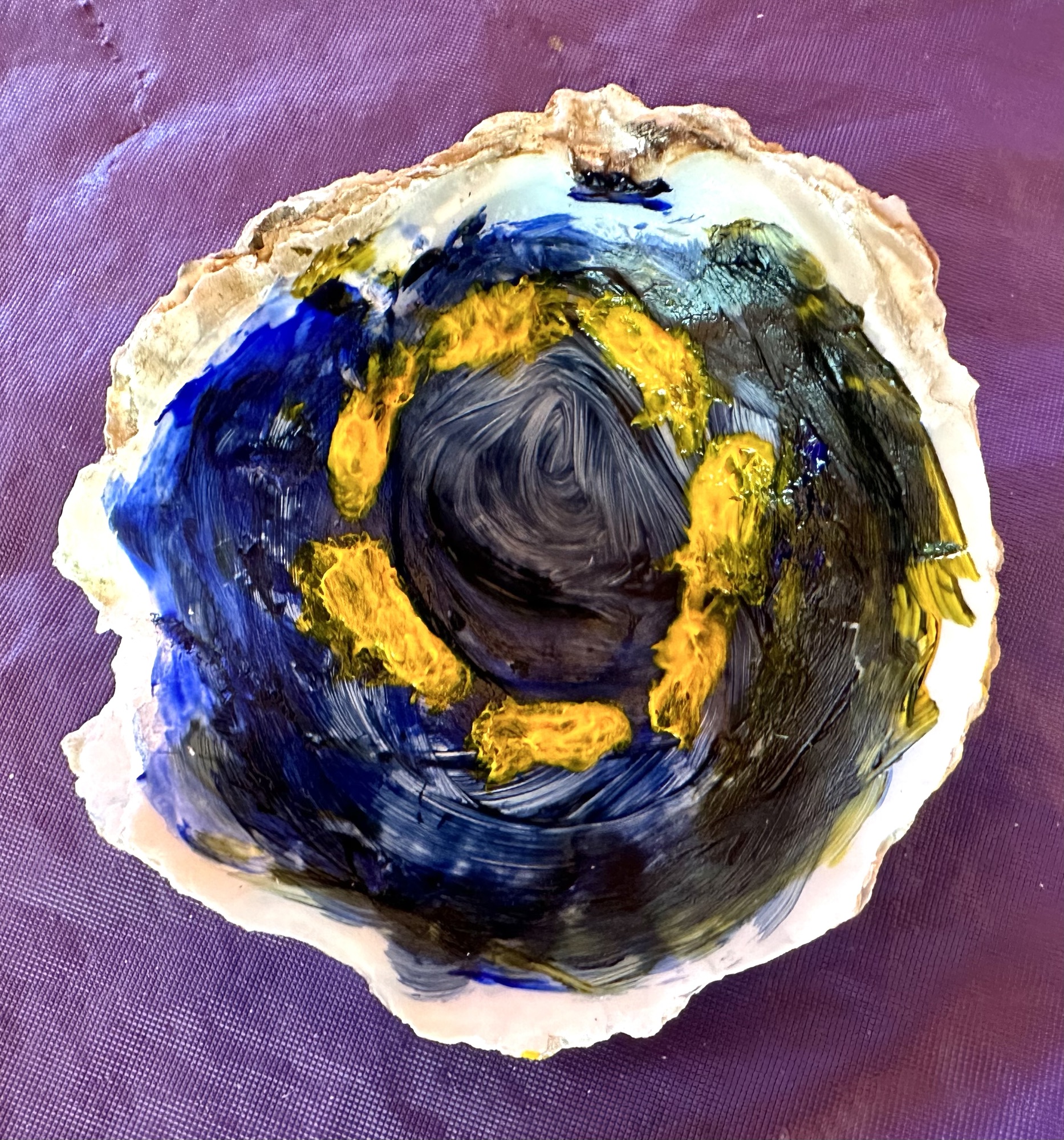
At last Saturday’s session about Underwater Life there were oyster shells to paint, either the traditional teardrop oyster shape or the flatter native oyster shells. Tracy had visited Whitstable beach and helped herself to lots of empty oyster shells which are thrown on the beach behind the Whitstable Oyster Company Restaurant. After a soak in hot water and washing up liquid she scraped off the last of the muscle at the dark muscle scar inside the shells, soaked them with antibacterial spray and left them to dry in the sun. The inside of the oyster shells were all clean to paint with no fishy smell and the outsides were patterned and interesting too.

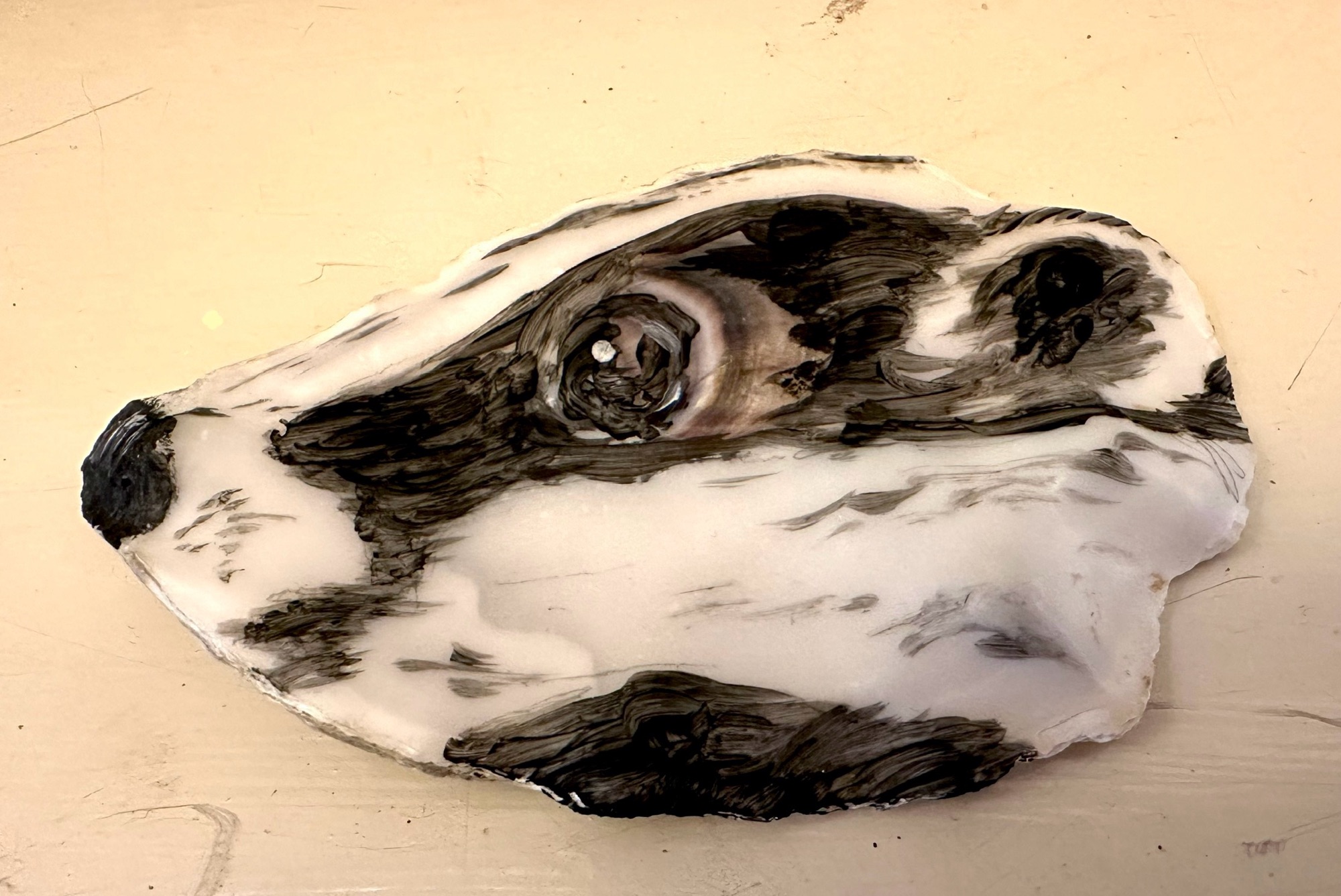
Everyone who painted a shell came up with a design on the spur of the moment and drew inside the shell with pencil then painted with colourful acrylics. Kay painted with watercolours and the paint did stay on the inside. Her painting of a badger’s head on a flat native oyster shell was much admired and we all agreed it was the highlight of all the shells.
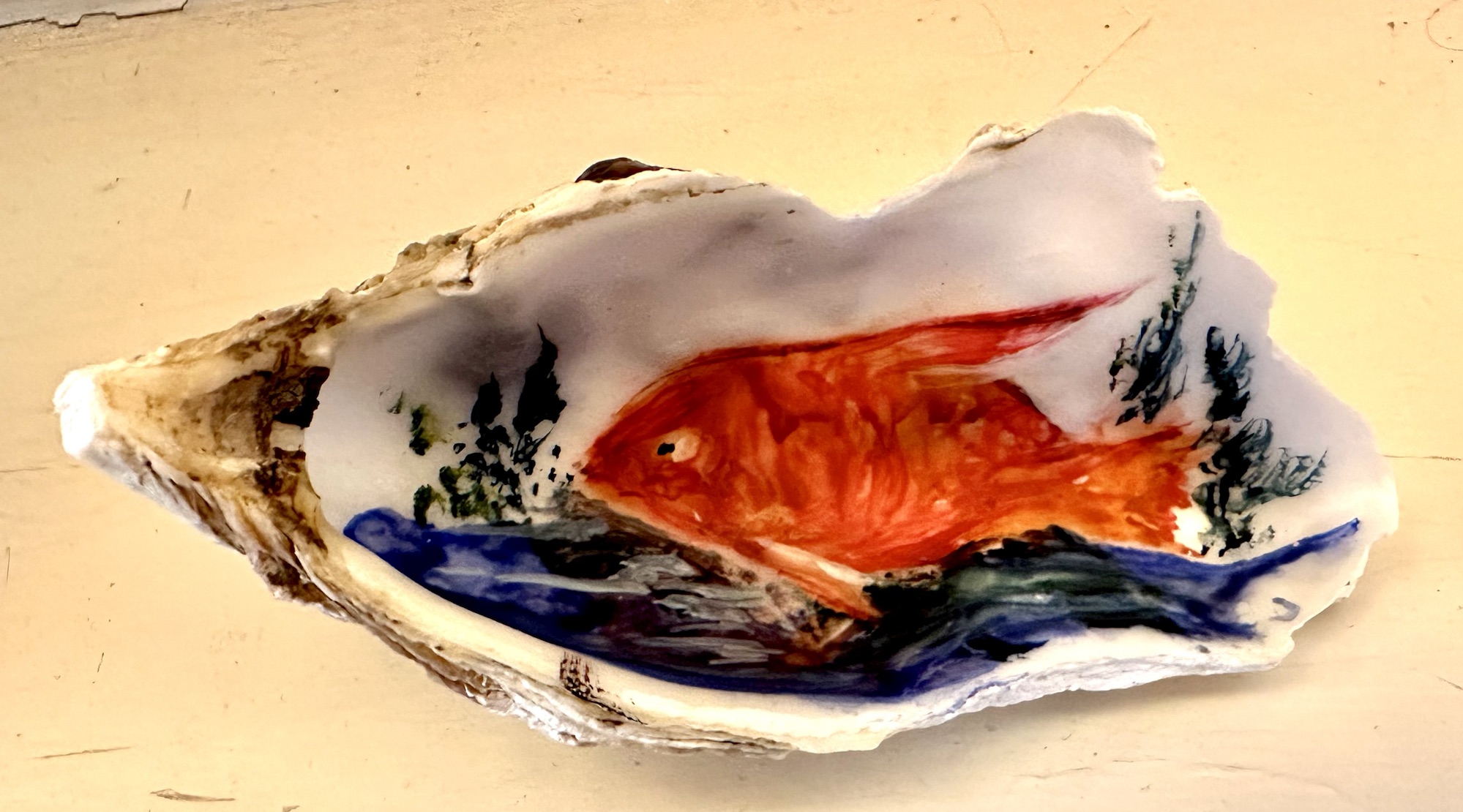
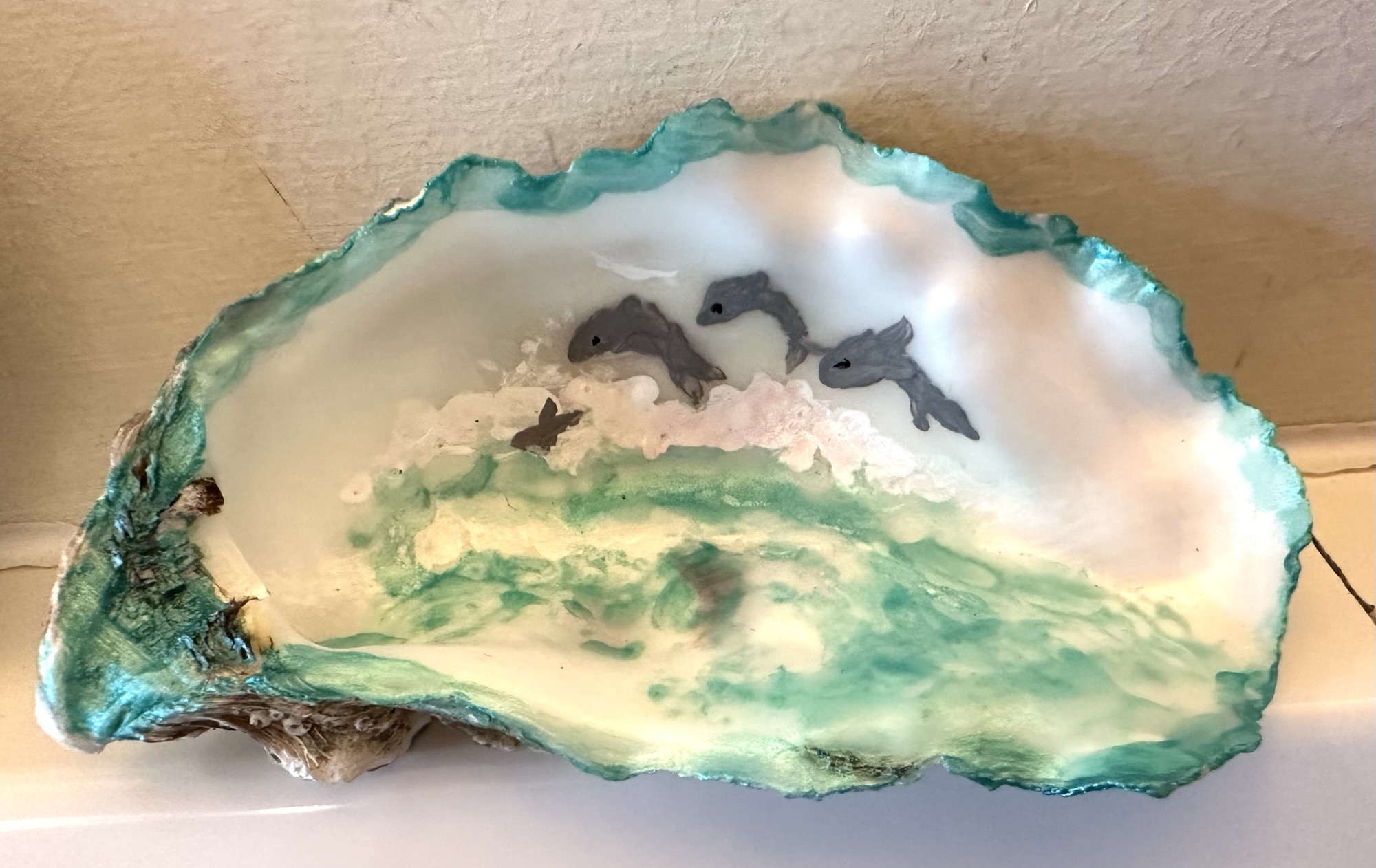



Well done everyone, you painted the shells beautifully and it was fun to try something different!

