Painted dictionary pages

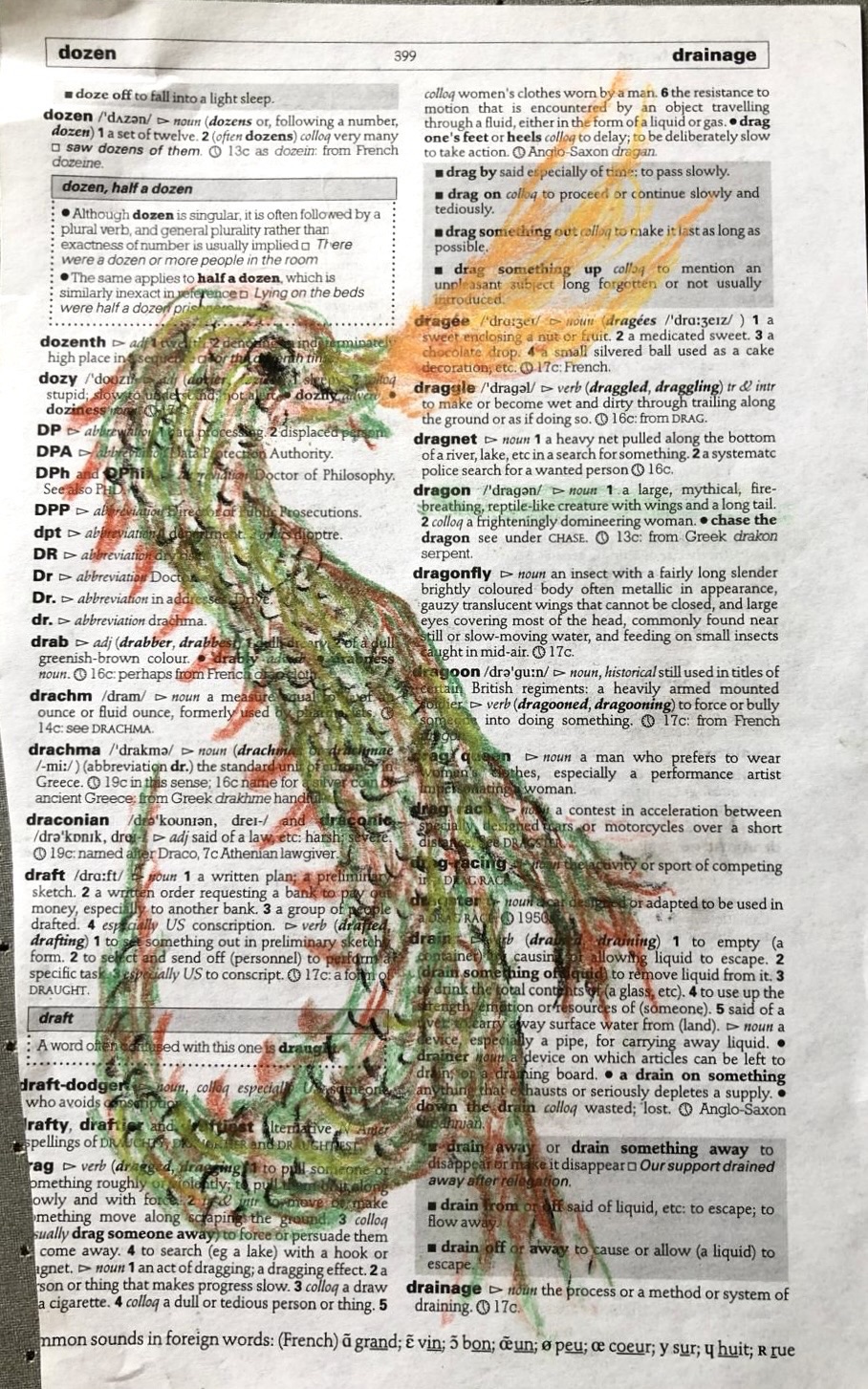
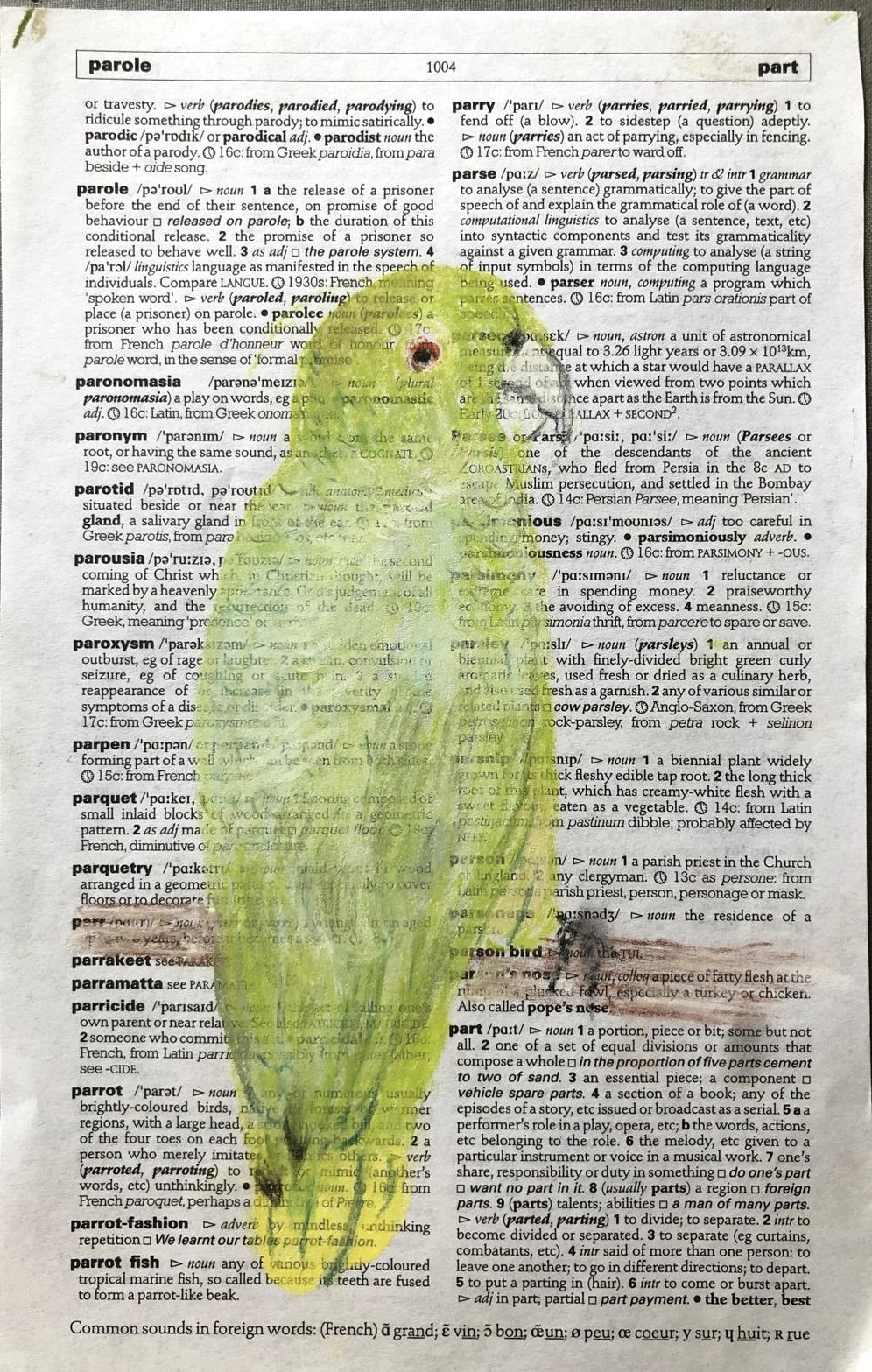
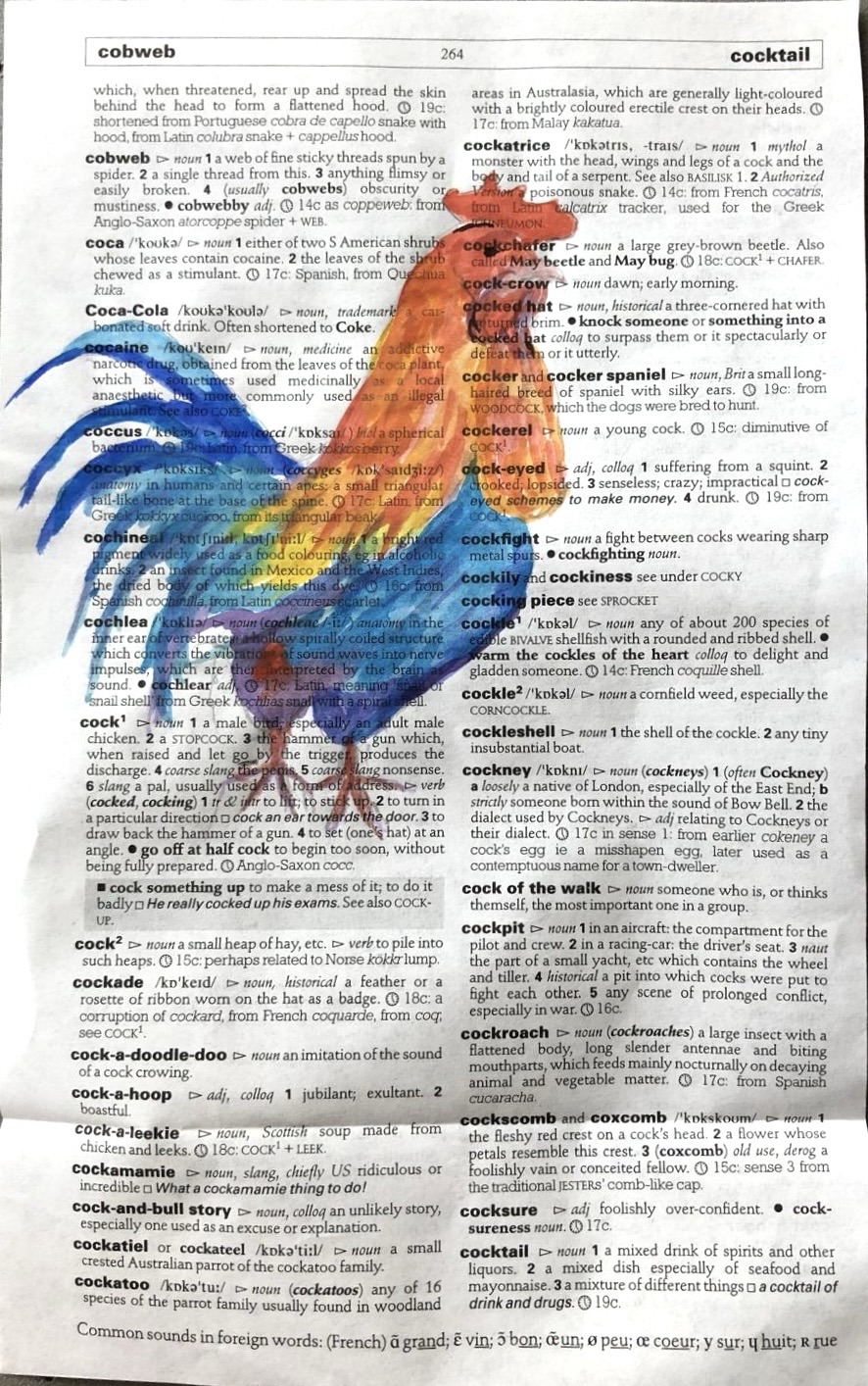
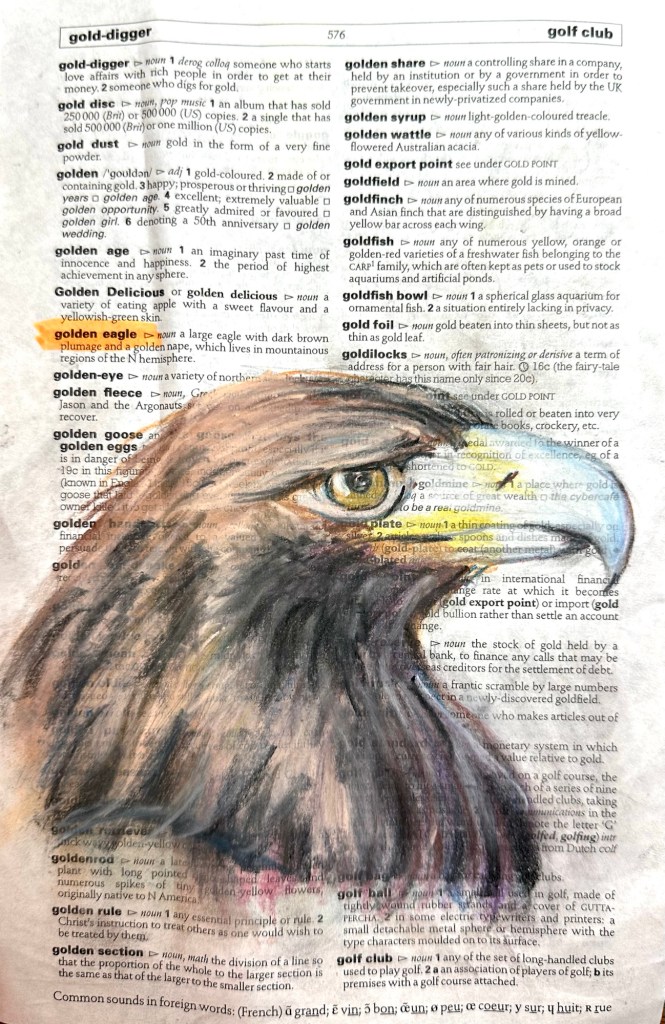
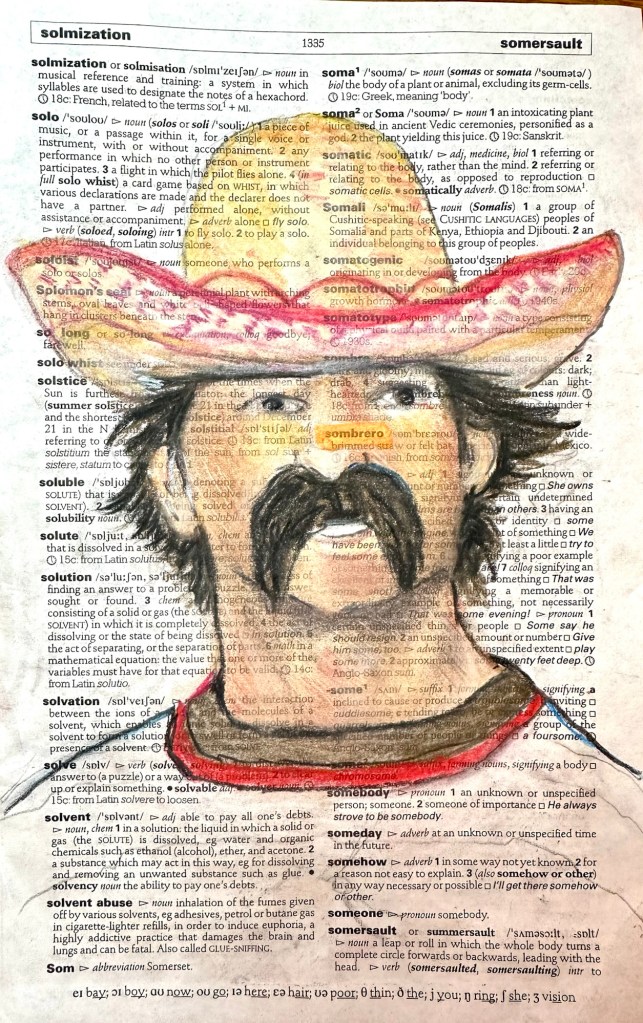
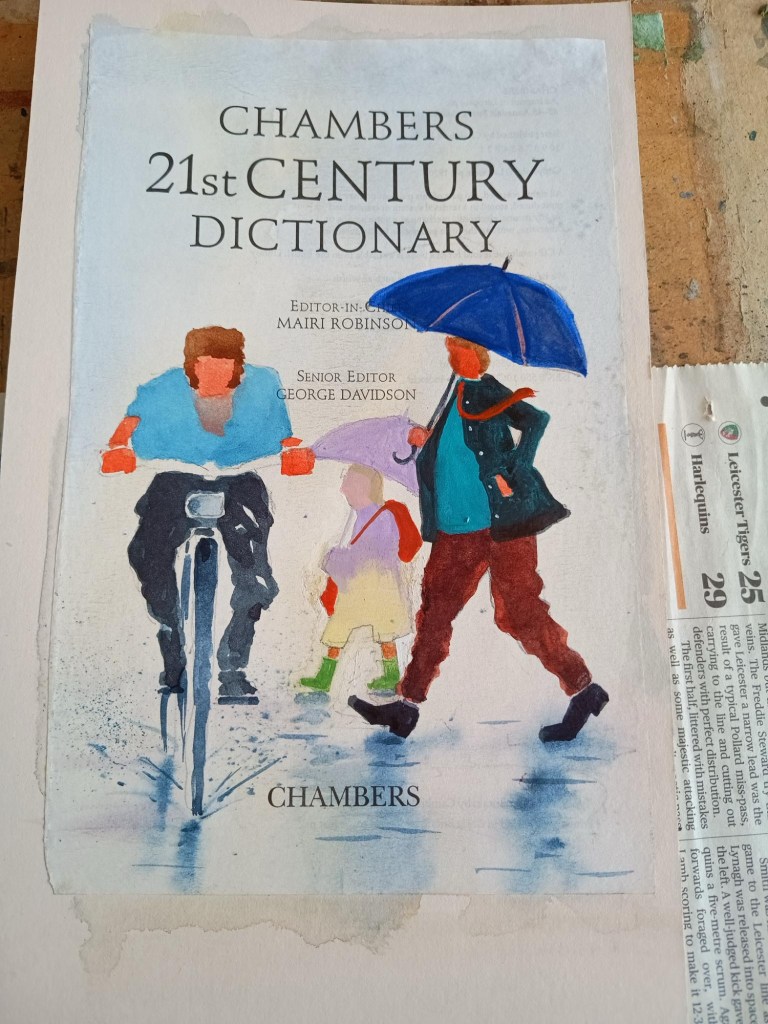
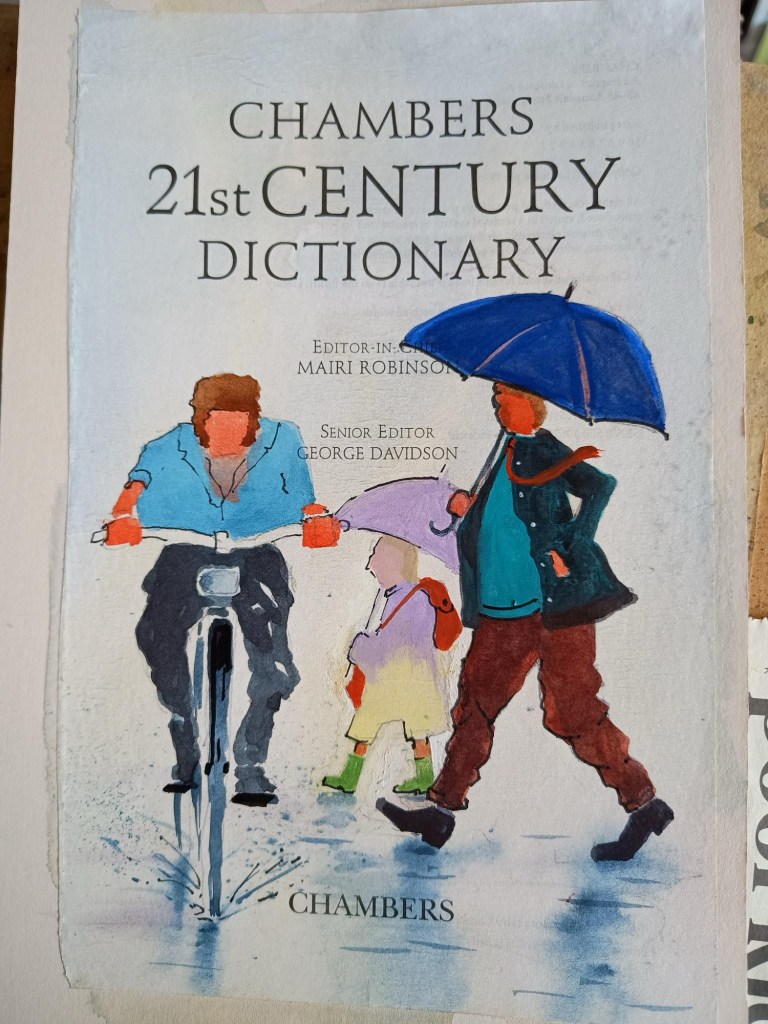
Painting images on dictionary pages has proved a very popular subject.

Brenda rose magnificently to the challenge of painting a picture for her surname which is Paternoster. In Latin Paternoster means ‘Our Father’, the first words of the Lord’s Prayer. The word also means certain beads on a rosary. She used watercolours to paint praying hands holding rosary beads and used metallic paint for the beads and cross.

Mary has drawn and painted several elephant pictures lately so created this image on the dictionary page that has ‘elephant’ printed on it. She used pastel pencils and the thin paper held the multiple pastel colours really well.

Tracy started her picture of a quokka, a small Australian marsupial, at the last session. She had used watercolours quite drily then added coloured pencils to deepen the colour of the paint. Coloured pencils worked really well on the thin paper and gives many options for further pictures without using water on the page.

Well done ladies, it’s really interesting to see the finished pages.

If you complete your painting on book pages do bring them along on Saturday to be photographed, or send your images to Tracy or Steve.

Paint on a book page – June 2024- Wednesday

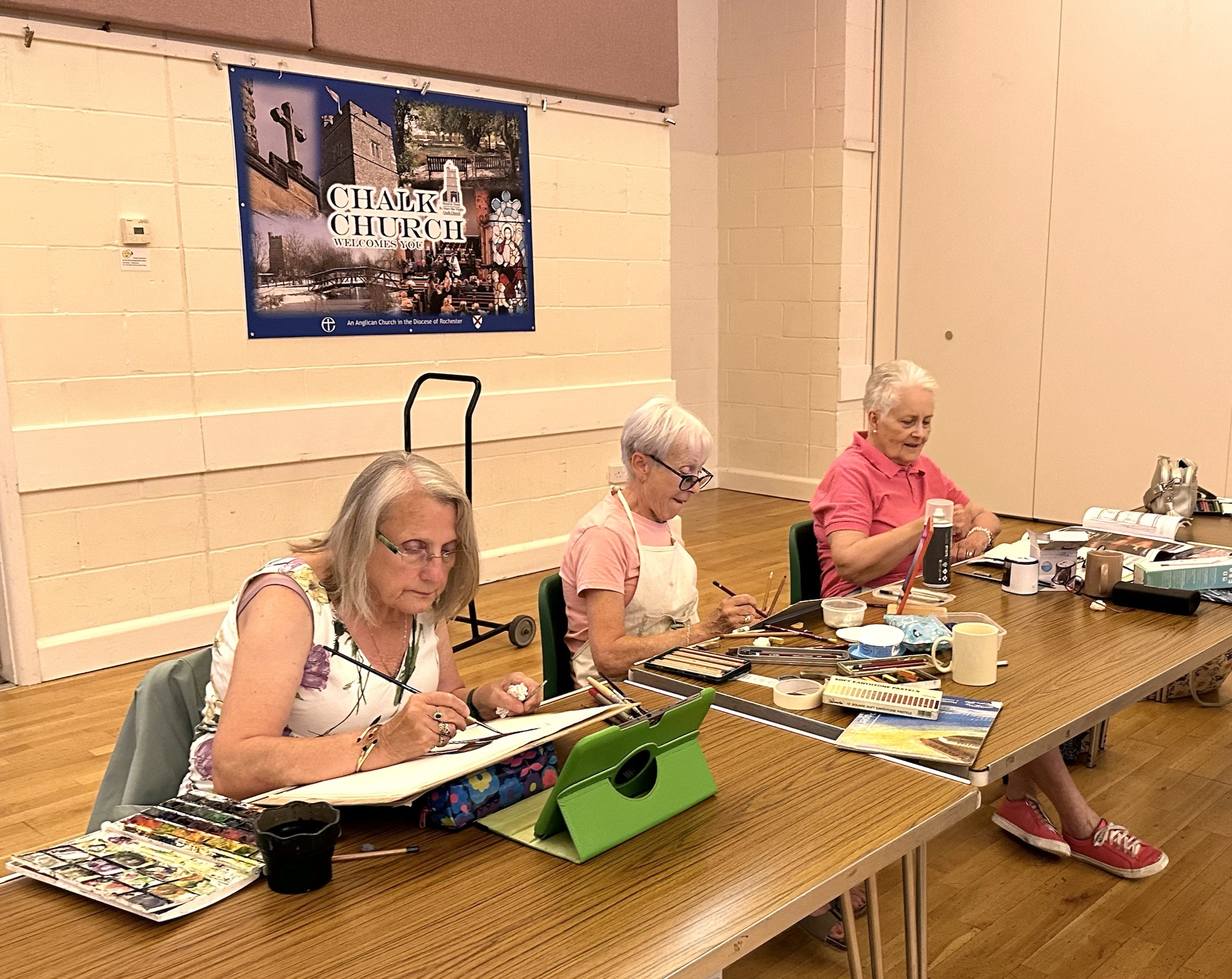
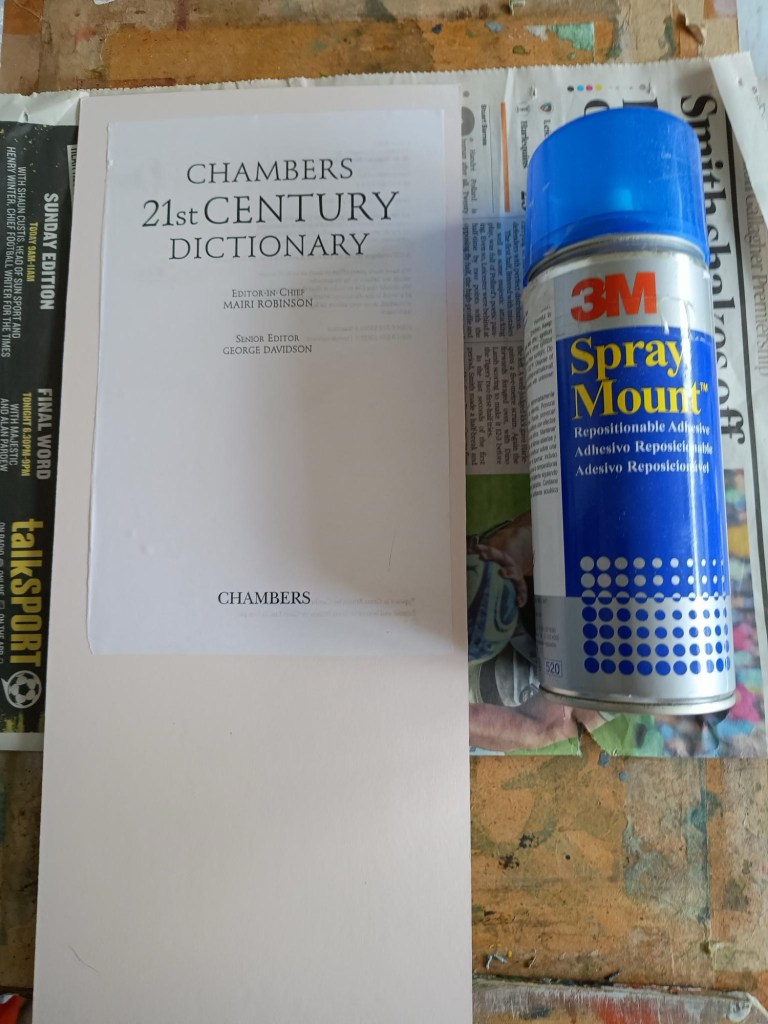
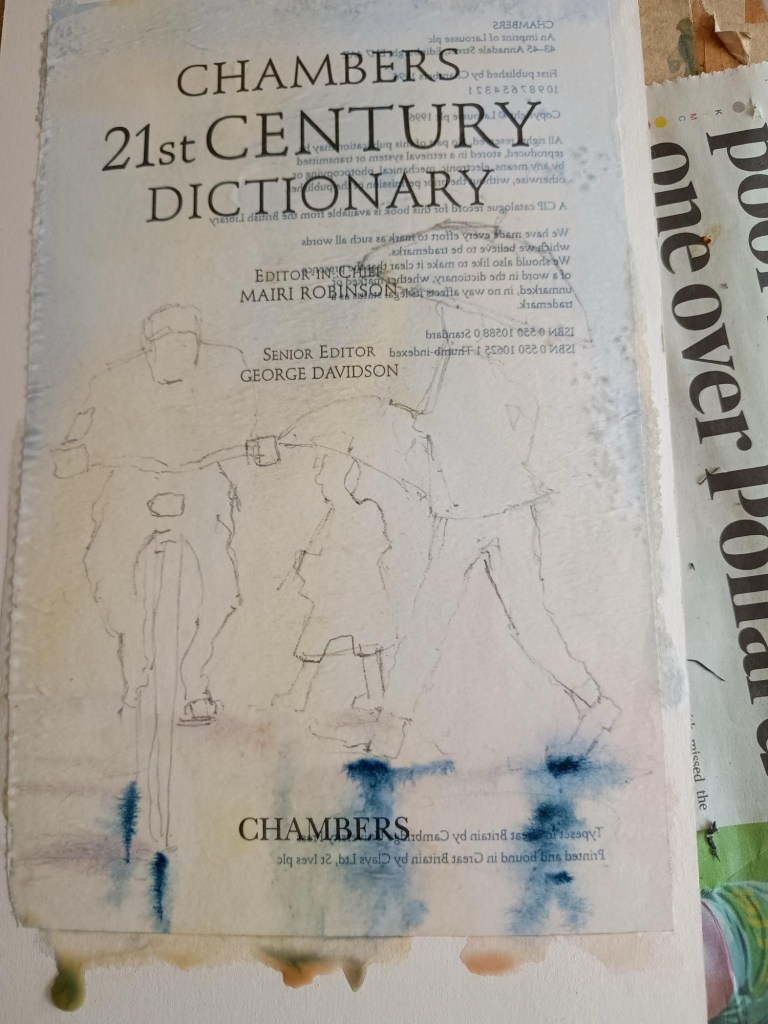
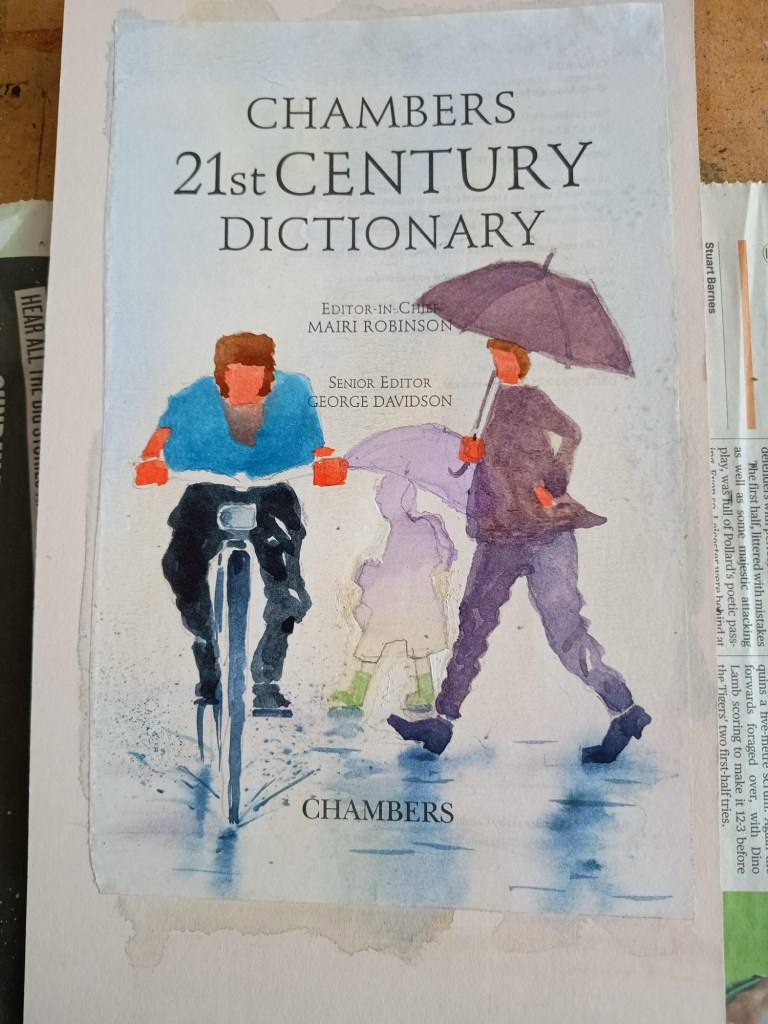
It was a quiet session with only eight members but what we lacked in numbers we made up for in creativity. Painting on a book page proved to be very satisfying with members painting on different types of paper, much thinner than our usual watercolour paper so we had to paint carefully. For those who didn’t bring their own paper there was a choice of books to choose from including a phone book, an RAC guide book, a couple of tatty old novels and a dictionary from eBay costing the huge sum of £1.79 including postage. No new or precious books were harmed during the session!

Removed from the dictionary were pages including the words married, wedding, sunflower and quokka. Words requested to paint another time include hare, lobster, crab, octopus and vulpine, so hopefully these pages can be shown when they’re finished.

Susan suggested this subject and we all agreed it was really interesting. She used a book about opera that had belonged to her late father. Watercolour was used to paint images from an opera on the page where that opera was listed and the paper absorbed the watercolours very well. A very clever idea, Susan.

Christine used an old map to paint a picture of Truro Cathedral on. The third photo shows the painting of Truro Cathedral in acrylics, just above the city’s name. An excellent way to use an old map as many of us have old maps just hanging around that we don’t look at any more.

Kay used the dictionary pages with the words marriage and wedding on to paint pictures of a bride and groom. They will be framed and given as a gift at a wedding she is attending later in the year. What a great idea for a unique present.

Wendy chose the dictionary page with the word sunflower on it and painted a bright and colourful sunflower in acrylics. The page accepted the acrylic paint really well.

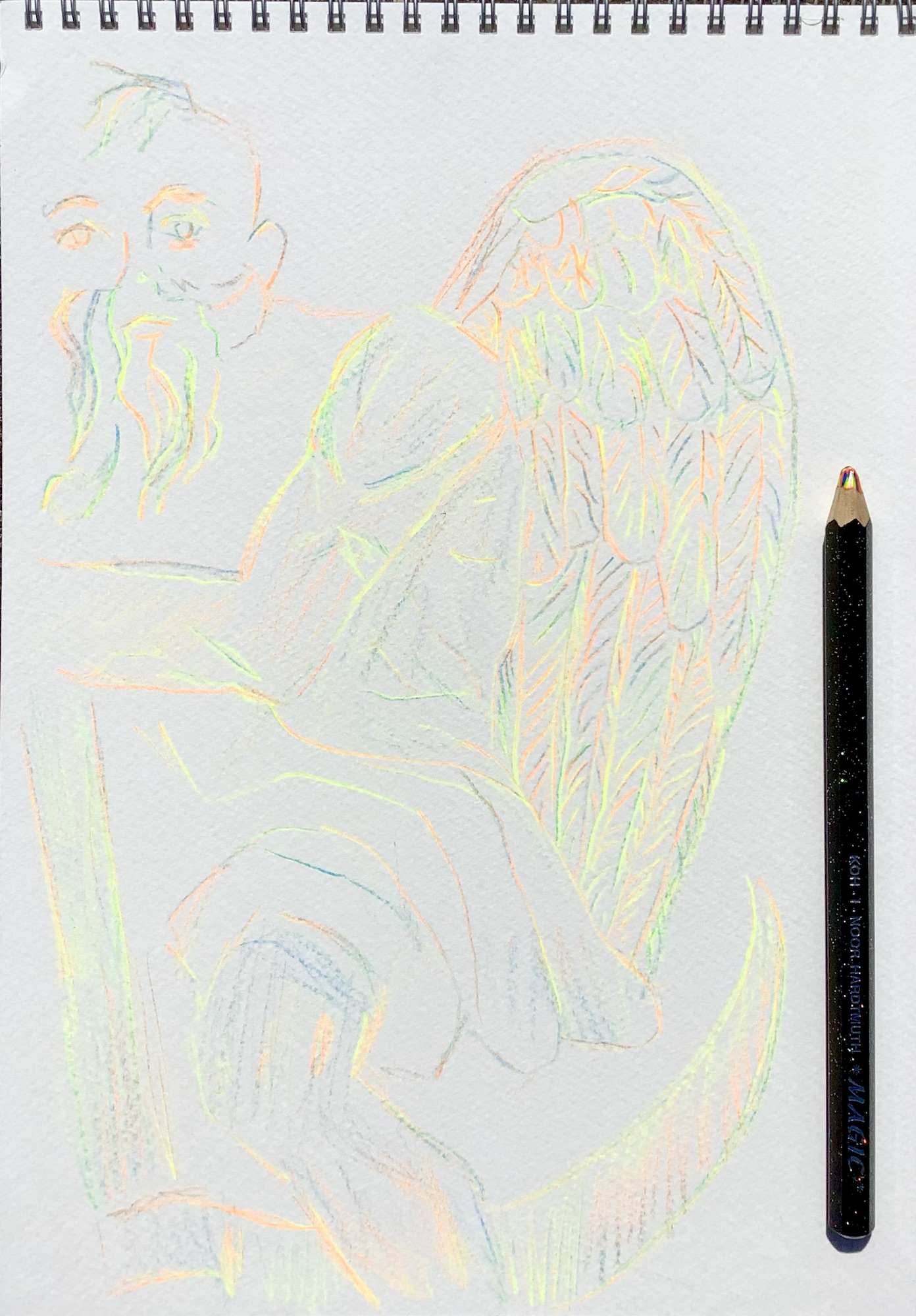
Years ago Patrick typed a page about Zoroaster, the ancient Persian prophet. Instead of staying in a file the page has been used to paint an image of Zoroaster. In coloured pencil and pen the page has been repurposed.

Tracy chose the dictionary page with the work quokka on it. Look closely at the first photo for the definition of a quokka. She drew the animal in pencil and painted it in watercolours. Although the dictionary page is very thin, it accepted the watercolour paint well and the colours will be built up layer by layer, allowing drying time in between. There are other dictionary pages Tracy wants to paint but she may paint those in acrylics.

Angela gets a gold star for painting her two pages whilst on holiday in Devon. She had a National Trust magazine with her so used two pages to paint on. One she painted yesterday whilst chilling in the garden, the second today whilst 40mph winds blew outside. Typical British holiday weather! The first picture of a rose ties in nicely with our next session of ‘In an English Country Garden’.

Two members painted to their own theme. Denise repainted a friend’s garden plaque and Peta continued with her painting of a tram.

Well done everyone, there were some super ideas here.

The old books will be brought in to the next session, so if you missed painting on a book page you can cut out some pages to use. If there’s a particular word on the dictionary you want then email Tracy with that word and she’ll reserve the relevant page for you.

The next session is on Saturday 22nd June from 10am to 3pm.

June 2024

Wednesday 12th 7-9pm – paint on a book page

At the last Saturday session we painted on oyster shells. This time use a page from a book or sheet music for another different surface to paint on. Don’t deface a treasured book but get an old one from a charity shop or use an out of date phone book. Some old pages may be quite absorbent so acrylics or very dry watercolours might be better than using very wet media. Newer books will have shinier, less absorbent pages, so make your choice.

Paint any subject, but you could choose a word from the page and paint that object. A page from an old dictionary would be the perfect prompt. If you use sheet music then the title may spark your imagination. A couple of old books will be available if you can’t find your own surface to paint on.

Saturday 22nd 10am-3pm In an English Country Garden

Take inspiration from the lyrics of the song of the same name written by American country singer Jimmie Rodgers in 1962. The music is based on an old English folk tune from the 1720s called ‘Country Gardens’.

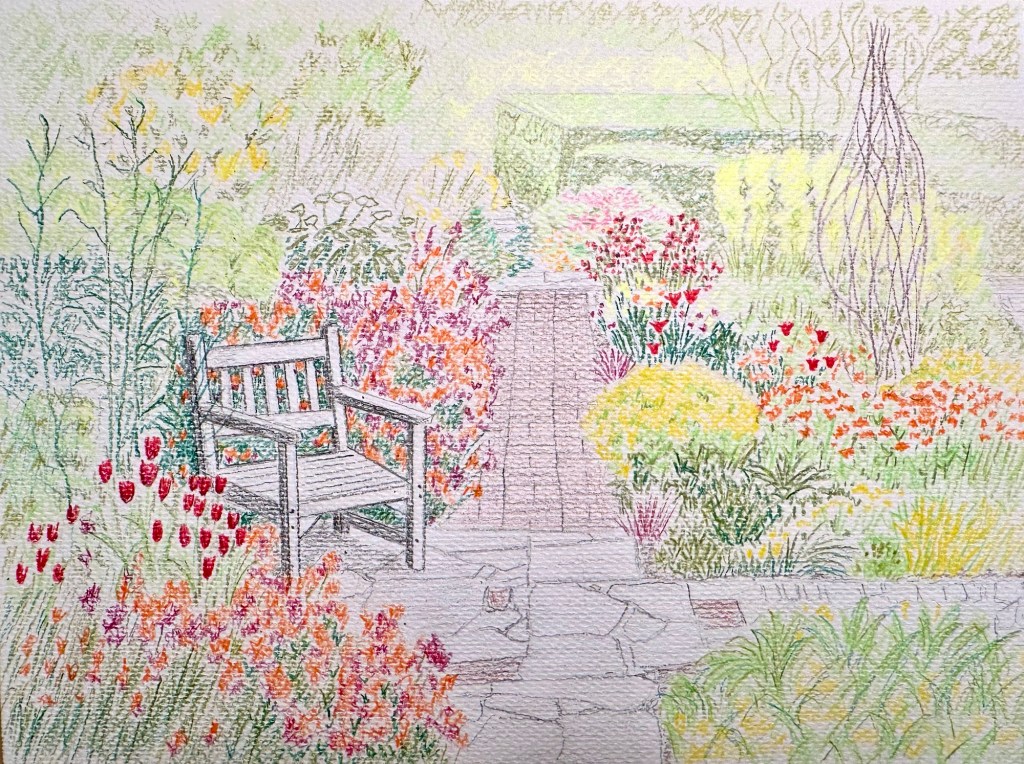
Paint a whole country garden with a house or cottage in, any colourful flower close-up or in a botanical way, birds, insects and maybe a gardener too if you prefer painting people. The choice of subject and media are yours, and if you love painting flowers then this session is perfect for you. Remember back to when we used coloured pencils with visiting tutor Amber Halsall to create viola pictures.

The song lyrics are below, but a few birds are from the Americas and definitely not from England!

Here’s the song on YouTube (if the link doesn’t work for you then just Google the song)… https://youtu.be/EUyxCP5Rvco?si=YKofuJ5p1UABxBUE

The Society of Botanical Artists have their annual Plantae exhibition online from today for the month of June… https://sbaonlinegallery2024.oess1.uk/Artwork/ViewByThumbnail

Here’s the main website about the SBA… https://www.soc-botanical-artists.org

Finished Salvador Dali paintings

Three paintings started at the May Wednesday session have been completed at home.

Angela painted Salvador Dali’s striking portrait in acrylics. She has perfectly captured his intense stare at the viewer.

Susan painted Dali’s mermaids and sea creatures picture in watercolour and finished the details with coloured pencils.

Tracy used black pen for the telephone and watercolour paints for the lobster in the image of ‘Aphrodisiac Telephone’. One of four such telephones made by Dali, this one was made in 1936 and is now in the National Gallery of Australia, Canberra. Pantone Colour of the Year, Peach Fuzz, is in the lobster’s tail and claws.

Good work, ladies! It’s good to see completed paintings when we’ve seen the beginnings at an earlier session.

Painted Whitstable oyster shells

At last Saturday’s session about Underwater Life there were oyster shells to paint, either the traditional teardrop oyster shape or the flatter native oyster shells. Tracy had visited Whitstable beach and helped herself to lots of empty oyster shells which are thrown on the beach behind the Whitstable Oyster Company Restaurant. After a soak in hot water and washing up liquid she scraped off the last of the muscle at the dark muscle scar inside the shells, soaked them with antibacterial spray and left them to dry in the sun. The inside of the oyster shells were all clean to paint with no fishy smell and the outsides were patterned and interesting too.

Everyone who painted a shell came up with a design on the spur of the moment and drew inside the shell with pencil then painted with colourful acrylics. Kay painted with watercolours and the paint did stay on the inside. Her painting of a badger’s head on a flat native oyster shell was much admired and we all agreed it was the highlight of all the shells.

Well done everyone, you painted the shells beautifully and it was fun to try something different!

Underwater Life – May 2024 – Saturday

Eighteen members rose magnificently to the challenge of painting underwater life, using watercolours acrylics, pens and pastels.

Andrea brought along a beautiful, tall and very heavy paperweight of an octopus and Tracy brought in a cup, bowl and Christmas decoration all featuring octopus designs. Tracy’s items were bought from George’s in Whitstable High Street, a shop full of ‘stuff’ that you don’t need but want because it’s handy, nifty or just lovely to look at. George’s have a website with some items on, but they have many more items in the actual shop. The shop is worth a trip to Whitstable :o) www.georgeswhitstable.com

There were oyster shells from Whitstable to paint too and all those photos will be on a separate post, along with finished Salvador Dali paintings.

We were very creative on the day and any works in progress will be finished at home. Several members have supplied photos of artwork they painted at other art groups. There were many different underwater animals and divers painted in glorious colours including turtles, tropical fish, jellyfish, octopuses, sharks, shells, seahorses, rays, crabs, lobsters, a mermaid, a little girl looking at life underwater, and an exotically named axolotl. The first painting is Steve’s slightly disturbing Salvador Dali portrait with sea creatures and a melted clock!

Next month’s ideas will be published on 1st June and the next session will be on Wednesday 12th June 7-9pm.

Decorating dragon scales

Yes, you read the title correctly! At the last session Kay brought in metallic dragon scales for us to decorate.

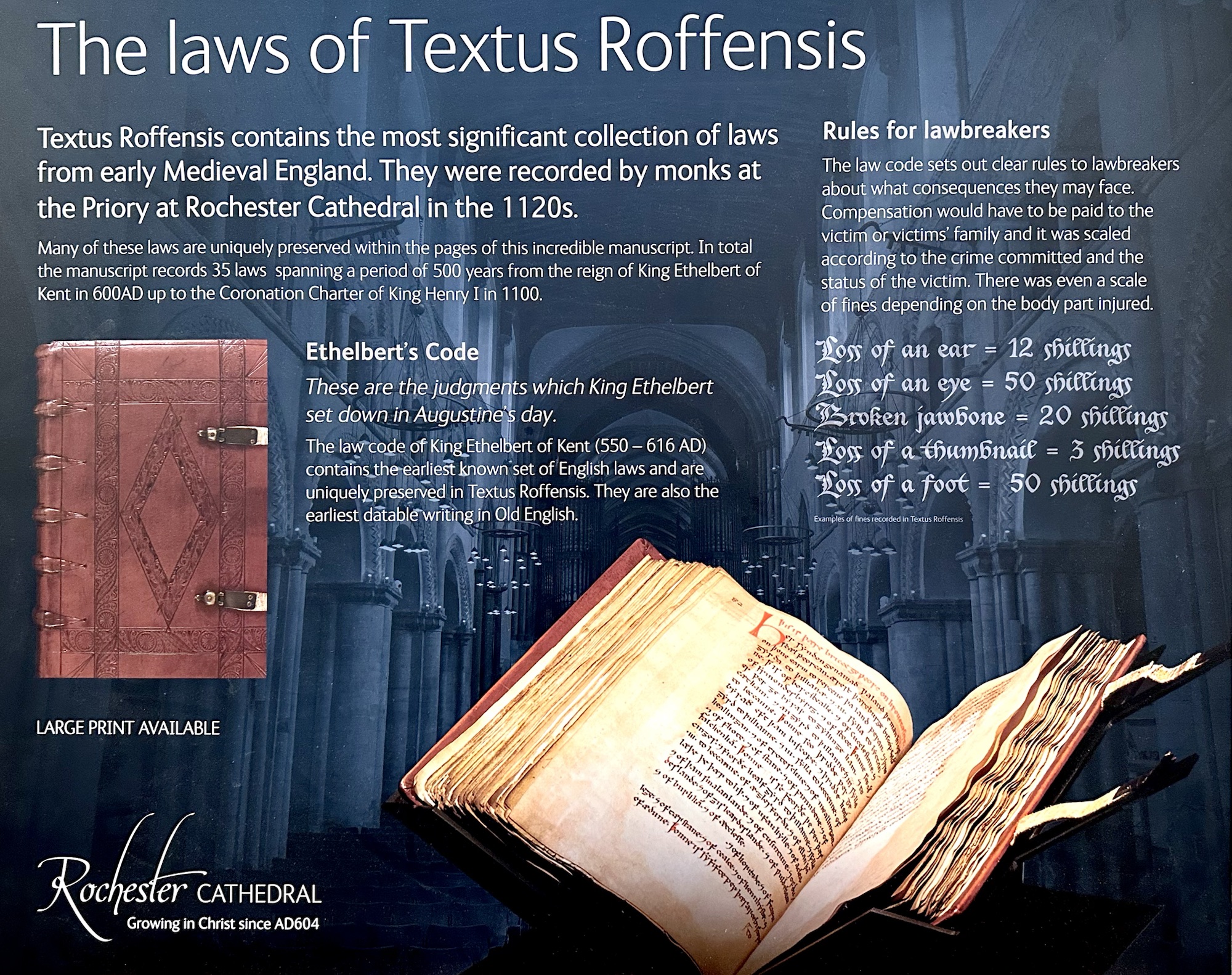
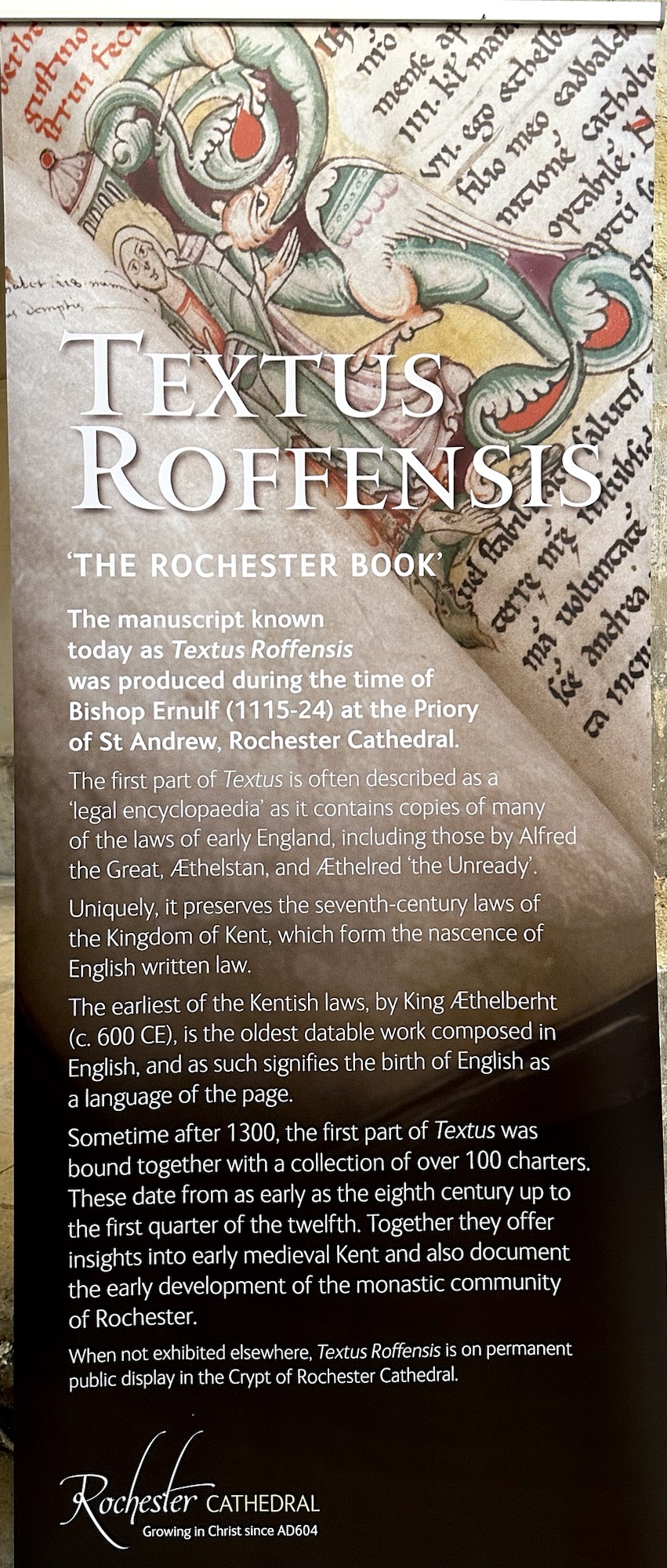
Information on the Rochester Cathedral website tells us that Textus Roffensis is a Mediæval manuscript written in Rochester in the 1120s at the Priory of St.Andrew’s. It is one of the most important Mediæval manuscripts in England and it includes the earliest English laws recorded, dating back to the 7th century. It was added to the UNESCO Memory of the World register in 2022.

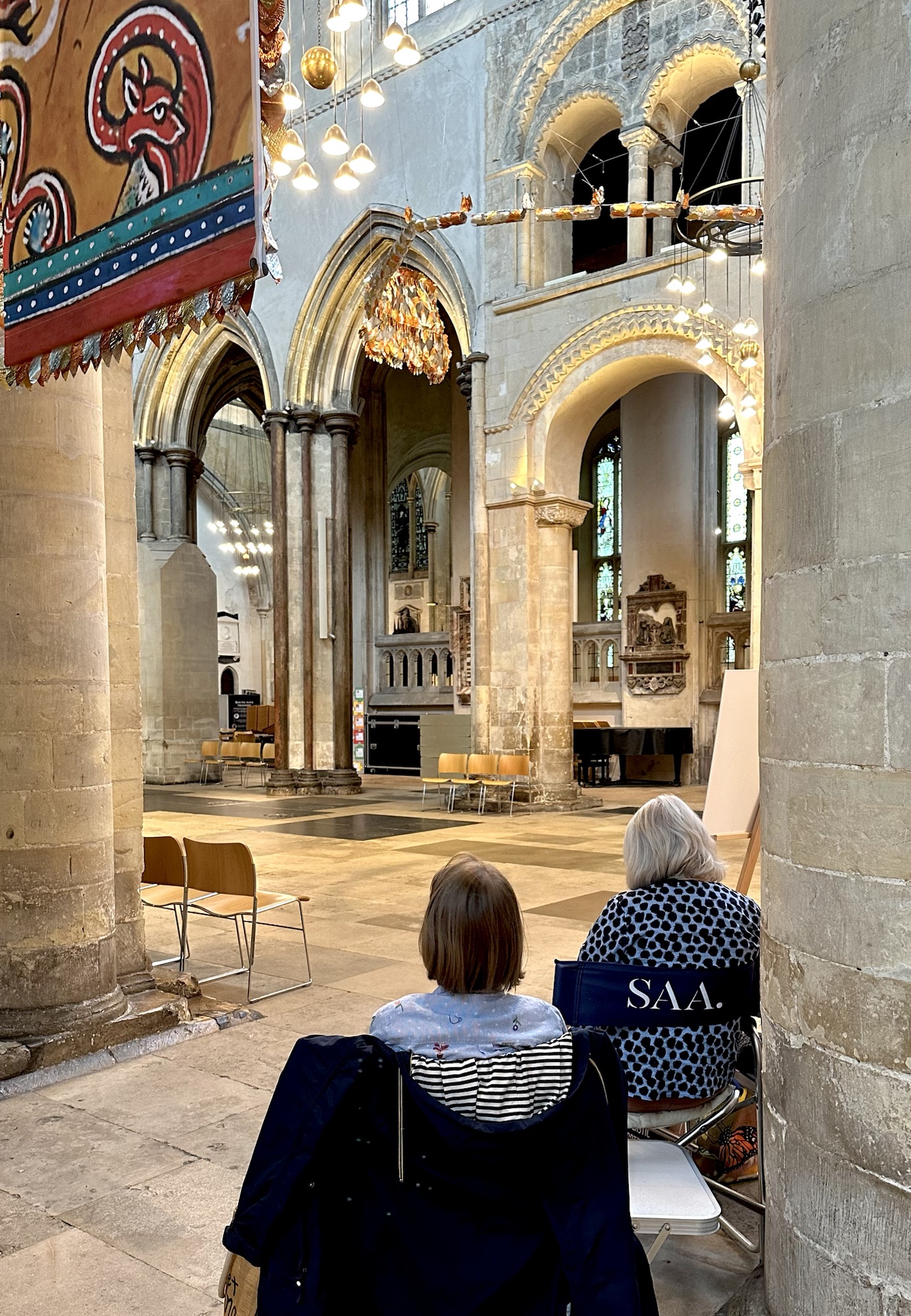
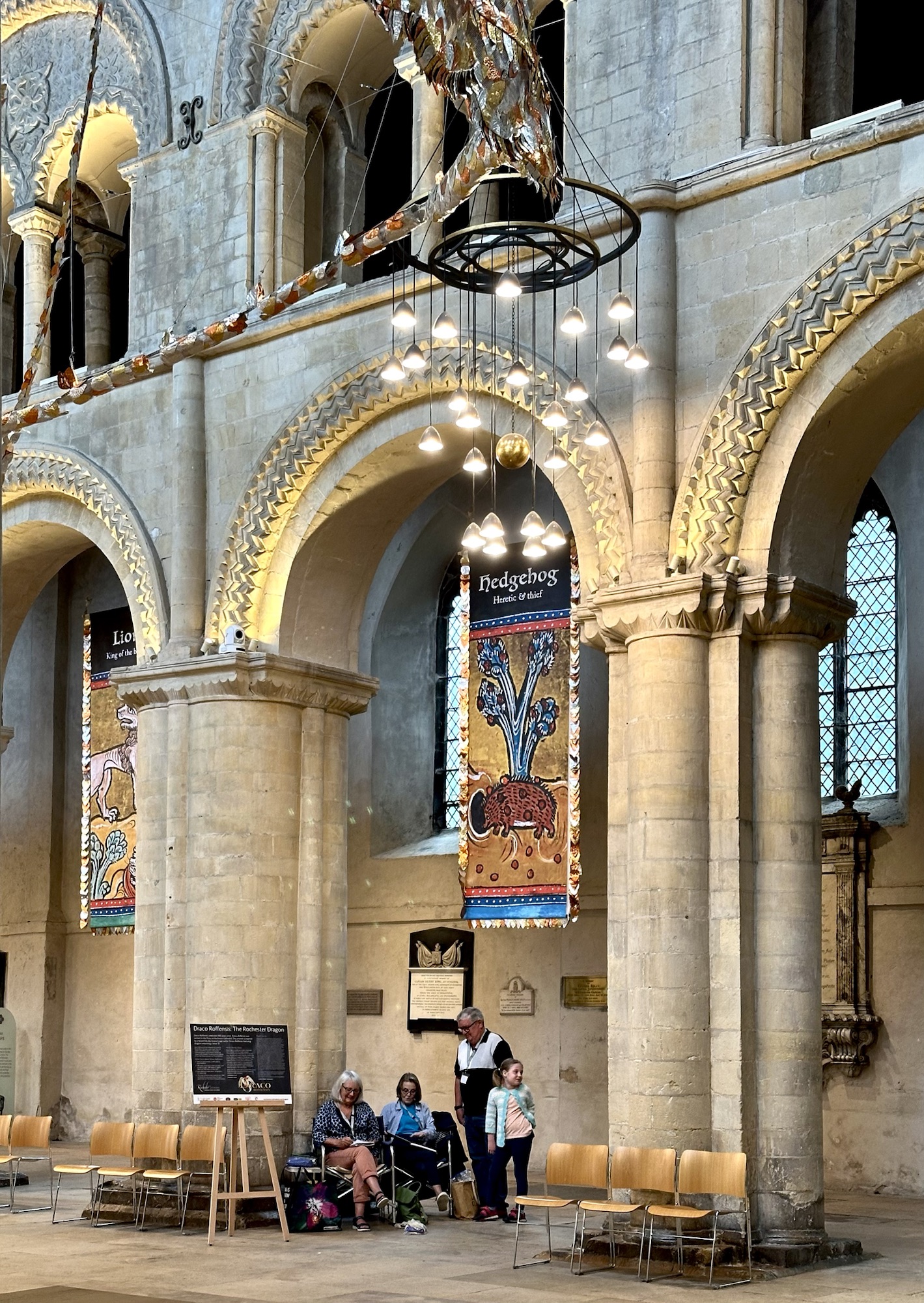
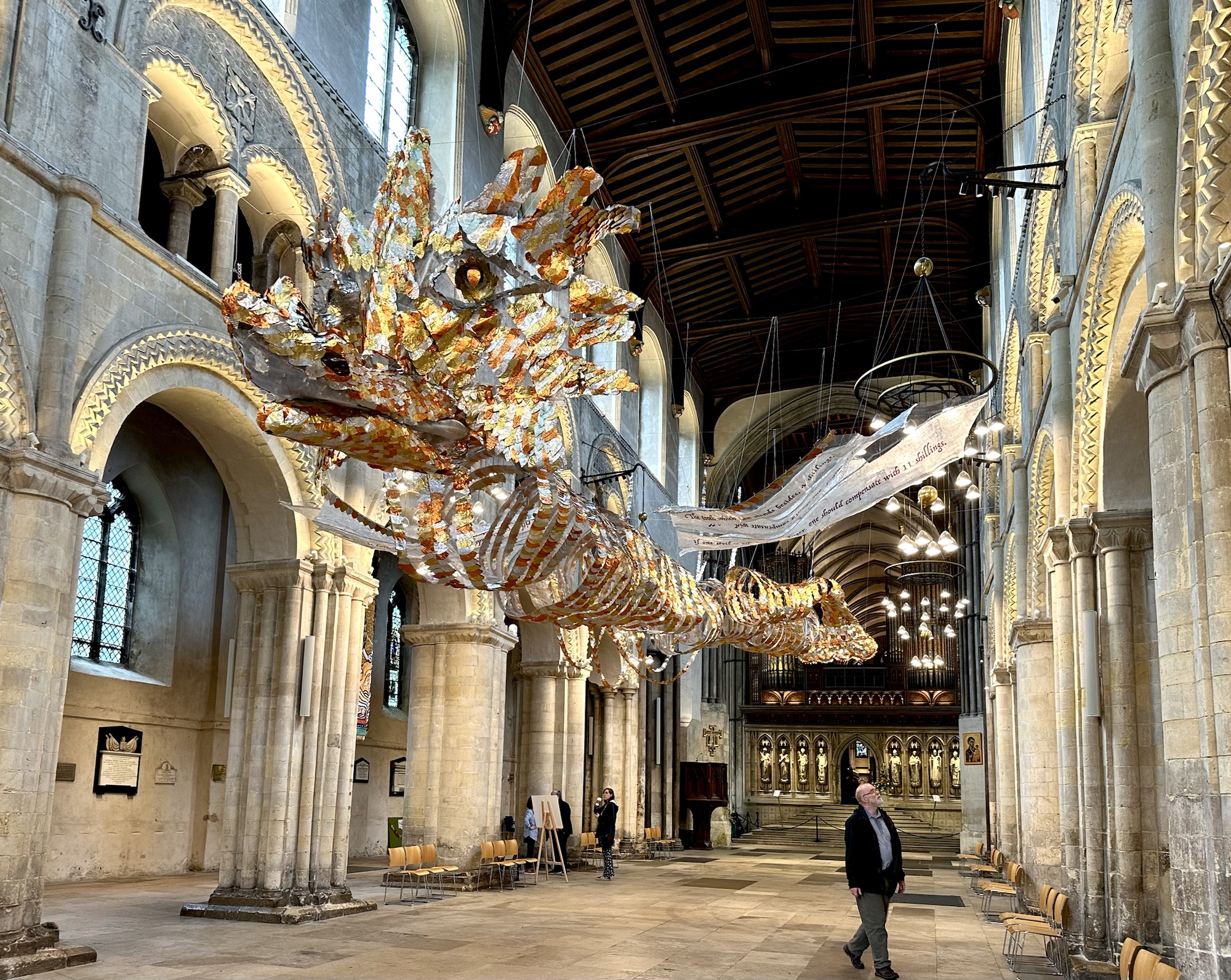
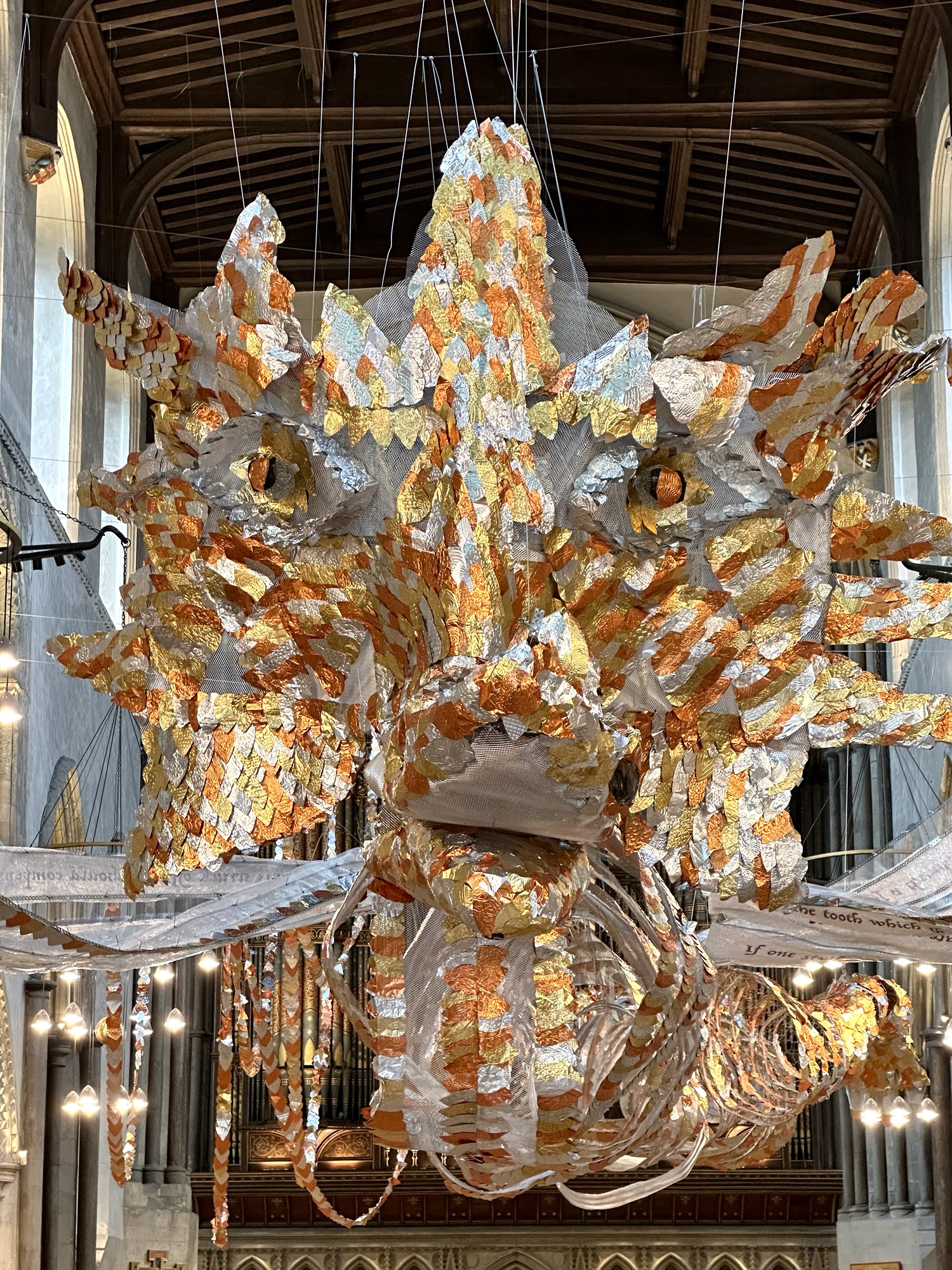
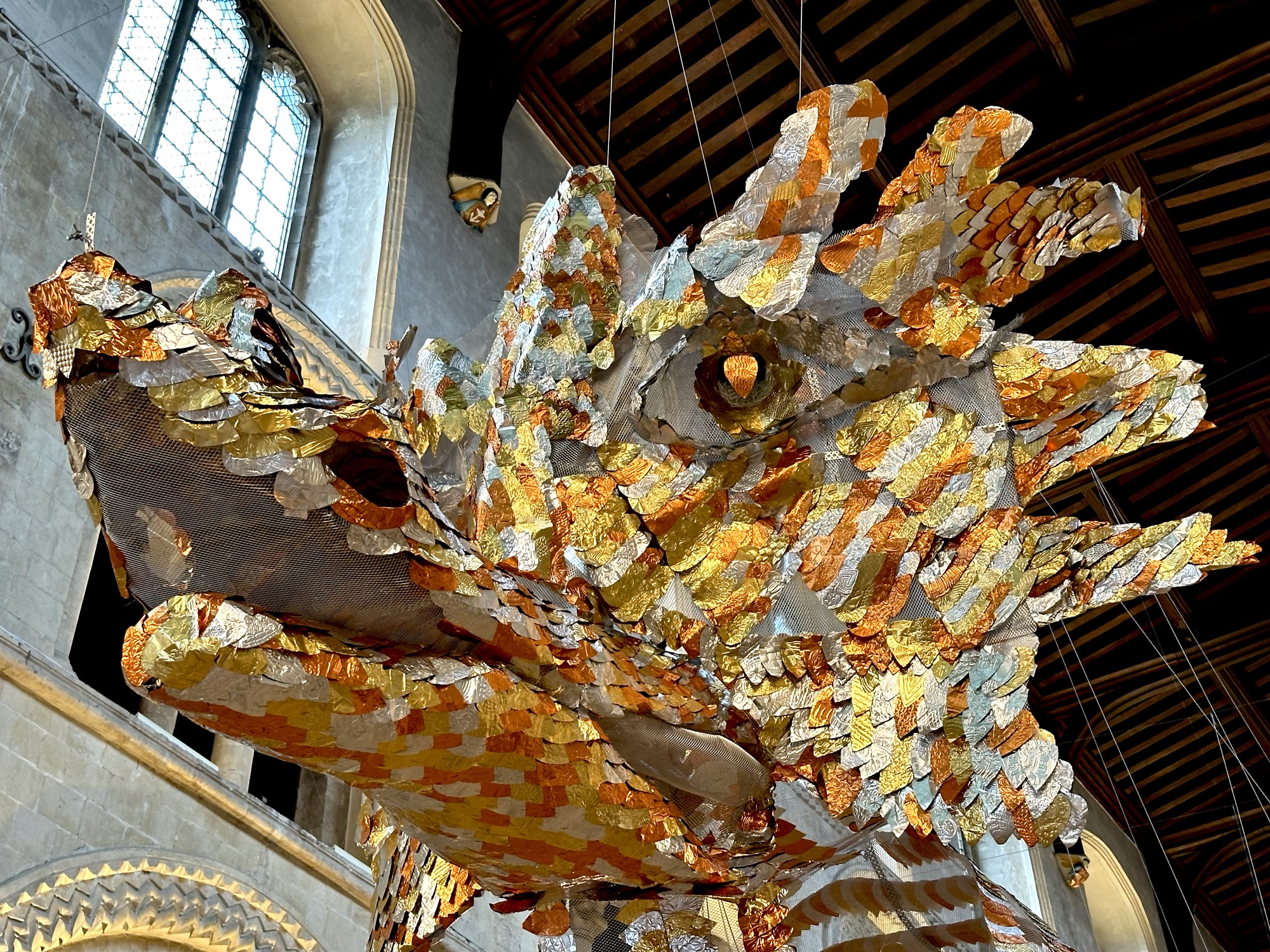
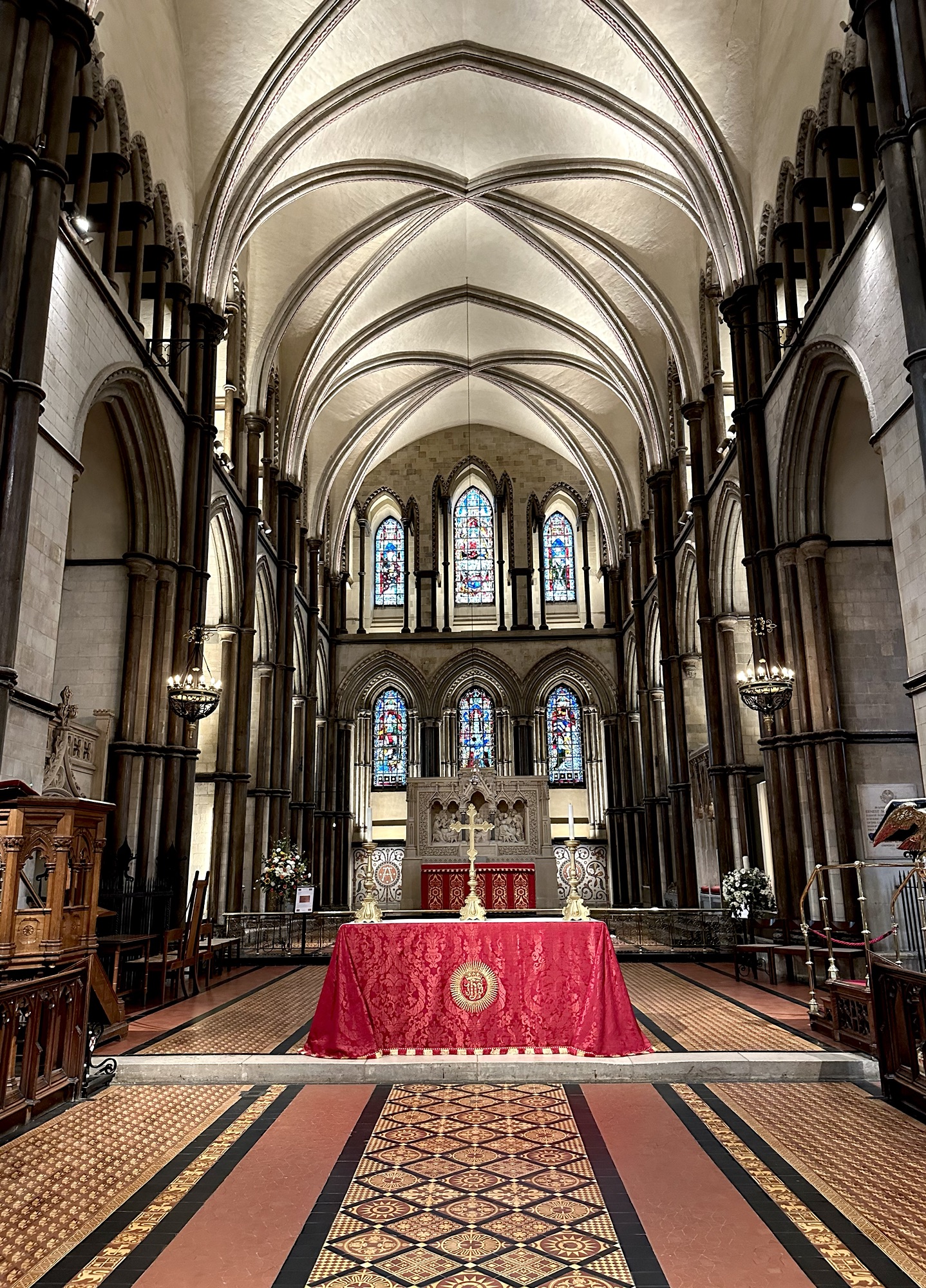
One of the beautiful images in the illuminated manuscript is a dragon. To celebrate 900 years of the manuscript, local artist Wendy Daws has designed ‘Draco Roffensis:The Rochester Dragon’. A 15m long sculpture with thousands of metal foil scales in gold, silver and copper colours, the dragon will hang in the nave this summer.

Visitors to the Cathedral (aged 5+) are invited to decorate a scale to be added to the dragon. As Kay works there she brought along a pack of scales and invited us to get creative. We embossed patterns on the scales by resting them on cardboard, magazines and foam and used sharp pencils and embossing tools to decorate each scale. It was very satisfying making patterns on the surface of the smooth scales and when finished we could turn the scales over and feel the texture on the other side.

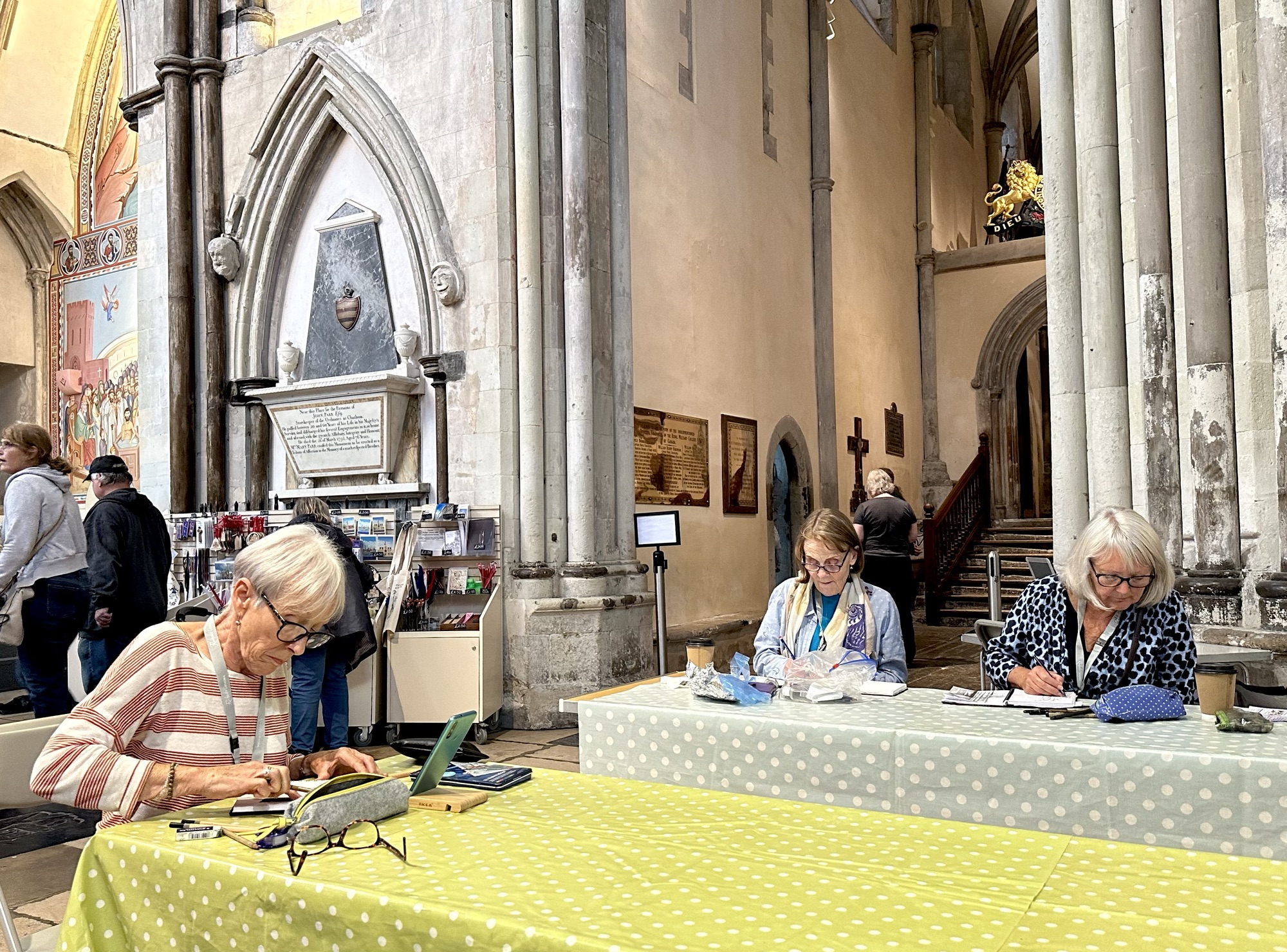
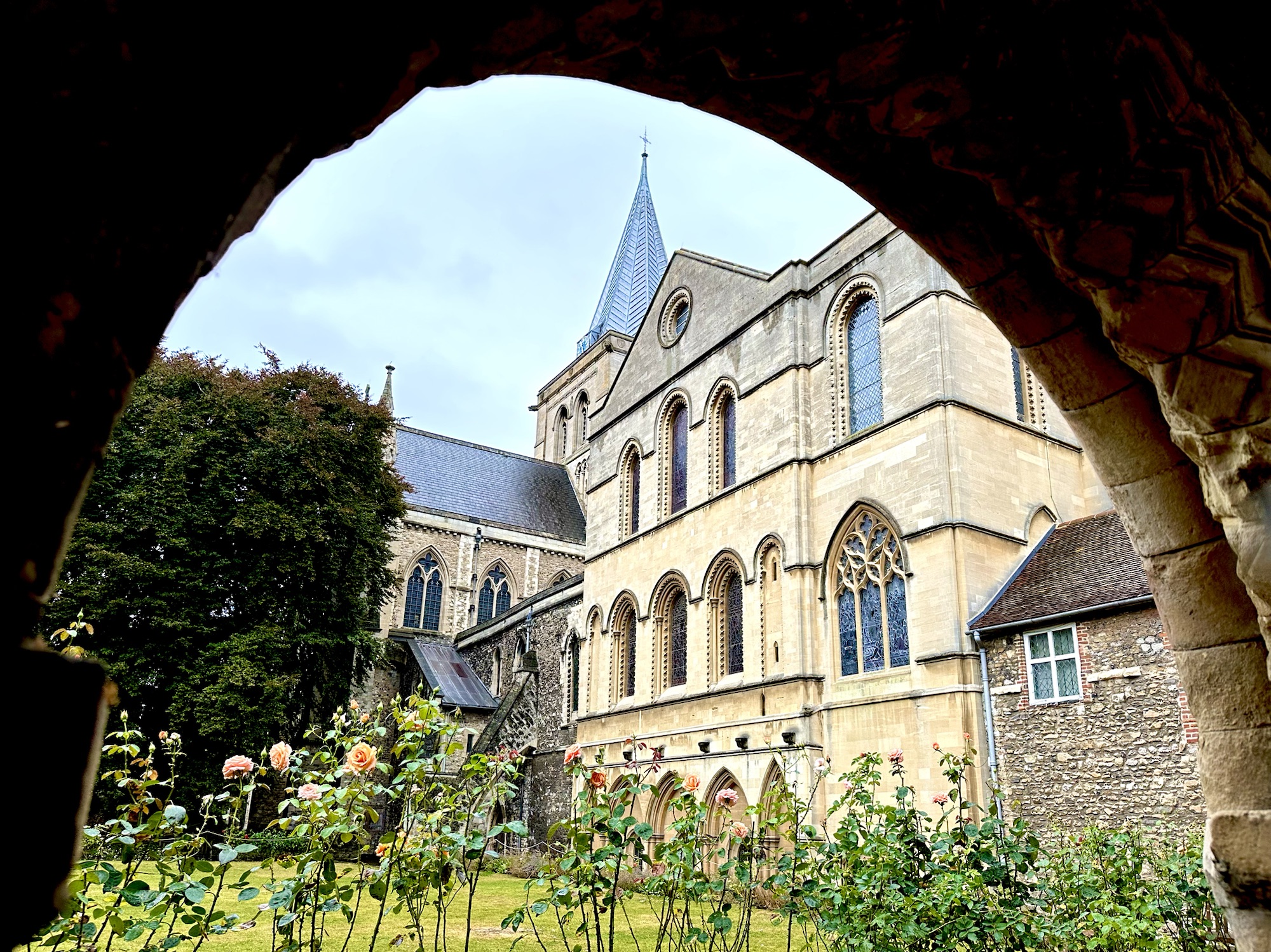
During the evening we made 31 scales. If you want to emboss one please visit the Cathedral very soon and it can be added to the dragon. All details are below, including when you can visit the dragon. Kay has gained permission for us to visit the private gardens at the rear of the Cathedral again on Saturday 24th August, so if you come along that day you will be able to view the dragon in the nave.

More details are on the Cathedral website… www.rochestercathedral.org/dragon

Well done everyone, the dragon scales looked beautiful in the hall, so they’ll look amazing on Draco Roffensis. Thank you for bringing in the scales, Kay, it was very enjoyable embossing them!

Salvador Dali – May 2024 – Wednesday

Eleven members attended the session and either drew or painted their Salvador Dali pictures or did their own thing. Some used Dali as an influence in their paintings or studied one painting or Surrealist object in detail, and some drew his portrait. One member channelled her inner Dali and drew a merhorse, then continued with other images that flowed from her pencil. There’s also an homage to Dali’s ‘The Persistence of Memory’ with ‘The Persistence of Washing’, which never goes away!

Most are works in progress, so if you finish your picture before the next session either send a completed photo to Tracy or Steve or bring it along to the next session on Saturday 25th May to be photographed.

Peta drew a tram in great detail and will paint it soon.

Thank you to everyone who embossed metallic dragon scales at the session, details and photos will be in the next post.

May 2024

Hopefully everyone is enjoying the warmer weather when the sun occasionally shines, but wet weather is due over the bank holiday weekend, as usual!

If you didn’t pay your yearly subs all in one go at the beginning of the year, please look out for an email from Steve about paying the next payment of £28, due at the beginning of May. Thank you :o)

Wednesday 8th – 7-9pm – Salvador Dali

120 years after his birth, Salvador Dali (May 1904-Jan 1989), is globally recognised for his skilled, precise draughtsmanship and the often strange images in his paintings. He is one of the most well known artists of Surrealism. Paint a scene or image in the style of Salvador Dali or study and recreate one of his original paintings which are in galleries worldwide.
If you prefer drawing and painting portraits then choose Dali himself or with his wife Gala.

Click through to these websites to read about Dali and see his paintings…

www.salvadordali.com

www.thedali.org

www.salvador-dali.org/en

www.en.wikipedia.org/wiki/Salvador_Dalí

Saturday 25th May – 10am-3pm – Underwater Life

We are always drawing and painting animals on land, so instead let’s look at life in rivers, seas and oceans. Huge whales and sharks, tiny colourful tropical fish, predators and prey, life at ocean depths, plants and animals on coral reefs, octopuses, starfish, shells, jellyfish, scuba divers exploring underwater. There are so many options.

If you prefer drawing or painting a portrait then choose a famous diver like Jacques-Yves Cousteau the inventor of the aqualung, his son Jean-Michel Cousteau, or environmental campaigner and botanist David Bellamy who studied coral reefs and pollution decades ago.

If you use watercolours then perhaps use the paints really wet-on-wet to achieve a watery effect. Using any media you don’t have to paint animals precisely, why not try a Surrealist picture of underwater life in the style of Salvador Dali?

Peta’s sketches of City of London Churches

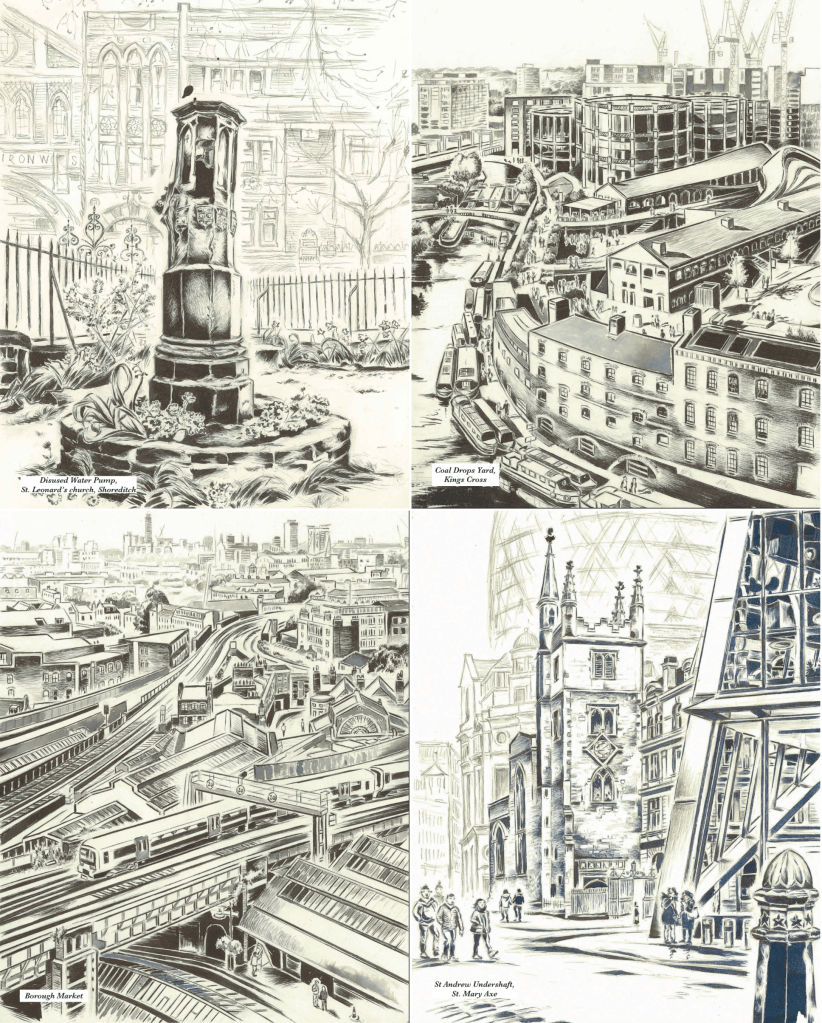
Peta has had her sketches of several City of London Churches published on the website ‘Spitalfields Life’. Beautifully and skilfully sketched in pencil and then coloured with soft tones of black, blue and brown inks, she has masterfully captured the atmosphere and tiny details of these churches and related items. Click on this link to see the sketches on the site… https://spitalfieldslife.com/2024/04/29/peta-bridles-city-churches/

Peta would be really interested in your comments, so please scroll to the end of the article on Spitalfields Life and submit a comment for her to see. You write your comment, add your name and email address, submit your comment and it appears on the site when approved.

The pictures from the site have been screenshot and are below, but the higher quality images are on Spitalfields Life. Look for where the last image was drawn. You will know the place because Peta started the drawing on our Saturday session in July 2023.

Click on the first picture then scroll through to see the pictures enlarged and with words that explain about each image.

Well done Peta, your sketches and use of the coloured inks are awesome!