Frida Kahlo – July 2024 – Wednesday

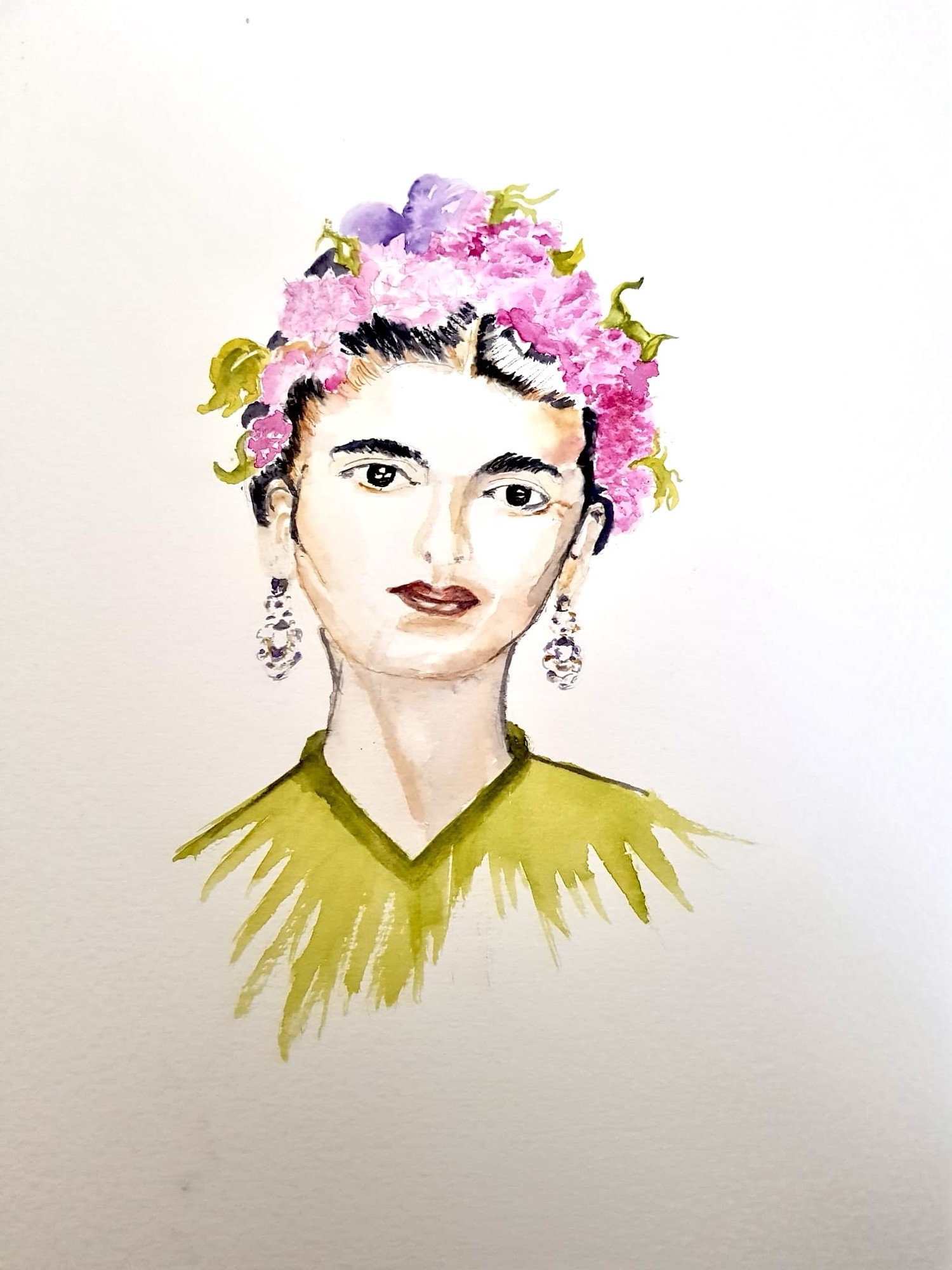
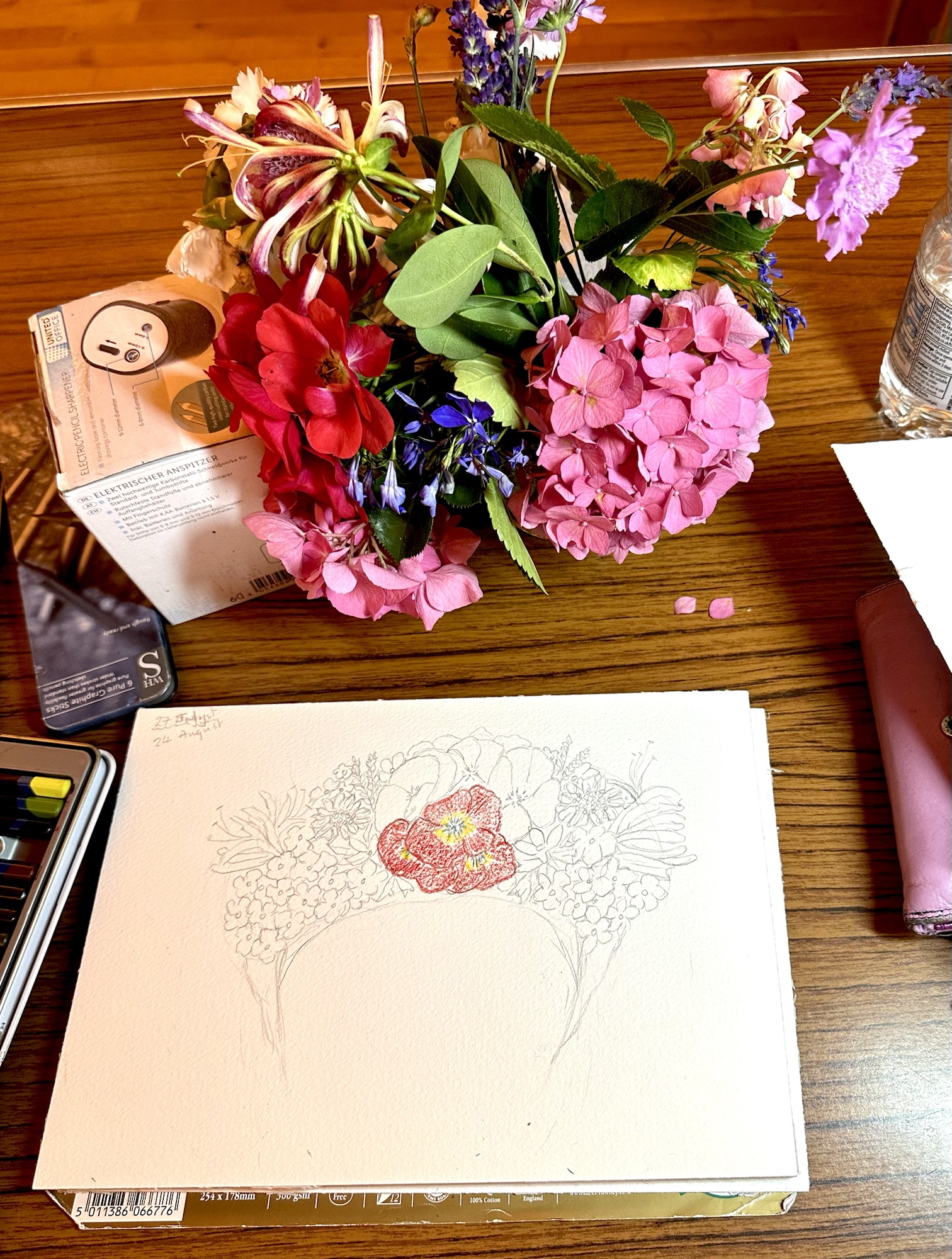
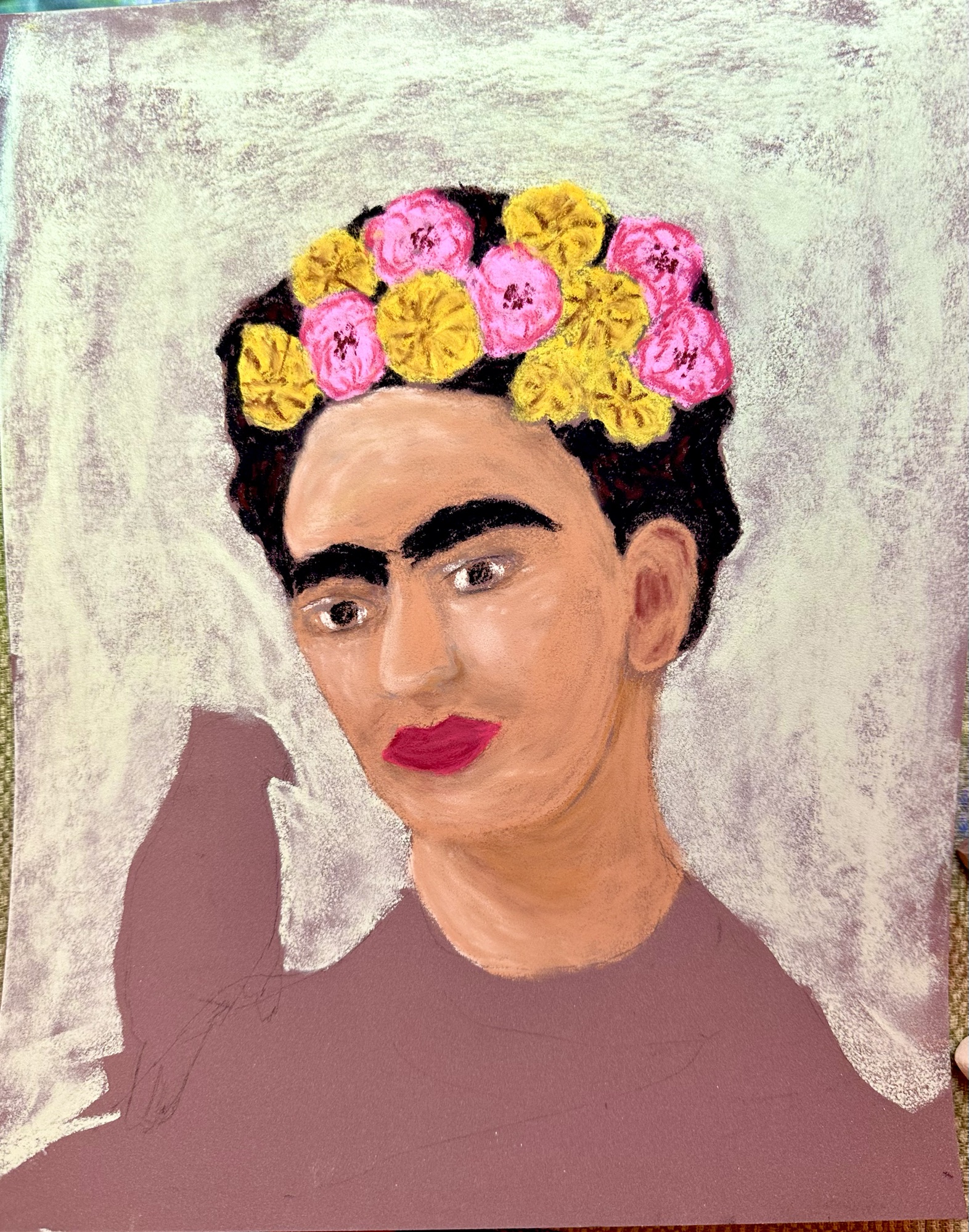
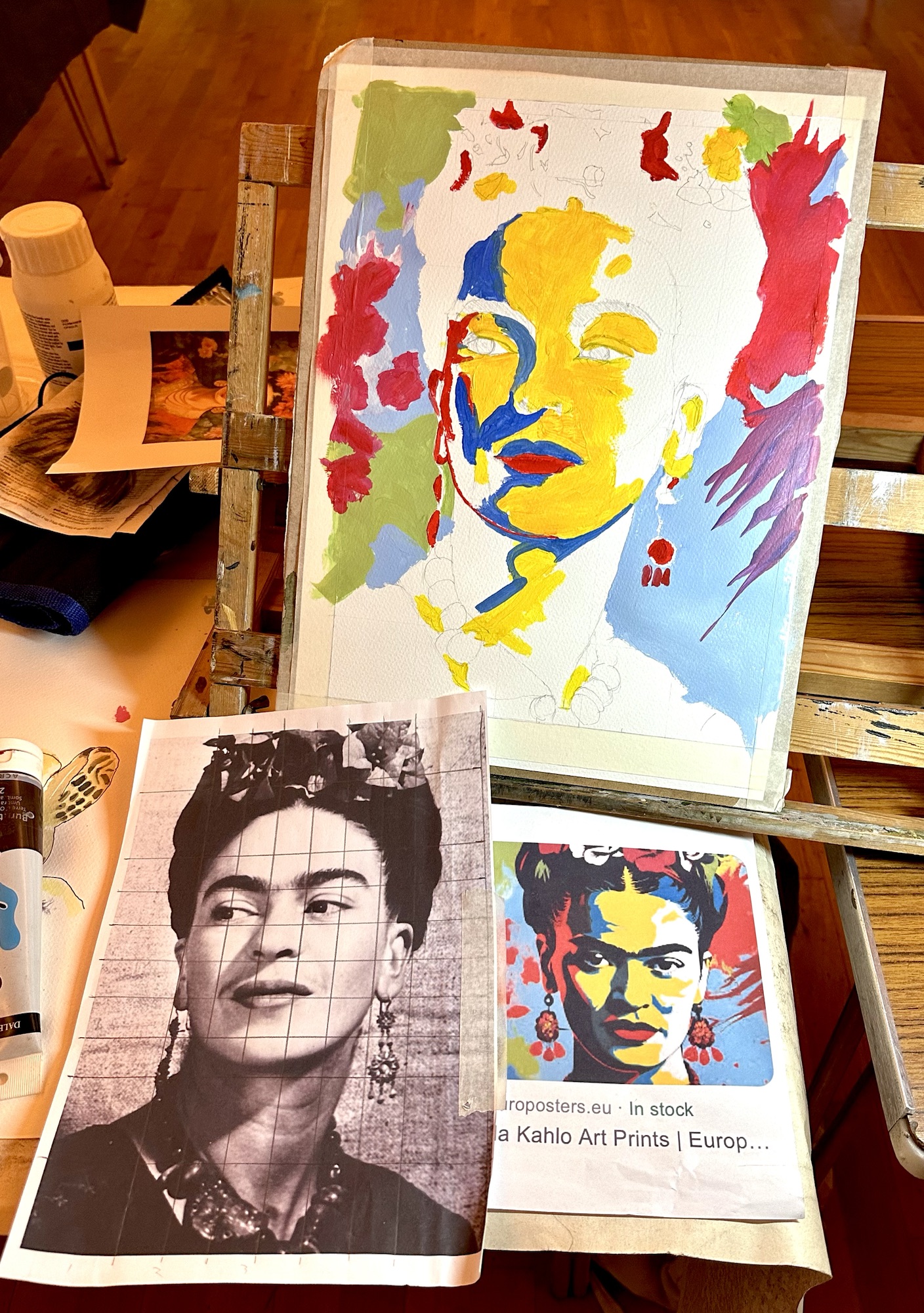
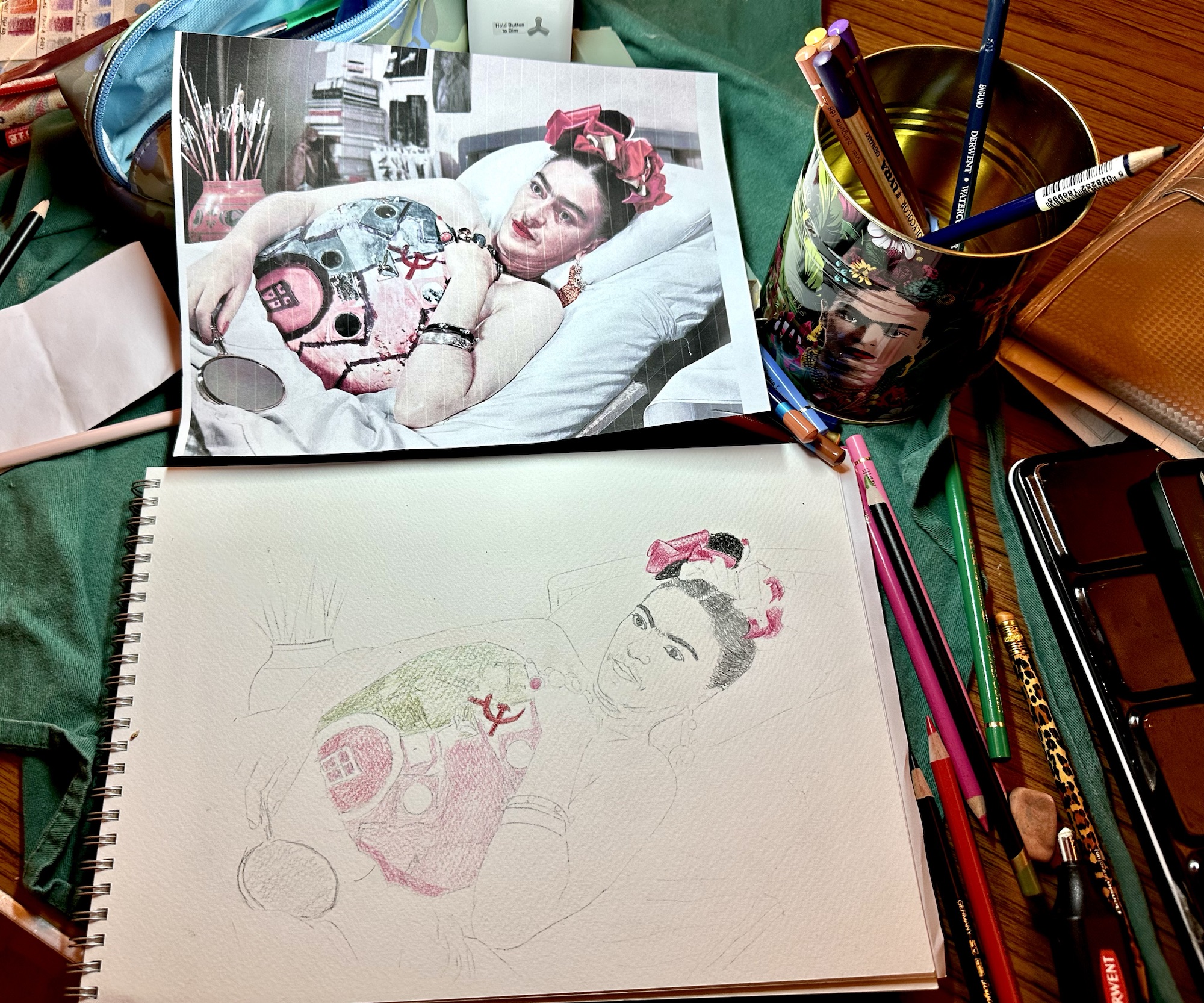
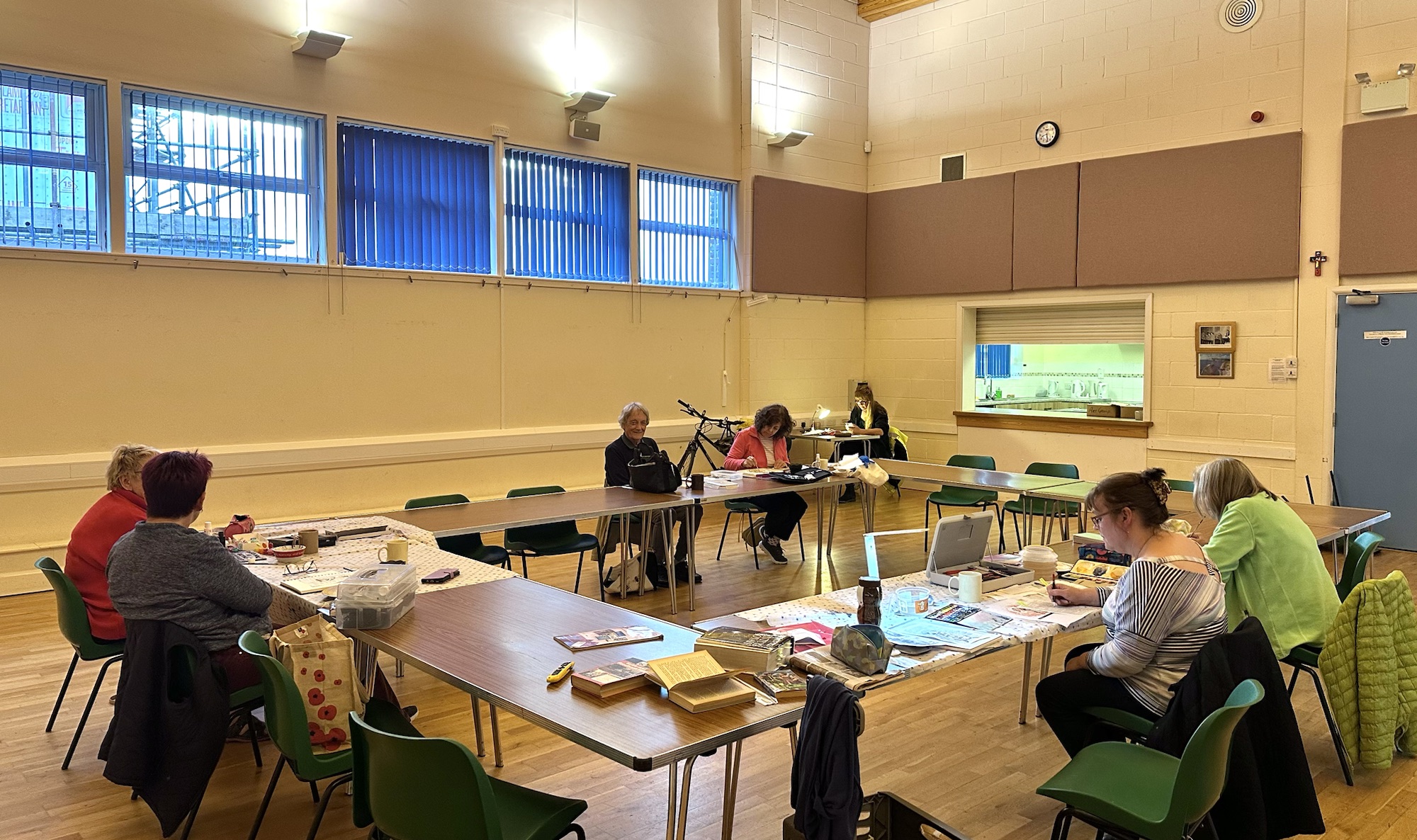
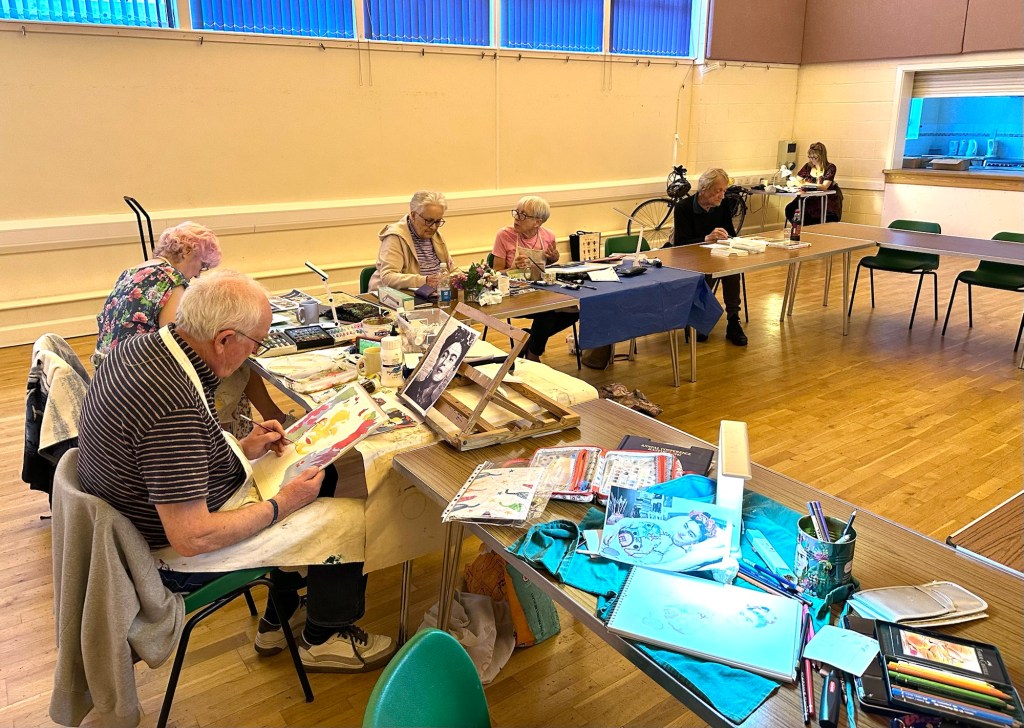
Just 7 members attended the session yesterday evening, with several members away on holiday or others watching England in the Euro football semi finals. We had a good natter and enjoyed creating our pictures to do with the life of artist Frida Kahlo.

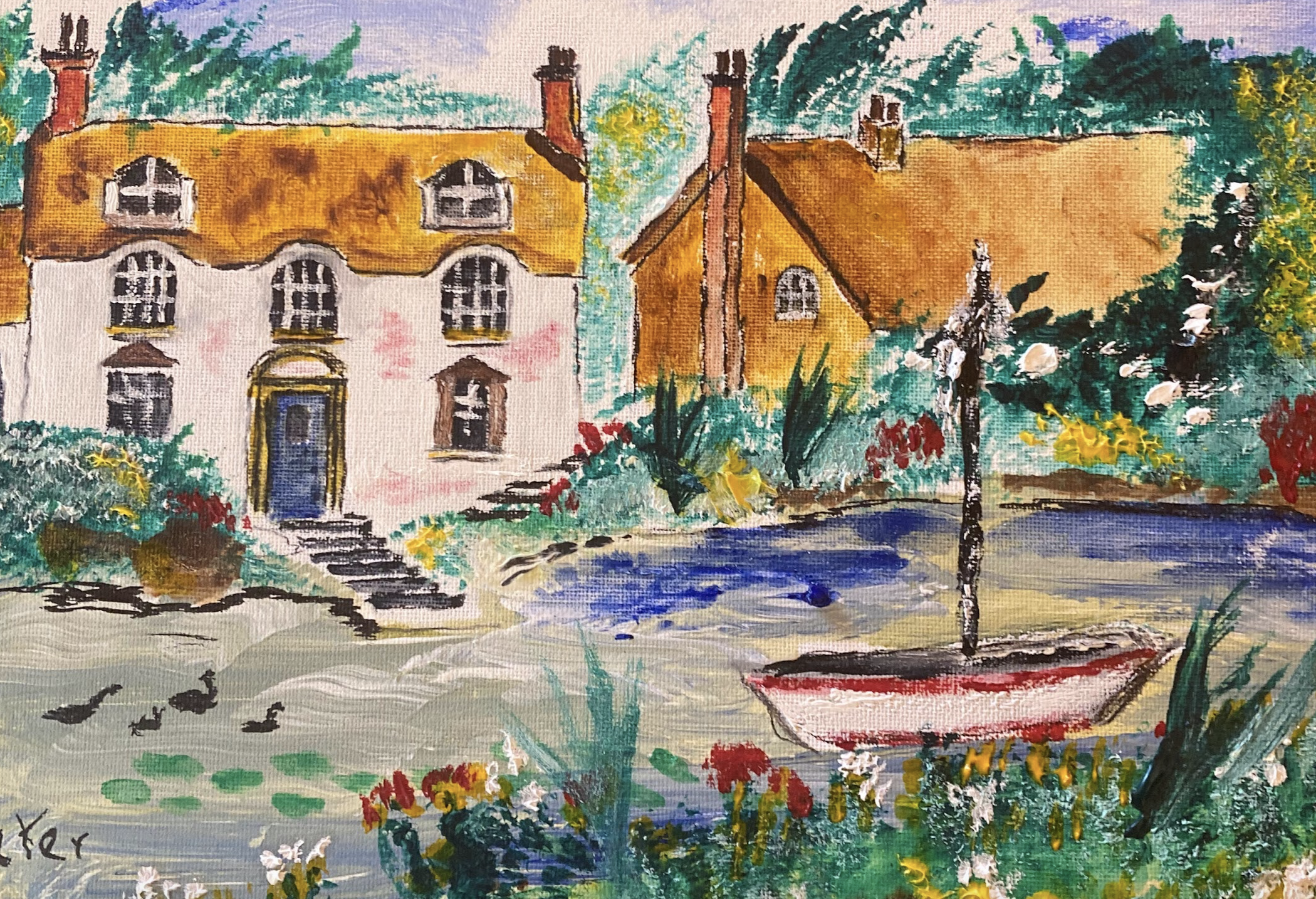
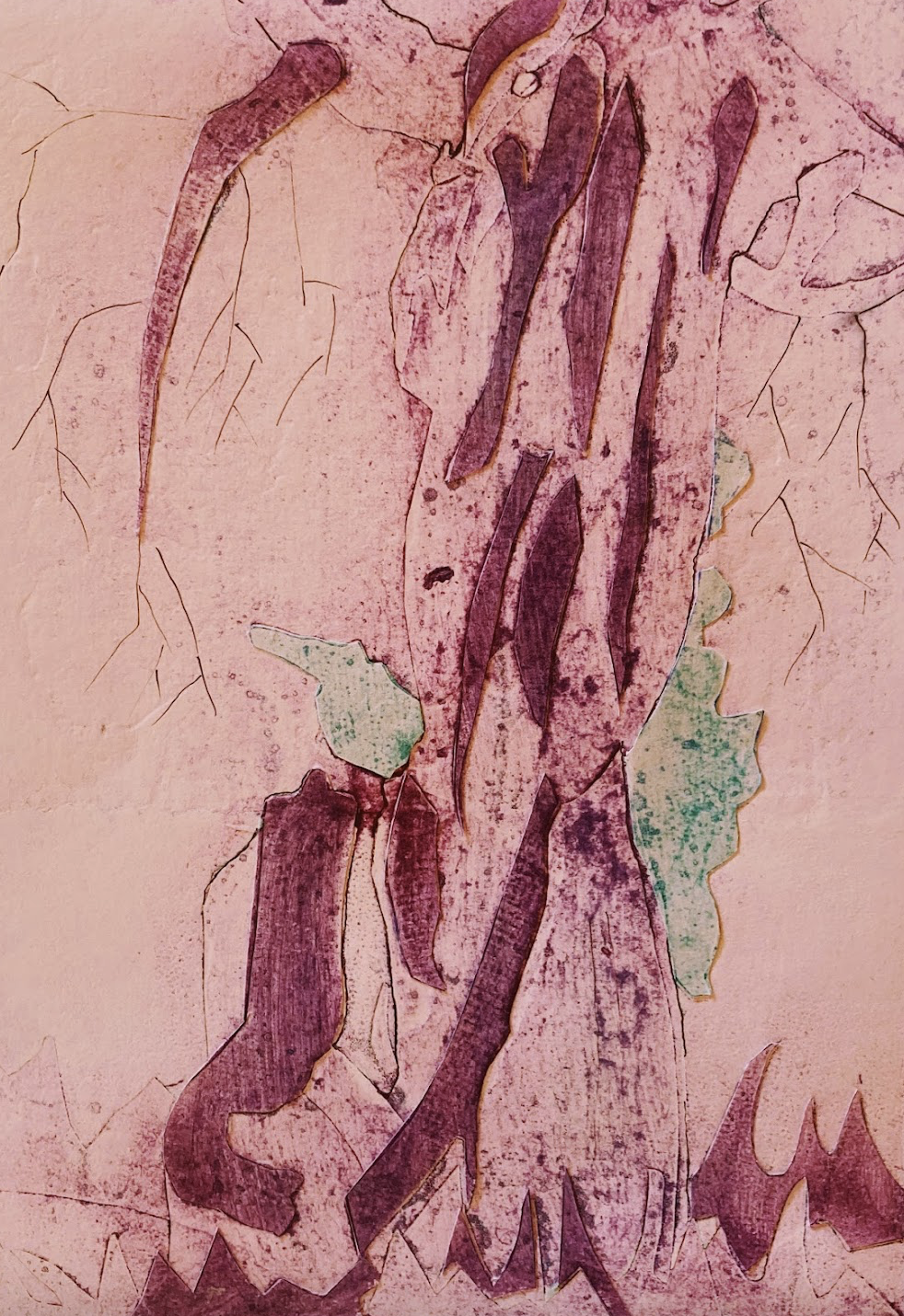
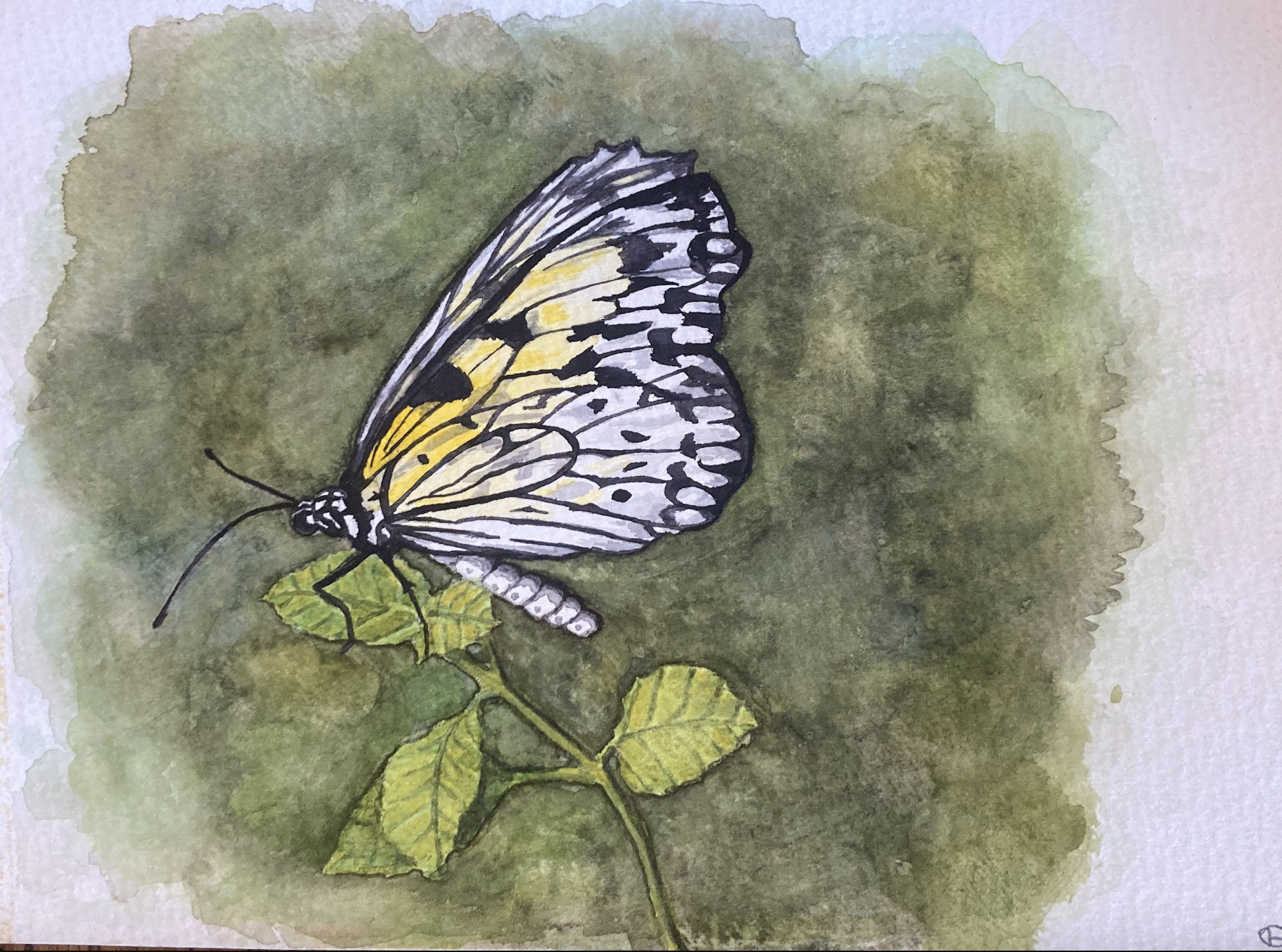
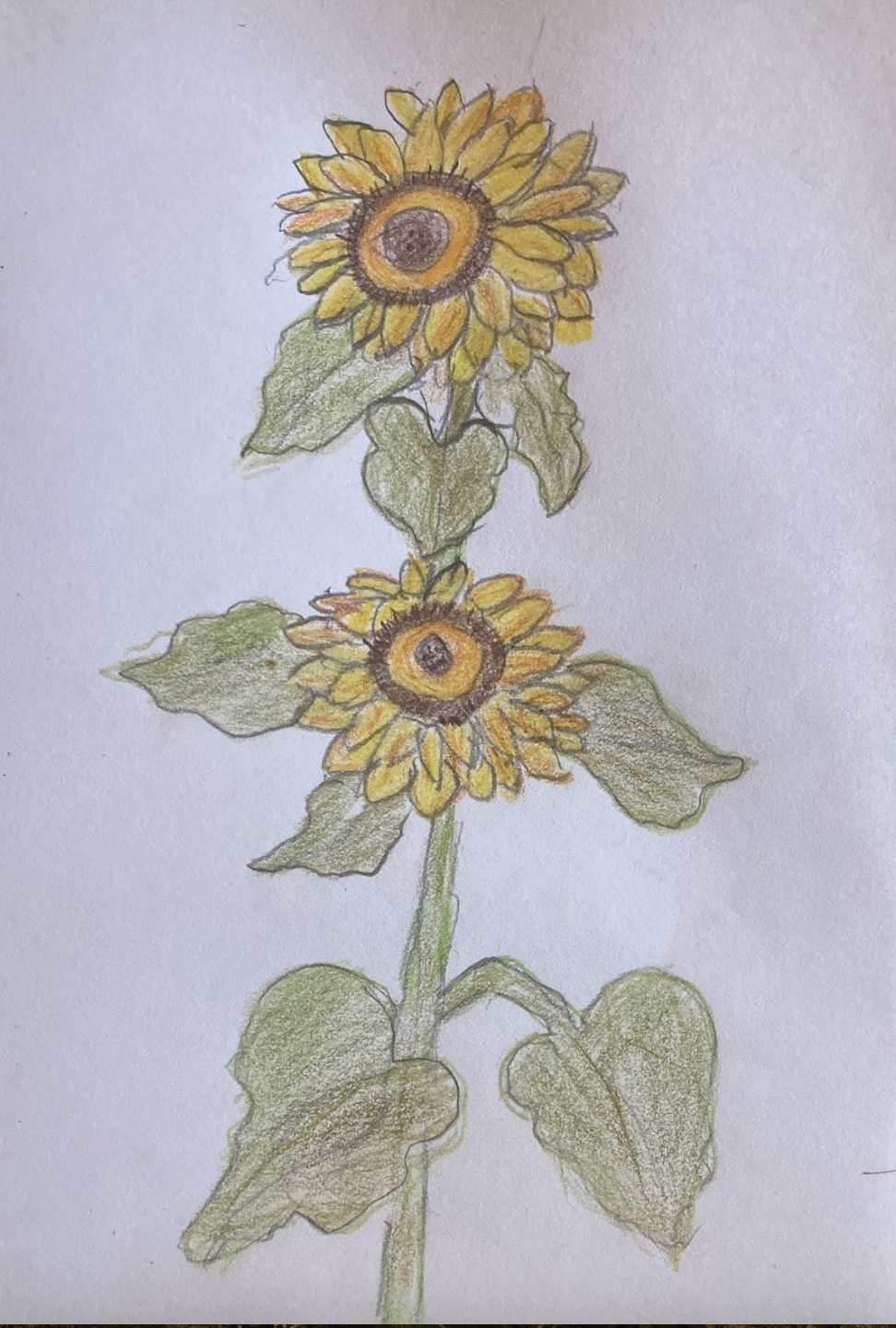
Several portraits by Brenda, Steve and Tracy, a flower study of similar blooms Frida wore by Myrna and a picture by Angela of the Casa Azul (the Blue House) Frida’s family home were started and will hopefully be finished at home. Chris couldn’t attend the session but completed a portrait at home, sending a photo for inclusion. If you do draw or paint the suggested subject at home, please send a photo to Tracy or Steve and they’ll be happy to add to it the relevant post.

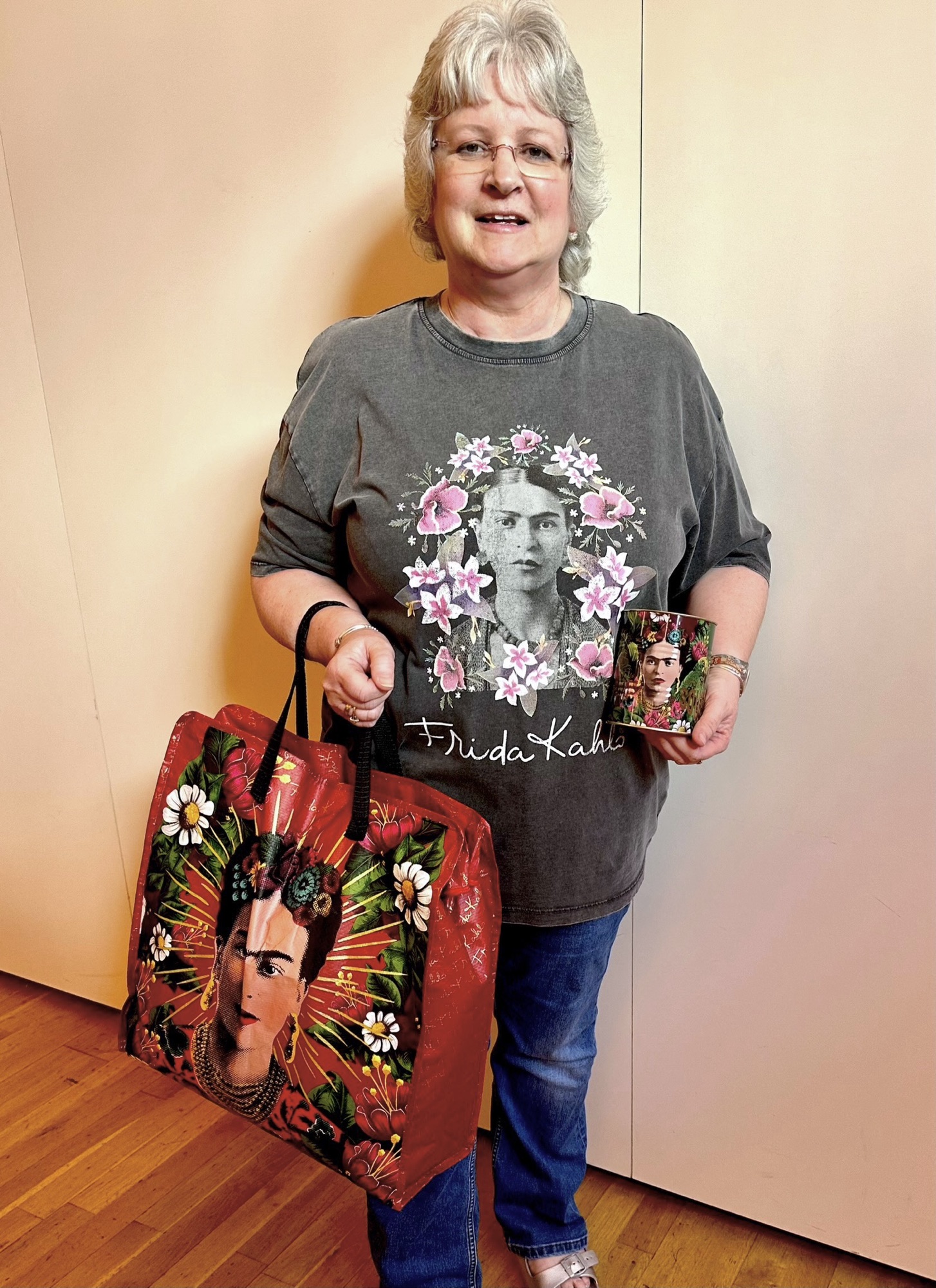
Here are our pictures, including a photo of Tracy wearing a t-shirt and holding a bag and tin all with Frida Kahlo’s image on.

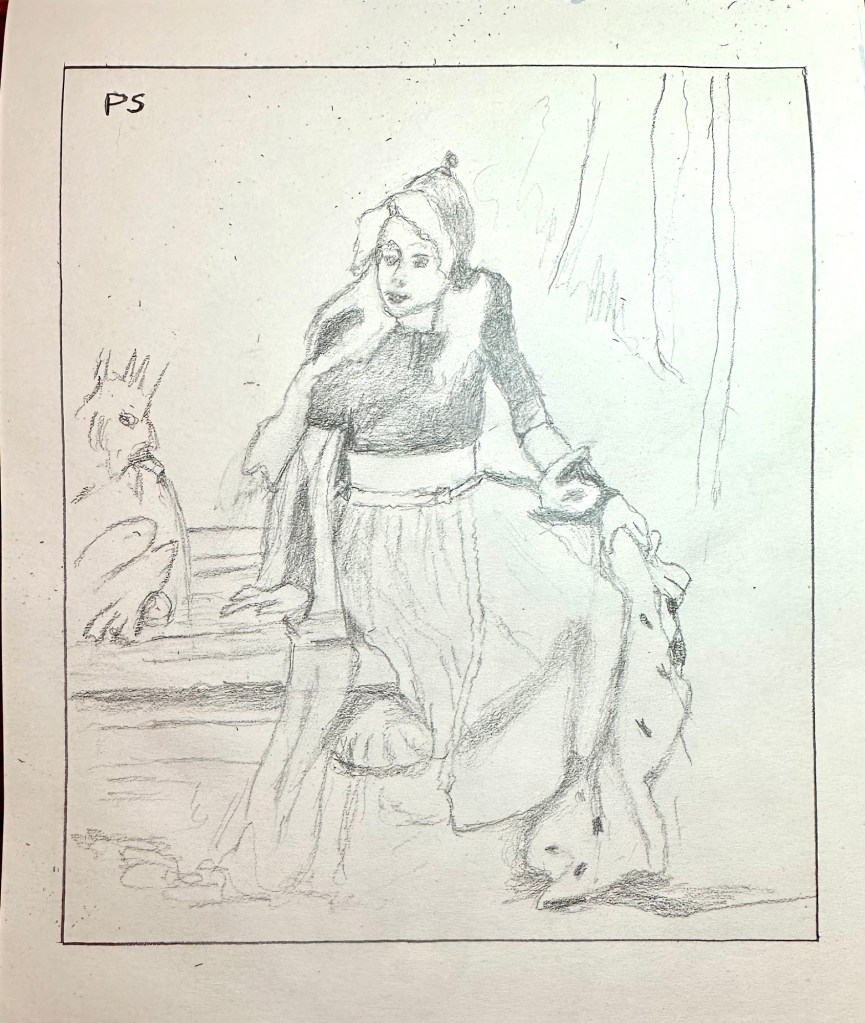
Patrick drew a picture of the Frog Princess.

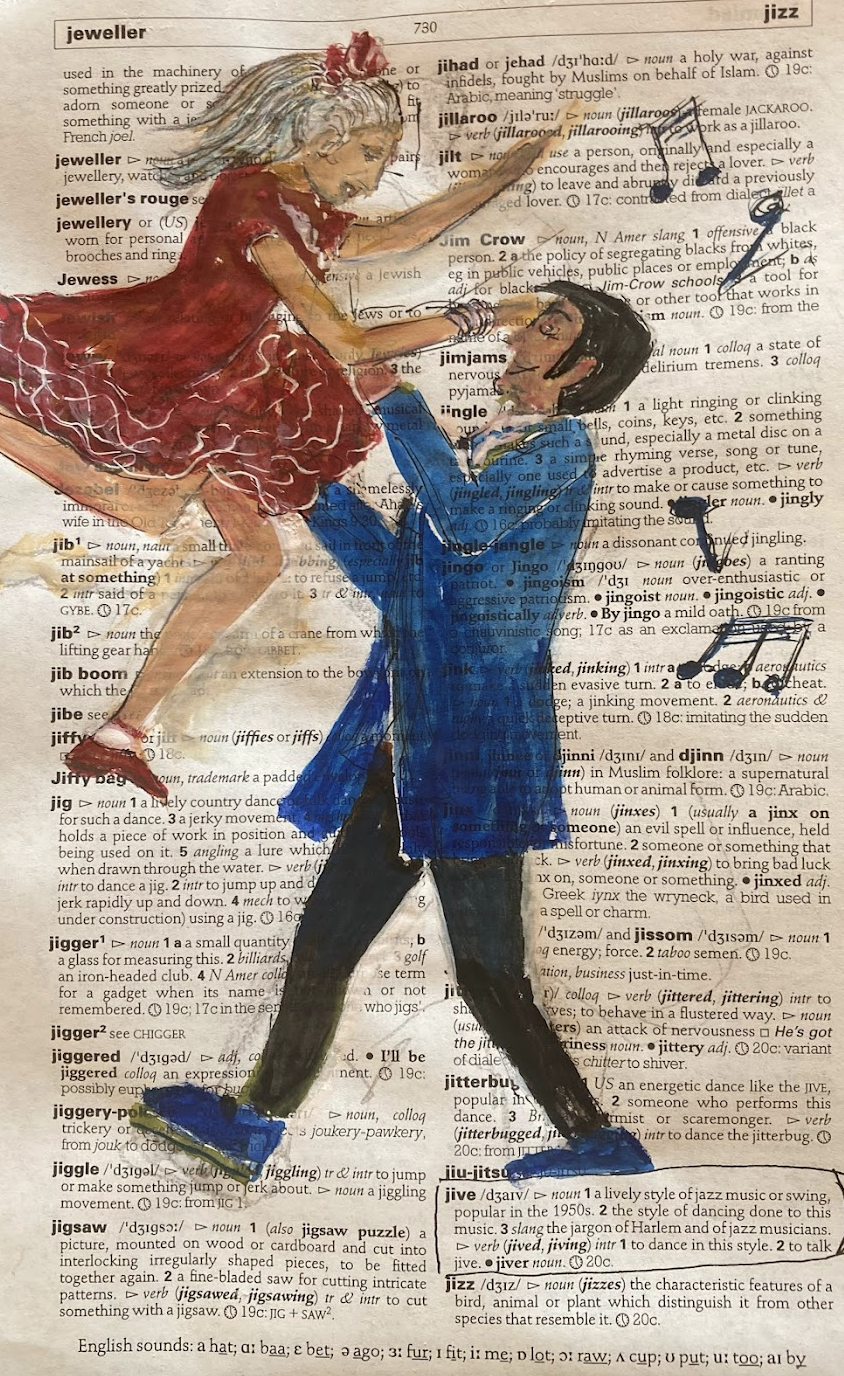
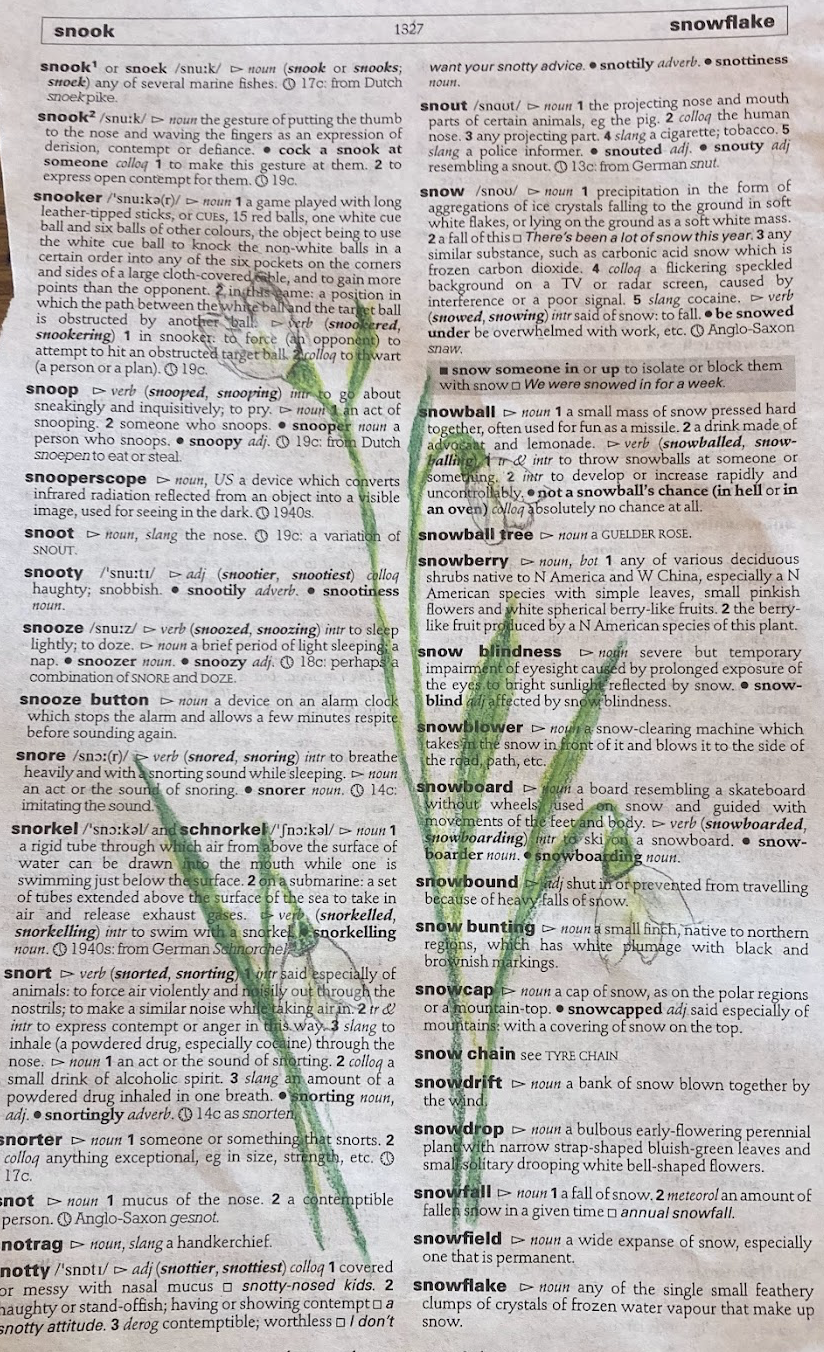
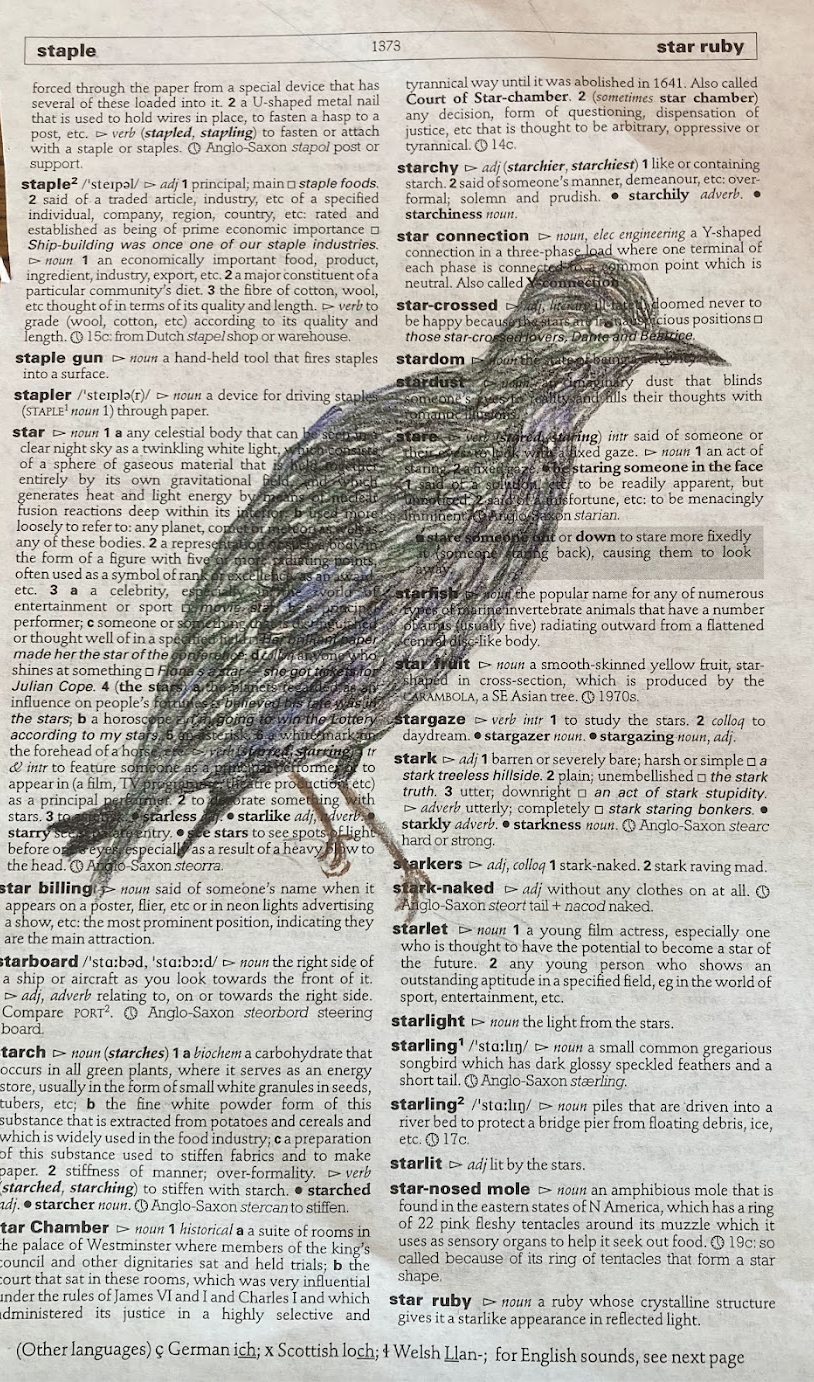
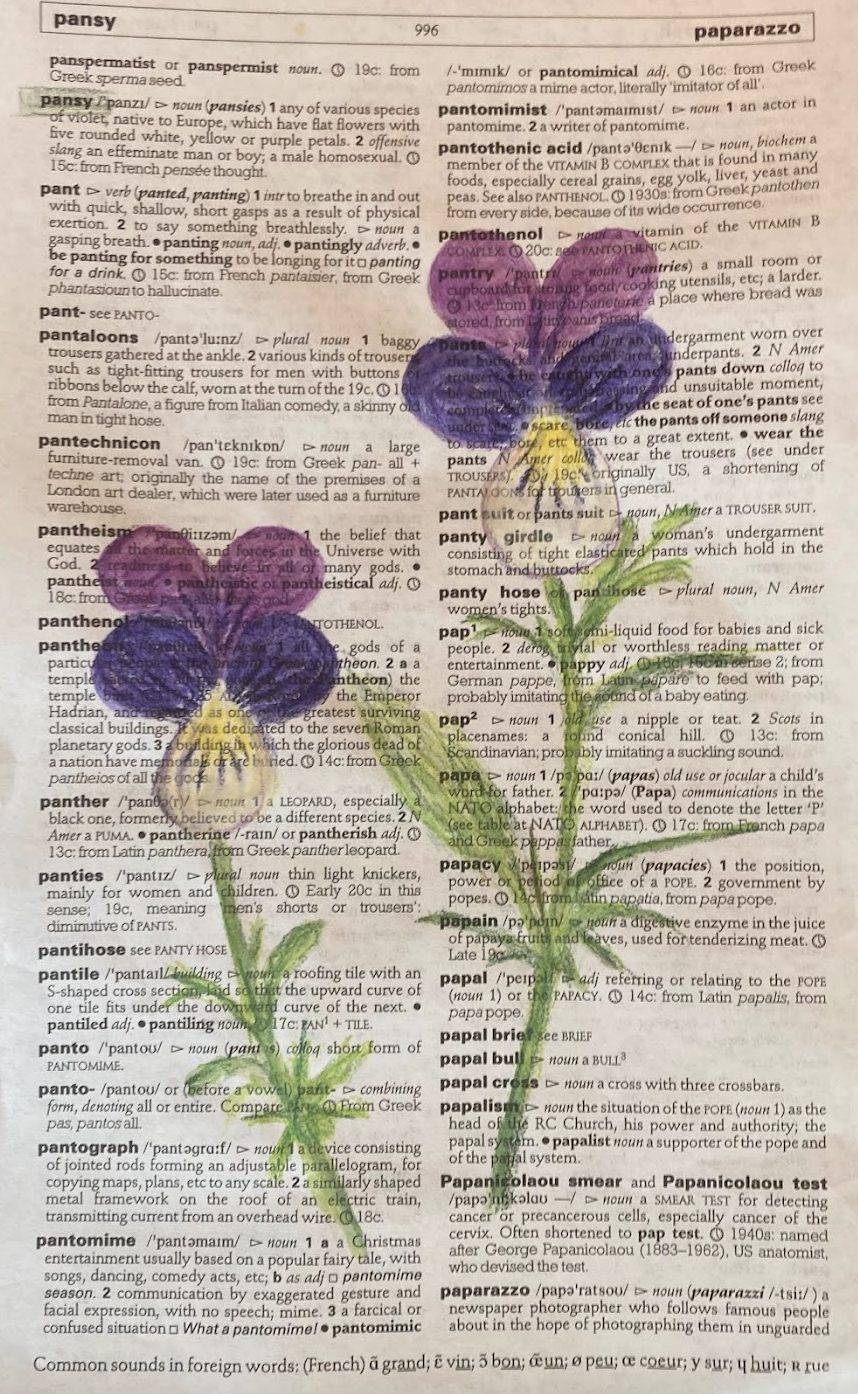
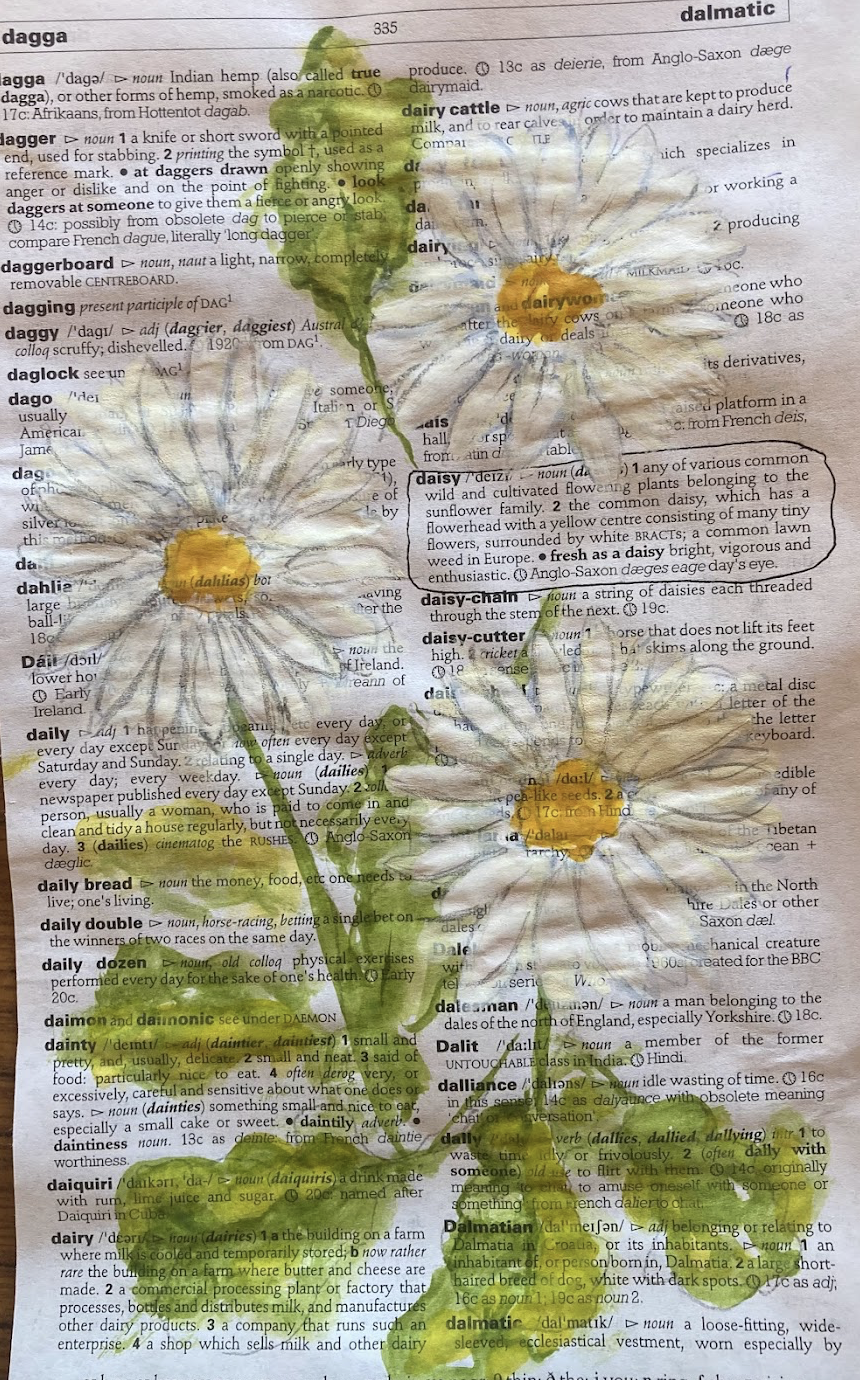
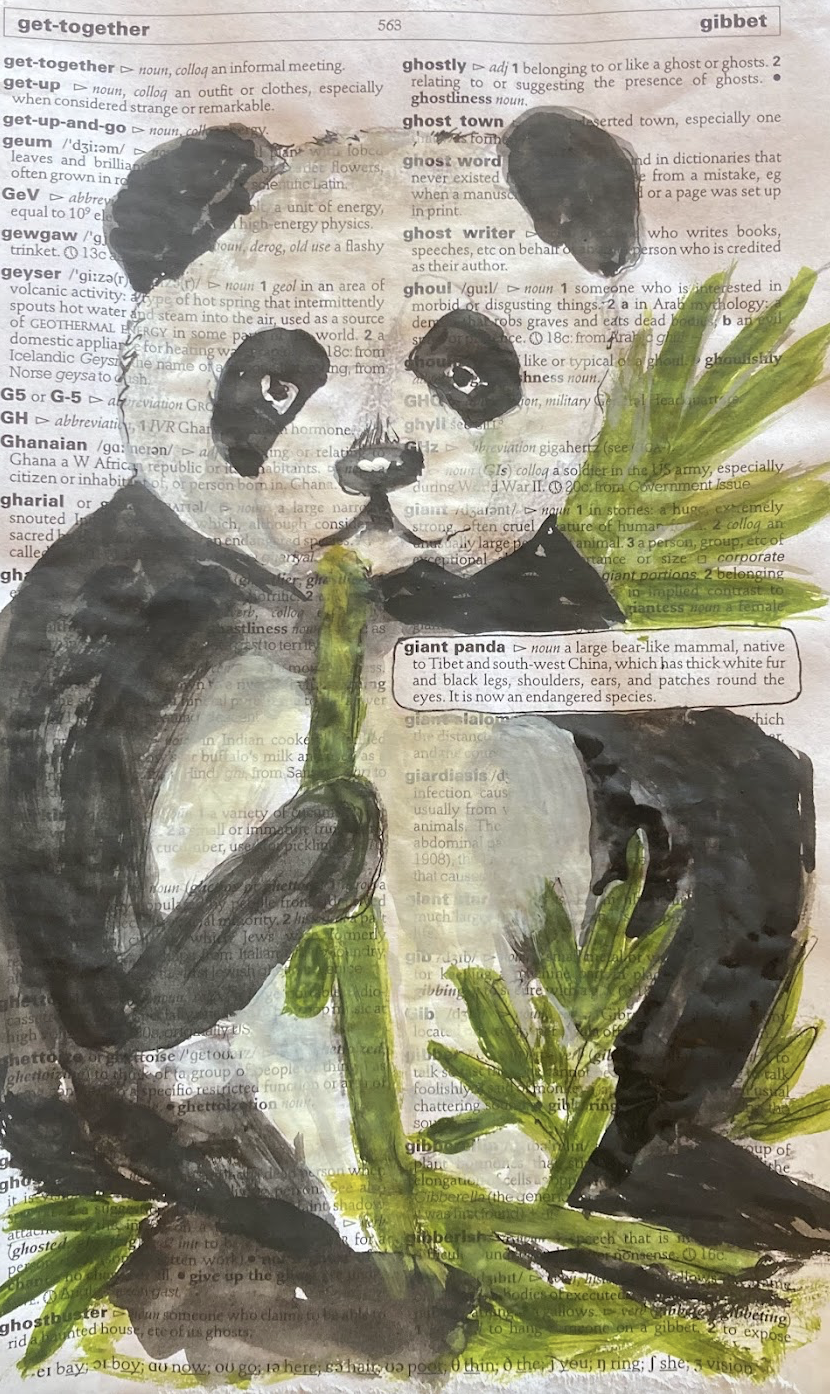
Two more dictionary pages have been finished and they will be shown in the next post.

Our next session is at Chalk Church on Saturday 27th July from after 10am to just before 3pm

Peta’s pictures

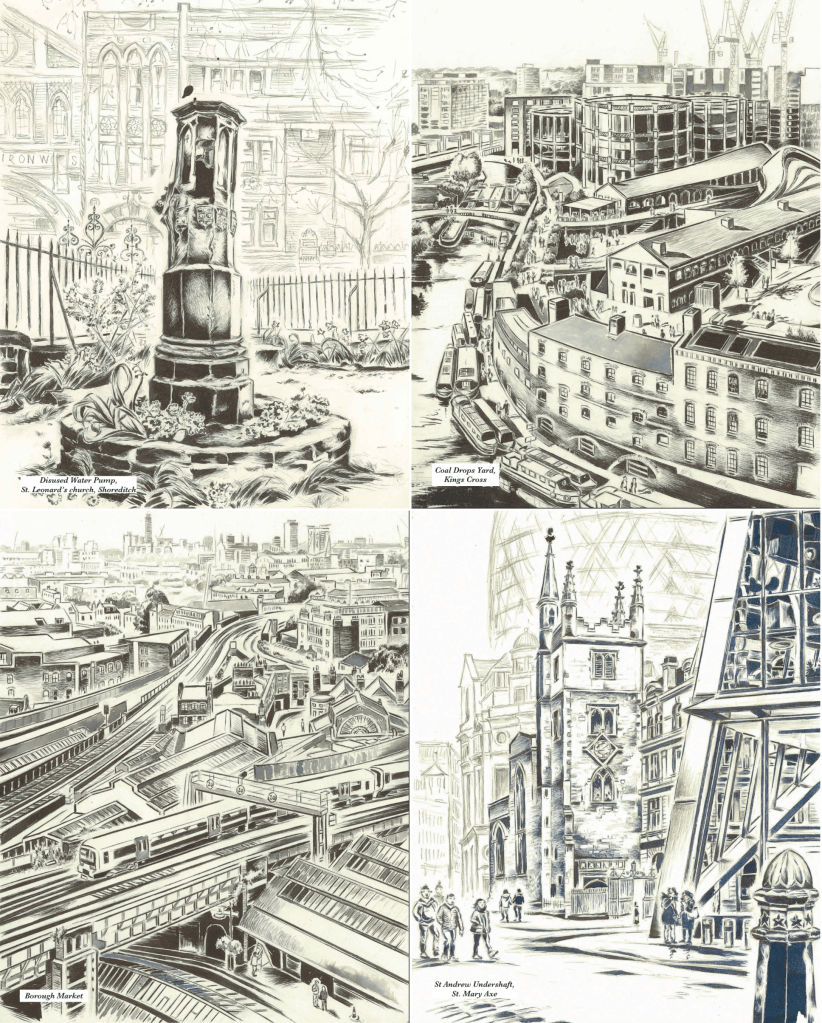
Peta was named ‘Artist of the Week’ on the Londonist website last week. Well done, Peta, that’s so deserved. Here’s the info taken from the website…

Link to Peta’s Instagram page if you want to see her other artwork and give her a ‘follow’… https://www.instagram.com/petabridleartwork/

Link to the original page… https://londonist.com/london/things-to-do/things-to-do-this-week-in-london-1-7-july-2024

Well done Peta, it’s really good to see that all your hard work is getting you more well known as your artwork is fabulous!

(Apologies for not posting the link sooner, but being away I couldn’t post this on the blog. Tracy)

Graham’s dictionary page experiment

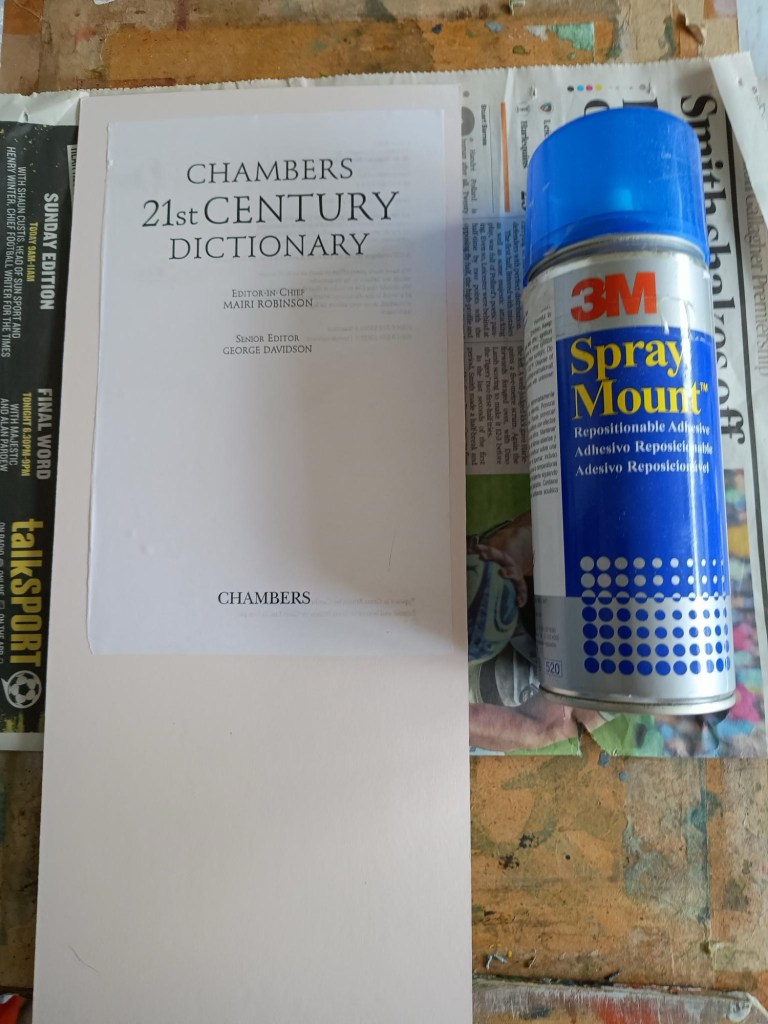
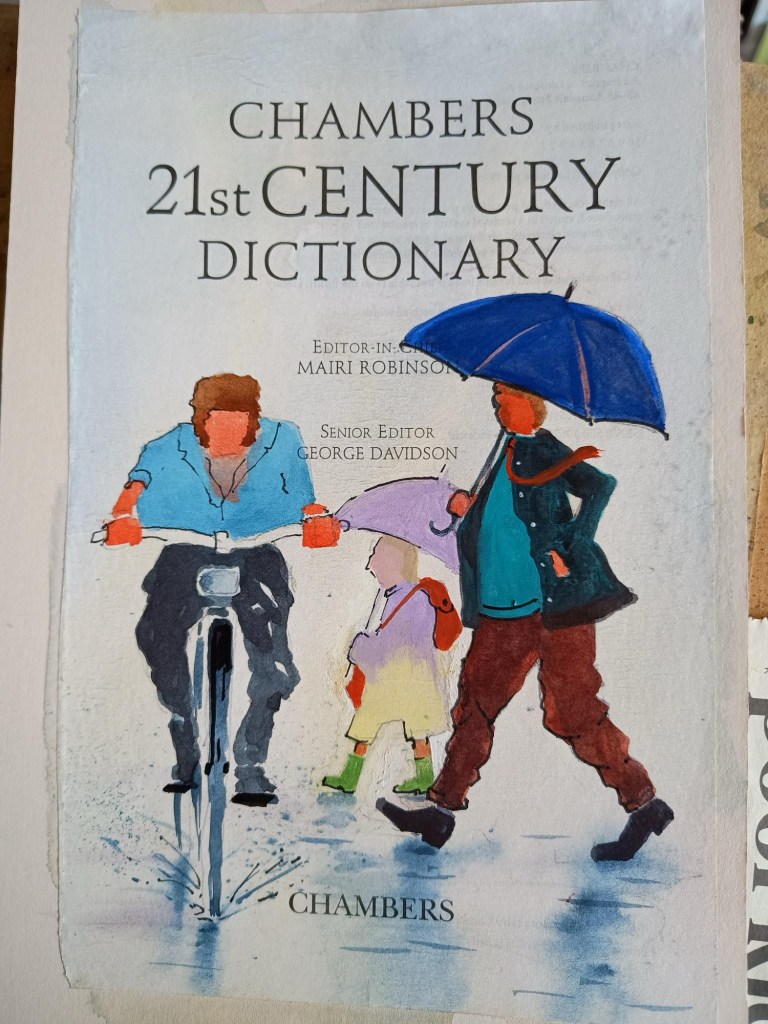
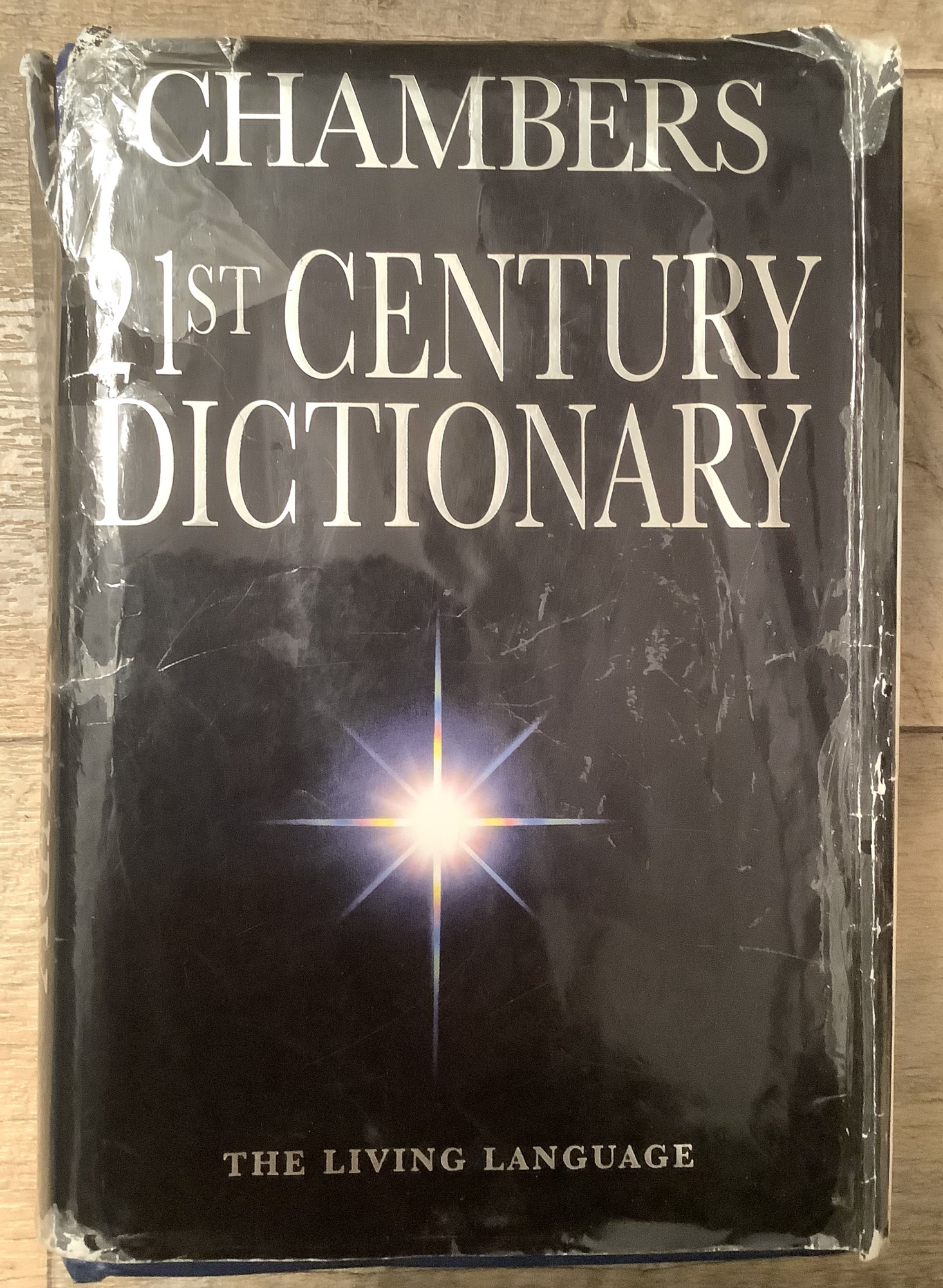
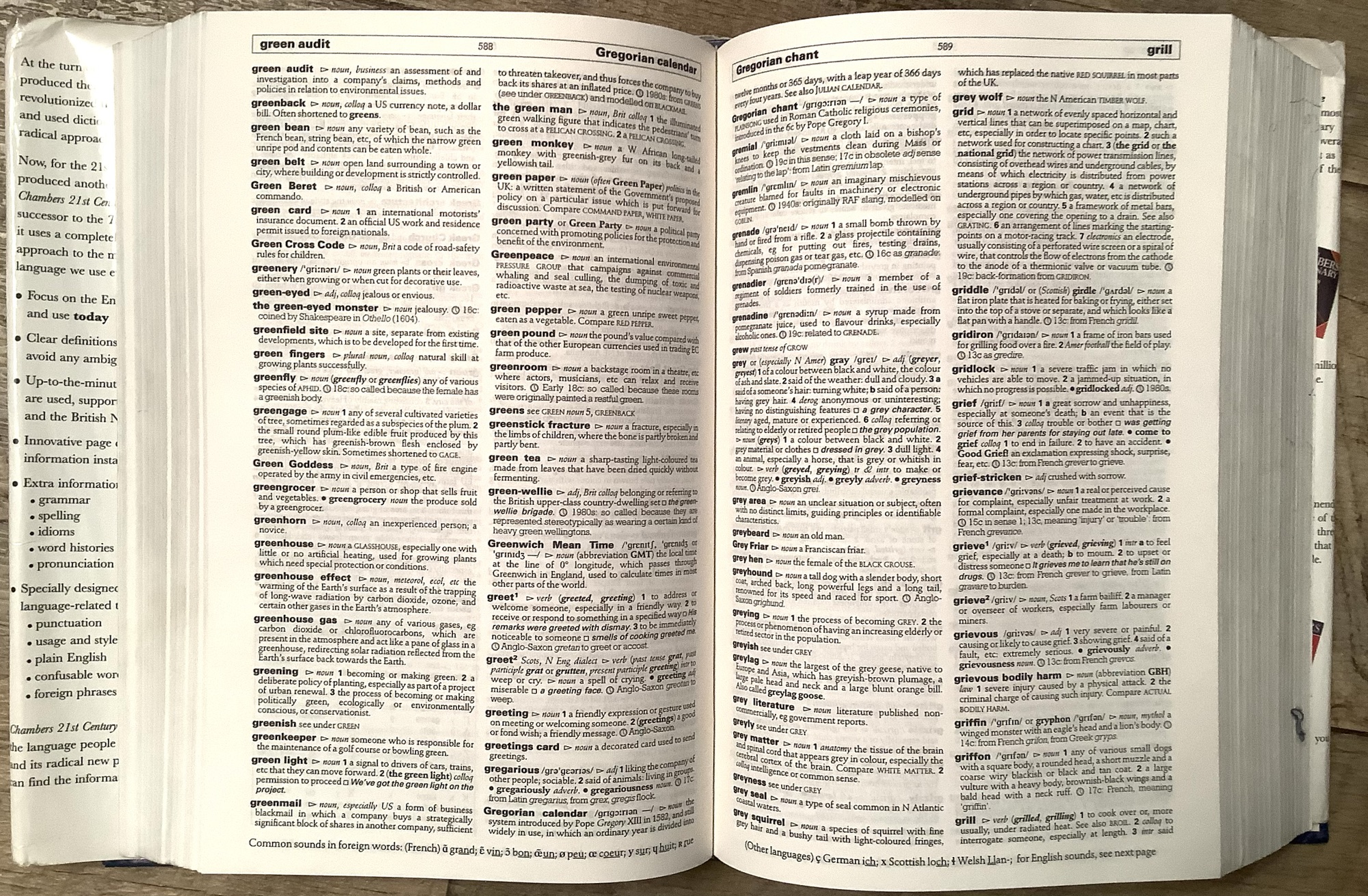
Graham chose several pages from the dictionary to paint on, but before he starts he tried painting on a spare dictionary page to experiment with how much water to use with watercolour and gouache paints and he tried using a pen too. His process is really interesting and is useful to everyone who has painted a dictionary page or who wants to paint one, especially his technique of mounting the page on scrap board to start with. The dictionary will be brought to future sessions in case anyone wants to paint more pages.

In Graham’s own words and photographs…

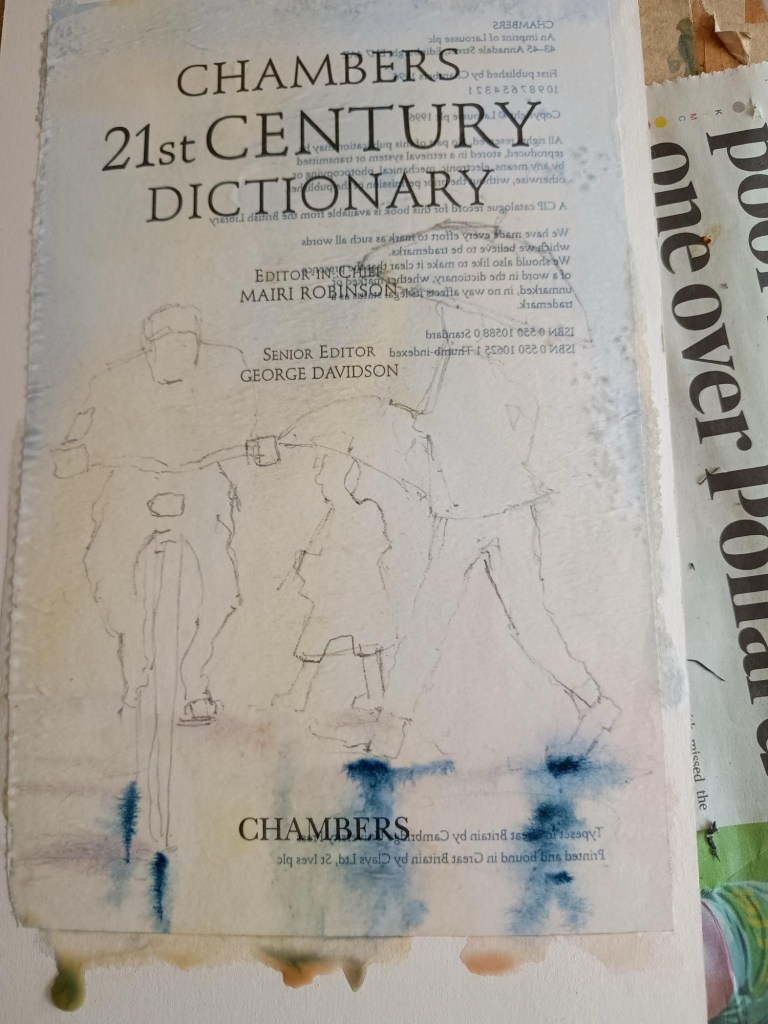
“I was determined to test the Dictionary Page paper to see how much abuse it would take.  Firstly, I mounted it on some scrap board. This gave it rigidity. Then I drew on it, deliberately doing a fair bit of rubbing out and re-drawing.

For the background watercolour wash I adopted my usual procedure of wetting the paper, then putting in very faint wet washes, and as the paper dried, ever stronger and less wet washes.  The paper stood up to this exceedingly well. It might be interesting to see how the page reacts when fixed to watercolour paper.

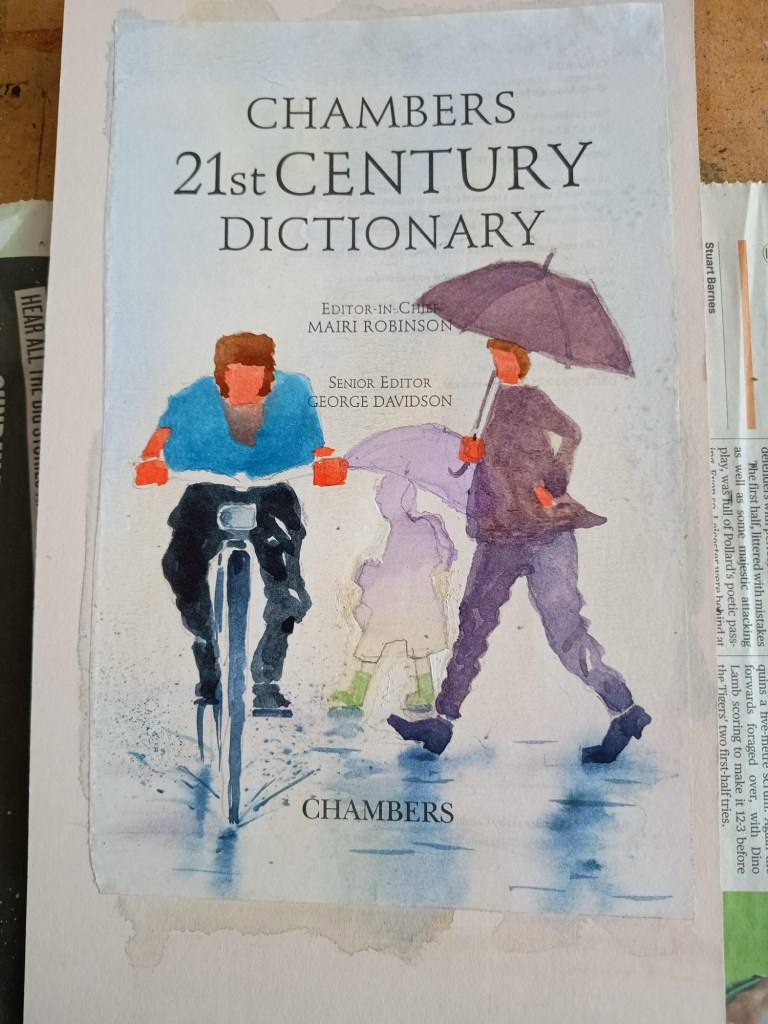
When this was all dry, I tried painting the rear figure with equally wet into wet washes. This failed abysmally.  All the washes bled beyond where I had applied them, and they did not mix well.  When dry, to try to redefine the edges of the figure, I applied some white gouache tinted with the background colours.  

For the man with the umbrella I tried applying the watercolour with a 50/50 mix of water and gum arabic.  This thickened the paint and stopped it bleeding but left it looking very streaky and unsightly.

For the man on the bicycle I mixed all the colours in the palette and applied them with a fairly dry brush, often taking most of the wet paint out of the brush with a tissue.

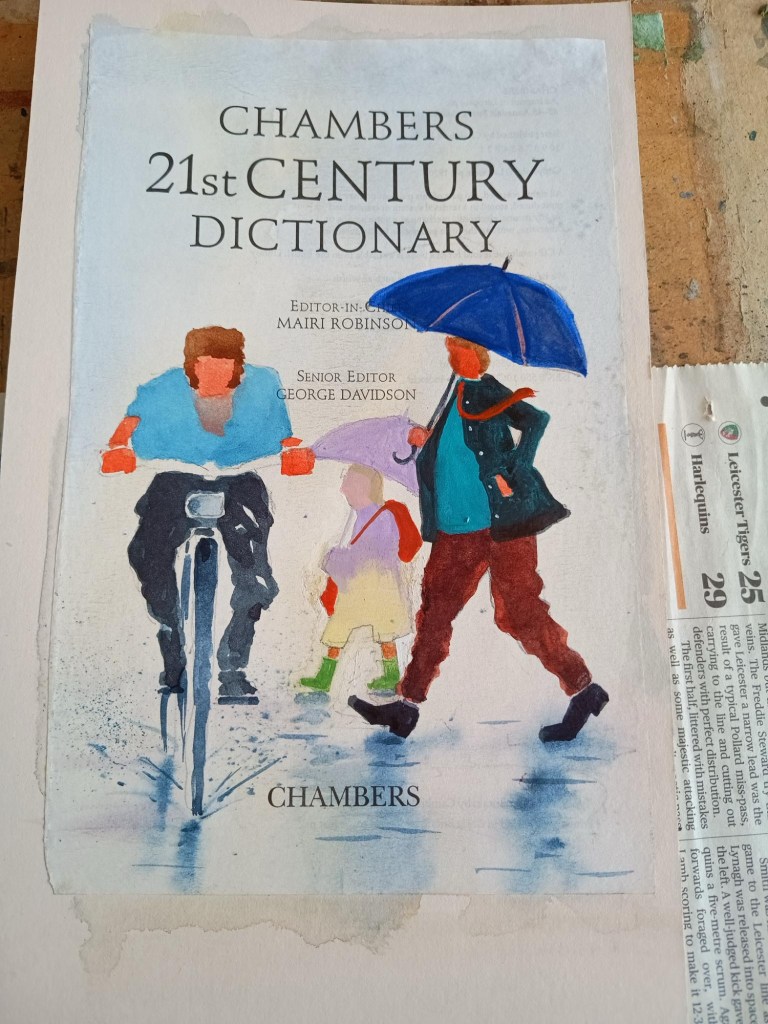
Once all the paint was dry I applied fresh colour to several of the washes on the other two figures.  These were similarly applied fairly dry paint.  The paler colours were again mixed with gouache so that under washes would be covered.

Finally, I did some ink drawing .. I’m not sure how successful that was.

This was all very experimental.  Glueing the paper down was certainly a good idea for me, and I will continue to do so when using a wet medium.  I was surprised how well the paper stood up to the original wet washes and to the number of layers of paint I could apply to the figures.  I used watercolour throughout. 

The lesson I learned was to apply it in a “dry brush” fashion.  Although I suspect Gouache and acrylic paints may well work better on this sort of paper I shall continue to experiment using watercolour.

Happy Experimenting and Painting 

Graham”

Thank you very much, Graham. To read your process from start to finish was very helpful and having the photos too made each stage easy to follow. Many of us have found that a dryer application of paint is the way forward and once one page is painted we want to paint several more!

July 2024

Wednesday 10th 7-9pm – Frida Kahlo

Draw or paint a picture inspired by Mexican artist Frida Kahlo (July 1907-July 1954). Her colourful paintings are full of colour but often filled with angst as she suffered life-long injuries from polio as a child and a terrible bus crash when she was 18.

Draw or paint Frida Kahlo’s portrait on her own or with her husband Diego Rivera. Study one of her paintings in depth or use her colourful style to paint a picture of your own subject.

Here are a few websites to read up about Frida Kahlo and to see her pictures… www.museofridakahlo.org.mx

www.fridakahlo.org

www.frida-kahlo-foundation.org

www.wikipedia.org/wiki/Frida_Kahlo

Saturday 27th AFTER 10am – 3pm – ‘Do your own thing’ at Chalk Church

We return to our summer venue at St.Mary’s Church in Chalk. Please arrive AFTER 10am so we don’t block the lane to the church before the gates open.

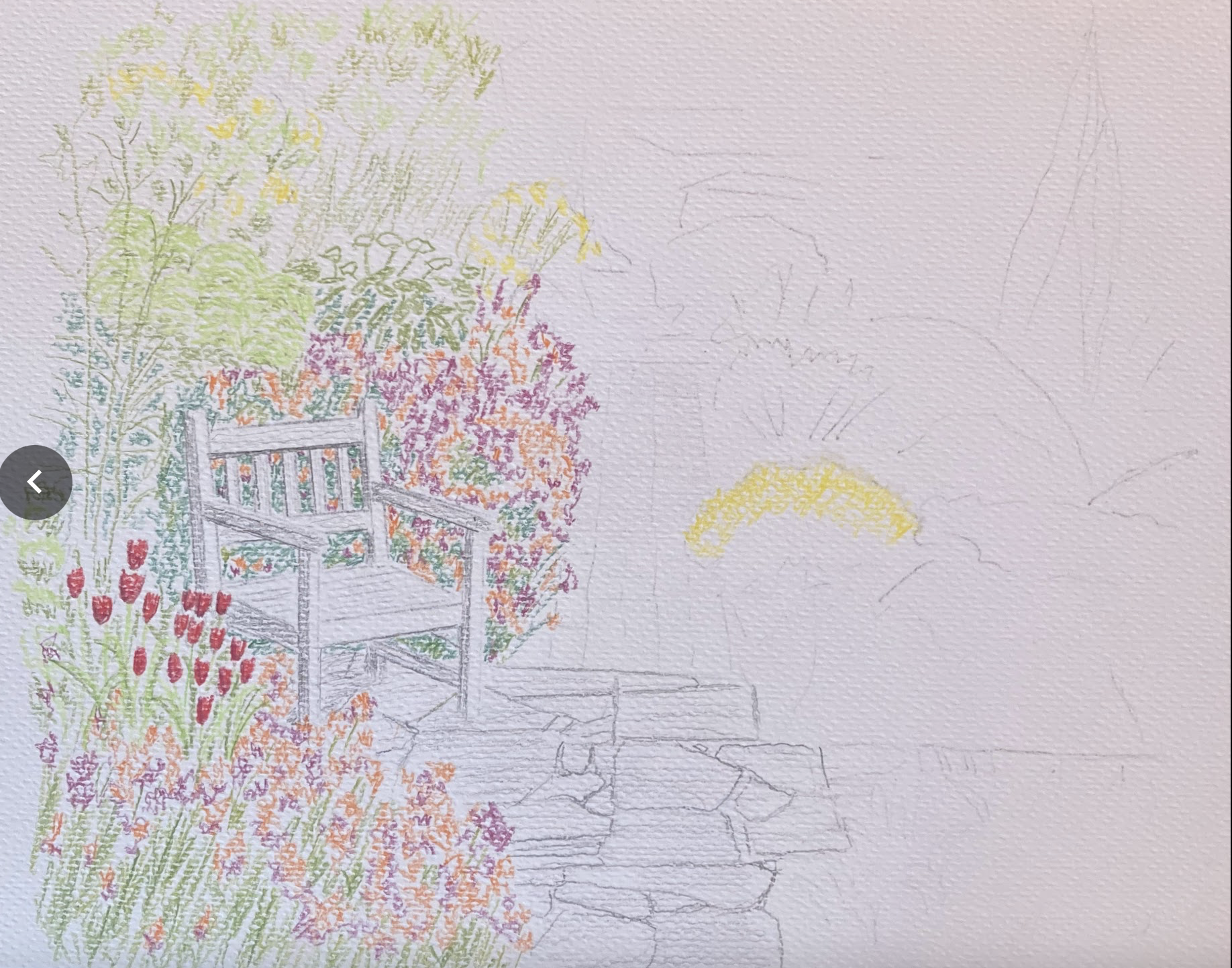
The church and ‘Monet’ bridge are popular subjects to paint, but you don’t have to.

Many of us have painted these several times, so instead start any project for our Open Day (Saturday 23rd November), continue or start a Frida Kahlo inspired picture or bring paintings you want to finish.

If it’s raining we still meet at the church as there’s an indoor room in the barn with tables and chairs for us to use. There’s a large car park, toilet, and tea, coffee and biscuits as usual.

Please bring along a folding chair or stool if you intend to paint outside and a packed lunch too. If you can only make the morning or afternoon, please come along and join us for a couple of hours. We pack up before 3pm as the church warden locks the gates then.

The church doesn’t charge us to use the barn or gardens, so any donations to the Church Fund are appreciatedthank you.

Mary’s pictures

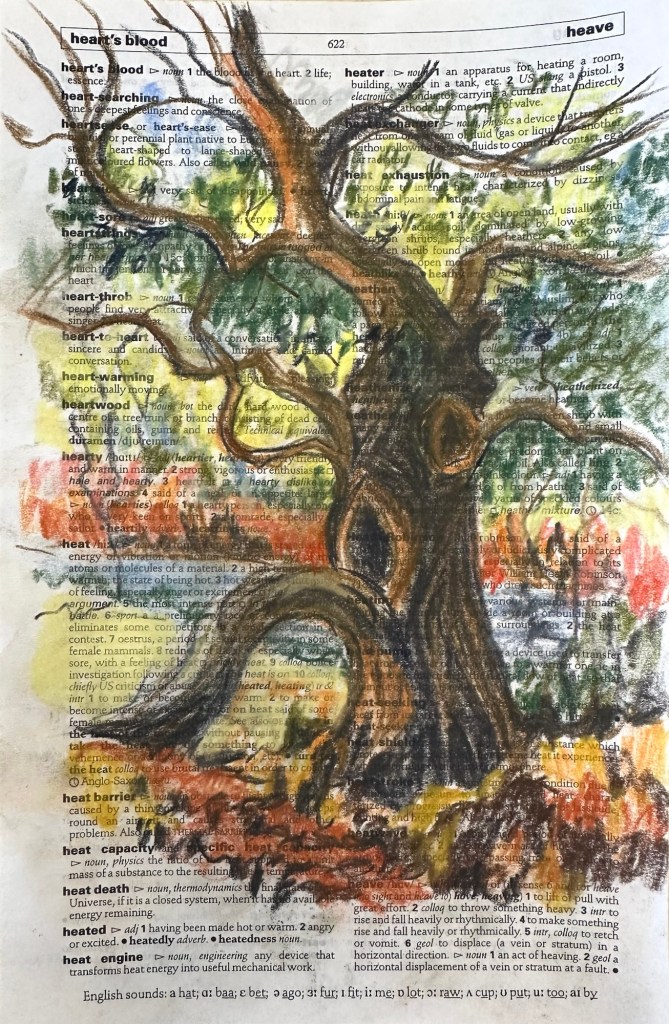
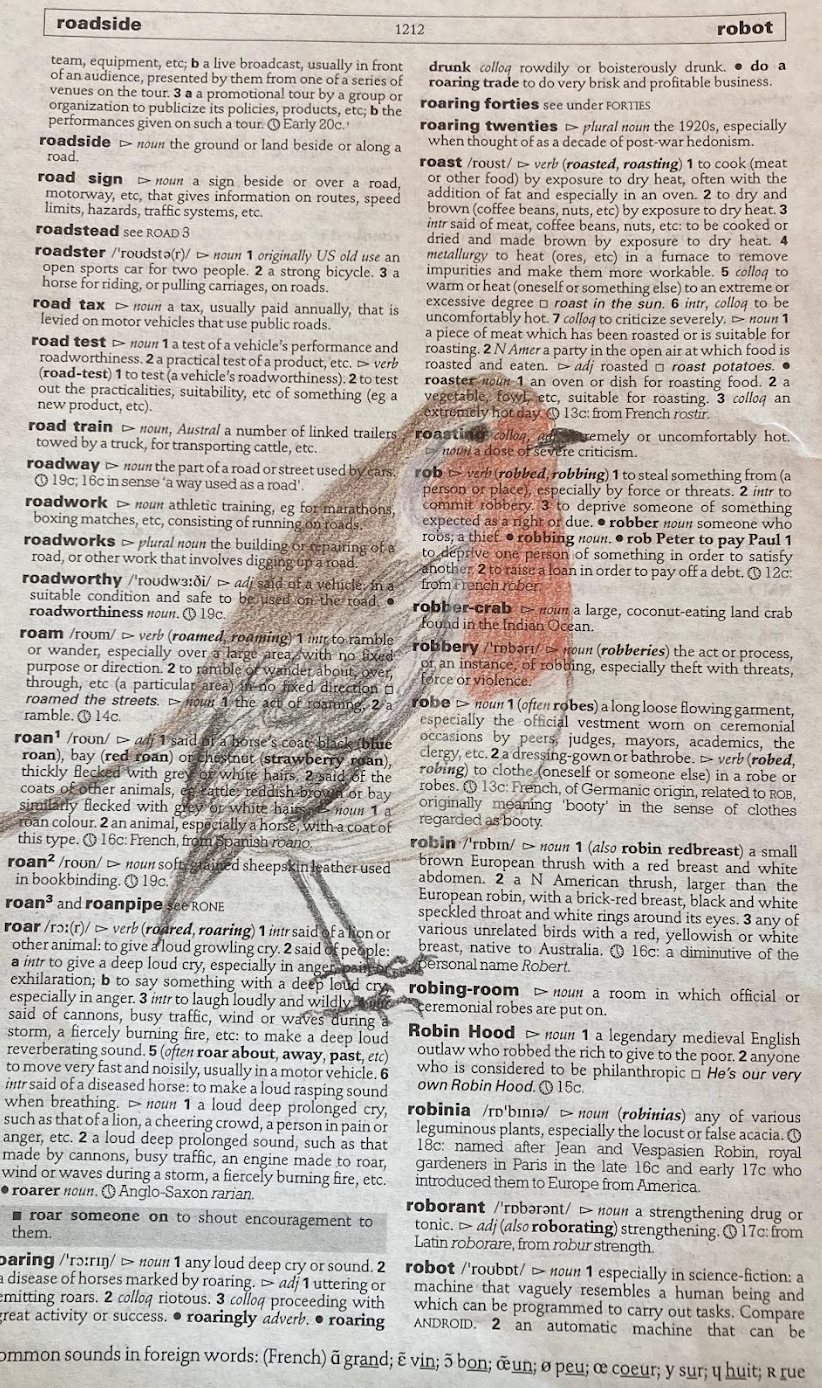
Mary’s surname of Hoade isn’t in the dictionary but it derives from the Old English word ‘hoath’, meaning heath dweller. In pastel pencils on the page with the word heath on it she drew a tree on heathland. Pastel pencils work really well on the thin dictionary pages.

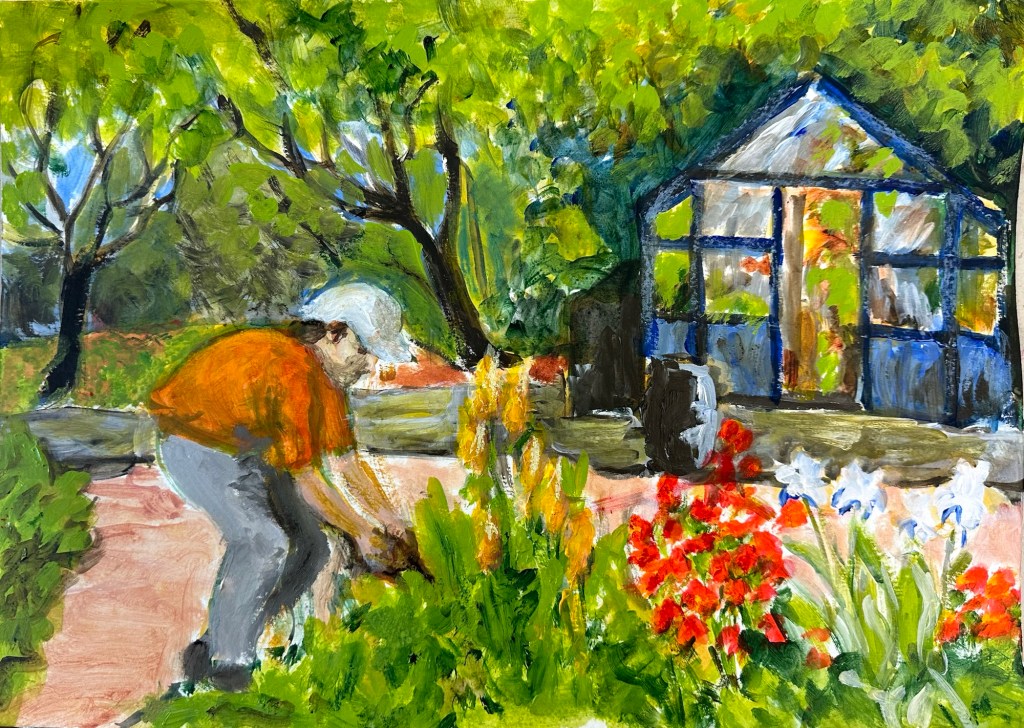
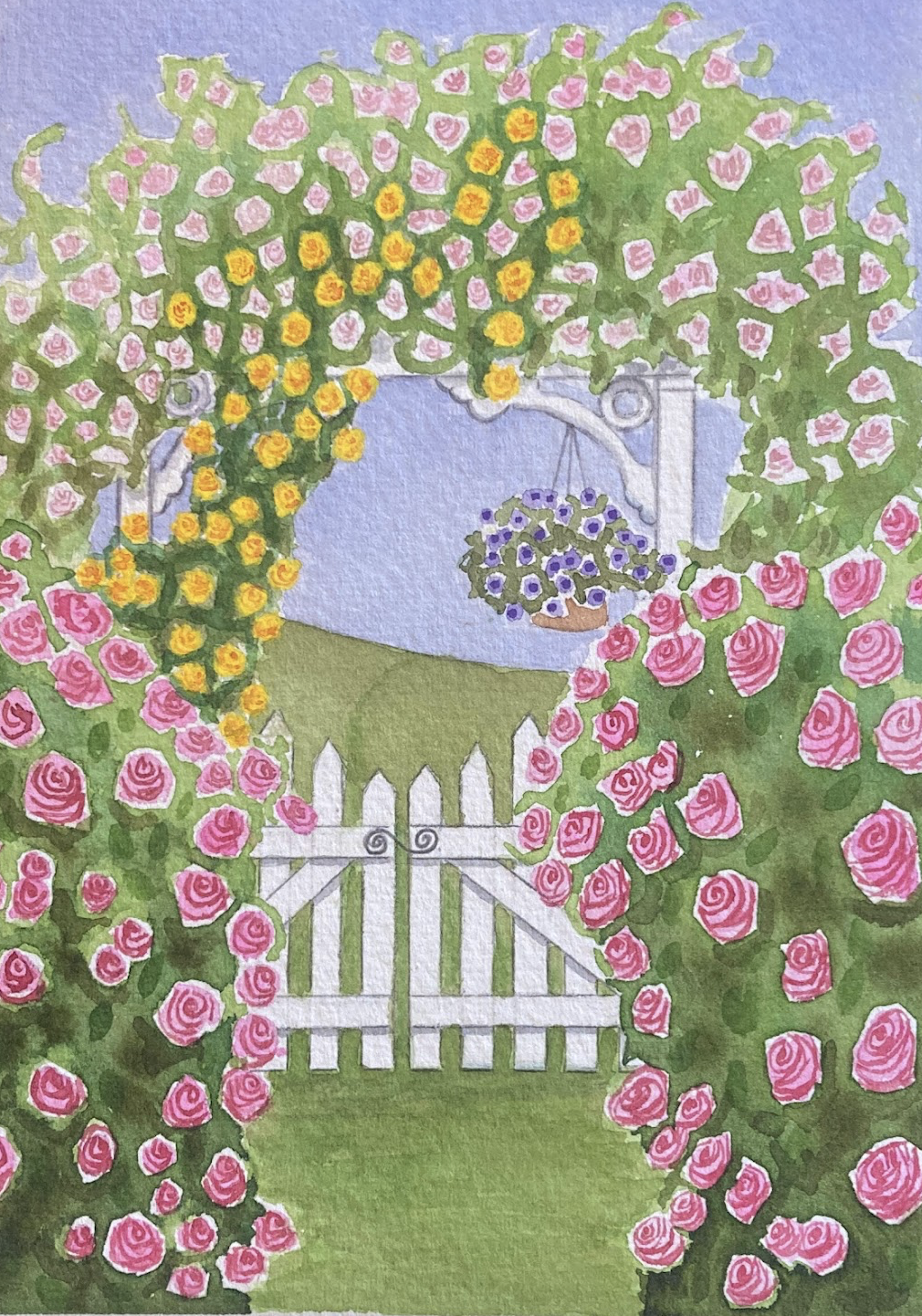
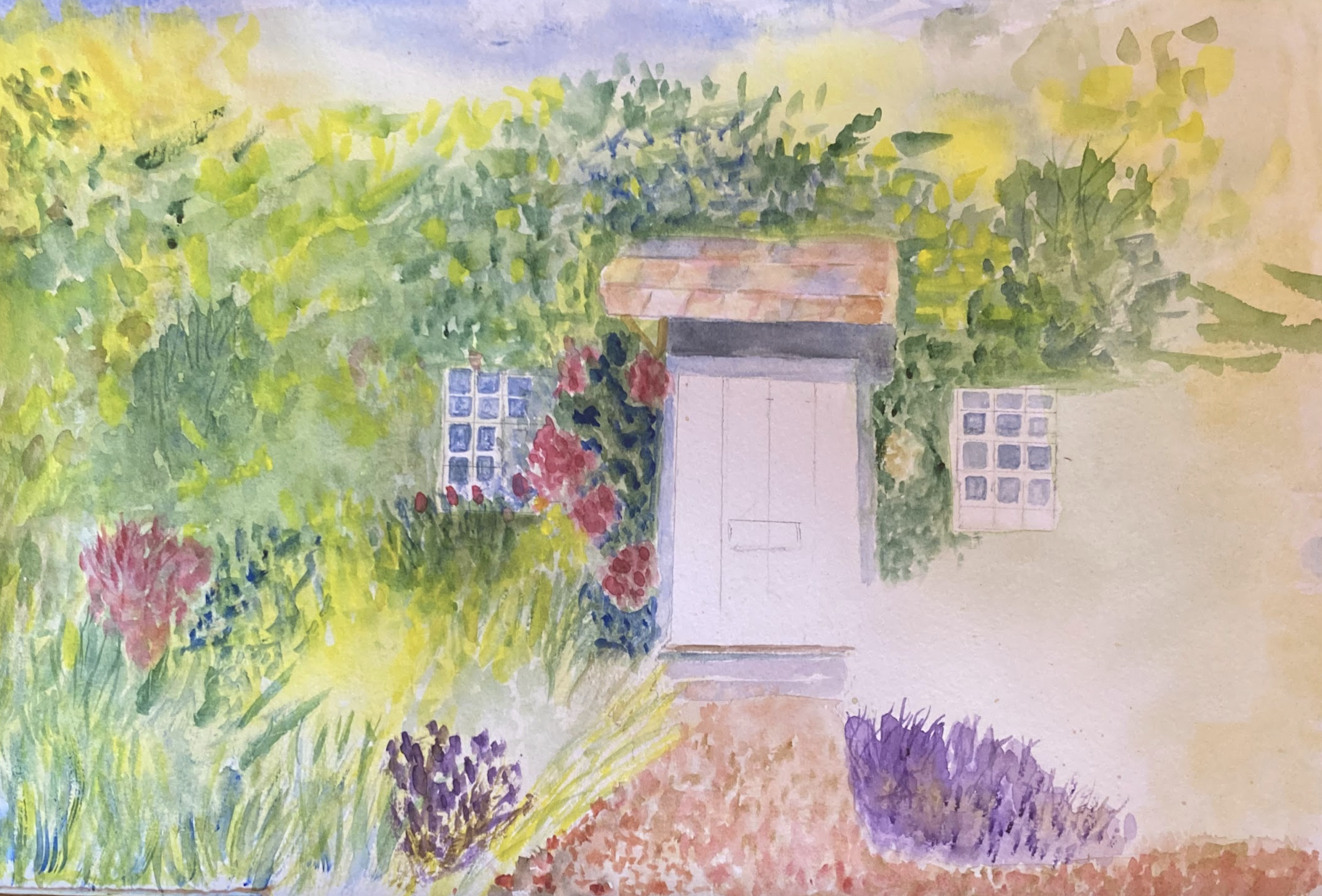
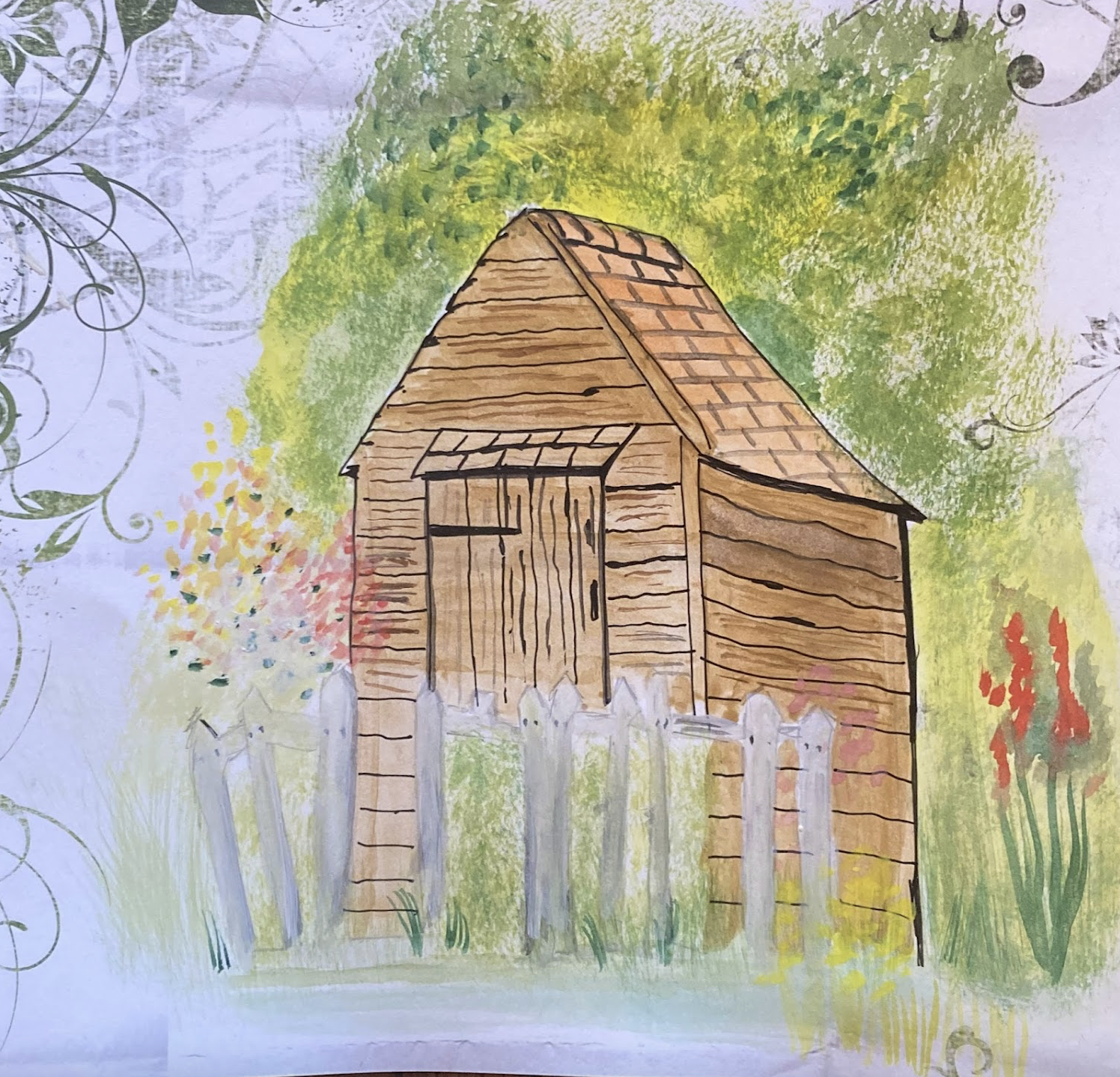
Mary also completed an acrylic painting for the ‘In an English Country Garden’ subject. A gardener in his garden is beautifully painted.

Lovely artwork, Mary, well done!

Saturday 22nd June – In an English Country Garden

Eighteen members attended on a lovely bright warm day

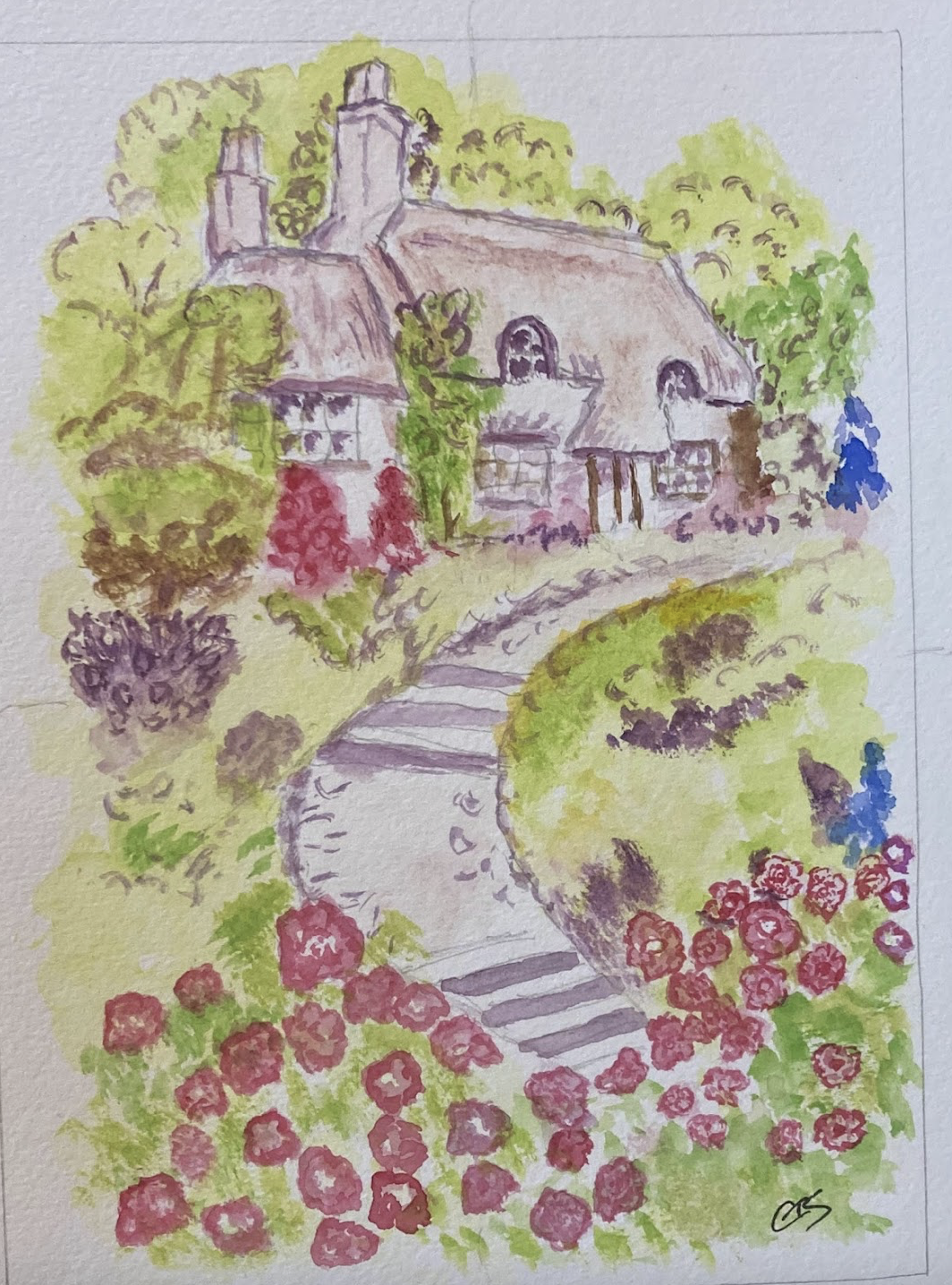
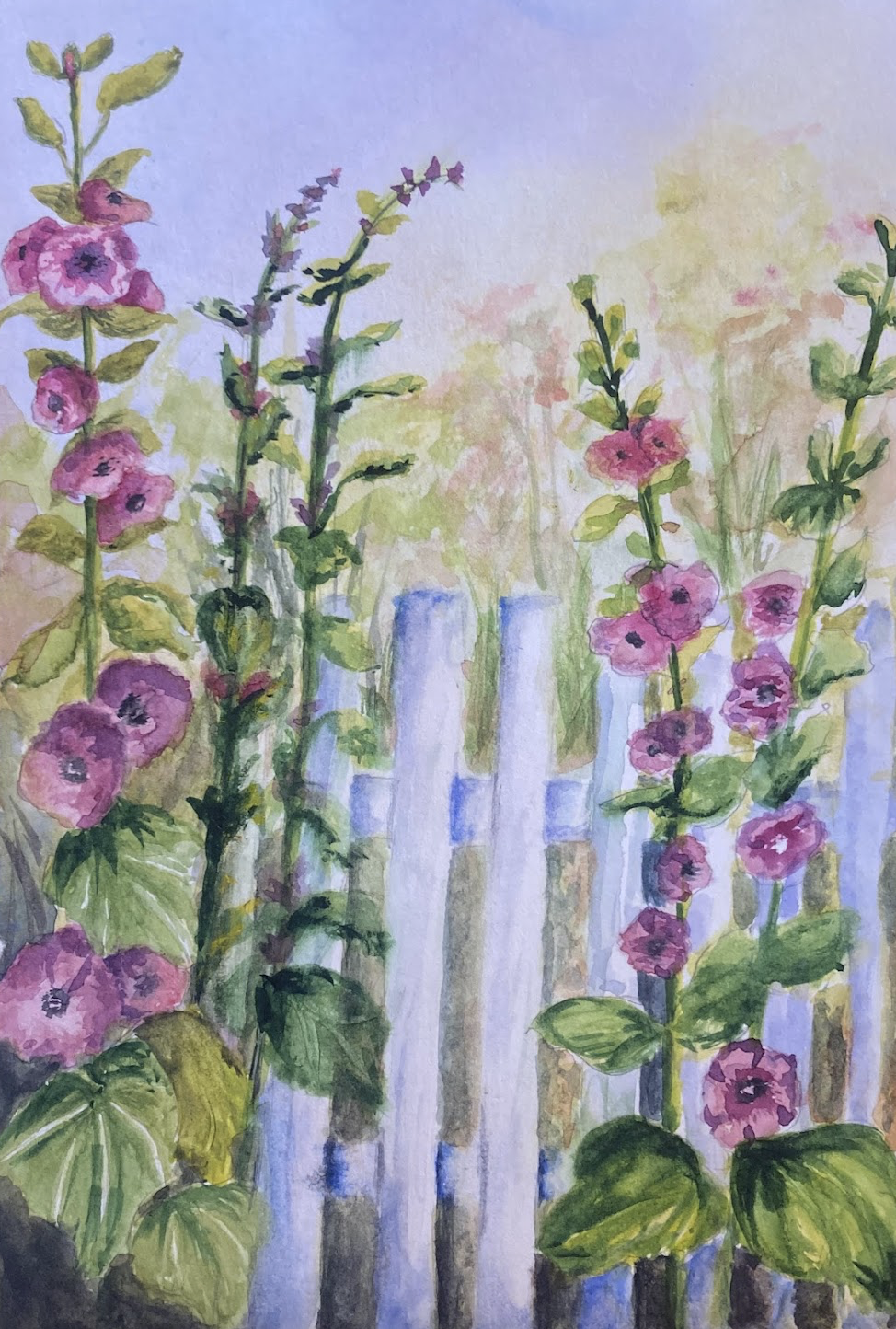
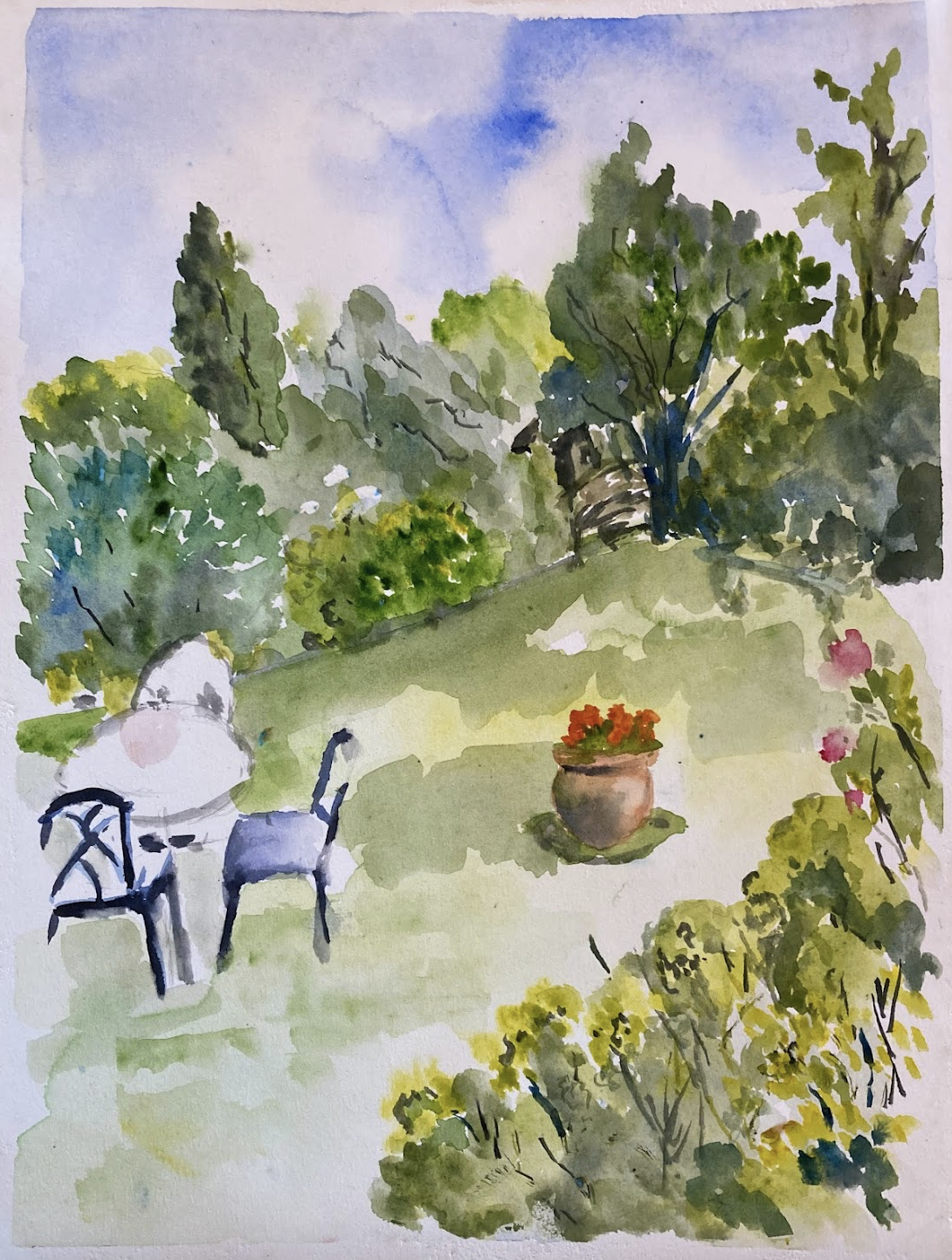
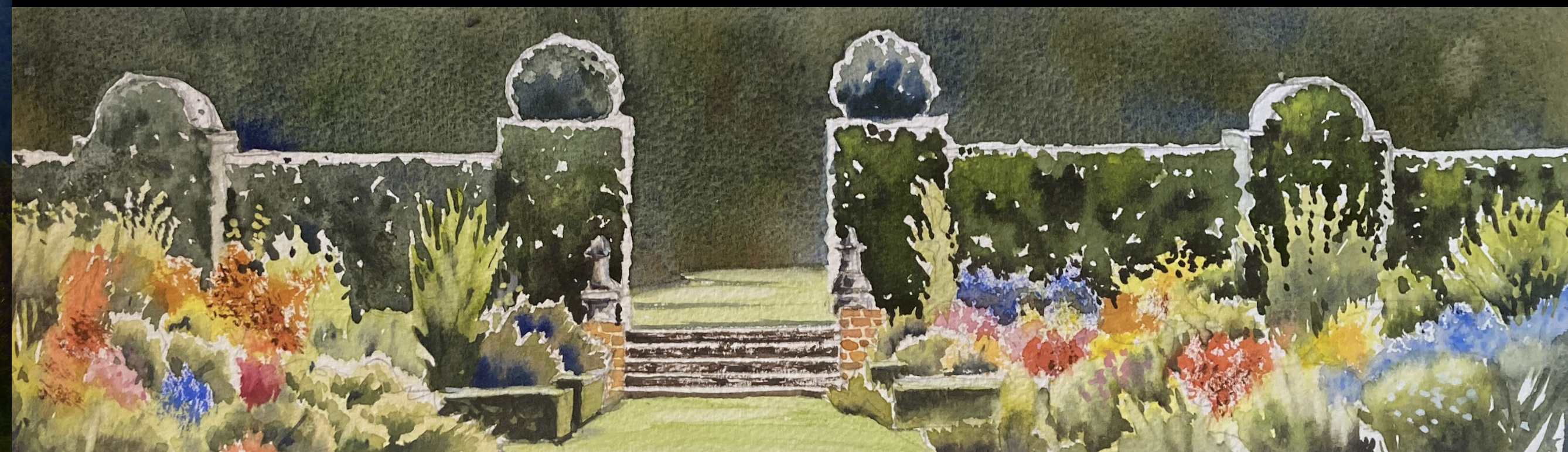
As usual there was an eclectic mix of interpretations of the theme ‘In an English country Garden’

Some members continued with the Wednesday challenge to paint or draw an image which related to a page from a book, newspaper or dictionary.

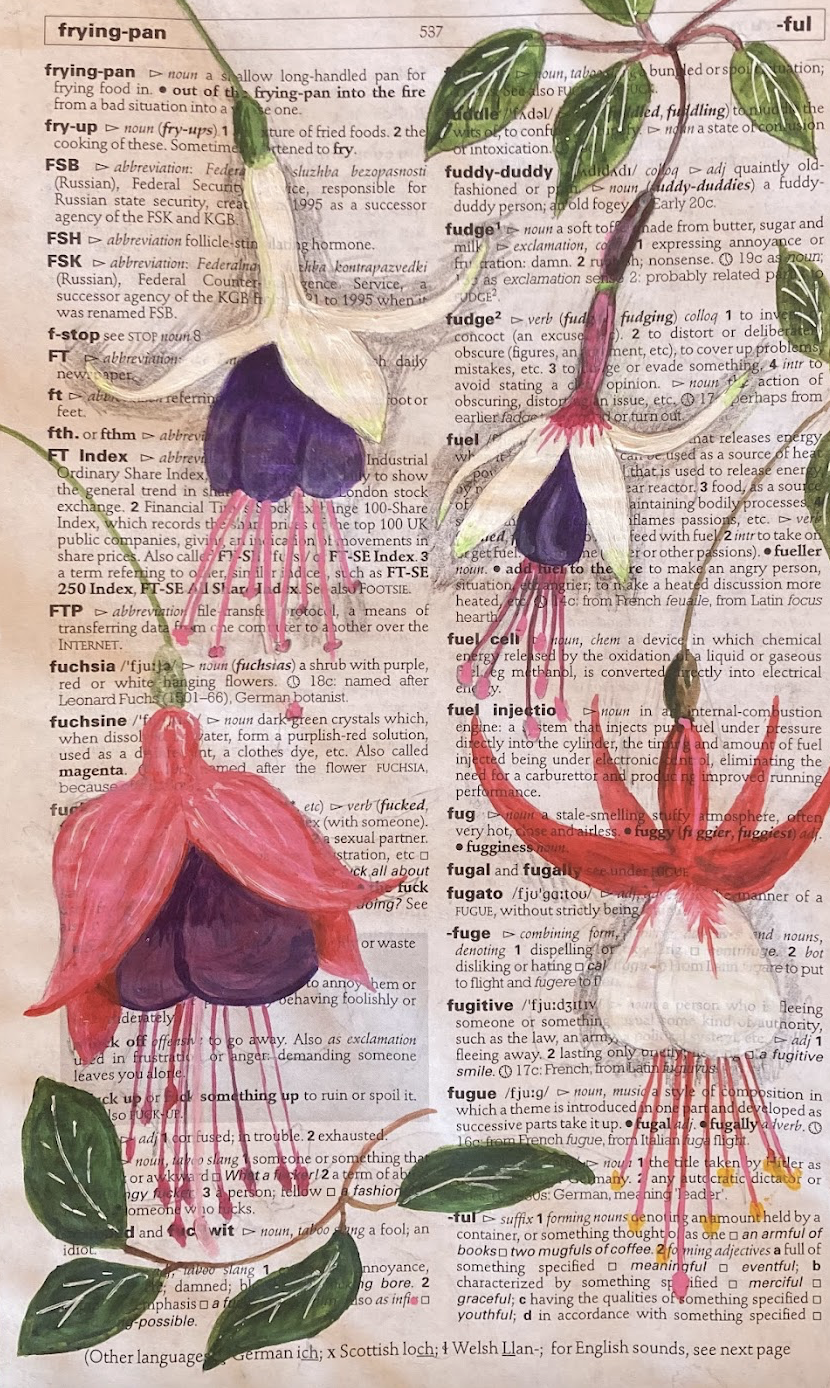
Well done all. Special mention for Tracy who with her image of Fuchsias managed to cover some flowery words with some well positioned leaves.

Some members, as usual ‘did their own thing’

Thank you to you all for sharing your company on such a lovely day

Our next meeting is on Wednesday 10th July at Chalk village hall from 7pm to 9 pm. Do remember that the meeting on Saturday 27th July from after 10am until 3pm is in the garden at Chalk Church

Best wishes

Painted dictionary pages

Painting images on dictionary pages has proved a very popular subject.

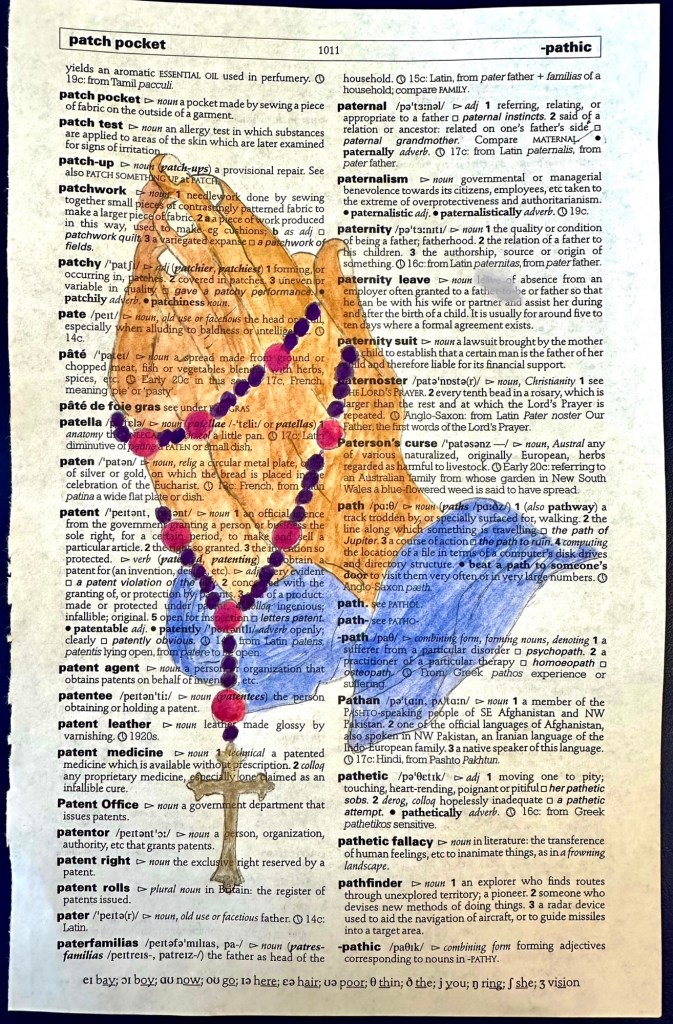
Brenda rose magnificently to the challenge of painting a picture for her surname which is Paternoster. In Latin Paternoster means ‘Our Father’, the first words of the Lord’s Prayer. The word also means certain beads on a rosary. She used watercolours to paint praying hands holding rosary beads and used metallic paint for the beads and cross.

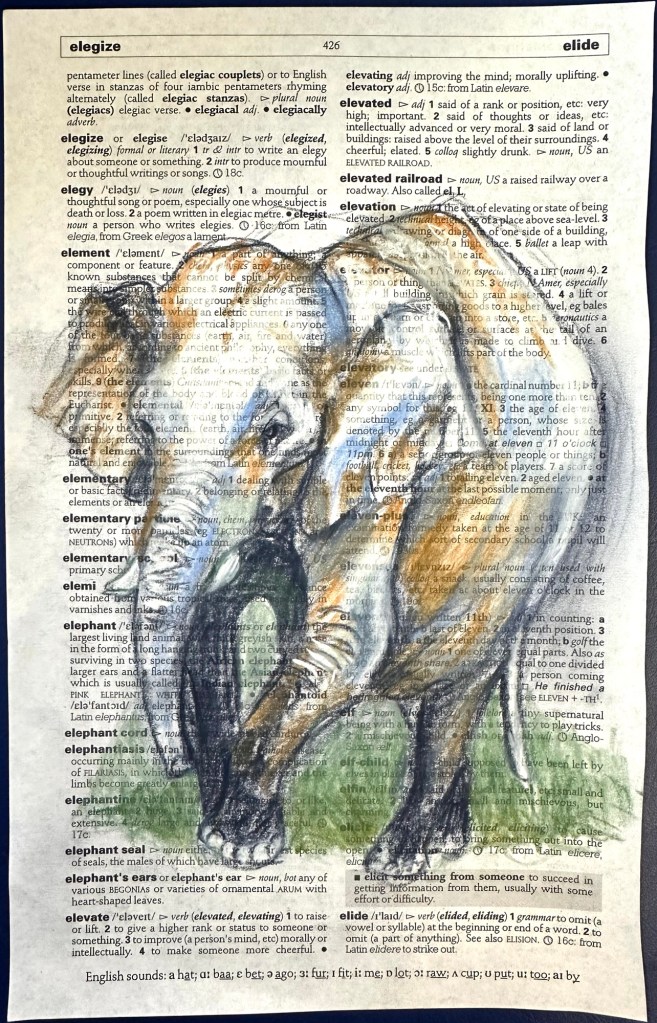
Mary has drawn and painted several elephant pictures lately so created this image on the dictionary page that has ‘elephant’ printed on it. She used pastel pencils and the thin paper held the multiple pastel colours really well.

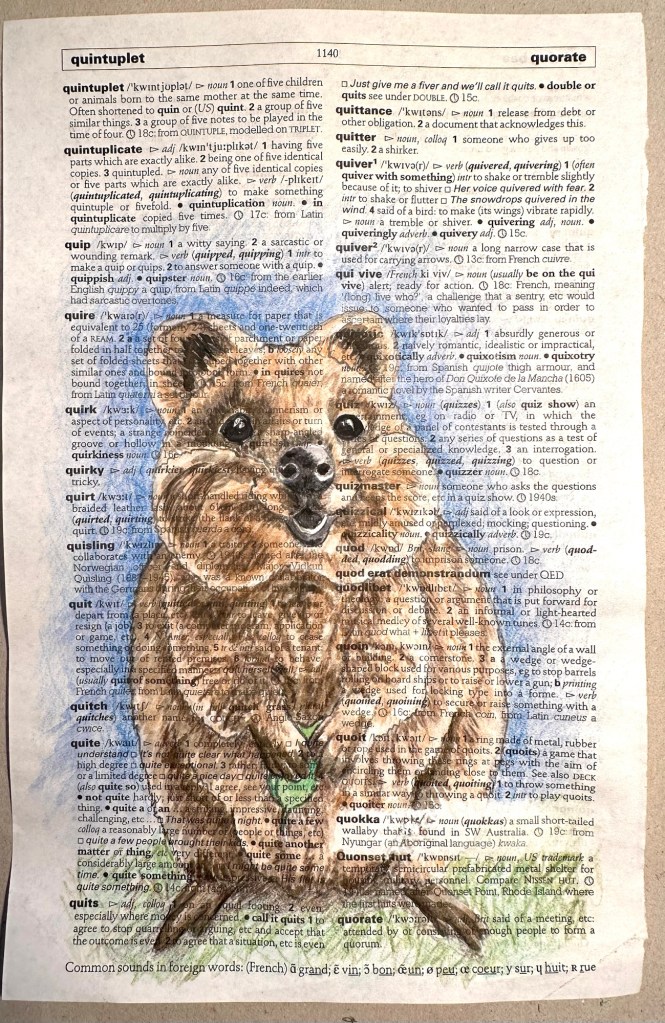
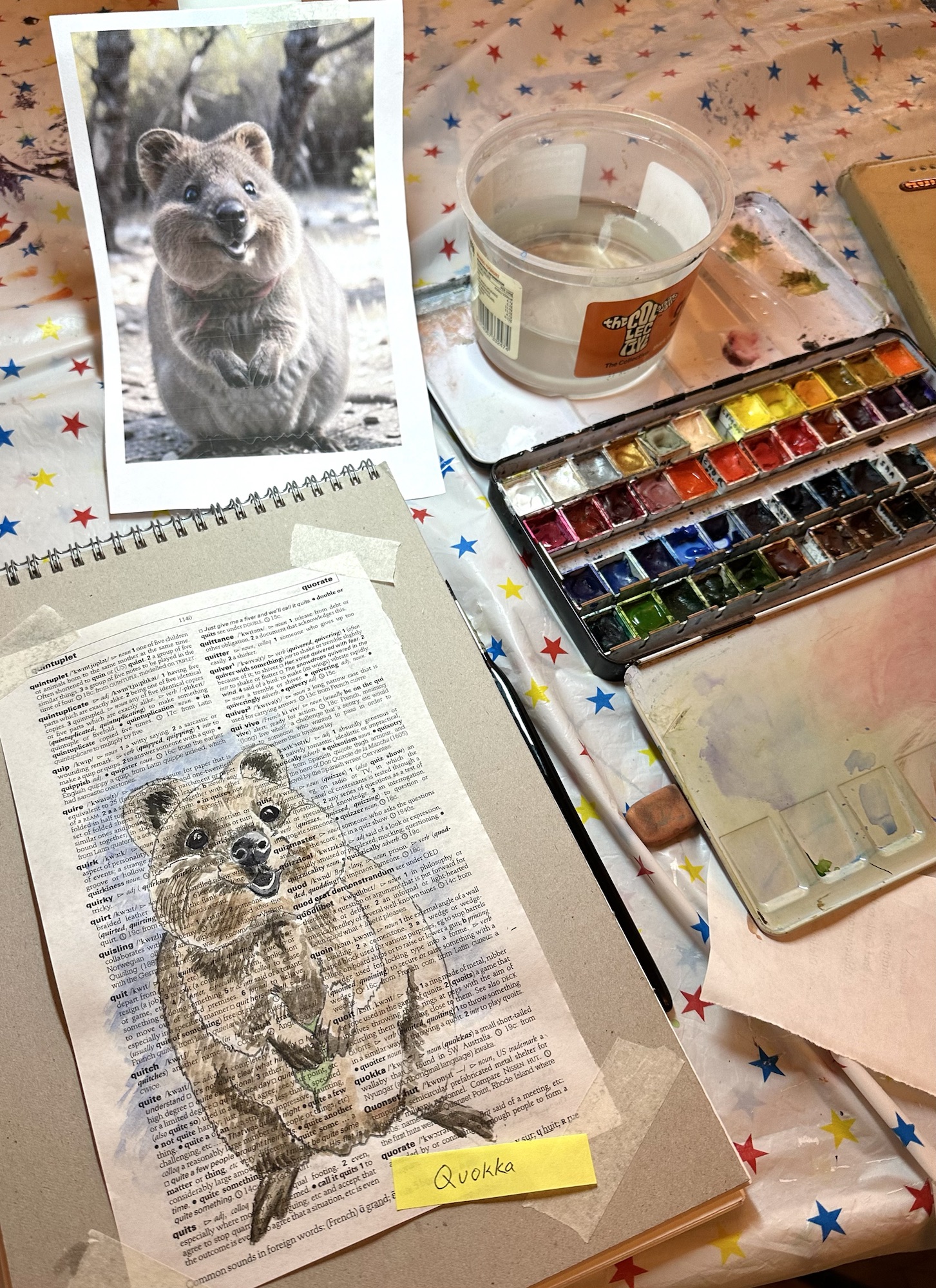
Tracy started her picture of a quokka, a small Australian marsupial, at the last session. She had used watercolours quite drily then added coloured pencils to deepen the colour of the paint. Coloured pencils worked really well on the thin paper and gives many options for further pictures without using water on the page.

Well done ladies, it’s really interesting to see the finished pages.

If you complete your painting on book pages do bring them along on Saturday to be photographed, or send your images to Tracy or Steve.

Paint on a book page – June 2024- Wednesday

It was a quiet session with only eight members but what we lacked in numbers we made up for in creativity. Painting on a book page proved to be very satisfying with members painting on different types of paper, much thinner than our usual watercolour paper so we had to paint carefully. For those who didn’t bring their own paper there was a choice of books to choose from including a phone book, an RAC guide book, a couple of tatty old novels and a dictionary from eBay costing the huge sum of £1.79 including postage. No new or precious books were harmed during the session!

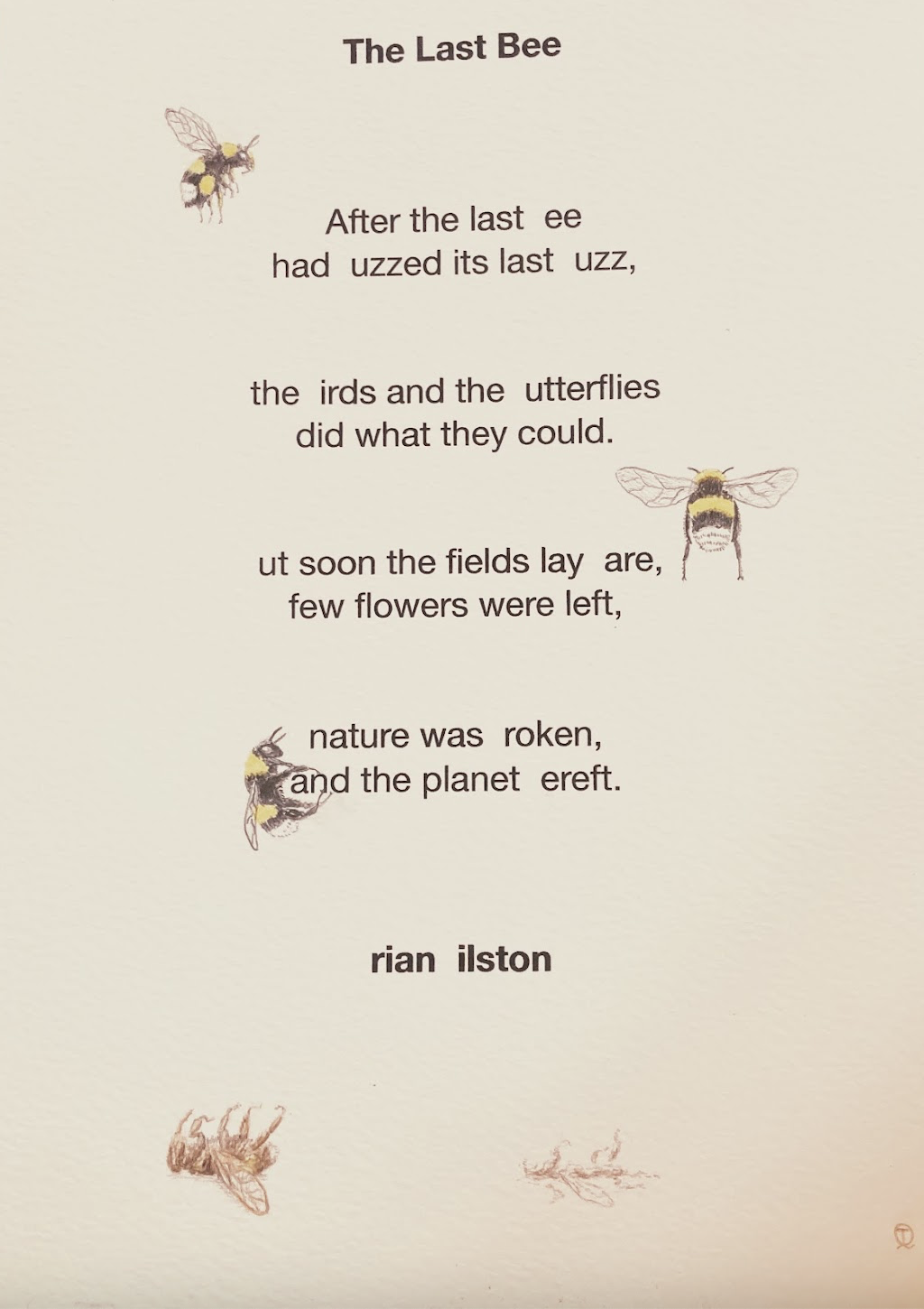
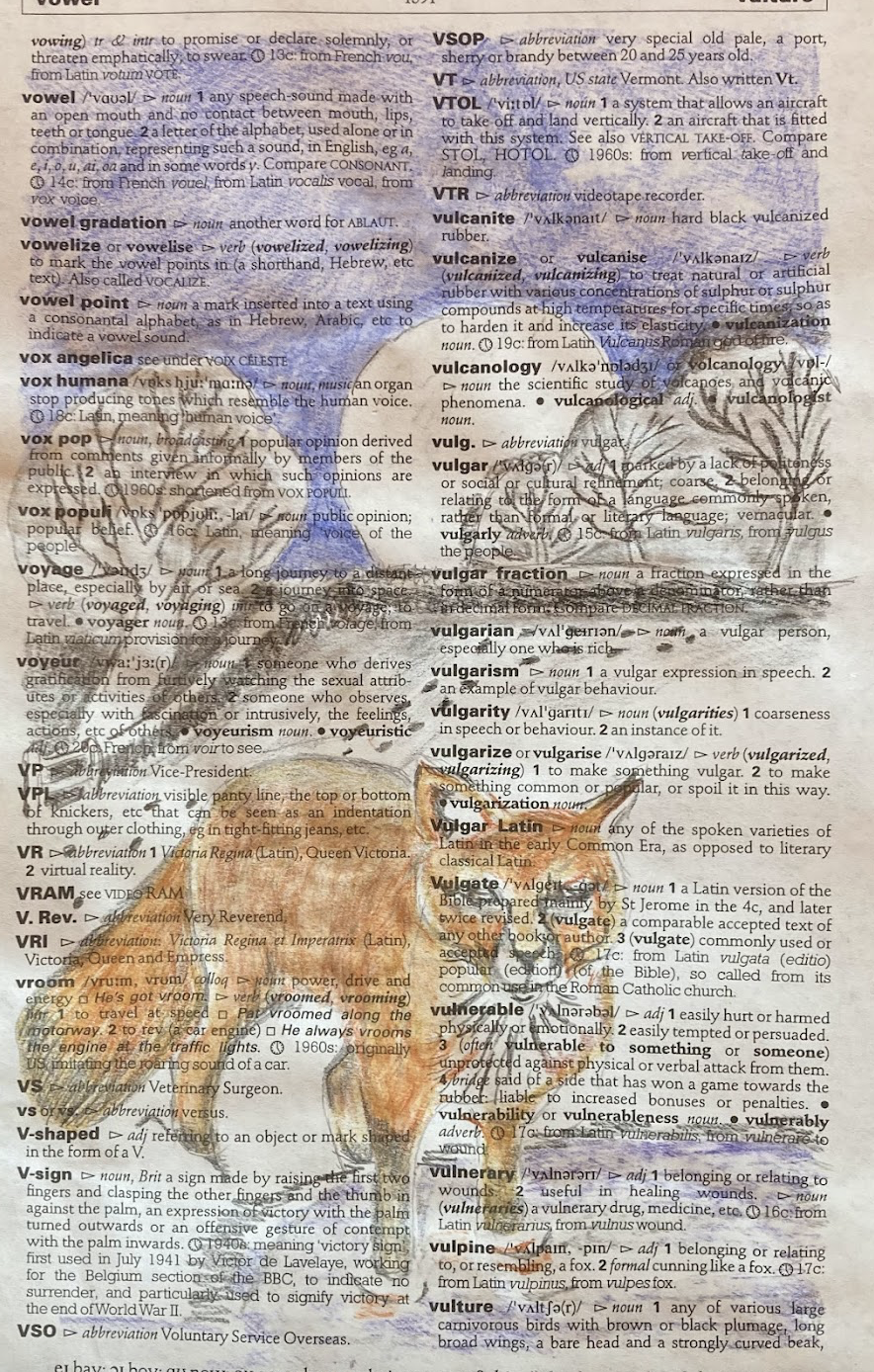
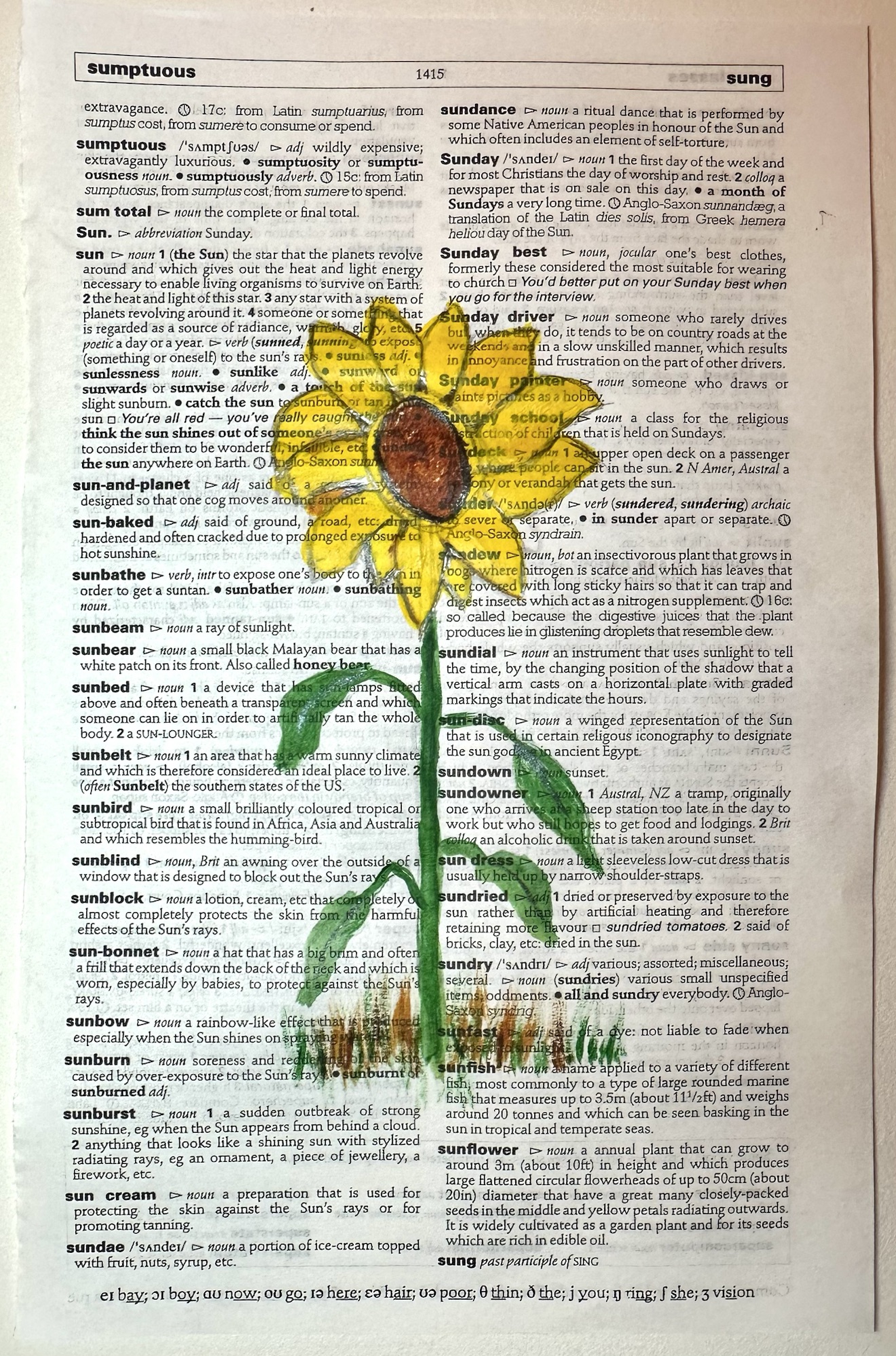
Removed from the dictionary were pages including the words married, wedding, sunflower and quokka. Words requested to paint another time include hare, lobster, crab, octopus and vulpine, so hopefully these pages can be shown when they’re finished.

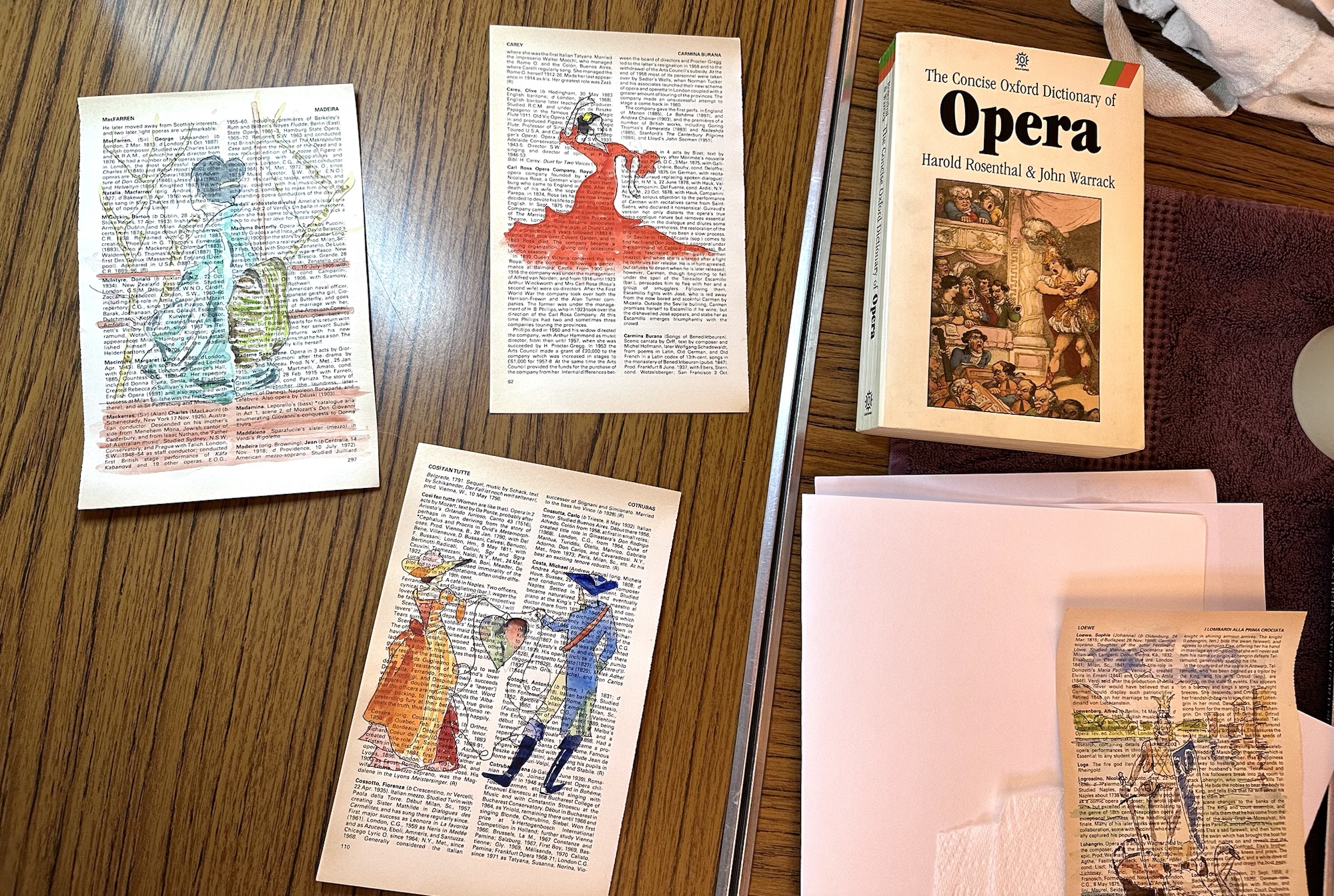
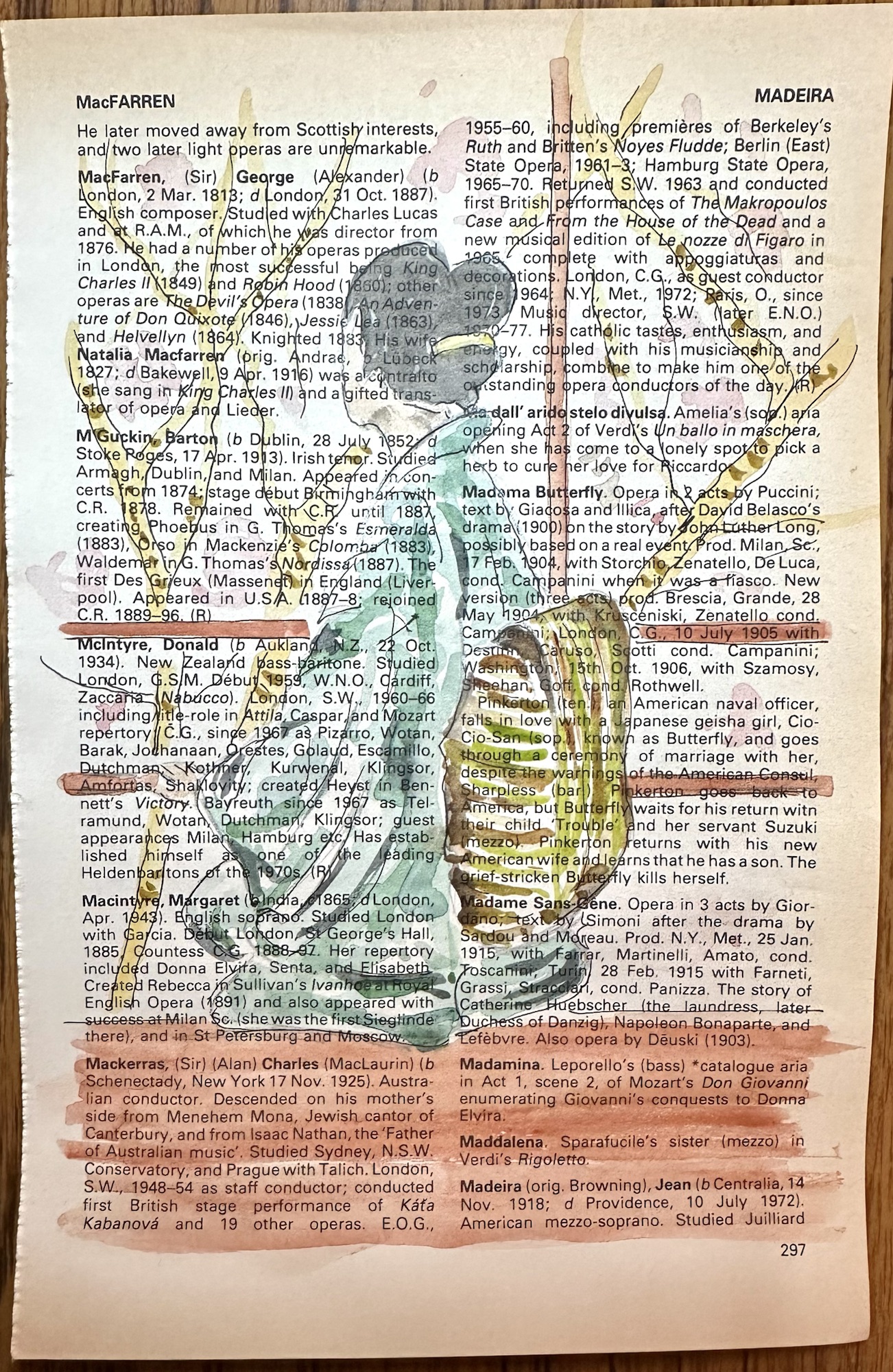
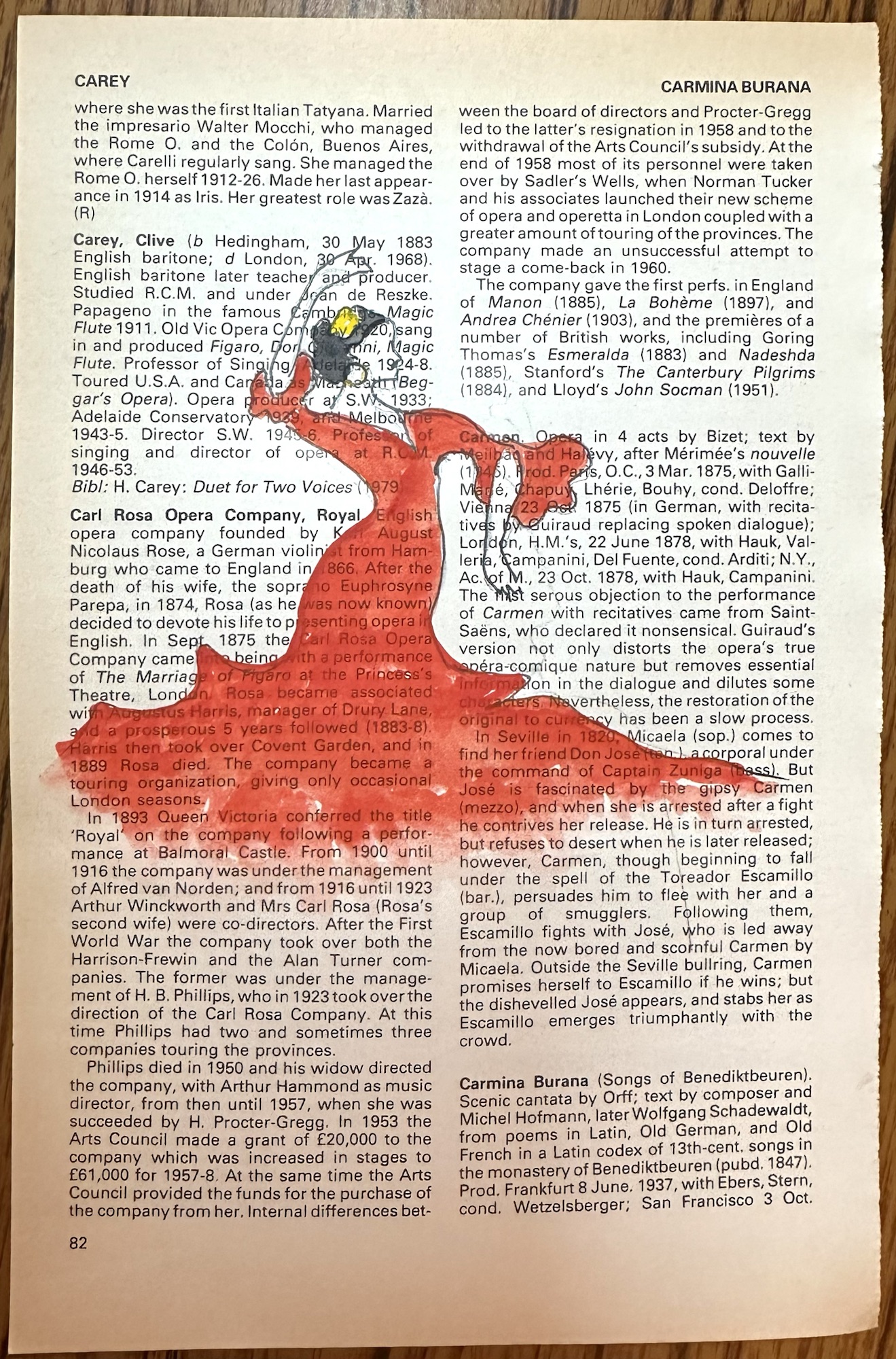
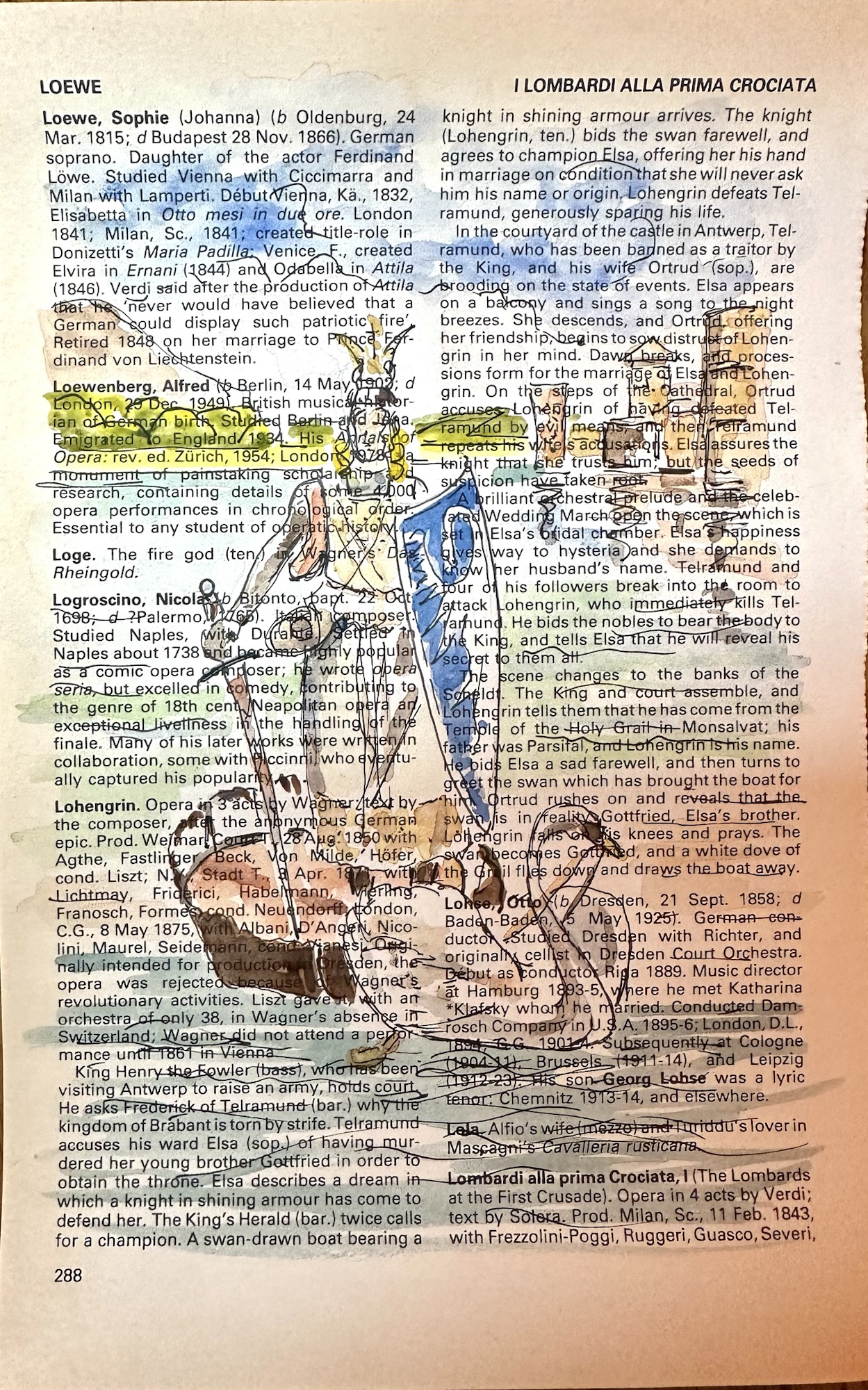
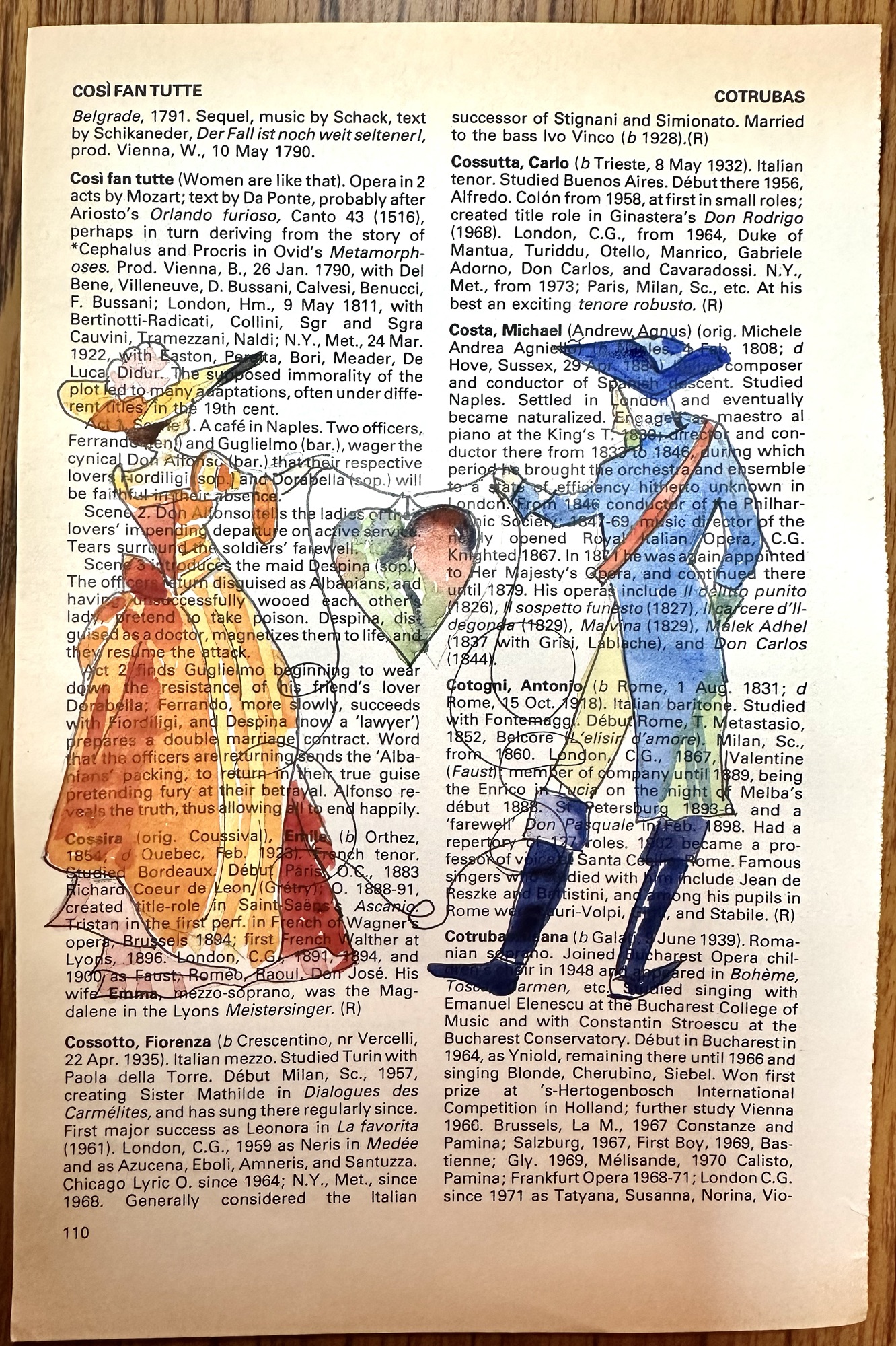
Susan suggested this subject and we all agreed it was really interesting. She used a book about opera that had belonged to her late father. Watercolour was used to paint images from an opera on the page where that opera was listed and the paper absorbed the watercolours very well. A very clever idea, Susan.

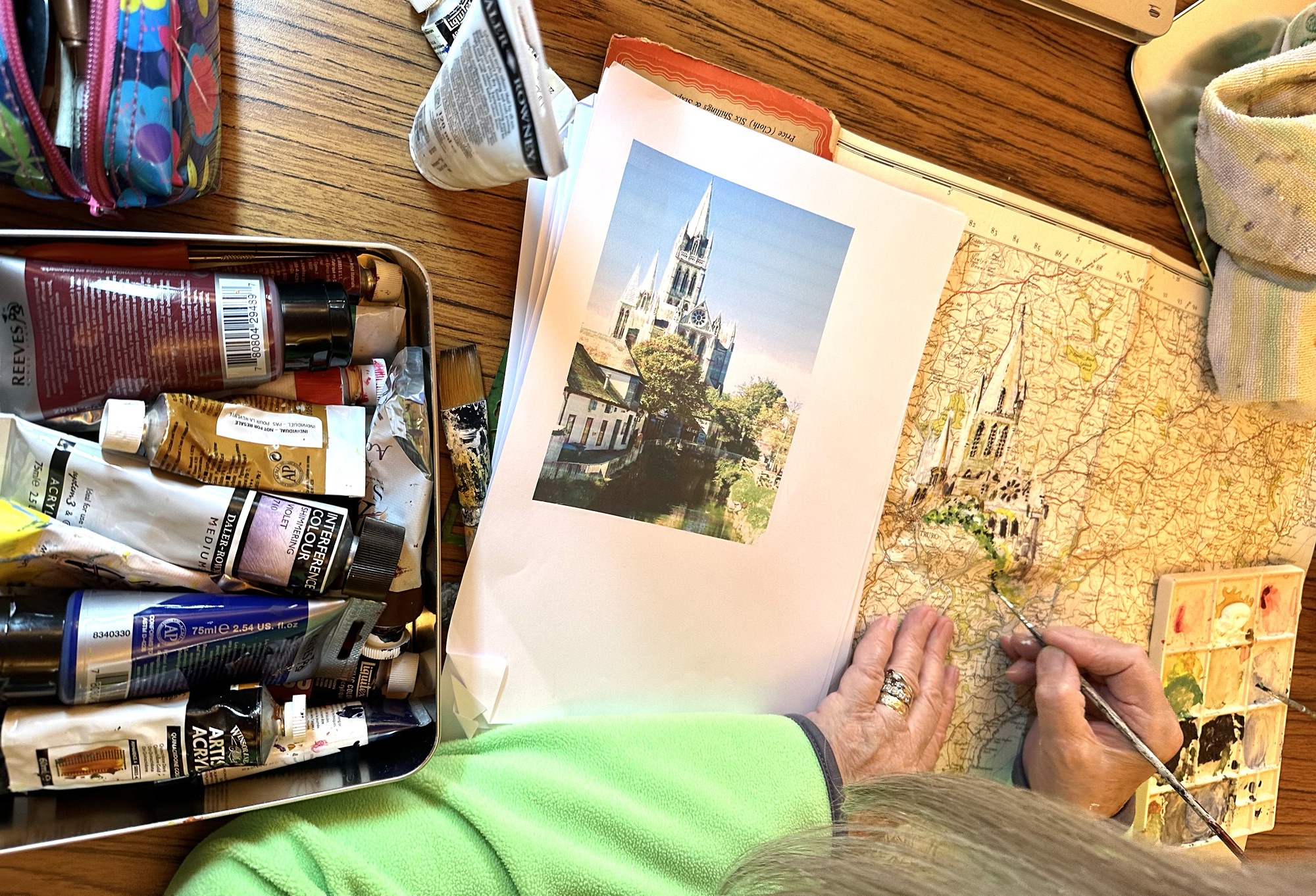
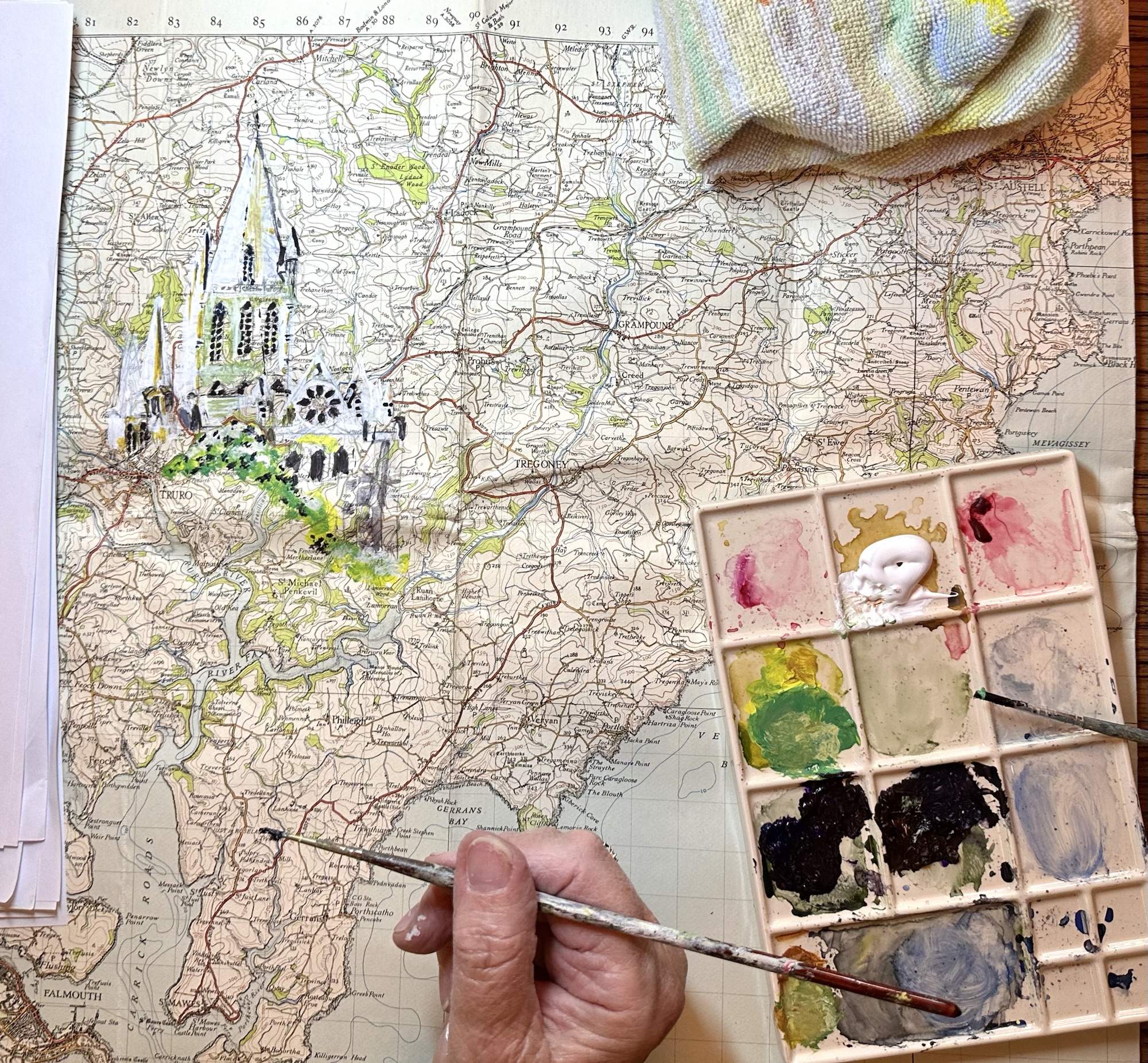
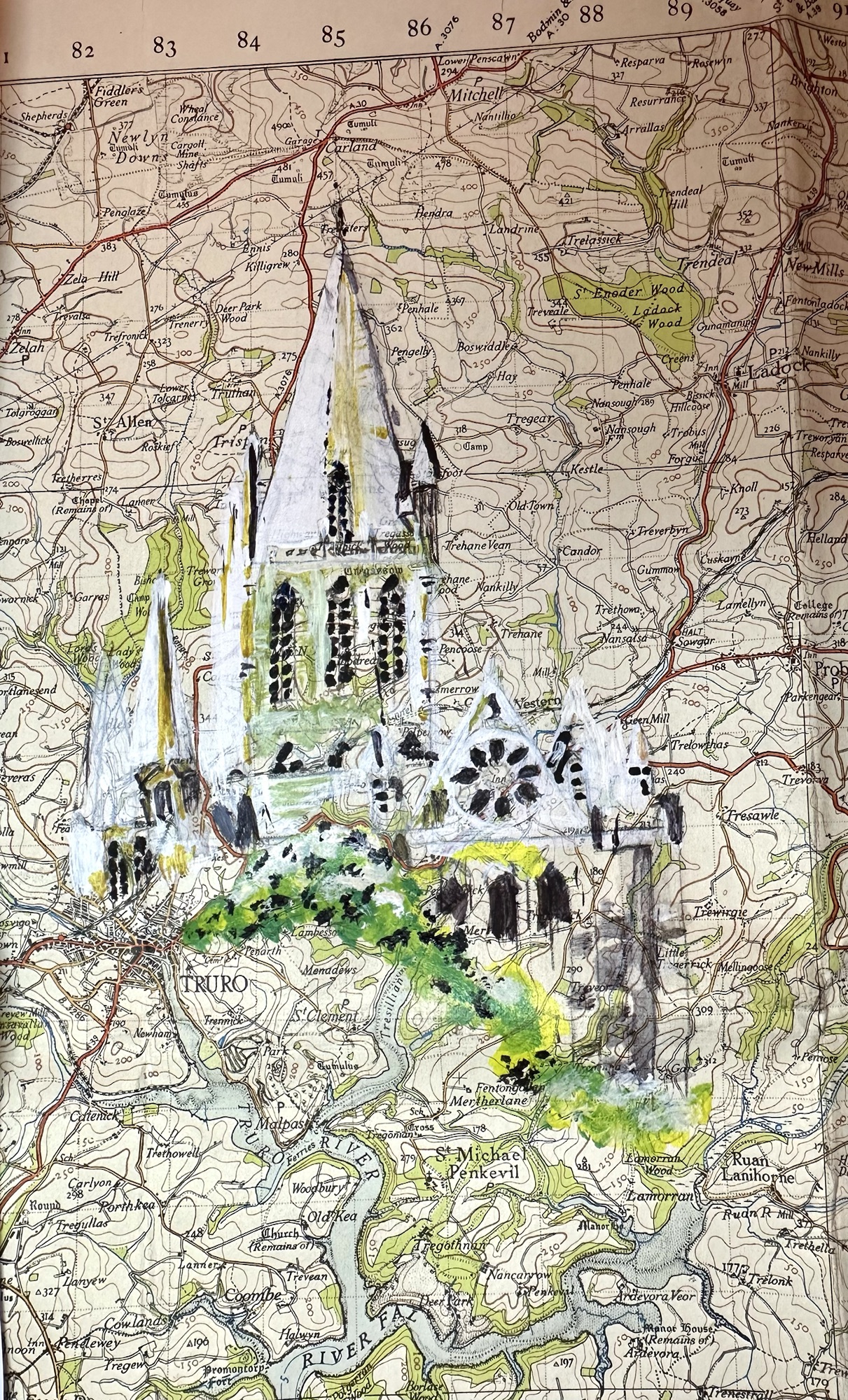
Christine used an old map to paint a picture of Truro Cathedral on. The third photo shows the painting of Truro Cathedral in acrylics, just above the city’s name. An excellent way to use an old map as many of us have old maps just hanging around that we don’t look at any more.

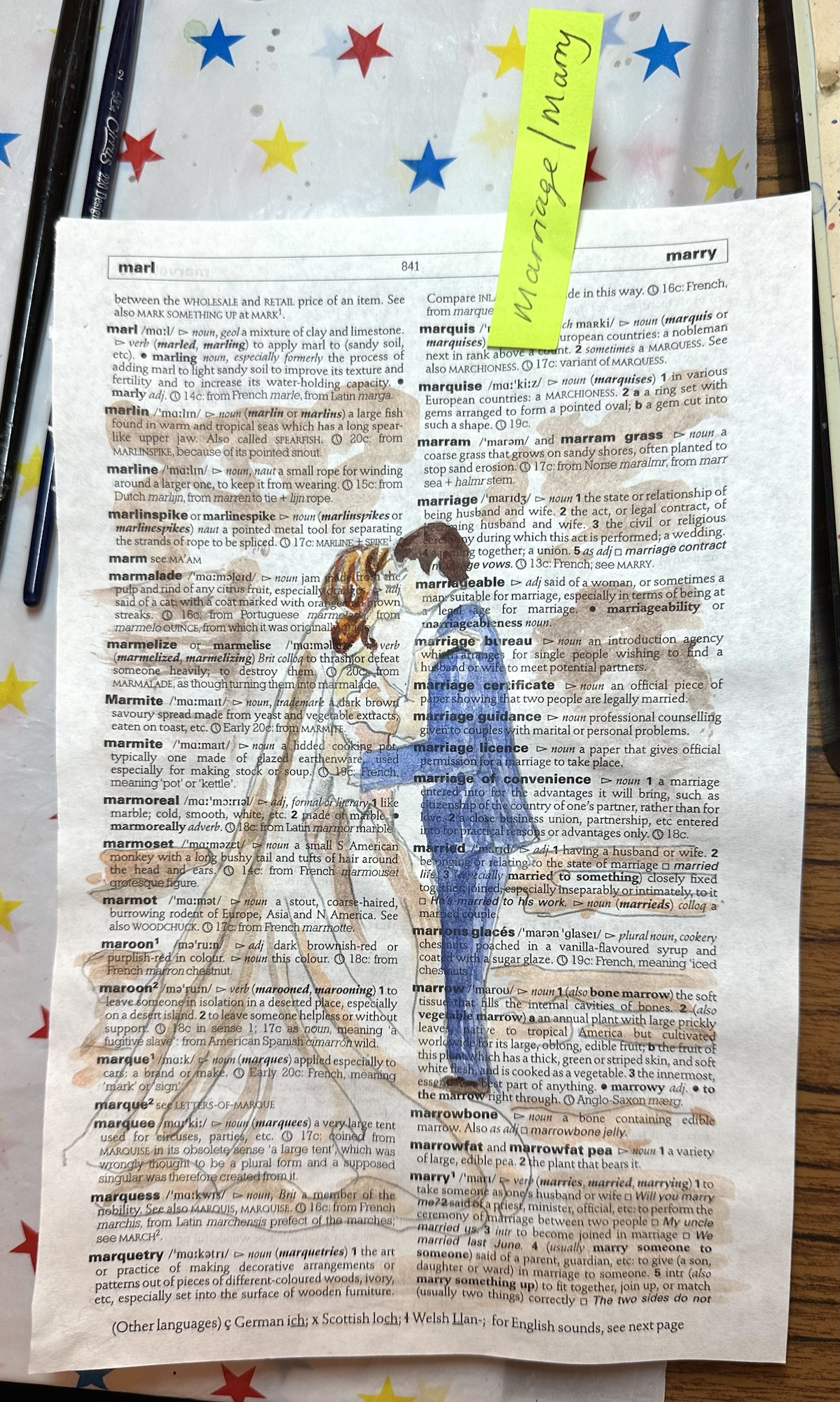
Kay used the dictionary pages with the words marriage and wedding on to paint pictures of a bride and groom. They will be framed and given as a gift at a wedding she is attending later in the year. What a great idea for a unique present.

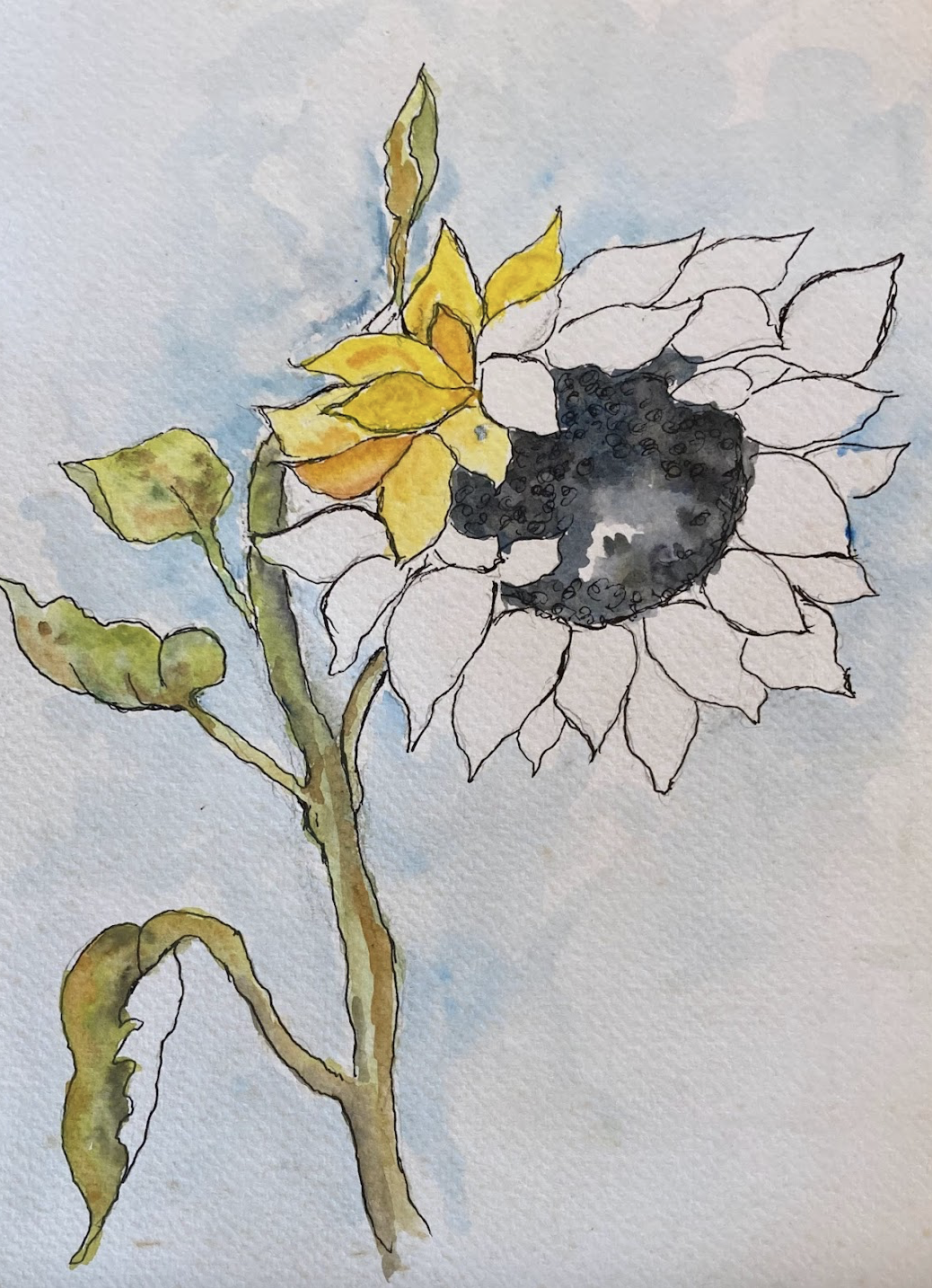
Wendy chose the dictionary page with the word sunflower on it and painted a bright and colourful sunflower in acrylics. The page accepted the acrylic paint really well.

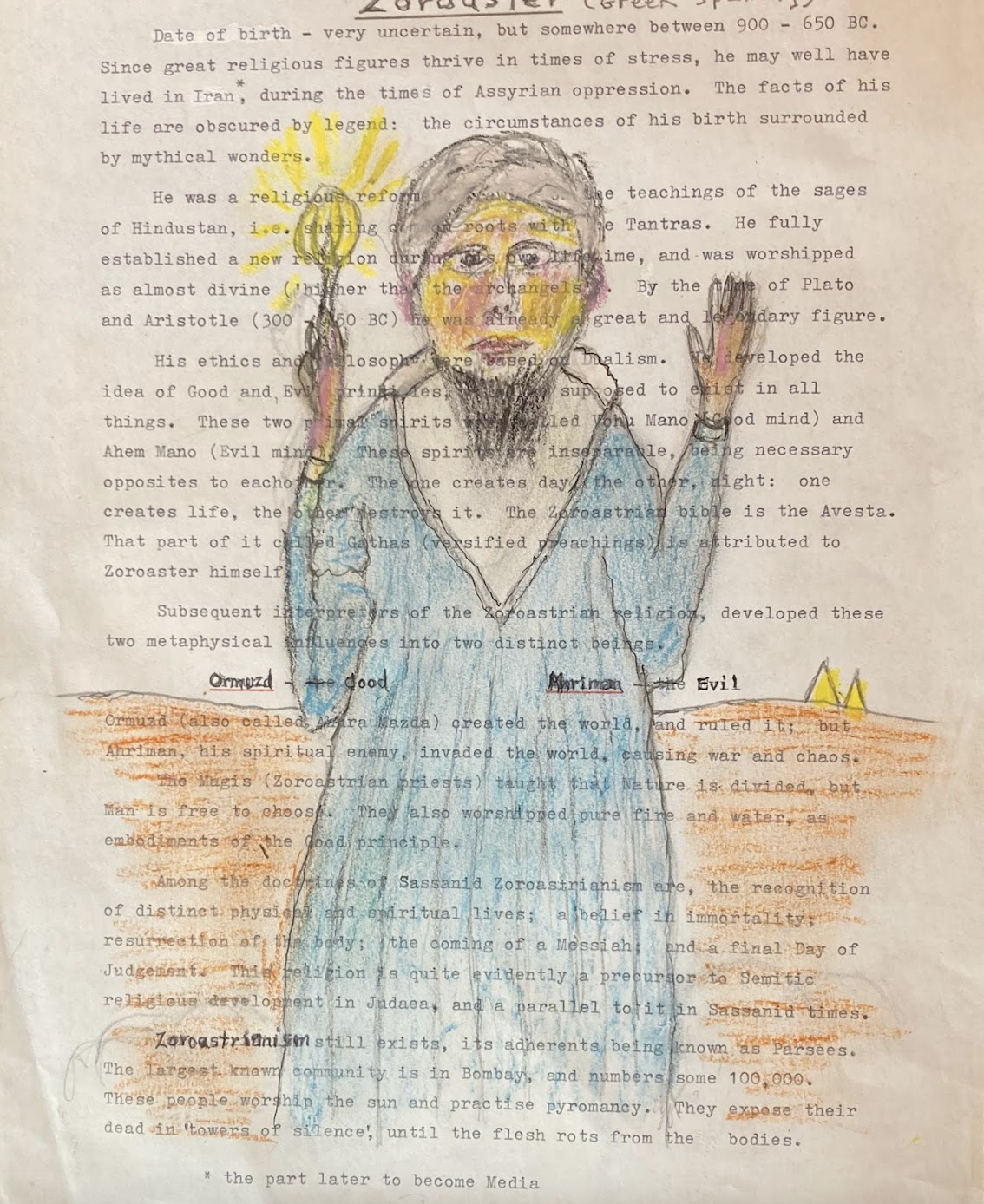
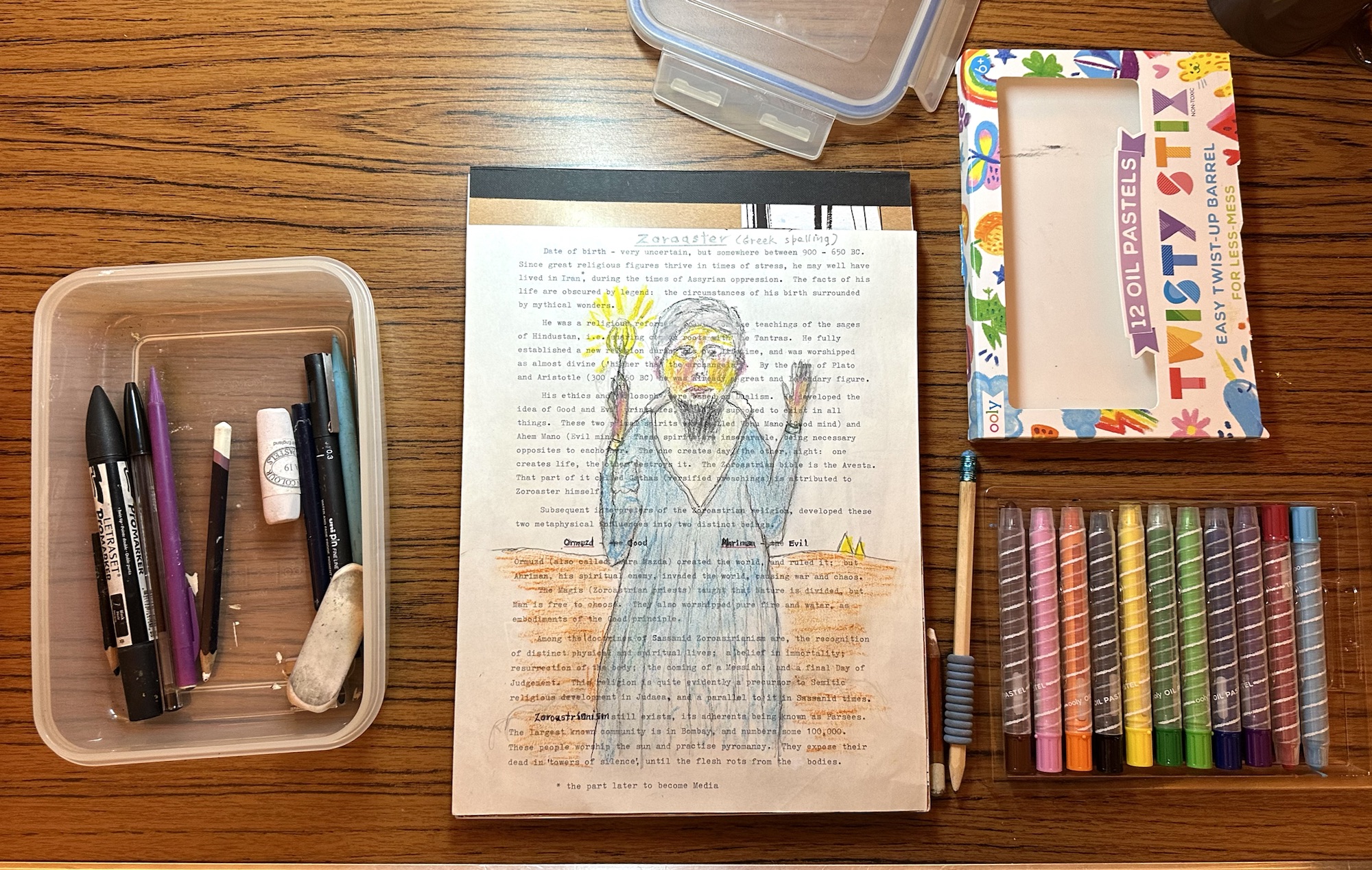
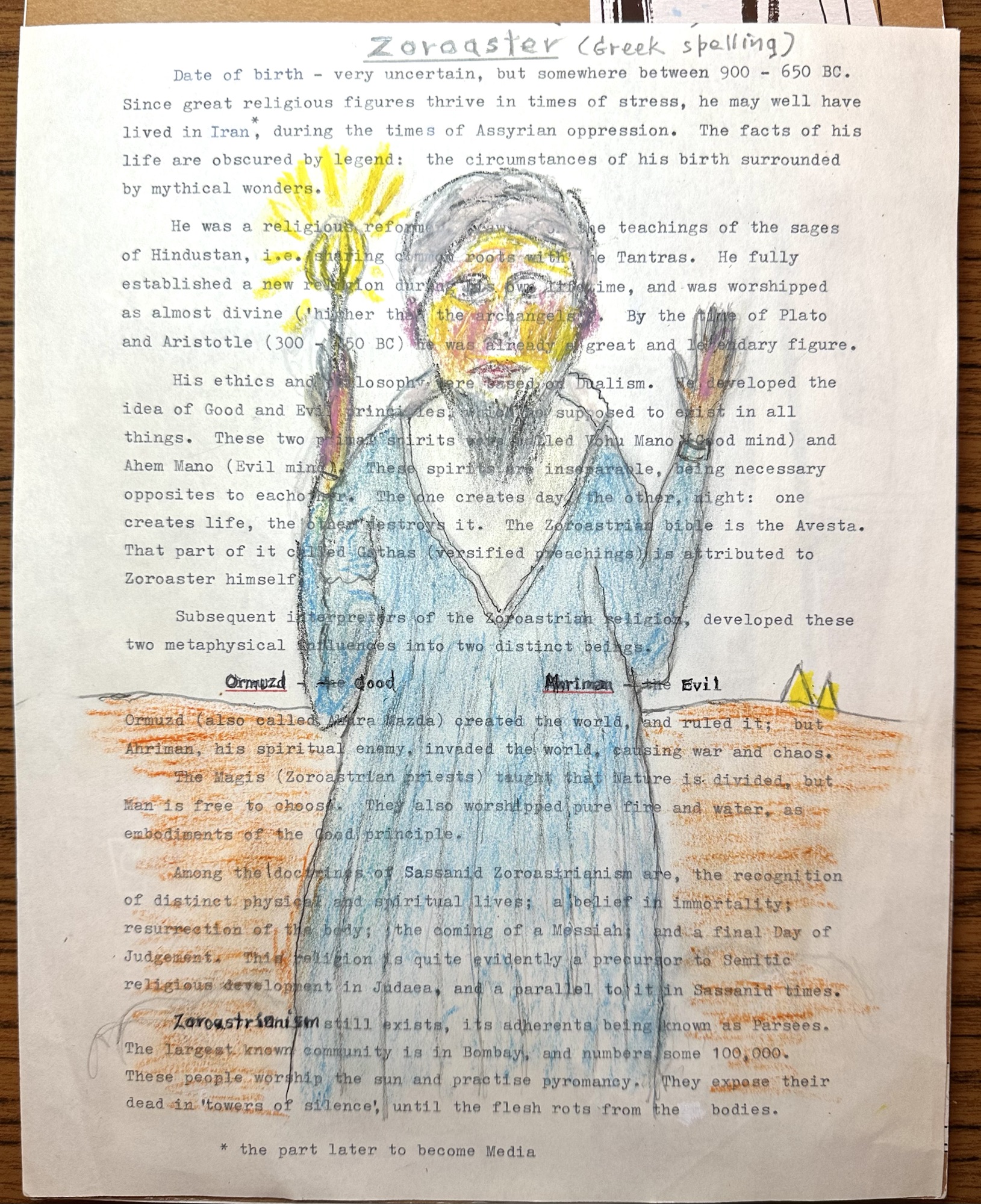
Years ago Patrick typed a page about Zoroaster, the ancient Persian prophet. Instead of staying in a file the page has been used to paint an image of Zoroaster. In coloured pencil and pen the page has been repurposed.

Tracy chose the dictionary page with the work quokka on it. Look closely at the first photo for the definition of a quokka. She drew the animal in pencil and painted it in watercolours. Although the dictionary page is very thin, it accepted the watercolour paint well and the colours will be built up layer by layer, allowing drying time in between. There are other dictionary pages Tracy wants to paint but she may paint those in acrylics.

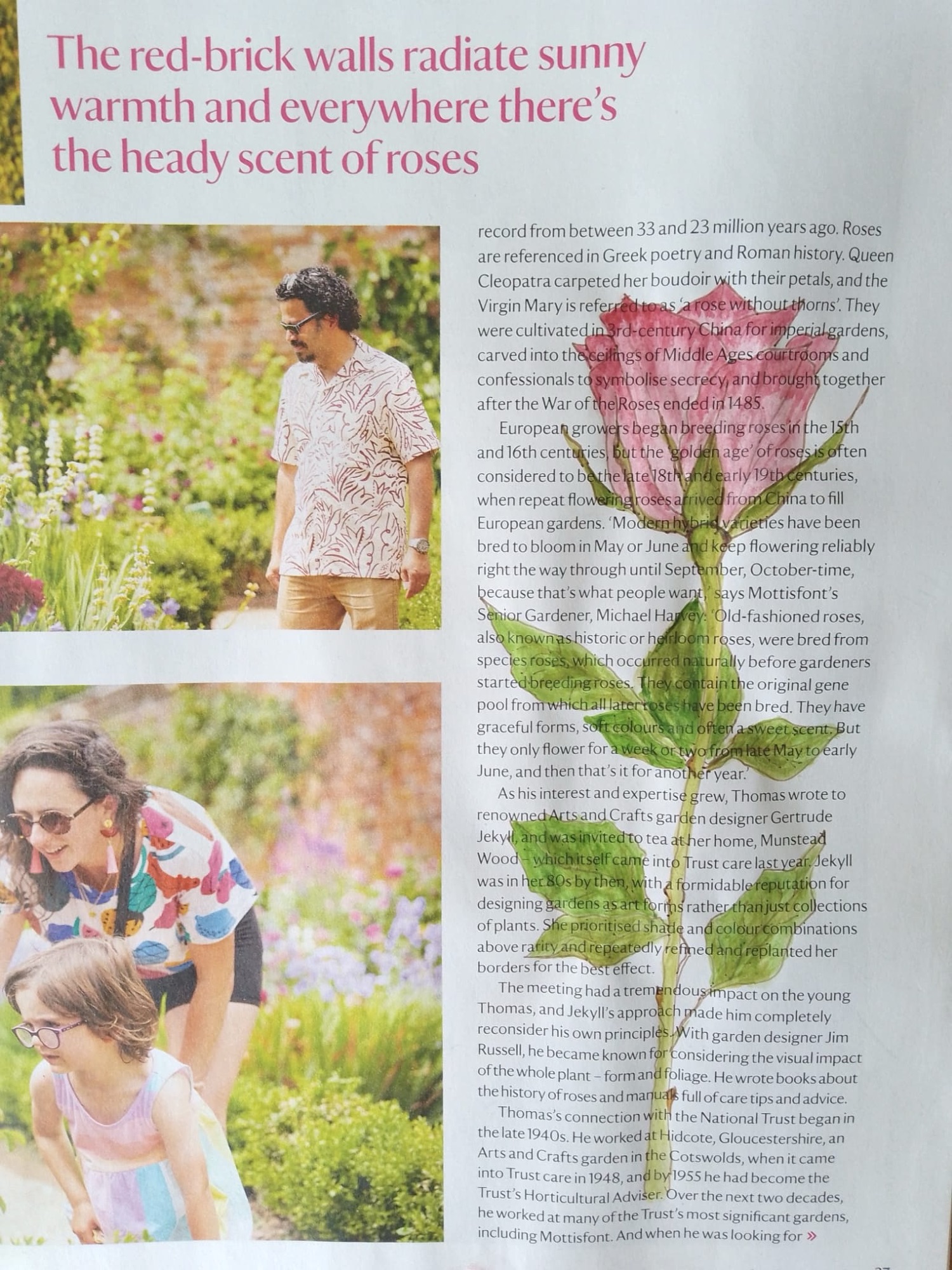
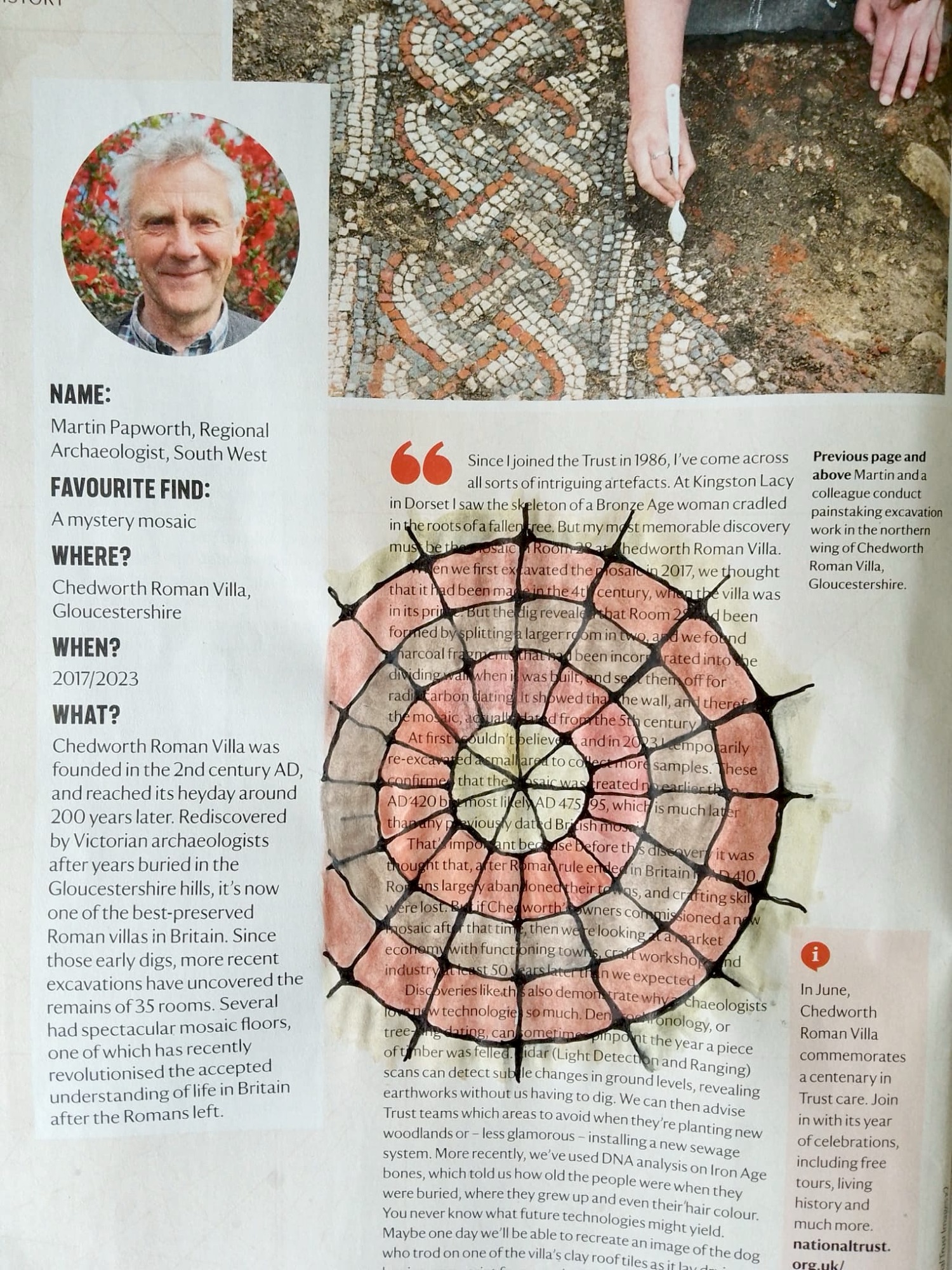
Angela gets a gold star for painting her two pages whilst on holiday in Devon. She had a National Trust magazine with her so used two pages to paint on. One she painted yesterday whilst chilling in the garden, the second today whilst 40mph winds blew outside. Typical British holiday weather! The first picture of a rose ties in nicely with our next session of ‘In an English Country Garden’.

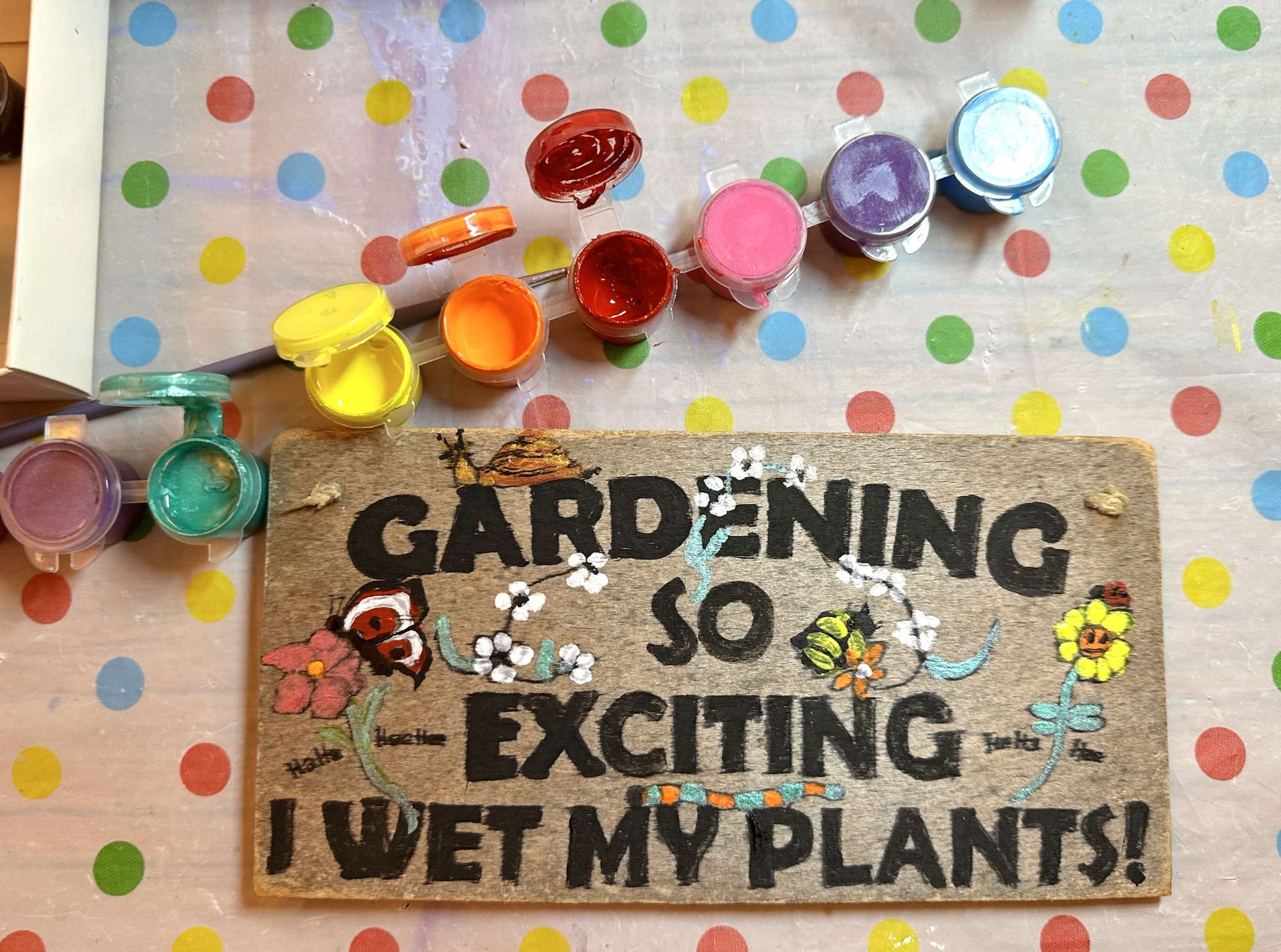
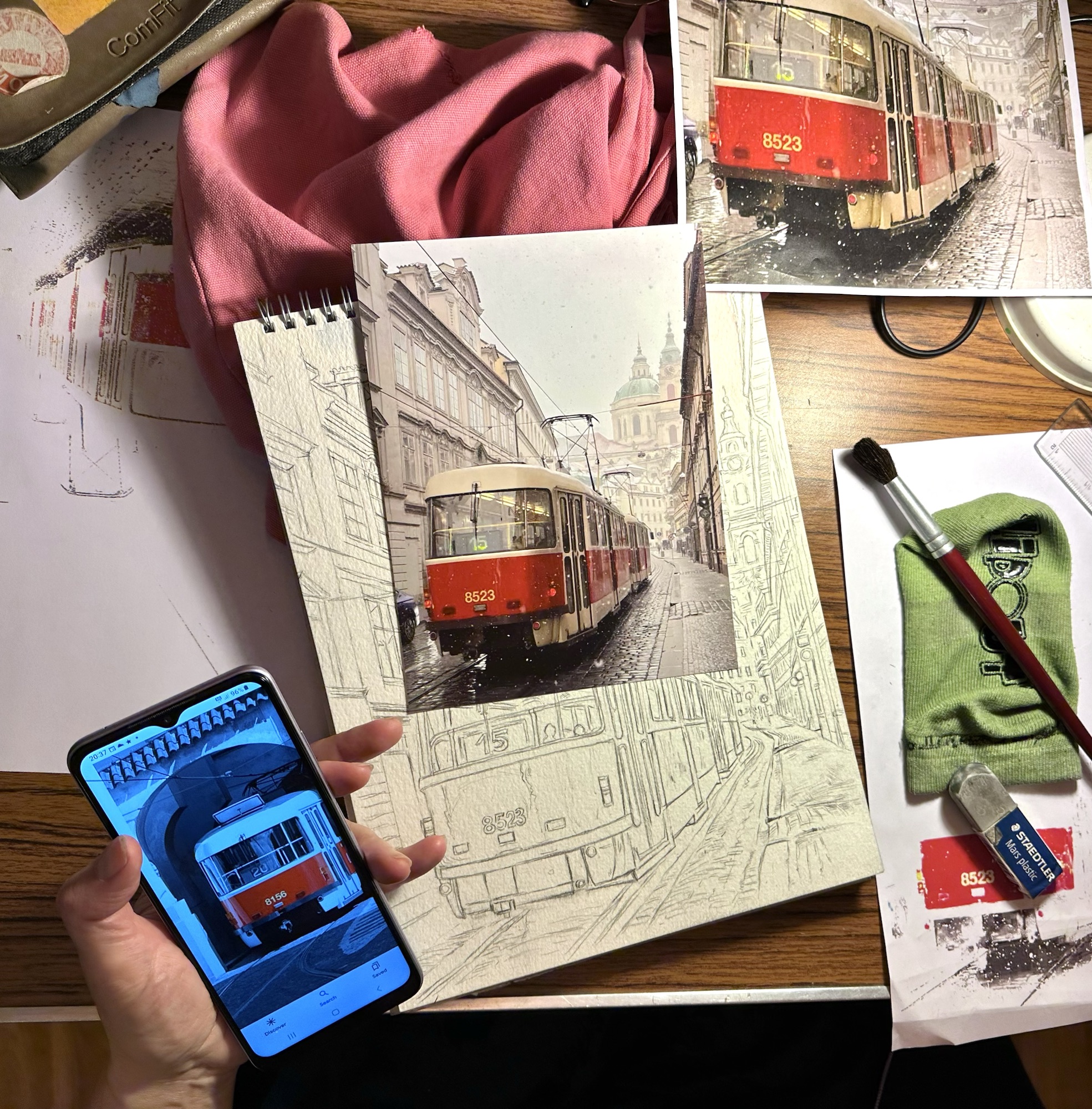
Two members painted to their own theme. Denise repainted a friend’s garden plaque and Peta continued with her painting of a tram.

Well done everyone, there were some super ideas here.

The old books will be brought in to the next session, so if you missed painting on a book page you can cut out some pages to use. If there’s a particular word on the dictionary you want then email Tracy with that word and she’ll reserve the relevant page for you.

The next session is on Saturday 22nd June from 10am to 3pm.
June 2024

Wednesday 12th 7-9pm – paint on a book page

At the last Saturday session we painted on oyster shells. This time use a page from a book or sheet music for another different surface to paint on. Don’t deface a treasured book but get an old one from a charity shop or use an out of date phone book. Some old pages may be quite absorbent so acrylics or very dry watercolours might be better than using very wet media. Newer books will have shinier, less absorbent pages, so make your choice.

Paint any subject, but you could choose a word from the page and paint that object. A page from an old dictionary would be the perfect prompt. If you use sheet music then the title may spark your imagination. A couple of old books will be available if you can’t find your own surface to paint on.

Saturday 22nd 10am-3pm In an English Country Garden

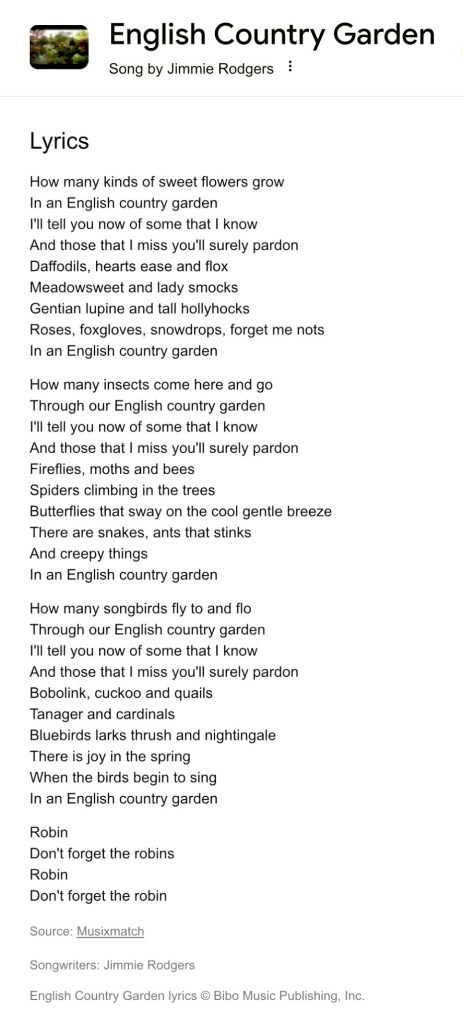
Take inspiration from the lyrics of the song of the same name written by American country singer Jimmie Rodgers in 1962. The music is based on an old English folk tune from the 1720s called ‘Country Gardens’.

Paint a whole country garden with a house or cottage in, any colourful flower close-up or in a botanical way, birds, insects and maybe a gardener too if you prefer painting people. The choice of subject and media are yours, and if you love painting flowers then this session is perfect for you. Remember back to when we used coloured pencils with visiting tutor Amber Halsall to create viola pictures.

The song lyrics are below, but a few birds are from the Americas and definitely not from England!

Here’s the song on YouTube (if the link doesn’t work for you then just Google the song)… https://youtu.be/EUyxCP5Rvco?si=YKofuJ5p1UABxBUE

The Society of Botanical Artists have their annual Plantae exhibition online from today for the month of June… https://sbaonlinegallery2024.oess1.uk/Artwork/ViewByThumbnail

Here’s the main website about the SBA… https://www.soc-botanical-artists.org

Finished Salvador Dali paintings

Three paintings started at the May Wednesday session have been completed at home.

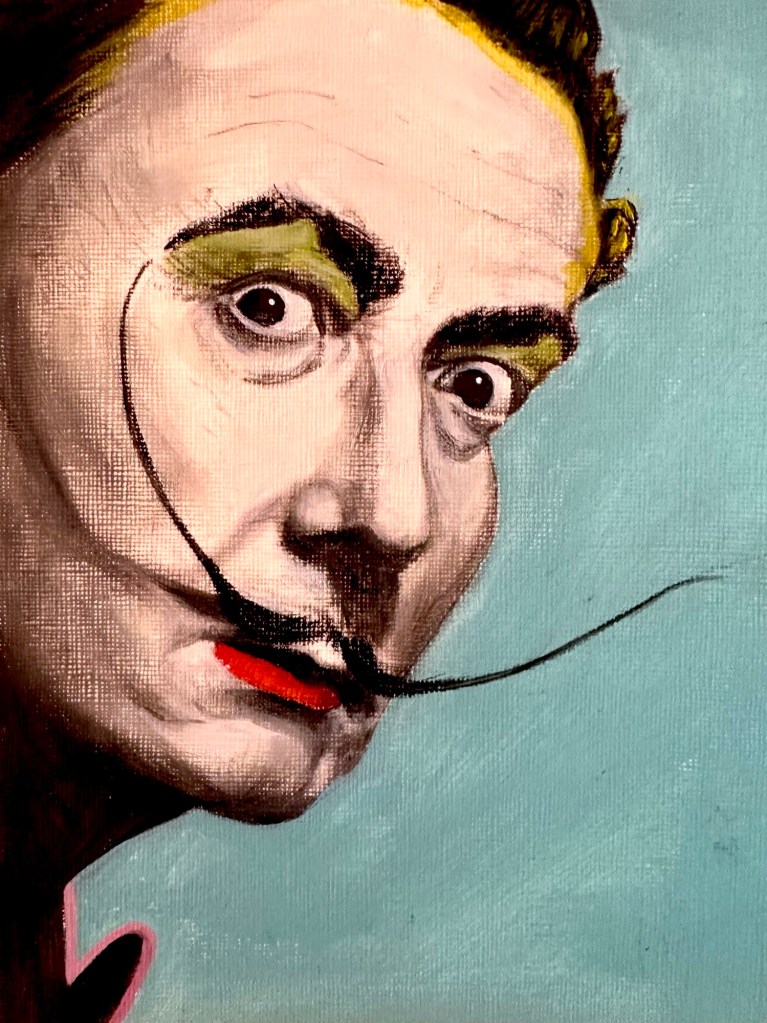
Angela painted Salvador Dali’s striking portrait in acrylics. She has perfectly captured his intense stare at the viewer.

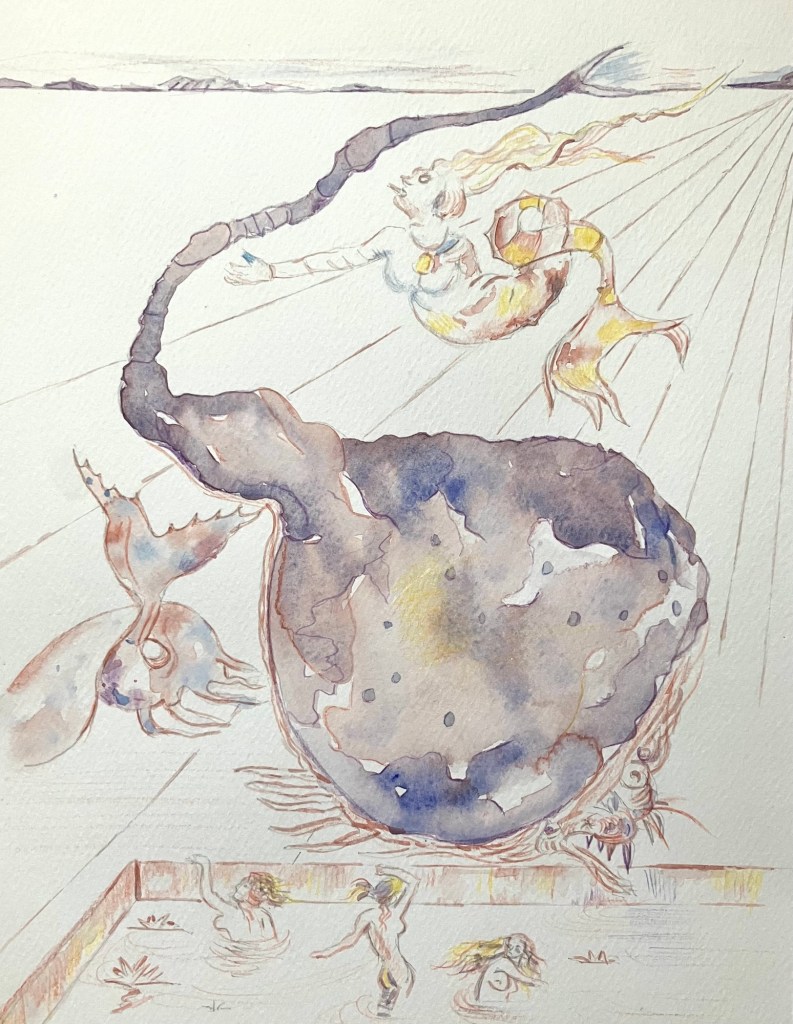
Susan painted Dali’s mermaids and sea creatures picture in watercolour and finished the details with coloured pencils.

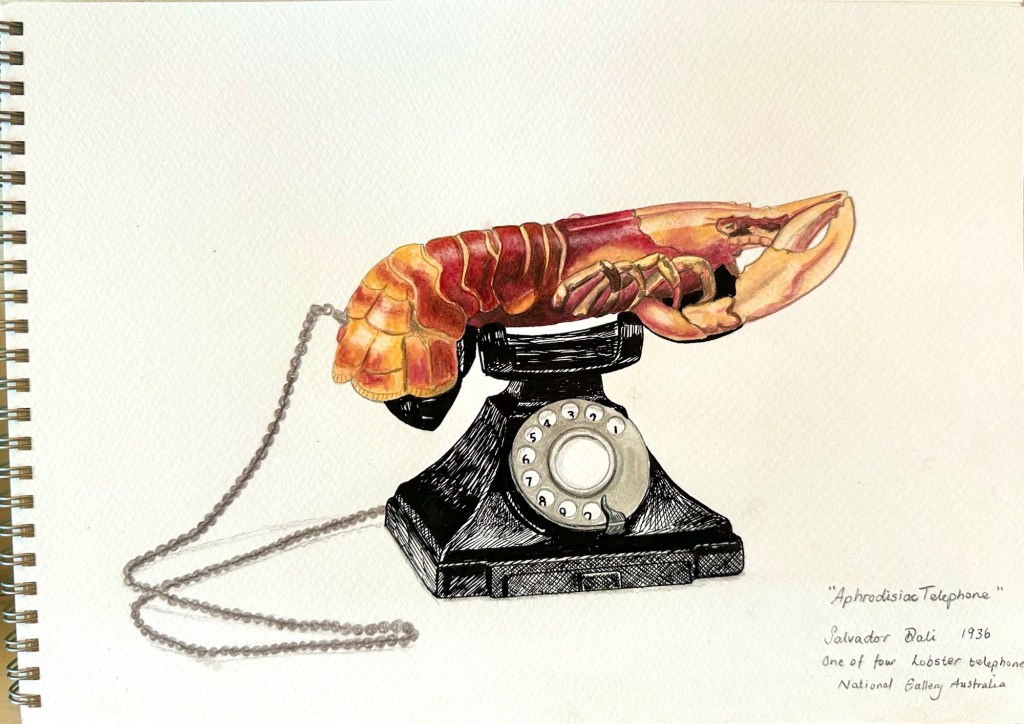
Tracy used black pen for the telephone and watercolour paints for the lobster in the image of ‘Aphrodisiac Telephone’. One of four such telephones made by Dali, this one was made in 1936 and is now in the National Gallery of Australia, Canberra. Pantone Colour of the Year, Peach Fuzz, is in the lobster’s tail and claws.

Good work, ladies! It’s good to see completed paintings when we’ve seen the beginnings at an earlier session.